
Damage Restoration in Munford, TN
- Damage Restoration Services Overview
- Common Damage Restoration Issues in Munford, Tennessee
- Neighborhoods We Serve in Munford
- Seasonal Damage Patterns in Munford
- Housing Characteristics & Restoration Considerations
- Environmental Conditions & Damage Implications
- Protecting Munford Businesses While Staying Open
Damage Restoration Services Overview
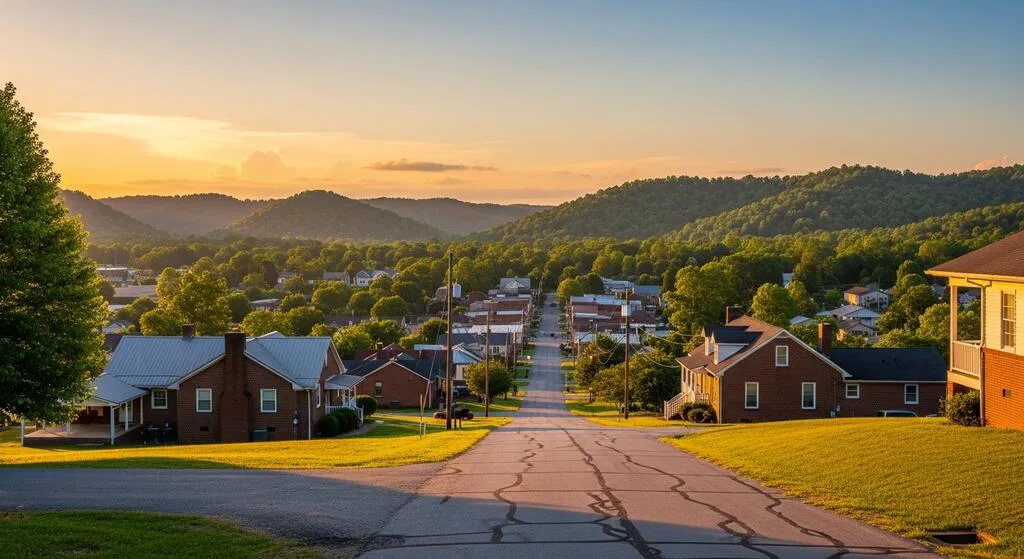
Tipton County sits within one of the most humid corridors in the United States, with average relative humidity hovering near 70 percent year-round - a level that lets mold colonies establish themselves on damp drywall in as little as 24 to 48 hours. For Munford property owners, that means the clock starts ticking the moment water enters a structure.
Our restoration teams handle the full spectrum of property damage across Munford and the surrounding Tipton County communities:
- Water damage restoration - extraction, structural drying, moisture mapping, and monitoring after burst pipes, appliance failures, roof leaks, and storm intrusion
- Flooded basement recovery - pumping standing water, drying below-grade walls and slabs, and addressing hydrostatic pressure issues
- Sewage cleanup - containment, removal of contaminated materials, antimicrobial treatment, and safe disposal after backups and septic failures
- Fire damage restoration - emergency board-up, debris removal, structural cleaning, and reconstruction
- Smoke damage restoration - soot removal from surfaces and HVAC systems, thermal fogging, and odor neutralization
- Mold removal - inspection, containment, remediation, and correction of the underlying moisture source
Commercial clients in Munford benefit from phased scheduling that keeps storefronts, offices, and warehouses operating while work progresses. Homeowners get direct communication, documented moisture readings, and insurance-ready reporting from first call through final walkthrough.
Common Damage Restoration Issues in Munford, Tennessee
Munford's position between the Hatchie River bottomlands and the Loosahatchie drainage, combined with West Tennessee's clay-heavy subsoil, creates recurring damage patterns that local property owners see again and again.
Leading Causes We Respond To
- Heavy spring rainfall overwhelming yard drainage and pushing water against foundations along Big Creek and its tributaries
- Sump pump failure during multi-day rain events, leading to flooded basements and crawlspaces
- Aging cast iron and clay sewer laterals that crack under shifting soil, causing backups into lower-level bathrooms
- Winter pipe bursts in uninsulated crawlspaces and exterior walls during hard freezes
- Kitchen fires and electrical faults in older homes with original wiring
- Lightning strikes from the severe thunderstorm activity common across Tipton County
Warning Signs Worth Acting On
- Musty odors in closets, crawlspace vents, or near HVAC returns
- Discoloration or bubbling on baseboards and lower drywall
- Slow drains in multiple fixtures at once - often the first hint of a main line problem
- Efflorescence, the white chalky residue on basement or foundation block
- Persistent smoke odor that returns on humid days after a small fire
- Warping hardwood, cupping planks, or floors that feel spongy underfoot
Small leaks rarely stay small in this climate. A pinhole in a supply line behind a vanity can saturate a subfloor and feed mold growth long before anyone notices a stain on the ceiling below.
Neighborhoods We Serve in Munford
Our crews cover Munford proper and the wider Tipton County service area, including established subdivisions, newer developments, and rural properties on well and septic systems.
- Downtown Munford and the Tipton Street corridor
- Neighborhoods along Highway 51 and Munford Avenue
- Residential areas surrounding Munford High School and Munford Elementary
- Developments off Beaver Road, Tracy Road, and Rosemark Road
- Atoka and Brighton, immediately north and south
- Drummonds, Gilt Edge, and Burlison
- Covington and the Tipton County seat area
- Millington, Rosemark, and northern Shelby County
- Rural parcels toward the Hatchie River bottoms and Mason
Because Munford sits within easy reach of the Memphis metro, our teams stage equipment locally and reach most addresses quickly - which matters most for sewage contamination and active water intrusion, where every hour of delay expands the damage footprint.
Seasonal Damage Patterns in Munford
Damage types in West Tennessee follow a fairly predictable annual rhythm.
- December through February - Frozen and burst pipes lead the calls, particularly in crawlspace plumbing and garage-adjacent lines. Space heater and fireplace incidents drive fire and smoke damage work.
- March through May - The wettest stretch of the year. Flooded basements, saturated crawlspaces, storm-driven roof leaks, and sewer backups from overloaded lines dominate. Mold calls begin climbing late in the season.
- June through August - Peak humidity turns any unresolved moisture into mold growth. HVAC condensate line clogs flood utility closets. Lightning strikes from afternoon thunderstorms cause attic fires and electrical damage.
- September through November - Remnants of Gulf tropical systems can deliver several inches of rain in a day. Heating systems fire up for the first time, and dust burnoff or dirty flues produce smoke odor complaints.
Two windows deserve extra attention from Munford owners: the late-winter thaw, when hairline pipe cracks reveal themselves, and the first sustained humid week of June, when dormant mold spores in previously wet materials become active.
Housing Characteristics & Restoration Considerations
Munford's housing stock spans well over a century, and construction era heavily influences how damage spreads and how restoration proceeds.
Common Construction Types
- Pre-1960 homes near the town center - pier-and-beam foundations, plaster walls, original hardwood, and knob-and-tube remnants in some attics
- 1970s-1990s ranch homes - slab-on-grade or vented crawlspace, brick veneer, and fiberglass batt insulation prone to holding moisture
- 2000s and newer subdivisions - tighter building envelopes, engineered wood subfloors, and conditioned or partially sealed crawlspaces
- Rural properties - septic systems, well water, detached outbuildings, and longer utility runs
How This Shapes Restoration Work
- Crawlspaces over basements - Full basements are less common here than in other regions, so much of our "flooded basement" work involves saturated crawlspaces where standing water sits against floor joists and ductwork.
- Plaster and lath - Older walls hold water differently than drywall and often require specialized drying rather than immediate demolition.
- Engineered subfloors - OSB and particleboard swell irreversibly once saturated, so extraction speed determines whether flooring can be saved.
- Brick veneer cavities - Water tracks behind veneer and stays hidden, making thermal imaging and cavity drying necessary after storm intrusion.
- Septic-served homes - Sewage backups here involve drainfield assessment alongside interior decontamination.
Homes built before the late 1970s may also contain asbestos-bearing materials and lead paint, both of which change the handling protocol during fire and water demolition.
Environmental Conditions & Damage Implications
Munford's environment is a significant driver of restoration outcomes, and understanding it shapes how we dry, clean, and rebuild.
Climate
- Humid subtropical, with roughly 50-55 inches of annual precipitation
- Long, humid summers where outdoor dew points regularly exceed 70°F
- Mild winters punctuated by short, sharp freeze events that catch plumbing unprepared
- Severe weather season in spring and again in late fall, with straight-line wind and hail risk
Soil and Water
- Loess-capped soils across Tipton County - fine, wind-deposited silt that erodes readily and channels water toward foundations
- Clay subsoil that drains slowly, holding water against footings and feeding crawlspace humidity for weeks after a storm
- Shallow water tables in low-lying areas near creek bottoms, contributing to chronic below-grade moisture
- Mineral-rich groundwater in rural wells, which can leave staining after water losses and affect cleaning agent selection
What This Means for Restoration
- Outdoor air is often too humid to use for drying, so we rely on closed-loop dehumidification rather than open ventilation.
- Mold prevention requires targeting relative humidity below 50 percent in the affected zone, not just removing visible water.
- Smoke and soot particles bind more aggressively to surfaces in humid air, making prompt cleaning important after any fire.
- Grading and downspout corrections often accompany flooded basement and crawlspace work to prevent repeat losses.
Protecting Munford Businesses While Staying Open
Commercial property damage carries a second cost beyond repairs: lost operating days. Munford's business community - retail along Highway 51, professional offices, restaurants, churches, warehouses, and multi-tenant buildings - cannot simply close for weeks while a restoration crew works. Our approach builds continuity into the plan from the first walkthrough.
How Commercial Projects Are Structured
- Rapid assessment and containment - We isolate the affected zone with negative-air containment so unaffected areas stay usable and clean.
- Scope and phasing meeting - Together we identify which spaces must stay operational and sequence the work around them, including after-hours and weekend shifts where possible.
- Documentation for insurance and stakeholders - Moisture logs, photo records, and itemized scopes support your claim and keep ownership or corporate partners informed.
- Restoration and reconstruction - Drying, decontamination, soot removal, odor treatment, and rebuild proceed in defined phases with clear handoffs.
- Final verification - Post-remediation moisture readings and clearance checks before spaces return to full use.
Commercial Scenarios We Handle in Munford
- Sprinkler discharges and supply line breaks affecting multiple tenant suites
- Sewage backups in restaurant kitchens and public restrooms, requiring health-code-conscious decontamination
- Kitchen and equipment fires with widespread smoke migration through shared HVAC systems
- Mold discovered behind fixtures, above ceiling tiles, or in mechanical rooms during renovation
- Storm-driven roof leaks saturating inventory, records, and ceiling assemblies
- Warehouse and storage flooding where product salvage and pallet-level drying take priority
Inventory protection, document drying, electronics evaluation, and content pack-out are coordinated alongside structural work. You keep running your business - we handle the restoration.





