
Damage Restoration in Hendersonville, TN
- Damage Restoration Services Overview
- Common Damage Restoration Issues in Hendersonville, Tennessee
- Neighborhoods We Serve in Hendersonville
- Seasonal Damage Patterns in Hendersonville
- Housing Characteristics & Restoration Considerations
- Environmental Conditions & Damage Implications
- Emergency Response Times and Old Hickory Lake Area Challenges
Damage Restoration Services Overview
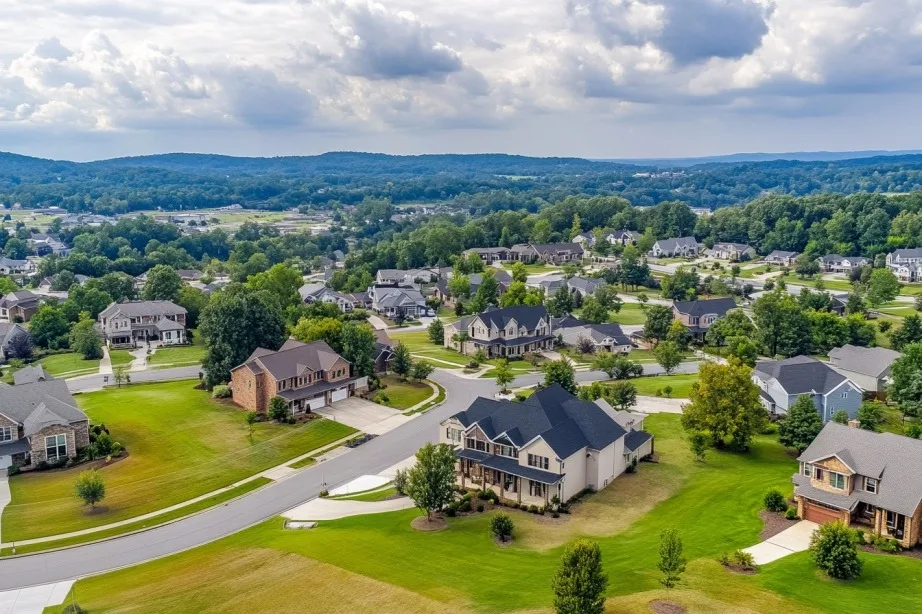
What happens when disaster strikes your Hendersonville property at 2 AM on a weekend? Time becomes your biggest enemy when facing water damage, fire destruction, or hazardous contamination.
Professional restoration services provide the rapid response and specialized expertise needed to minimize damage and protect your investment. Our comprehensive restoration solutions address every type of emergency:
- Water Damage Restoration - Structural drying, dehumidification, and moisture removal
- Flooded Basement - Pump-out services, foundation protection, and waterproofing
- Sewage Cleanup - Biohazard removal, sanitization, and safe disposal
- Fire Damage Restoration - Structural repairs, content cleaning, and reconstruction
- Smoke Damage Restoration - Odor elimination, air purification, and surface treatment
- Mold Removal - Containment, remediation, and prevention strategies
IICRC-certified technicians respond 24/7 to Middle Tennessee emergencies, using advanced equipment and proven techniques. The faster restoration begins, the lower your total costs and the better your recovery outcomes.
Common Damage Restoration Issues in Hendersonville, Tennessee
Hendersonville's location near Old Hickory Lake and the Cumberland River creates unique restoration challenges. The area's clay soil and rolling terrain contribute to specific damage patterns throughout the year.
Water-Related Issues:
- Basement flooding from lake level changes and heavy rainfall
- Foundation seepage in older homes near water sources
- Pipe bursts during winter freeze-thaw cycles
- HVAC condensation problems in humid summer months
Fire and Smoke Damage:
- Kitchen fires from holiday cooking and entertaining
- Electrical fires in aging wiring systems
- Fireplace and chimney-related incidents
- Outdoor fire spread during dry summer conditions
Mold and Contamination:
- Sewage backups during heavy storm events
- Mold growth in crawl spaces and basements
- Humidity-related mold in poorly ventilated areas
- Post-flood contamination requiring specialized cleanup
Early warning signs include musty odors, visible water stains, peeling paint, warped flooring, and unusual humidity levels. Addressing these indicators quickly prevents minor issues from becoming major restoration projects.
Neighborhoods We Serve in Hendersonville
Our restoration teams provide emergency services throughout Hendersonville and surrounding Middle Tennessee communities:
- Central Hendersonville - Historic downtown area and established neighborhoods
- Lakefront Communities - Waterfront properties along Old Hickory Lake
- Countryside Estates - Rural properties and larger acreage homes
- New Developments - Modern subdivisions and planned communities
- Surrounding Areas - Gallatin, Goodlettsville, Mount Juliet, and Lebanon
Each area presents distinct restoration challenges, from lakefront moisture issues to rural septic system problems. Our local knowledge helps us respond effectively to neighborhood-specific damage patterns and provide targeted solutions for each community's unique needs.
Seasonal Damage Patterns in Hendersonville
Tennessee's changing seasons create predictable restoration demands throughout the year:
Winter (December - February):
- Frozen pipe bursts requiring immediate water damage restoration
- Ice dam formation causing roof leaks and basement flooding
- Heating system fires and carbon monoxide issues
Spring (March - May):
- Severe storm damage from tornadoes and hail
- Flooding from heavy rainfall and snowmelt
- Mold growth as humidity levels rise
Summer (June - August):
- HVAC system failures leading to moisture problems
- Lightning strikes causing fires and electrical damage
- Sewage backups during peak storm season
Fall (September - November):
- Chimney and fireplace preparation fires
- Leaf-clogged gutters causing water damage
- Early freeze events damaging exposed pipes
Understanding these patterns helps property owners prepare for seasonal risks and respond quickly when damage occurs.
Housing Characteristics & Restoration Considerations
Hendersonville's diverse housing stock ranges from historic homes built in the early 1900s to modern constructions completed within the last decade. Each era presents unique restoration challenges and opportunities.
Historic Properties (Pre-1960):
- Original hardwood flooring vulnerable to water damage
- Plaster walls requiring specialized fire damage repair techniques
- Basement foundations prone to water infiltration
- Outdated electrical systems increasing fire risk
- Limited insulation contributing to moisture problems
Mid-Century Homes (1960-1990):
- Concrete block foundations susceptible to crack-related flooding
- Original HVAC ductwork harboring mold growth
- Polybutylene plumbing systems prone to sudden failure
- Asbestos materials requiring specialized handling during restoration
Modern Construction (Post-1990):
- Engineered lumber requiring careful moisture monitoring
- Complex HVAC systems needing professional smoke damage cleaning
- Synthetic materials producing toxic fumes during fires
- Advanced building codes facilitating faster restoration
Our restoration approach adapts to each property's specific construction methods, materials, and building codes to provide effective and compliant repair solutions.
Environmental Conditions & Damage Implications
Hendersonville's humid subtropical climate and geographic features create specific environmental conditions affecting restoration needs throughout the year.
Climate Factors:
- Average humidity levels of 65-75% promoting mold growth
- Annual rainfall of 47 inches increasing flood risk
- Temperature fluctuations causing expansion and contraction damage
- Severe weather patterns bringing wind, hail, and tornado threats
Geographic Influences:
- Old Hickory Lake proximity creating moisture challenges
- Rolling terrain affecting drainage patterns and basement flooding
- Clay soil composition causing foundation settlement issues
- Dense tree coverage increasing fire fuel loads
Water Quality Considerations:
- Hard water minerals affecting restoration equipment performance
- Lake water contamination requiring specialized sewage cleanup protocols
- Groundwater infiltration complicating basement restoration
- Municipal water pressure variations impacting fire suppression
These environmental factors influence restoration timelines, equipment selection, and treatment protocols. Our teams adjust their approach based on local conditions to achieve optimal drying, cleaning, and repair results while preventing secondary damage.
Emergency Response Times and Old Hickory Lake Area Challenges
Hendersonville's proximity to Old Hickory Lake creates unique restoration challenges requiring specialized response protocols and equipment. Lake-effect weather patterns, seasonal water level changes, and waterfront property access issues demand rapid, coordinated emergency response.
Critical Response Factors:
- 24/7 emergency dispatch connecting you to certified technicians within 60 minutes
- Specialized equipment for lakefront property access and power limitations
- Coordinated response teams handling multiple damage types simultaneously
- Direct insurance company communication streamlining claim processing
Lake Area Restoration Challenges:
- Seasonal flooding from lake level fluctuations affecting basement and crawl space areas
- High humidity levels accelerating mold growth and requiring aggressive dehumidification
- Limited road access during emergencies necessitating alternative equipment transport
- Power outages complicating water extraction and structural drying processes
- Contaminated water sources requiring enhanced sewage cleanup and sanitization protocols
Rapid Deployment Capabilities:
- Mobile command units providing on-site coordination and communication
- Portable generators ensuring continuous equipment operation
- Boat access for isolated waterfront properties during flood events
- Air quality monitoring equipment protecting occupant health during restoration
Our emergency response protocols prioritize safety, damage containment, and rapid stabilization. Teams arrive equipped with water extraction pumps, industrial dehumidifiers, air scrubbers, and thermal imaging cameras to assess damage severity and begin immediate mitigation efforts.





