
Damage Restoration in Hornell, NY
- Damage Restoration Services Overview
- Common Damage Restoration Issues in Hornell, New York
- Neighborhoods We Serve in Hornell
- Seasonal Damage Patterns in Hornell
- Housing Characteristics & Restoration Considerations
- Environmental Conditions & Damage Implications
- Basement Water and Sewage Response in an Older River-Valley City
Damage Restoration Services Overview
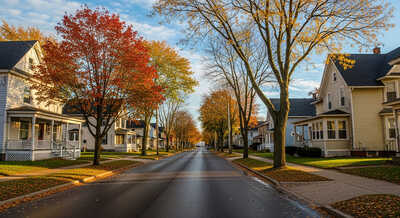
A wet basement that dries on its own still leaves behind saturated sill plates, swollen subfloor, and spores that colonize framing cavities within days. In Hornell homes - many built well before modern vapor barriers existed - a delayed response turns a contained incident into structural repair, and smoke residue left on plaster for a week becomes permanent etching on fixtures and glass.
Restoration work near Hornell, NY 14843 covers a connected group of specialties, each addressing a different failure mode:
- Water Damage Restoration - supply line breaks, appliance failures, ice dam leaks, and roof intrusion
- Flooded Basement - Canisteo River backwater, hydrostatic seepage, sump pump failure, and window well overflow
- Sewage Cleanup - main line backups, floor drain surcharges, and septic overflow in outlying township properties
- Fire Damage Restoration - structural stabilization, debris removal, and content recovery after flame damage
- Smoke Damage Restoration - soot removal, odor neutralization, and HVAC decontamination
- Mold Removal - containment, material removal, and moisture source correction
Benefits for Hornell property owners include documented moisture readings for insurance claims, protection of original woodwork and plaster common in Maple City housing stock, and correction of the underlying cause rather than the surface symptom.
Common Damage Restoration Issues in Hornell, New York
Hornell sits in a river valley in Steuben County, where snowmelt from surrounding hills collects quickly and drains through a stormwater system serving neighborhoods more than a century old. That geography drives most of the local restoration calls.
Frequent Causes of Property Damage
- Spring melt combined with rain saturating clay-heavy soil against fieldstone foundation walls
- Frozen and burst supply lines in uninsulated crawl spaces and attic runs during Southern Tier cold snaps
- Ice dams on steep older roofs pushing meltwater under shingles and into wall cavities
- Combined or aging sanitary lines surcharging during heavy storms, pushing waste back through basement floor drains
- Tree root intrusion into clay lateral lines on established streets
- Chimney, wood stove, and kitchen fires in homes with original flue construction
- Sump pump failure during power outages tied to summer thunderstorms and winter wind events
Warning Signs Worth Acting On
- Water staining or warped drywall and baseboard, particularly along exterior walls
- Musty or earthy odor that intensifies when the furnace or air handler runs
- Efflorescence, chalky white deposits, or damp shadows on basement masonry
- Soot film on window glass, light fixtures, or the tops of door casings after a fire
- Smoke odor returning on humid days even after surface cleaning
- Gurgling floor drains or slow fixtures signaling an approaching sewage backup
- Cupping hardwood, peeling paint, or fasteners rusting through finished surfaces
Neighborhoods We Serve in Hornell
Response covers the City of Hornell and the surrounding Steuben and Allegany County communities that share the same valley drainage and housing age.
- Downtown Hornell, the Main Street and Broadway corridor, and the Erie Depot district
- North Hornell and the Seneca Street and Cleveland Avenue neighborhoods
- The East End and the Canisteo Street area near the river
- Hillside streets off Maple City Drive and Bethesda Drive
- Arkport, Canisteo, Almond, and Alfred
- Hartsville, Howard, Fremont, and Burns
- Wayland, Dansville, and Andover on the outer service perimeter
Properties range from downtown mixed-use buildings with commercial ground floors to rural parcels on private wells and septic systems, and each type calls for a different containment and drying strategy.
Seasonal Damage Patterns in Hornell
Restoration demand in the Southern Tier follows a predictable annual rhythm.
- December through February - frozen pipe bursts, ice dam leaks, chimney and heating equipment fires, and smoke damage from wood stoves and space heaters
- March and April - peak flooded basement season as snowpack melts, frost leaves the ground, and rain overwhelms sump pumps and floor drains
- May and June - sewage backups during heavy rain events, plus the first mold discoveries from moisture that soaked in during the thaw
- July and August - humidity-driven mold growth in basements and crawl spaces, storm-related roof leaks, and outage-linked sump failures
- September and October - remnant tropical rainfall raising river and creek levels, foundation seepage returning as soil saturates
- November - first heating cycle brings furnace puff-backs, soot distribution through ductwork, and re-released smoke odor
Water damage occurs year-round in Hornell, but the source shifts from frozen plumbing in winter to groundwater and storm intrusion in spring and fall.
Housing Characteristics & Restoration Considerations
Hornell developed as a railroad city, and much of its housing dates to the late nineteenth and early twentieth centuries. That construction era shapes nearly every restoration decision.
Common Local Construction Features
- Balloon-framed walls with open cavities that let water and smoke travel between floors
- Fieldstone, rubble, and early poured concrete foundations that wick moisture through mortar joints
- Lath-and-plaster walls and ceilings that hold water far longer than drywall
- Original hardwood floors and softwood subfloor vulnerable to cupping and delamination
- Unfinished or partially finished basements used for storage, laundry, and mechanicals
- Brick chimneys converted from coal to gas or oil, sometimes with deteriorated liners
- Possible asbestos-containing floor tile, pipe wrap, or plaster components in pre-1980 homes
How Age Affects the Work
- Drying older assemblies requires cavity ventilation, injection drying, or targeted plaster removal rather than blanket demolition
- Smoke residue penetrates porous plaster and old-growth trim, calling for sealing after cleaning
- Mold remediation on stone foundations pairs removal with drainage and vapor control, since the wall itself will always be a moisture path
- Sewage cleanup in unfinished basements means saturated stored contents and porous concrete both need attention
- Historic trim, doors, and stair parts are often salvageable and worth documenting before removal
Environmental Conditions & Damage Implications
Hornell's location in the Canisteo River valley creates a microclimate that keeps humidity high and drying times long.
Climate and Water Factors
- Roughly 35 to 40 inches of annual precipitation with substantial lake-influenced snowfall
- Extended freeze-thaw cycling that opens cracks in foundation walls and mortar
- Summer dew points that keep basement relative humidity above the threshold where mold colonizes
- River and tributary levels that rise fast during melt and heavy rain, raising the local water table
- Hard groundwater in outlying areas contributing to fixture and supply line deterioration
Soil and Air Quality
- Silt loam over glacial till and clay subsoil with limited percolation, driving water toward foundation walls
- Valley air stagnation that traps smoke odor and particulate inside structures after a fire
- Seasonal outdoor mold spore counts that spike in late summer and fall, seeding damp indoor materials
- Radon potential across Steuben County, which makes basement air sealing and ventilation planning relevant during restoration
These conditions mean dehumidification in Hornell often runs longer than in drier regions, and moisture verification through thermal imaging and meter readings matters more than surface appearance.
Basement Water and Sewage Response in an Older River-Valley City
The single most common restoration scenario in Hornell is a basement that takes on water - sometimes clean groundwater, sometimes contaminated backflow from the sanitary system. The response differs sharply depending on which one it is.
How the Process Unfolds
- Stop the source - clear a blocked drain, shut a supply valve, cap a failed line, or divert surface water away from the foundation
- Classify the water - clean, gray, or black category determines protective equipment, containment, and what materials can be saved
- Extract and remove - pump standing water, then remove saturated carpet, pad, insulation, and any porous materials exposed to sewage
- Clean and disinfect - apply antimicrobial treatment to concrete, masonry, and framing after sewage or prolonged saturation
- Dry and monitor - place air movers and dehumidifiers, then track moisture readings until framing and masonry return to normal levels
- Address the cause - backwater valve discussion, sump and battery backup evaluation, grading and downspout correction, foundation crack sealing
Custom Solutions for Local Conditions
- Injection drying for plaster walls and finished basement partitions worth preserving
- Containment barriers with negative air when mold is discovered mid-project
- Thermal imaging to trace water that traveled through balloon-framed cavities into first-floor walls
- HVAC and duct cleaning when soot or sewage aerosols entered the return system
- Content pack-out and cleaning for items stored in basements after a backup
- Documentation packages with photos, moisture logs, and material inventories for insurance
When a fire and its suppression water hit at once, both problems get addressed on the same plan - structural drying happens alongside soot removal and odor sealing so trapped moisture behind cleaned surfaces does not become the next mold call.





