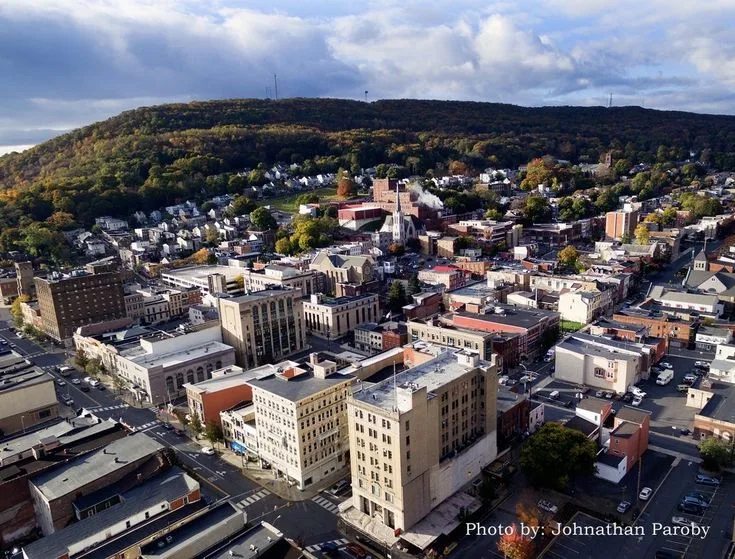
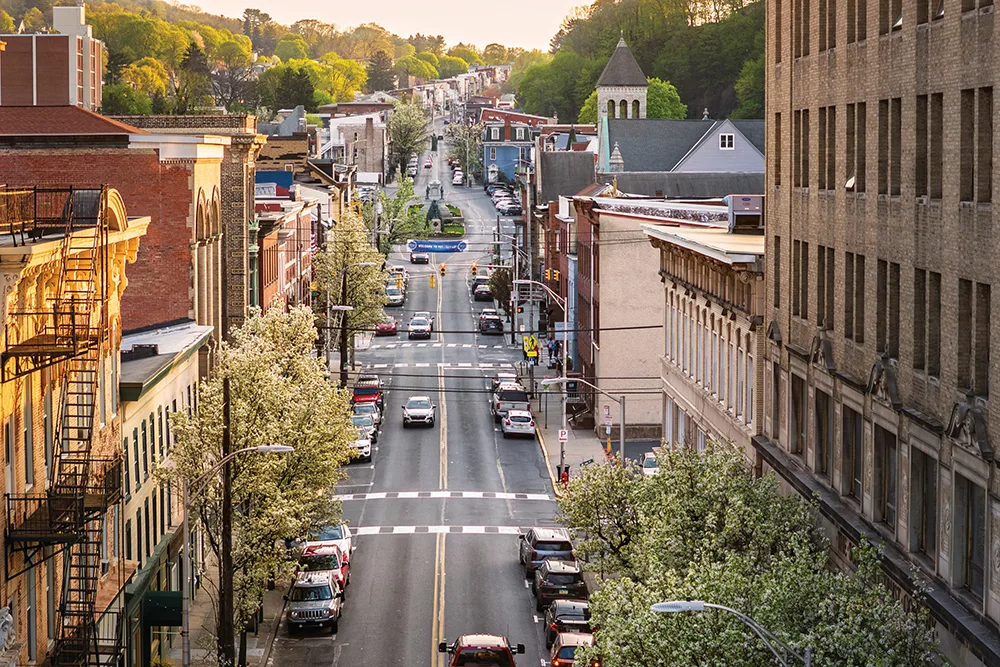
Damage Restoration in Schuylkill County, PA
- Damage Restoration Services Overview
- Common Damage Restoration Issues in Schuylkill County, Pennsylvania
- Neighborhoods We Serve in Schuylkill County
- Seasonal Damage Patterns in Schuylkill County
- Housing Characteristics & Restoration Considerations
- Environmental Conditions & Damage Implications
- Insurance Documentation and IICRC Standards for Coal-Region Properties
Damage Restoration Services Overview
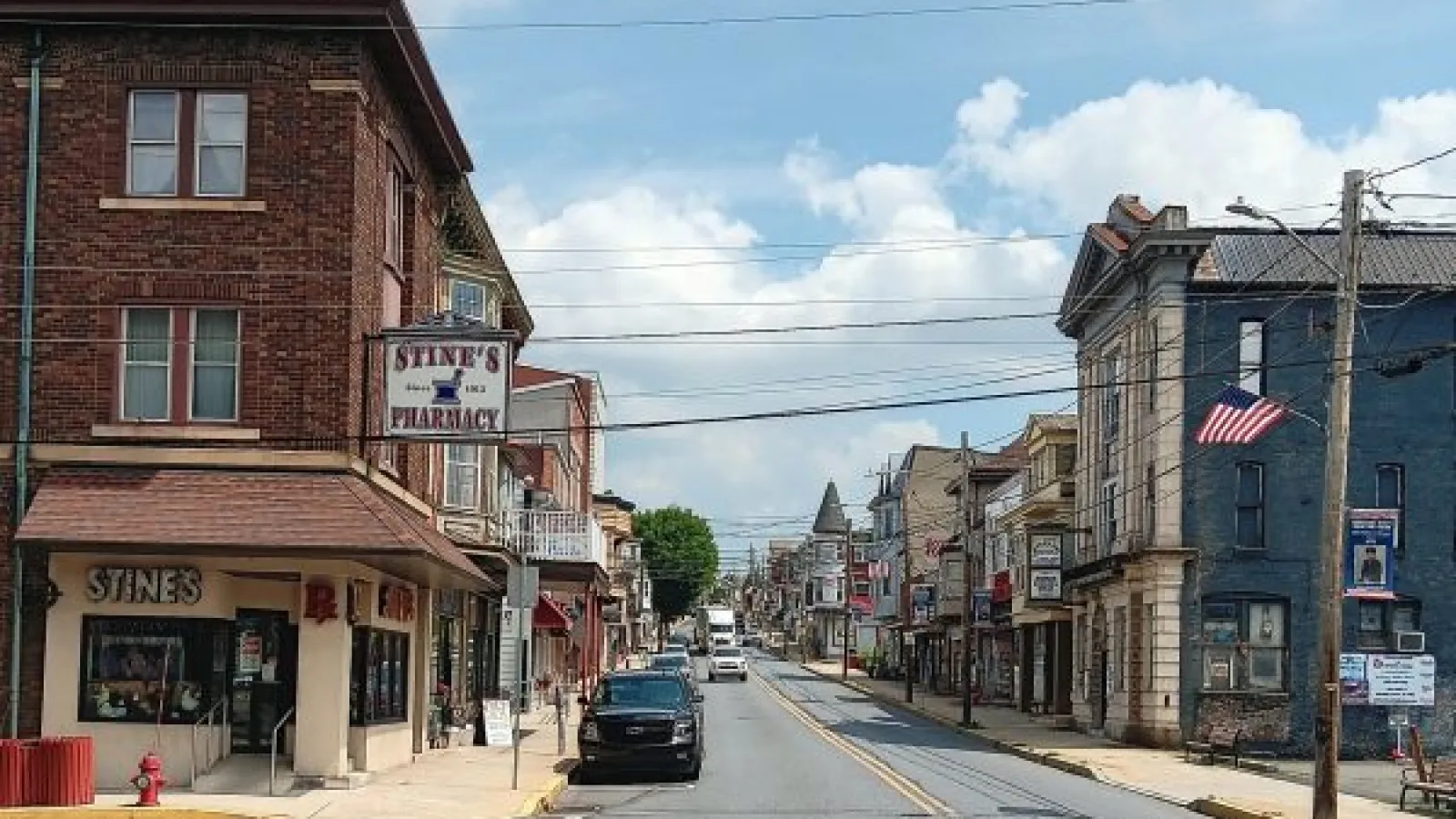
Water, sewage, smoke, and mold problems get worse by the hour. In Schuylkill County's older housing stock, a burst supply line or a backed-up lateral can saturate plaster, subfloor, and framing before a homeowner even finds the shutoff.
Acting within the first day changes the outcome - materials that can be dried and saved on day one often become demolition and rebuild by day three.
- Water Damage Restoration - moisture mapping, truck-mounted extraction, and calibrated drying documented under IICRC S500
- Flooded Basement Cleanup - pump-outs, content removal, stone-foundation drying, and post-flood sanitizing
- Sewage Cleanup - Category 3 containment, porous material removal, antimicrobial treatment, and disposal
- Fire Damage Restoration - board-up, structural cleaning, char removal, and coordinated reconstruction
- Smoke Damage Restoration - soot removal, thermal fogging, HEPA filtration, and odor neutralization
- Mold Removal - containment, negative air, source moisture correction, and clearance-ready remediation under IICRC S520
Benefits for county residents are practical: documented moisture readings that satisfy adjusters, daily drying logs, direct insurance billing, and one crew handling the job from extraction through reconstruction - no juggling three contractors while your basement sits wet.
Common Damage Restoration Issues in Schuylkill County, Pennsylvania
The anthracite region creates damage patterns you won't see in newer suburban markets. Coal-era construction, mine-influenced groundwater, and steep mountain drainage all play a role.
Frequent Causes We Respond To
- Frozen and burst pipes in uninsulated row-home walls and exterior kitchen runs
- Groundwater pushing through stone and mortar foundations in Pottsville, Shenandoah, and Mahanoy City
- Storm runoff off Blue Mountain and Broad Mountain overwhelming yard drains and window wells
- Aging clay sewer laterals cracking under root intrusion, causing basement backups
- Combined and undersized municipal lines surcharging during heavy rain
- Chimney, flue, and wood-stove fires in homes still using supplemental solid-fuel heat
- Kitchen grease fires that push smoke through balloon-framed wall cavities into upper floors
- Hidden mold behind paneling, in coal cellars, and under carpet installed over concrete slabs
Warning Signs Worth a Call
- Efflorescence, white chalky residue, or dark staining along the base of foundation walls
- Musty odor that intensifies after rain or when the HVAC blower starts
- Cupping hardwood, bubbling paint, or soft baseboard at floor level
- Gurgling floor drains or toilets that back up when the washer discharges
- Lingering acrid or campfire odor weeks after a small fire, especially in warm weather
- Rust lines on furnace legs or water heater bases indicating past standing water
Slow leaks are the sneakiest. A pinhole behind a Pottsville row-home kitchen wall can feed mold growth for months before a stain appears on the plaster.
Neighborhoods We Serve in Schuylkill County
Crews cover the full county, from the Blue Mountain ridge north through the coal towns and into the Mahantango and Hegins valleys.
- Pottsville area - Yorkville, Fishbach, Mount Carbon, Palo Alto, Port Carbon, Saint Clair, Mechanicsville
- Southern county - Schuylkill Haven, Orwigsburg, Cressona, Deer Lake, Auburn, Landingville, New Ringgold
- Panther Valley and eastern townships - Tamaqua, Coaldale, Lansford line, Hometown, McAdoo, Barnesville
- Northern coal towns - Shenandoah, Mahanoy City, Frackville, Girardville, Ashland, Gilberton, Ringtown
- Western Schuylkill - Minersville, Tremont, Pine Grove, Donaldson, Hegins, Valley View, Sacramento
We also respond along the Interstate 81 and Route 61 corridors, plus adjacent communities in northern Berks County near Hamburg and along the Schuylkill River. Rural farmhouses on private wells and septic get the same response as in-town properties.
Seasonal Damage Patterns in Schuylkill County
Winter (December - February)
- Burst pipes during hard freezes and extended sub-freezing stretches
- Ice damming on low-slope row-home roofs, pushing meltwater into upper ceilings
- Peak heating-season fires - furnaces, chimneys, wood stoves, and space heaters
Spring (March - May)
- Snowmelt plus rain saturating soil and flooding basements countywide
- Sewer backups as municipal lines surcharge during sustained storms
- Mold blooming on surfaces wetted over winter but never properly dried
Summer (June - August)
- Severe thunderstorms and remnant tropical systems producing flash flooding along the Little Schuylkill and Swatara Creek
- Sump pump failures during power outages
- High humidity accelerating mold growth in unconditioned basements and crawlspaces
- Condensation damage from oversized or leaking AC systems
Fall (September - November)
- Clogged gutters and leaf-packed drains sending roof runoff against foundations
- First-burn chimney fires when flues are lit without inspection
- Hurricane-remnant rainfall - historically the county's biggest single-event flood driver
Housing Characteristics & Restoration Considerations
Schuylkill County has some of the oldest housing stock in Pennsylvania. A large share of homes date to the anthracite boom between the 1880s and 1930s, and that age drives nearly every restoration decision.
Common Construction Types
- Attached row homes and twins - shared party walls mean water and smoke migrate between addresses
- Stone and rubble foundations - highly porous, slow to dry, prone to lateral seepage
- Coal cellars and low-headroom basements - poor ventilation, chronic humidity
- Balloon framing - open wall cavities let smoke and water travel floor to floor uninterrupted
- Wood lath and plaster - holds moisture far longer than drywall and needs targeted cavity drying
- Rural farmhouses - additions with mismatched framing, well systems, and on-lot septic
How Age Changes the Work
- Pre-1980 materials require asbestos and lead-safe screening before demolition of flooring, mastic, or plaster
- Plaster assemblies often need injection drying rather than removal, preserving original finishes
- Party-wall properties require inspection of the neighboring unit to confirm the moisture boundary
- Knob-and-tube and older panels are de-energized before extraction begins in wet basements
- Oil-fired heating systems create heavy soot loading that needs solvent cleaning, not dry sponging
- Sewage jobs in old homes usually mean removing paneling and finished-basement framing entirely - porous material below the water line is not salvageable
Environmental Conditions & Damage Implications
Local geology and climate shape how fast damage spreads and how long drying takes.
Climate
- Humid continental pattern with roughly 45 inches of annual precipitation and meaningful snowfall on the ridges
- Summer dew points regularly push indoor relative humidity above the 60 percent threshold where mold activates
- Freeze-thaw cycling opens mortar joints and foundation cracks year after year
Water and Soil
- Steep, shallow, rocky soils over shale and sandstone shed water quickly toward valley floors
- Abandoned mine drainage affects portions of the Schuylkill headwaters, adding iron and sulfates that stain and corrode
- High seasonal water tables in valley towns push hydrostatic pressure against basement walls
- Mine subsidence and settlement can crack laterals and foundations, creating new intrusion points
Air Quality Implications
- Tight winter envelopes trap combustion byproducts and smoke odor after a fire
- Residual coal dust and legacy soot in old chimneys complicate post-fire cleaning
- Mold spore counts spike indoors during humid spells when basements go unconditioned
Practical response: dehumidification is sized to the actual grain-depression load, not guesswork, and negative air machines with HEPA filtration run during any mold or sewage work to protect the rest of the home.
Insurance Documentation and IICRC Standards for Coal-Region Properties
Claims in Schuylkill County get denied or underpaid for one reason more than any other - thin documentation. Old homes with pre-existing staining need clear evidence separating the new loss from historic wear.
What Proper Documentation Includes
- Category and class determination at first contact under IICRC S500 - clean water, gray water, or Category 3 sewage
- Photo and video record of affected rooms, contents, and the source of loss
- Moisture meter readings on every affected material, with unaffected areas logged as dry standards
- Thermal imaging to locate water inside wall cavities and under flooring
- Equipment placement diagrams showing air mover and dehumidifier counts per room
- Daily atmospheric readings - temperature, relative humidity, and grains per pound - until drying goals are met
How the Process Runs
- Emergency contact and dispatch, with utility shutoff guidance over the phone
- On-site inspection, hazard screening, and category classification before anything is touched
- Extraction or pump-out, followed by controlled demolition only where materials cannot be dried
- Containment and negative pressure for sewage, fire, or mold work
- Structural drying with daily monitoring and adjustment
- Cleaning, deodorization, and antimicrobial application
- Clearance verification, then reconstruction - drywall, paint, flooring, trim
Why Standards Matter Here
Fire and smoke work follows IICRC S700 principles, mold remediation follows S520, and water losses follow S500. Adjusters recognize these frameworks, which shortens approval time.
Direct carrier billing means most covered losses leave homeowners handling the deductible only. For rural properties on private wells and septic, we also coordinate water testing and system inspection after any Category 3 event - a step frequently skipped that later becomes a health issue.