Damage Restoration in Franklin County, PA
- Damage Restoration Services Overview
- Common Damage Restoration Issues in Franklin County, Pennsylvania
- Neighborhoods We Serve in Franklin County
- Seasonal Damage Patterns in Franklin County
- Housing Characteristics & Restoration Considerations
- Environmental Conditions & Damage Implications
- Emergency Response and Insurance Documentation for Franklin County Property Owners
Damage Restoration Services Overview
What happens to a Franklin County home in the first 24 hours after a pipe bursts, a chimney fire scorches a living room, or storm runoff pushes through a basement wall? The answer usually decides whether you face a cleanup or a rebuild.
Restoration teams serving Chambersburg, Waynesboro, Greencastle and the surrounding boroughs handle the full spectrum of property emergencies - not just the visible mess, but the moisture, soot residue and contamination hiding behind drywall and under subfloor.
- Water Damage Restoration - extraction, structural drying and dehumidification after supply line failures, appliance leaks and roof intrusion
- Flooded Basement - pump-out, sump failure response, foundation seepage drying and content salvage
- Sewage Cleanup - removal of Category 3 contaminated water, antimicrobial treatment and safe disposal of porous materials
- Fire Damage Restoration - structural stabilization, debris removal, corrosion control and reconstruction
- Smoke Damage Restoration - soot removal from surfaces and HVAC systems, thermal fogging and odor neutralization
- Mold Removal - containment barriers, HEPA filtration, affected material removal and moisture source correction
Benefits for local property owners include faster drying times, documented moisture readings for insurance claims, personal content cleaning, and a single point of contact from the first emergency call through final repairs.
Common Damage Restoration Issues in Franklin County, Pennsylvania
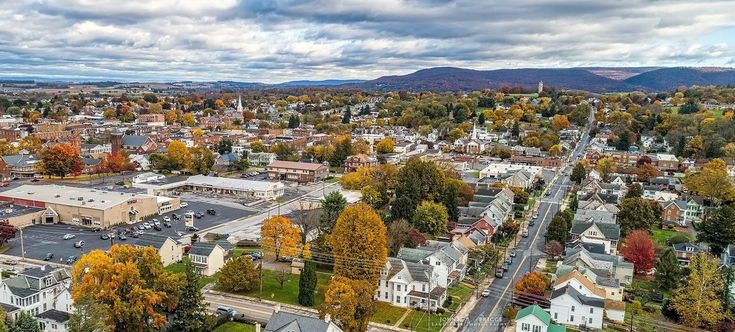
Franklin County sits in the Cumberland Valley between South Mountain and the Tuscarora ridge, where the Conococheague and Antietam Creek watersheds drain toward the Potomac. That geography drives most of the damage calls in the region.
Local Causes Restoration Crews See Most
- Creek and tributary overflow after heavy rain in low-lying Chambersburg and Waynesboro neighborhoods
- Frozen and burst supply lines in unheated crawl spaces during valley cold snaps
- Sump pump failures during power outages caused by summer thunderstorms
- Aging clay and cast-iron sewer laterals backing up into finished basements
- Wood stove, chimney and space heater fires in rural farmhouses outside the boroughs
- Roof and flashing failures on older slate and standing-seam metal roofs
Warning Signs Worth Acting On
- Musty odor in a basement or closet that returns after ventilation - a reliable mold indicator
- Tide lines, bubbling paint or efflorescence on foundation walls
- Buckling hardwood, soft spots in subfloor or cupping laminate planks
- Slow floor drains or gurgling fixtures, often the first sign of a sewer backup
- Persistent smoke odor that intensifies with humidity long after a small fire
- Unexplained water meter movement pointing to a hidden supply leak
Fast response matters here. Many local providers target arrival within one to two hours, because contaminated water and unchecked humidity turn a contained loss into a whole-floor project overnight.
Neighborhoods We Serve in Franklin County
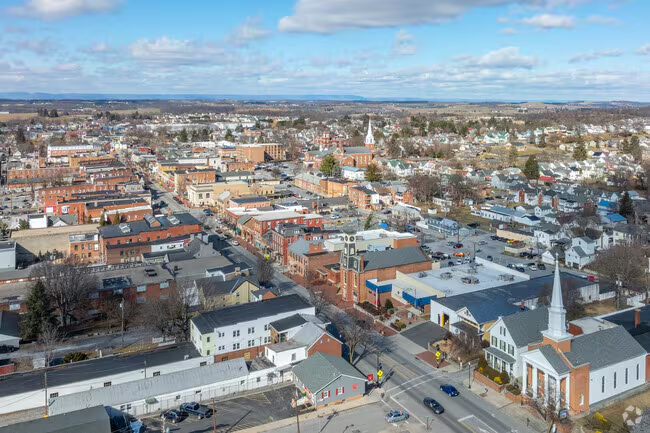
Coverage spans the entire county, from the Maryland line north to the Cumberland County border.
- Chambersburg - downtown historic district, Falling Spring, Wilson College area and surrounding townships
- Waynesboro - borough neighborhoods, Rouzerville and the South Mountain foothills
- Greencastle and Antrim Township - including corridors along Route 11 and Interstate 81
- Shippensburg - the Franklin County portion and nearby Southampton Township
- Mercersburg, Fort Loudon and Mont Alto - rural homes, farmsteads and older stone structures
- Scotland, Marion, Fayetteville and Orrstown
- St. Thomas, Guilford, Quincy and Washington Township
Crews familiar with local road networks, township permit offices and municipal authority requirements reduce delays on water, sewage and fire projects across all of these communities.
Seasonal Damage Patterns in Franklin County
Winter (December - February)
- Burst pipes in crawl spaces, garages and vacant properties during hard freezes
- Ice damming on older roofs pushing meltwater into attics and ceilings
- Peak heating fire season - furnaces, wood stoves, chimneys and space heaters
- Smoke damage from puff-back events on oil-fired boilers
Spring (March - May)
- Snowmelt and saturated ground driving basement seepage and hydrostatic pressure
- Creek-fed flooding along the Conococheague and Antietam corridors
- Sewer surcharges when heavy rain overwhelms aging collection lines
Summer (June - August)
- Mold growth accelerating in humid, poorly ventilated basements and attics
- Thunderstorm outages disabling sump pumps
- Air conditioning condensate line clogs causing hidden ceiling damage
Fall (September - November)
- Tropical remnants delivering multi-inch rainfall totals in short windows
- Clogged gutters redirecting roof water against foundations
- Early-season chimney fires as wood stoves come back online
Housing Characteristics & Restoration Considerations
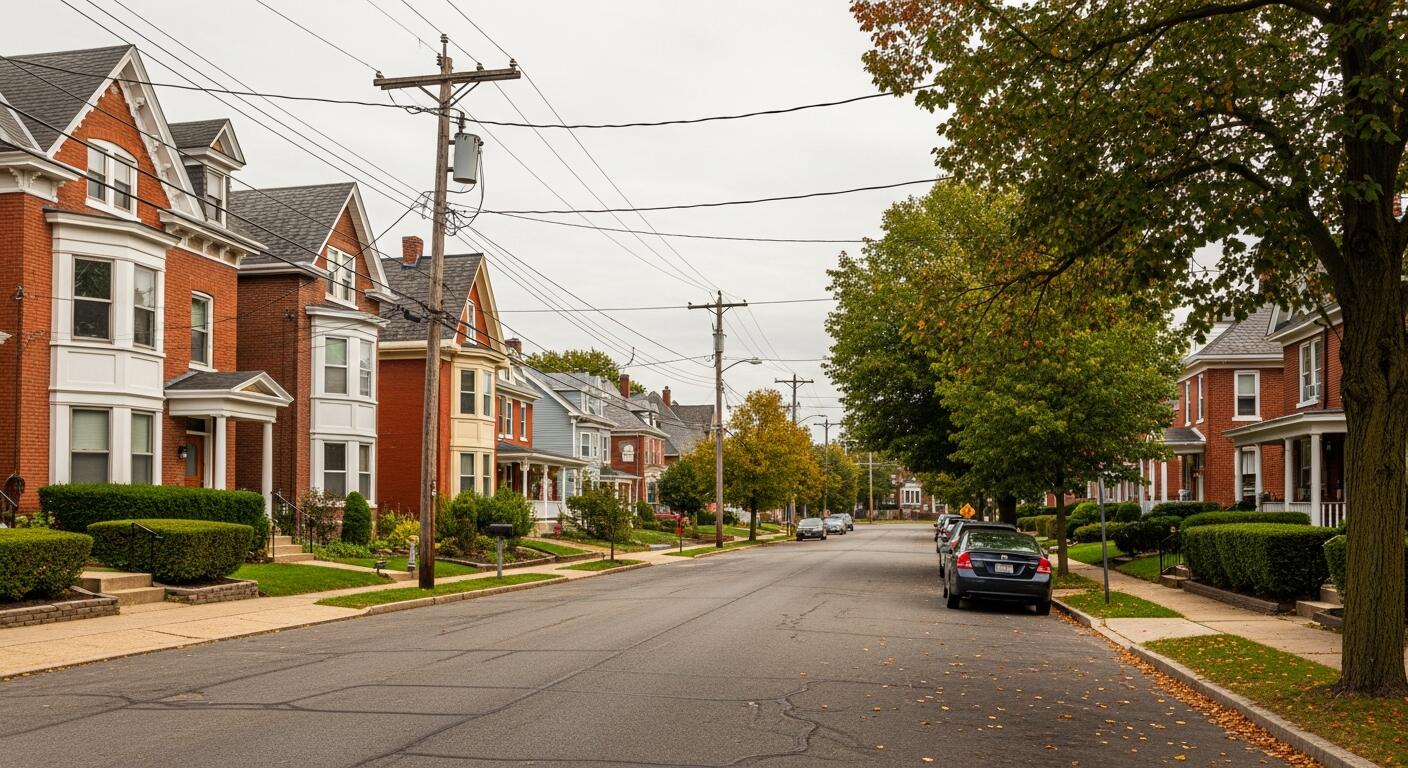
Franklin County housing stock ranges from 18th and 19th century limestone and brick structures in Chambersburg and Mercersburg to postwar ranches, 1980s split-levels and newer developments along the I-81 corridor. Each construction era changes the restoration approach.
Older Homes (Pre-1950)
- Stone and rubble foundations with lime mortar that wick moisture and complicate basement drying
- Plaster over wood lath, which holds water far longer than drywall and often requires specialized drying or controlled removal
- Balloon framing that lets smoke, soot and fire travel vertically between floors
- Possible asbestos and lead-containing materials requiring testing before demolition
- Original clay sewer laterals prone to root intrusion and backups
Mid-Century and Modern Homes
- Poured concrete basements finished as living space, raising the stakes on any water intrusion
- Crawl spaces with vapor barriers that trap moisture when improperly sealed
- Tight building envelopes that concentrate smoke odor and slow natural drying
- Attached garages and shared HVAC systems that spread soot throughout the structure
How This Shapes the Work
- Moisture mapping with thermal imaging before any material is opened
- Cavity drying and injection systems to preserve historic plaster and trim
- Negative-pressure containment for mold and sewage work in occupied homes
- Full HVAC cleaning after fire and smoke losses in ducted systems
Environmental Conditions & Damage Implications
The Cumberland Valley receives roughly 40 inches of precipitation annually, with humid summers and freeze-thaw winters - a combination that keeps building materials cycling between wet and dry.
Soil and Groundwater
- Limestone bedrock and karst geology beneath much of the valley, producing sinkholes, springs and unpredictable groundwater paths
- Clay-heavy soils in some townships that hold water against foundation walls and increase lateral pressure
- High water tables near creek corridors keeping basements chronically damp
- Private wells in rural areas requiring disinfection testing after flooding or sewage events
Air and Humidity
- Summer dew points regularly above 65 degrees, pushing indoor relative humidity into mold-friendly territory
- Agricultural dust and pollen loading that clogs filters and complicates post-fire air scrubbing
- Wood-heat and outdoor burning common in rural areas, contributing to background soot on surfaces
Practical Effects on Restoration
- Dehumidification sizing must account for high ambient moisture, not just standing water volume
- Mold containment and HEPA filtration run longer in humid months
- Karst drainage means groundwater can return through a foundation even after the surface dries
- Well and septic systems affected by flooding need separate evaluation before reoccupancy
Emergency Response and Insurance Documentation for Franklin County Property Owners
The first phone call sets the pace for everything that follows. Local providers aim for arrival within one to two hours because water migrates through building materials continuously and sewage contamination spreads with every hour of delay.
What Happens During a Typical Response
- Emergency call and dispatch - basic details on water source, affected square footage and safety hazards
- Site assessment - moisture meters, thermal cameras and hygrometers establish the true scope, including areas that appear dry
- Stabilization - water shutoff, board-up, tarping or emergency power as conditions require
- Extraction and removal - standing water pumped out, unsalvageable porous materials removed and documented
- Drying and treatment - air movers, dehumidifiers, antimicrobial application and HEPA air scrubbing
- Daily monitoring - readings logged until materials return to dry standard
- Restoration and repairs - drywall, flooring, paint, trim and content cleaning
Documentation That Supports Your Claim
- Time-stamped photos and video of pre-existing conditions and progressive damage
- Written moisture logs showing readings from every affected room, day by day
- Itemized inventory of removed materials and damaged contents
- Equipment placement diagrams and drying chamber records
- Cause-of-loss notes distinguishing sudden events from long-term seepage
What You Can Do Before Crews Arrive
- Shut off the water supply or main breaker only if it is safe to reach
- Photograph everything before moving items
- Keep people and pets away from sewage-affected areas entirely
- Avoid running HVAC after a fire, which spreads soot to unaffected rooms
- Contact your insurance carrier and note the claim number for the restoration team
Clear records give adjusters what they need and keep Franklin County homeowners from absorbing costs that belong on the claim.