Damage Restoration in Crawford County, PA
- Damage Restoration Services Overview
- Common Damage Restoration Issues in Crawford County, Pennsylvania
- Neighborhoods We Serve in Crawford County
- Seasonal Damage Patterns in Crawford County
- Housing Characteristics & Restoration Considerations
- Environmental Conditions & Damage Implications
- Storm Response and Start-to-Finish Rebuild for Crawford County Homes
Damage Restoration Services Overview
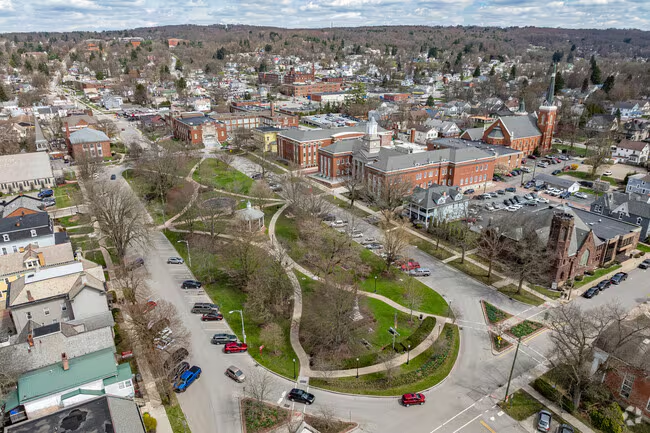
Crawford County sits at the headwaters of French Creek - one of the most biologically diverse waterways in the northeastern United States - which means nearly every home here drains toward a stream, wetland, or shallow water table. That hydrology is beautiful for anglers and paddlers, and challenging for basements, crawl spaces, and septic systems.
RestoPros is a locally operated water, mold, fire, smoke remediation and rebuild company that works on behalf of homeowners, not against them. Property damage rarely stays in one category - a burst pipe becomes mold, a chimney fire becomes smoke residue in every closet, a backed-up line becomes a biohazard.
- Water Damage Restoration - extraction, structural drying, moisture mapping, and documentation for insurance
- Flooded Basement - pump-out, contents handling, sump and drainage evaluation, dehumidification
- Sewage Cleanup - containment, removal of contaminated porous materials, antimicrobial treatment, disinfection
- Fire Damage Restoration - debris removal, soot cleaning, structural stabilization, and full rebuild
- Smoke Damage Restoration - odor neutralization, HVAC cleaning, contents restoration
- Mold Removal - containment barriers, HEPA filtration, removal of colonized material, moisture source correction
Benefits for county residents include faster drying that limits secondary damage, thorough documentation that supports claims, and a single crew that carries the project from emergency response through finished repairs.
Common Damage Restoration Issues in Crawford County, Pennsylvania
Local geography drives most of the calls we receive. Heavy clay soils, aging rural infrastructure, and a long freeze-thaw season combine to push water where it does not belong.
Leading Causes of Damage
- Snowmelt and spring rain saturating ground around foundations near French Creek, Conneaut Creek, and Woodcock Creek
- Stormwater runoff from increased development and reduced natural vegetation overwhelming drains and older sewer systems
- Severe weather events - including the EF-1 tornado confirmed in central Crawford County in June, which snapped limbs, uprooted trees, and damaged roofs across Cochranton-area roads
- Frozen and burst supply lines in unheated crawl spaces, seasonal cottages, and camp properties around Conneaut Lake and Pymatuning
- Failing septic tanks, saturated leach fields, and backed-up municipal laterals producing sewage intrusion
- Wood stoves, chimney creosote, space heaters, and older electrical panels causing fire and smoke damage
Warning Signs Worth Acting On
- Musty or earthy odor in a basement, closet, or behind furniture - often mold before anything is visible
- Efflorescence, chalky white staining, or peeling paint on block foundation walls
- Sump pump running constantly, or unusually silent during heavy rain
- Gurgling drains, slow floor drains, or sewage odor near cleanouts
- Cupping hardwood, soft drywall at baseboards, or stained ceiling tiles
- Lingering smoke smell that returns on humid days after a small kitchen or furnace puffback
Catching these early keeps a drying project from becoming a demolition and rebuild project.
Neighborhoods We Serve in Crawford County
Service extends across the full county, from lakefront cottages to farmhouses on township roads.
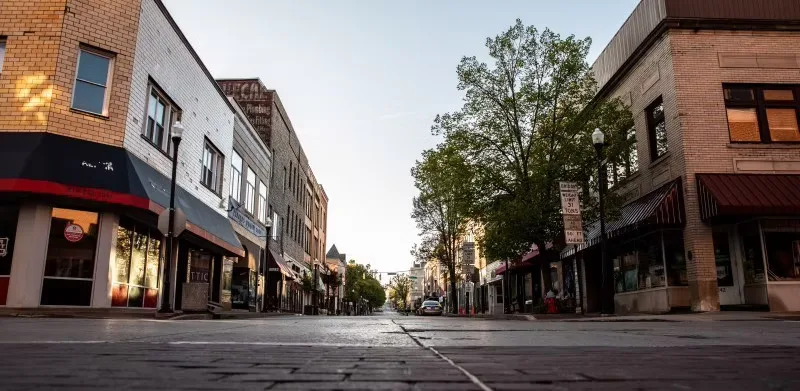
- Meadville - Downtown, North End, Terrace Street, and neighborhoods near the Allegheny College campus
- Titusville - historic homes along the Oil Creek corridor
- Conneaut Lake and Conneaut Lakeshore - seasonal and year-round lake properties
- Cochranton - including Lippert Road, Stoltz Road, and surrounding storm-affected farmland
- Linesville, Espyville, and the Pymatuning Reservoir area
- Saegertown, Cambridge Springs, Venango, and Blooming Valley
- Springboro, Conneautville, and Spartansburg
- Guys Mills, Townville, Hydetown, and Centerville
Surrounding townships - Vernon, West Mead, East Fallowfield, Hayfield, Sadsbury, and Woodcock - receive the same response, along with adjacent portions of Erie, Mercer, Venango, and Warren counties.
Seasonal Damage Patterns in Crawford County
Restoration needs shift predictably through the year, and knowing the pattern helps homeowners prepare.
- January - February: Frozen and burst pipes lead the season. Ice damming on older roofs pushes meltwater into attics and upper walls. Heating equipment and wood stove use drive furnace puffbacks, smoke damage, and chimney fires.
- March - April: Snowmelt plus spring rain saturates clay soils. Flooded basements peak, sump pumps fail under continuous load, and septic systems surcharge into lower levels.
- May - June: Severe thunderstorms and tornado-capable systems bring wind-driven rain, roof breaches, and tree strikes. Sewage backups follow heavy downpours in older collection systems.
- July - August: High humidity turns any lingering moisture into active mold growth. Crawl space condensation and central air leaks generate hidden colonization.
- September - October: Remnant tropical moisture and leaf-clogged gutters redirect water toward foundations. First furnace startups reveal soot issues.
- November - December: Holiday cooking fires, candles, and space heaters increase fire and smoke calls. Early freezes hit unwinterized lake cottages.
Housing Characteristics & Restoration Considerations
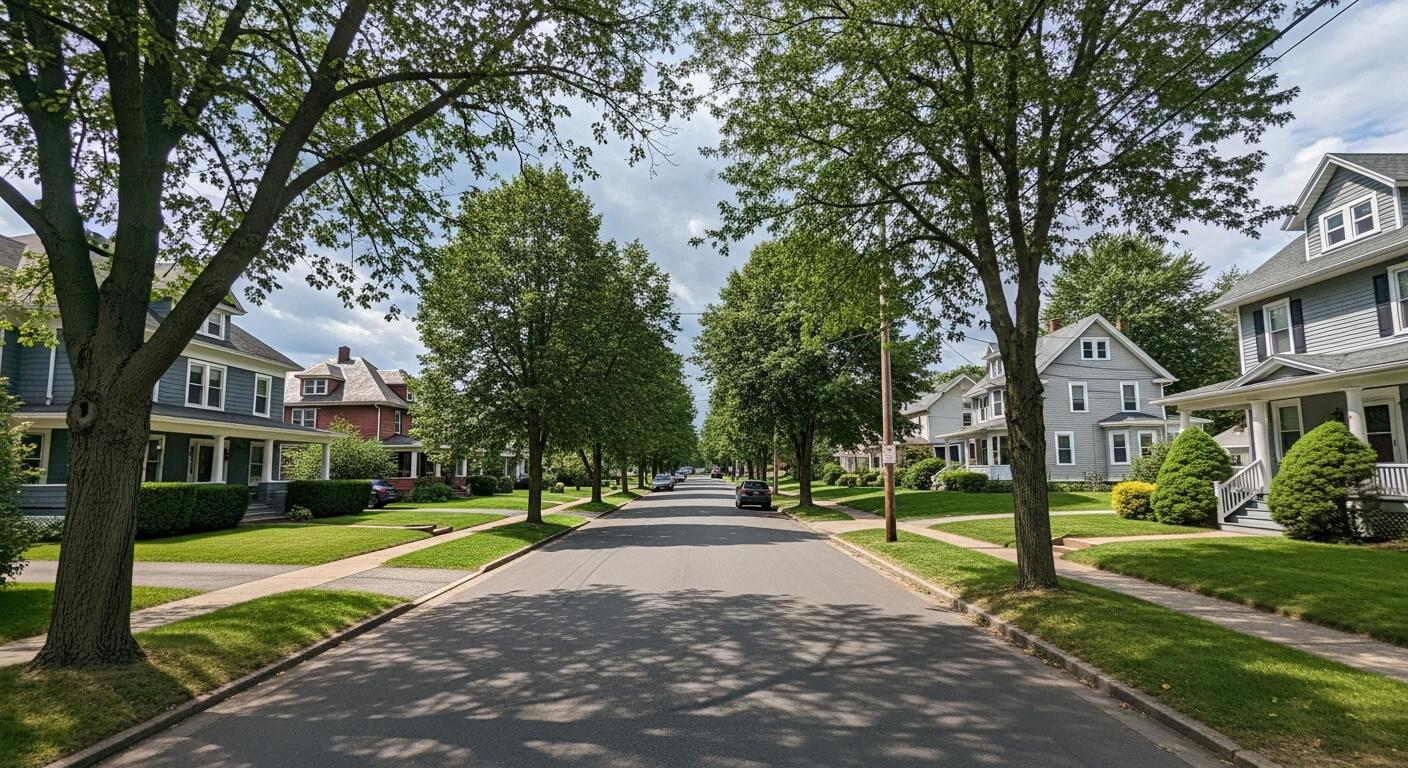
Crawford County housing stock skews older than the national average, with a large share of homes built before 1960 and a meaningful number dating to the late 1800s and early 1900s. That age shapes every restoration decision.
Common Construction Types
- Victorian and Craftsman homes in Meadville and Titusville with plaster over wood lath, balloon framing, and stone or brick foundations
- Mid-century ranches and split-levels with poured or block basements and finished lower levels
- Rural farmhouses with fieldstone cellars, dirt or partial-slab crawl spaces, and additions built across multiple decades
- Seasonal lake cottages on piers or shallow foundations with limited insulation and exposed plumbing
- Manufactured and modular homes with belly wrap that traps water beneath the floor system
How Age Affects the Work
- Plaster and lath hold water far longer than drywall, requiring injection drying and extended monitoring rather than quick demolition.
- Balloon framing lets smoke and soot travel vertically through wall cavities, so odor work must reach attics and interstitial spaces.
- Stone and block foundations wick groundwater continuously, making dehumidification and drainage correction part of any mold plan.
- Pre-1980 materials may contain asbestos or lead, so testing precedes removal of flooring, mastic, insulation, and painted trim.
- Cast iron and clay sewer laterals crack and root-intrude, which is why sewage cleanup often includes a line evaluation.
Rebuild work is matched to original profiles - trim, casings, and flooring - so repairs blend into historic interiors.
Environmental Conditions & Damage Implications
The county receives substantial annual precipitation, including heavy lake-effect snow from Lake Erie, and summer dew points regularly stay high enough to sustain fungal growth indoors without mechanical drying.
Soil and Groundwater
- Glacial till and silty clay loam drain slowly, holding water against foundation walls after storms
- High water tables near French Creek, Conneaut Creek, Oil Creek, and the Pymatuning and Woodcock impoundments raise hydrostatic pressure on basement slabs
- Rainbow Dam and other flood-reduction structures moderate river flooding but do not address localized stormwater or yard drainage
- Increased impervious surface from development means runoff no longer recharges groundwater, intensifying surface flooding
Implications for Restoration
- Drying plans must account for continuing vapor drive from damp soil, not just the initial water event.
- Mold removal without correcting grading, gutters, or sump capacity produces repeat growth within a season.
- Sewage cleanup carries added weight here because contaminated water reaching storm drains ends up in creeks used for swimming and fishing - containment protects the watershed as well as the home.
- Smoke odor lingers longer in tightly sealed, well-insulated newer builds where air exchange is limited, requiring hydroxyl or ozone treatment plus HVAC cleaning.
- Well water systems that are inundated need disinfection and testing before a home is reoccupied.
Storm Response and Start-to-Finish Rebuild for Crawford County Homes
When a line of severe storms crosses the county - like the confirmed EF-1 that tore through central Crawford County with 90 mph winds, snapping limbs, uprooting trees, and breaking a power pole - damage rarely arrives in a single category. Homeowners near Cochranton reported roof damage, barn damage, displaced campers, and lost decks along a mile-long path. Those same properties then face wind-driven rain inside open structures, power outages that stop sump pumps, and mold growth within days.
A fragmented response makes that worse. Separate vendors for tarping, drying, cleaning, and carpentry means gaps, delays, and finger-pointing over what the policy covers.
How a Single-Source Project Runs
- Emergency stabilization - roof tarping, board-up, tree and debris removal, and power-independent extraction equipment
- Assessment and documentation - moisture mapping, thermal imaging, photo logs, and a written scope built for adjuster review
- Water and sewage remediation - extraction, removal of contaminated porous materials, antimicrobial application, and controlled structural drying
- Fire and smoke work - soot removal from framing and contents, HVAC duct cleaning, sealing, and odor neutralization
- Mold containment and removal - negative air, HEPA filtration, material removal, and post-remediation verification
- Reconstruction - framing, drywall or plaster repair, flooring, trim, paint, and final walkthrough
Why It Matters Locally
- One accountable crew from tarp to final coat of paint - no scheduling gaps between trades
- Insurance documentation prepared as the work progresses, protecting the homeowner's claim
- Moisture sources corrected during the rebuild so the same failure does not repeat next spring
- Crews based nearby who know township road access, well and septic systems, and older Meadville and Titusville construction
The result is a home returned to pre-loss condition with less disruption and fewer surprises along the way.