Damage Restoration in Butler County, PA
- Damage Restoration Services Overview
- Common Damage Restoration Issues in Butler County, Pennsylvania
- Neighborhoods We Serve in Butler County
- Seasonal Damage Patterns in Butler County
- Housing Characteristics & Restoration Considerations
- Environmental Conditions & Damage Implications
- The First 48 Hours: Why Response Speed Shapes Butler County Restoration Outcomes
Damage Restoration Services Overview
You head downstairs to grab something from the storage shelves and hear a squish underfoot. The carpet pad is soaked, the air smells damp, and water is still trickling in along the foundation wall. Situations like this unfold every week across Butler County - sometimes from a burst supply line, sometimes from a kitchen fire, sometimes from a sewer backup nobody saw coming.
Property damage rarely stays contained. Water wicks into drywall, smoke residue settles into HVAC ductwork, and mold colonies take hold in the dark corners of a basement within days.
Our restoration work in Butler County covers the full range of emergency and recovery needs:
- Water Damage Restoration - extraction, structural drying, moisture mapping, and content recovery
- Flooded Basement - pump-out, sump system evaluation, and below-grade dehumidification
- Sewage Cleanup - removal of contaminated materials, disinfection, and odor neutralization
- Fire Damage Restoration - debris removal, structural stabilization, and rebuild coordination
- Smoke Damage Restoration - soot removal, thermal fogging, and duct cleaning
- Mold Removal - containment, HEPA filtration, remediation, and moisture source correction
Key benefits for local property owners include faster drying that limits secondary damage, documentation that supports insurance claims, and technicians who know how Western Pennsylvania construction responds to moisture and heat.
Common Damage Restoration Issues in Butler County, Pennsylvania
Located in the heart of Butler County, our restoration team recognizes the specific weather patterns and risks that properties face in this region. Freeze-thaw cycles, clay-heavy soil, and older municipal sewer infrastructure combine to create predictable trouble spots.
Frequent Causes of Damage Locally
- Frozen and burst pipes in unheated crawlspaces, garages, and older farmhouse additions
- Hydrostatic pressure pushing groundwater through foundation cracks and cove joints
- Sump pump failures during extended power outages from ice and wind storms
- Combined or aging sanitary sewer lines backing up during heavy rainfall
- Wood stove, fireplace, and space heater fires during long heating seasons
- Kitchen grease fires that spread soot through entire floor plans
- Chronic humidity in stone and block basements feeding mold growth
Warning Signs Worth Acting On
- Efflorescence - white chalky residue - on basement block walls
- Musty odors that intensify after rain or when the HVAC runs
- Buckling hardwood, bubbling paint, or drywall that feels soft near the baseboard
- Slow floor drains or gurgling sounds from toilets and laundry standpipes
- Yellow-brown staining on ceilings above bathrooms or laundry rooms
- Lingering smoke odor weeks after a small fire, especially in closets and upholstery
- Unexplained allergy symptoms that improve when occupants leave the house
Rural properties on well water and septic systems face additional risks, since a failed septic field or a flooded wellhead introduces contamination that requires full sewage-grade sanitation rather than standard water cleanup.
Neighborhoods We Serve in Butler County
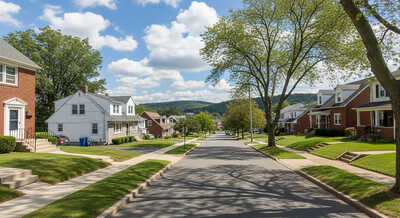
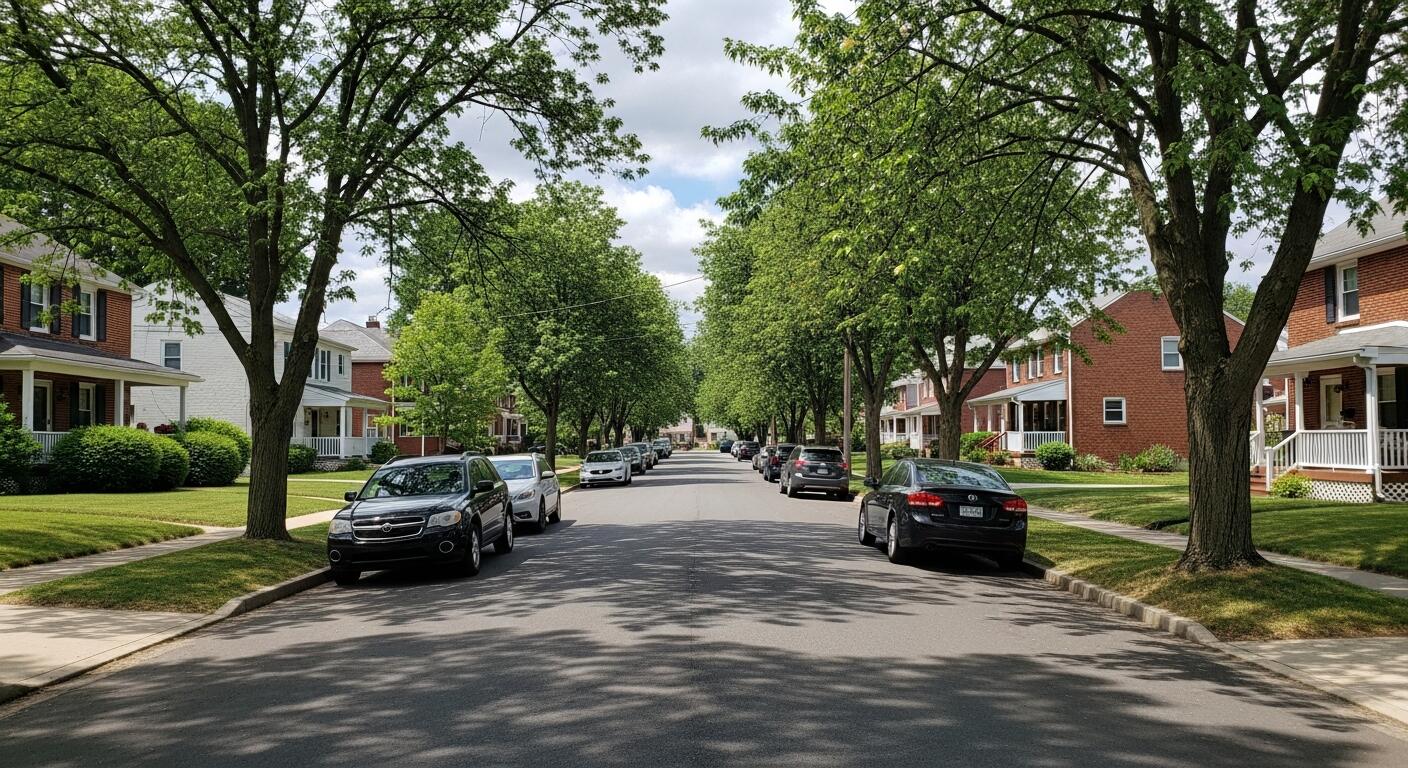
Response teams cover the county from the boroughs to the outlying townships.
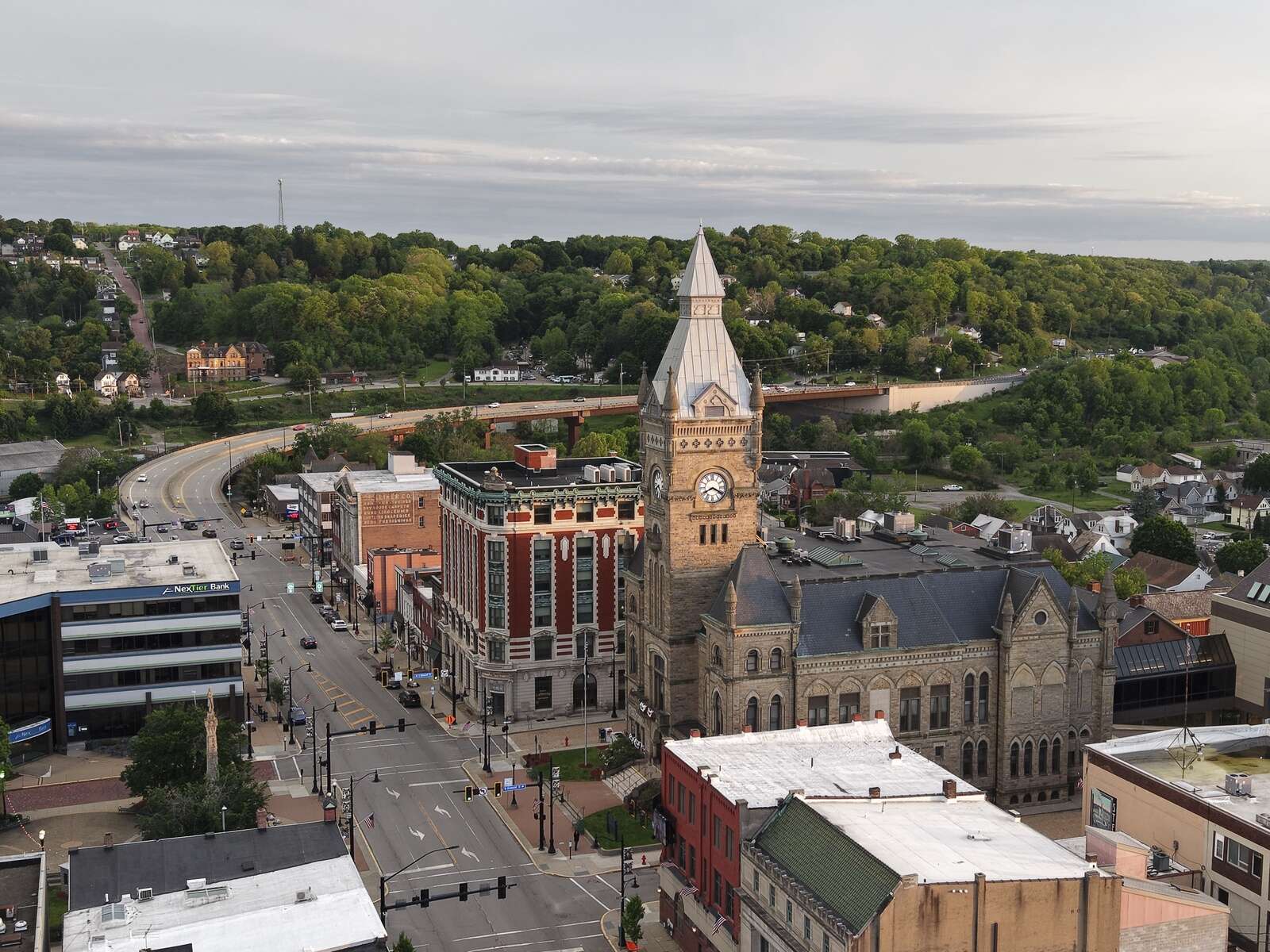
- Butler City - including the Institute Hill, Island, and North End areas with their older housing stock
- Cranberry Township - newer subdivisions along Route 19 and Freedom Road
- Zelienople and Harmony - historic districts near the Connoquenessing Creek corridor
- Mars, Adams Township, and Valencia - fast-growing residential developments
- Saxonburg, Slippery Rock, and Prospect - borough properties and surrounding farmland
- Evans City, Chicora, Karns City, and Petrolia - smaller communities in the eastern and central county
- Portersville, Renfrew, Lyndora, and Meridian - plus rural addresses throughout Penn, Center, Clinton, and Buffalo Townships
Coverage extends toward the Allegheny, Beaver, Armstrong, and Lawrence County lines, including commercial corridors, apartment complexes, churches, and light industrial facilities.
Seasonal Damage Patterns in Butler County
Winter (December - February)
- Frozen pipe ruptures during sustained sub-freezing stretches
- Ice damming along north-facing roof edges pushing meltwater into attics
- Peak season for heating-related fire and smoke damage
Spring (March - May)
- Snowmelt combined with saturated ground driving flooded basement calls
- Sewer backups when heavy rain overwhelms lines
- Mold growth accelerating as temperatures climb above 60 degrees
Summer (June - August)
- Thunderstorm downpours and lightning strikes causing both water and fire damage
- Power outages disabling sump pumps
- High dew points feeding mold in basements, crawlspaces, and closed-up vacation properties
Fall (September - November)
- Clogged gutters and leaf-blocked downspouts redirecting water to foundations
- Remnants of tropical systems bringing multi-inch rainfall
- First furnace and chimney firings exposing neglected flues and creating puff-back smoke damage
Scheduling gutter cleaning, sump pump testing, and chimney inspection ahead of each shoulder season prevents a large share of these losses.
Housing Characteristics & Restoration Considerations
Butler County housing spans well over a century of building practices, and each era responds differently to water, fire, and microbial growth.
Common Construction Types
- Pre-1940 farmhouses and borough homes - stone or rubble foundations, balloon framing, plaster over wood lath
- Post-war ranches and Cape Cods - block foundations, hardwood over subfloor, limited insulation
- 1970s - 1990s split-levels - partially finished lower levels, paneling, and carpeted concrete slabs
- Modern Cranberry and Adams Township builds - poured walls, engineered lumber, tight envelopes, and finished basements
How Age Affects Restoration
- Balloon framing lets fire, smoke, and moisture travel vertically between floors, so inspection must extend well beyond the visible damage zone
- Plaster and lath holds moisture longer than drywall and requires extended drying with targeted airflow
- Stone and block foundations wick groundwater continuously, making dehumidification and vapor management central to mold removal
- Older homes may contain asbestos-backed flooring or lead paint, requiring testing before demolition
- Finished basements hide saturated insulation behind framed walls - drilling and cavity drying is often necessary
- Tight modern envelopes trap smoke odor and humidity, so HVAC cleaning and pressure-controlled containment matter more
Many county properties also rely on private wells and septic systems. Sewage cleanup at these addresses includes evaluating whether the system itself failed, not just sanitizing the interior.
Environmental Conditions & Damage Implications
Western Pennsylvania's humid continental climate shapes nearly every restoration decision made in the county.
Climate Factors
- Roughly 40 inches of annual precipitation, spread fairly evenly across the calendar
- Significant winter snowfall followed by rapid thaw events
- Summer dew points regularly in the 60s, keeping indoor relative humidity elevated
- More than 100 freeze-thaw cycles per year stressing foundations and pipes
Soil and Groundwater
- Clay-rich glacial and residual soils drain slowly and expand when saturated
- Rolling terrain channels runoff toward homes built on hillsides and in hollows
- High seasonal water tables near Connoquenessing and Slippery Rock Creek watersheds
- Legacy oil, gas, and coal activity in some areas can affect groundwater and require careful water testing after flooding
Air Quality and Indoor Impact
- Seasonal pollen and regional particulate levels increase filtration demands during smoke damage cleanup
- Radon is common throughout the region - basement work should account for existing mitigation systems
- Hard water with high mineral content leaves scale that shortens water heater and supply line lifespan
These conditions mean drying targets set for a dry climate simply do not apply here. Equipment sizing, dehumidifier grain-depression readings, and post-remediation verification all get calibrated to local humidity baselines so moisture does not rebound after crews leave.
The First 48 Hours: Why Response Speed Shapes Butler County Restoration Outcomes
What happens in the first two days after a loss determines whether a property needs drying or full reconstruction. Butler County's humidity gives mold a head start that dry-climate properties never face.
A Structured Emergency Sequence
- Safety assessment - electrical hazards, structural stability, and contamination category are evaluated before anyone enters
- Source control - shutting off supply lines, tarping roofs, or stopping the sewer backup at its origin
- Extraction and debris removal - truck-mounted extraction for standing water, controlled demolition of unsalvageable material
- Moisture mapping - thermal imaging and penetrating meters document how far water traveled behind walls and under flooring
- Drying and stabilization - air movers, LGR dehumidifiers, and daily moisture logs until materials hit dry standard
- Sanitation and deodorization - antimicrobial application, HEPA vacuuming, hydroxyl or ozone treatment for smoke odor
- Verification and rebuild planning - post-remediation testing, then coordination on repairs and refinishing
Details That Separate Thorough Work From Surface Cleanup
- Pulling base trim and drilling weep holes rather than assuming wall cavities dried on their own
- Inspecting the HVAC system after any fire, since ductwork redistributes soot for months
- Treating sewage losses as Category 3 throughout - including subfloor removal where contamination penetrated
- Checking sill plates, rim joists, and insulation in basements where mold hides out of sight
- Photographing and logging every affected material for the insurance file
- Identifying and correcting the moisture source so mold does not return next spring
Certified crews are available around the clock across the county, and documentation is prepared in a format adjusters expect - which keeps claims moving while your property dries.