Damage Restoration in Centre County, PA
- Damage Restoration Services Overview
- Common Damage Restoration Issues in Centre County, Pennsylvania
- Neighborhoods We Serve in Centre County
- Seasonal Damage Patterns in Centre County
- Housing Characteristics & Restoration Considerations
- Environmental Conditions & Damage Implications
- Emergency Response and Storm Readiness Across Centre County
Damage Restoration Services Overview
You come home to State College after a long weekend, open the basement door, and hear water running where no water should be. A supply line let go days ago, and now the carpet squishes underfoot and the air smells like a damp cellar. That single moment can involve four different restoration disciplines at once - extraction, structural drying, contents cleaning, and mold prevention.
Centre County property owners face a wide spread of damage scenarios, and the full range of restoration work covers each one:
- Water damage restoration - burst pipes, failed water heaters, appliance overflows, roof and window leaks
- Flooded basement recovery - sump pump failure, hydrostatic pressure through block walls, storm runoff
- Sewage cleanup - backed-up laterals, septic surcharge, floor drain overflow in older homes
- Fire damage restoration - structural cleaning, board-up, contents pack-out and deodorization
- Smoke damage restoration - soot removal from ductwork, walls, and porous materials after even small kitchen fires
- Mold removal - containment, remediation, and correcting the moisture source behind the growth
The benefit of handling all of these under one roof is simple: water problems become mold problems, and fire problems become water problems from suppression efforts. Addressing the whole chain of damage at once protects the building envelope, the contents inside, and the health of everyone living there.
Common Damage Restoration Issues in Centre County, Pennsylvania
Centre County sits in a valley-and-ridge landscape where limestone bedrock, sinkhole-prone soils, and creek corridors combine to push water toward foundations. Bald Eagle Creek, Spring Creek, and Penns Creek all have a history of overtopping banks, and the county's emergency services teams have run flood rescues in places like Howard when heavy rain stacks up fast.
Frequent causes of loss across the county include:
- Frozen and burst pipes in unheated crawl spaces, garages, and rental properties left vacant over winter break
- Sump pump failures during power outages that accompany summer thunderstorms and winter ice events
- Groundwater intrusion through block foundations sitting on karst limestone that channels water unpredictably
- Sewer and septic backups when saturated ground overwhelms drain fields or municipal lines surcharge
- Heating-related fires from wood stoves, pellet stoves, and chimneys in rural townships
- Cooking and electrical fires in older student housing and multi-unit buildings near campus
Warning signs worth acting on immediately:
- A musty odor in the basement or along the lowest level of the home
- Tide lines, bubbling paint, or staining on drywall and baseboards
- Cupping hardwood floors or soft spots in subfloor
- Gurgling floor drains or slow fixtures on the lowest level
- Lingering smoke odor that returns on humid days after a fire
- Unexplained allergy or asthma symptoms that improve when you leave the house
Neighborhoods We Serve in Centre County
Coverage spans the entire county, from the borough core out to the rural townships where response times matter most.
- Centre Region: State College, College Township, Ferguson Township, Patton Township, Harris Township, Halfmoon Township
- Boroughs and villages: Bellefonte, Boalsburg, Pine Grove Mills, Lemont, Pleasant Gap, Centre Hall, Millheim, Aaronsburg, Rebersburg
- Northern county: Philipsburg, Port Matilda, Snow Shoe, Howard, Milesburg, Unionville, Julian
- Penns and Brush Valleys: Spring Mills, Coburn, Woodward, Madisonburg
- Surrounding areas: nearby communities in Clinton, Blair, Huntingdon, Clearfield, and Mifflin counties
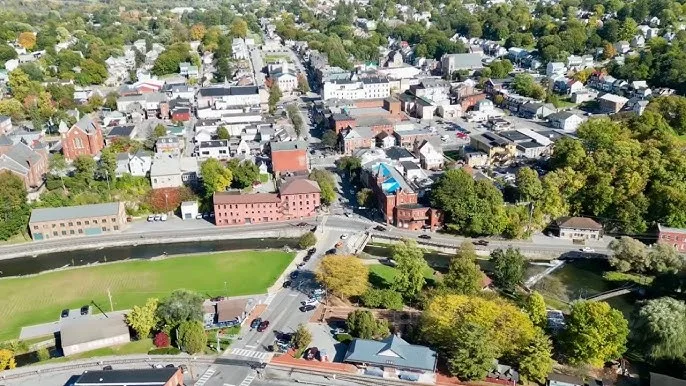
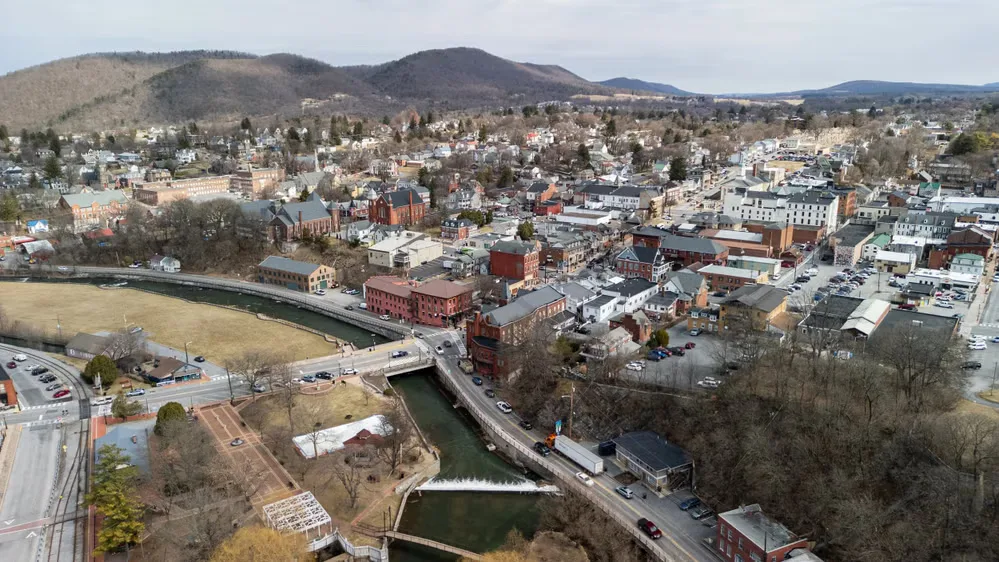
Each area brings its own conditions - campus-adjacent rentals with heavy occupancy, historic Bellefonte homes with stone foundations, farmhouses on private septic in the valleys, and mountain properties in Snow Shoe and Philipsburg where winter freeze events hit hardest.
Seasonal Damage Patterns in Centre County
Damage calls follow a predictable rhythm tied to Central Pennsylvania weather.
- December through February: peak season for frozen and burst pipes, ice dams pushing meltwater under shingles, and chimney and space heater fires. Smoke damage calls climb alongside heating use.
- March and April: snowmelt plus spring rain saturates ground, driving flooded basements, sump pump overload, and septic and sewer backups.
- May and June: rising humidity turns spring moisture into visible mold growth in basements, crawl spaces, and behind furniture on exterior walls.
- July and August: severe thunderstorms bring flash flooding along creek corridors, wind-driven rain through roofs and windows, and lightning-related fires. Power outages disable sump pumps.
- September and October: remnants of tropical systems can deliver several inches of rain in a day; humidity drops but attic and crawl space mold from summer becomes apparent.
- November: first hard freezes catch outdoor spigots and unprotected lines; fireplaces and flues return to service without cleaning, raising fire risk.
Housing Characteristics & Restoration Considerations
Centre County's housing stock spans nearly two centuries, and building age directly shapes how restoration is performed.
- Pre-1940 homes in Bellefonte, Millheim, and Philipsburg often have stone or brick foundations, plaster-and-lath walls, and balloon framing. Water wicks vertically through wall cavities, and fire and smoke travel fast through unblocked stud bays.
- Mid-century ranches and split-levels commonly have block basements, finished rec rooms, and original galvanized or copper supply lines nearing end of life.
- 1970s-1990s housing may contain paneling, carpeted basements, and fiberglass batts that hold moisture and support mold after even minor flooding.
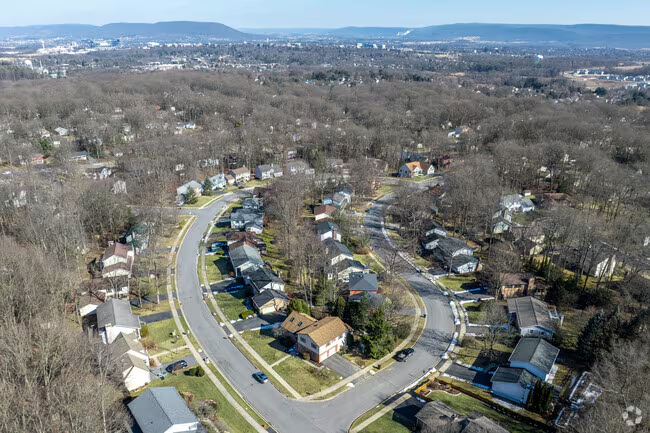
- Newer builds in Ferguson, Patton, and Harris townships are tighter and better insulated, which slows natural drying and makes controlled dehumidification more important.
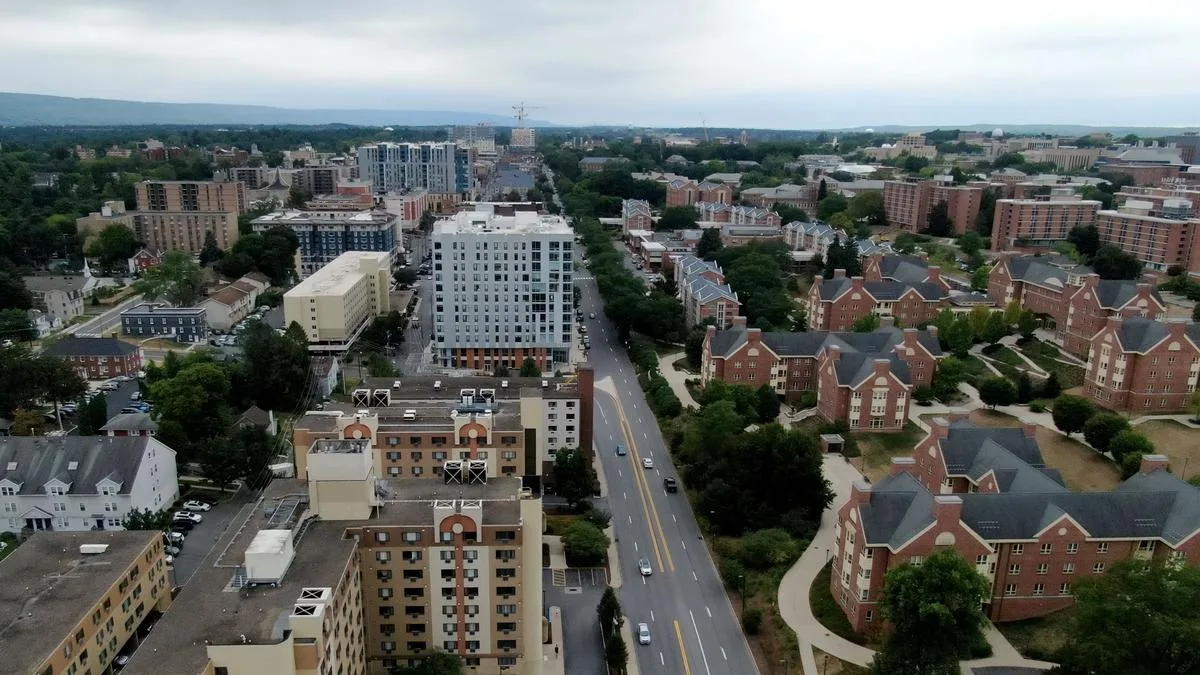
- Student rentals and multi-unit buildings near campus see heavy fixture use, frequent overflow incidents, and shared plumbing stacks that spread sewage losses across units.
Practical implications for restoration work:
- Older plaster and horsehair walls may be salvageable with targeted drying rather than demolition.
- Homes built before the late 1970s require caution around asbestos-containing materials and lead paint during fire and water demolition.
- Finished basements almost always need carpet pad removal, base trim removal, and cavity drying rather than surface drying alone.
- Log, timber-frame, and farmhouse structures in the valleys need moisture mapping across dense wood members before equipment placement.
Environmental Conditions & Damage Implications
The county's karst geology and humid continental climate create conditions that reward fast drying and punish delay.
- Limestone bedrock and sinkholes: water moves through fractures and solution channels rather than draining evenly, so one property can flood while a neighbor stays dry. Foundation seepage often appears in unpredictable spots.
- Annual precipitation near 40 inches plus significant winter snowfall keeps soil moisture high through much of the year.
- Summer dew points in the 60s and 70s push indoor relative humidity above the level where mold colonizes damp drywall, insulation, and stored contents.
- Hard, mineral-rich groundwater from limestone aquifers leaves scale on fixtures and can accelerate pinhole leaks in aging copper lines.
- Private wells and on-lot septic across rural townships mean a flooded yard can contaminate both the water supply and the home interior, elevating sewage cleanup to a health hazard response.
- Clay-heavy and shale-derived soils on ridge slopes shed runoff toward foundations instead of absorbing it.
These conditions affect every service. Fire and smoke residues become acidic and corrosive faster in humid air, etching metal and glass. Mold spores present in the outdoor environment year-round only need moisture and a food source to establish indoors. Sewage-contaminated materials in a damp basement stay biologically active far longer than they would in dry climates, which is why containment, antimicrobial treatment, and verified drying targets matter more than a quick surface cleanup.
Emergency Response and Storm Readiness Across Centre County
When storms leave their mark, the first hours decide how much of your property is saved. Centre County's Office of Emergency Services plans for prevention, mitigation, preparedness, response, and recovery - and property owners benefit from applying the same framework at the household level, backed by a restoration crew that can mobilize quickly.
What fast response accomplishes:
- Extraction before water migrates into wall cavities, subfloor, and adjacent rooms
- Salvage of hardwood, cabinetry, and structural framing that would otherwise need replacement
- Interruption of mold growth, which can begin within a day or two on wet organic materials
- Neutralizing acidic soot before it permanently etches appliances, fixtures, and finishes
- Isolation of sewage contamination before it spreads across occupied living space
A typical emergency sequence:
- Make the site safe - shut off power to affected circuits, stop the water source, and evacuate if structural or air quality hazards exist.
- Rapid assessment - moisture mapping with meters and thermal imaging to find hidden saturation behind walls and under flooring.
- Water extraction and debris removal - truck-mounted and portable units pull standing water; unsalvageable porous materials come out.
- Containment and cleaning - negative air, HEPA filtration, and antimicrobial or soot-specific cleaning depending on the loss type.
- Structural drying - air movers and dehumidifiers run to documented moisture targets, with daily readings recorded.
- Deodorization and reconstruction - odor treatment, then rebuilding finishes so the space returns to normal use.
Preparation helps too. Keep gutters and downspouts clear, test your sump pump before spring and again before summer storms, add a battery or water-powered backup, install a backflow valve if your home has a history of sewer backup, and photograph rooms and valuables now so documentation exists before anything happens. Programs like Ready PA and FEMA's Ready.gov offer household planning resources worth reviewing ahead of storm season.