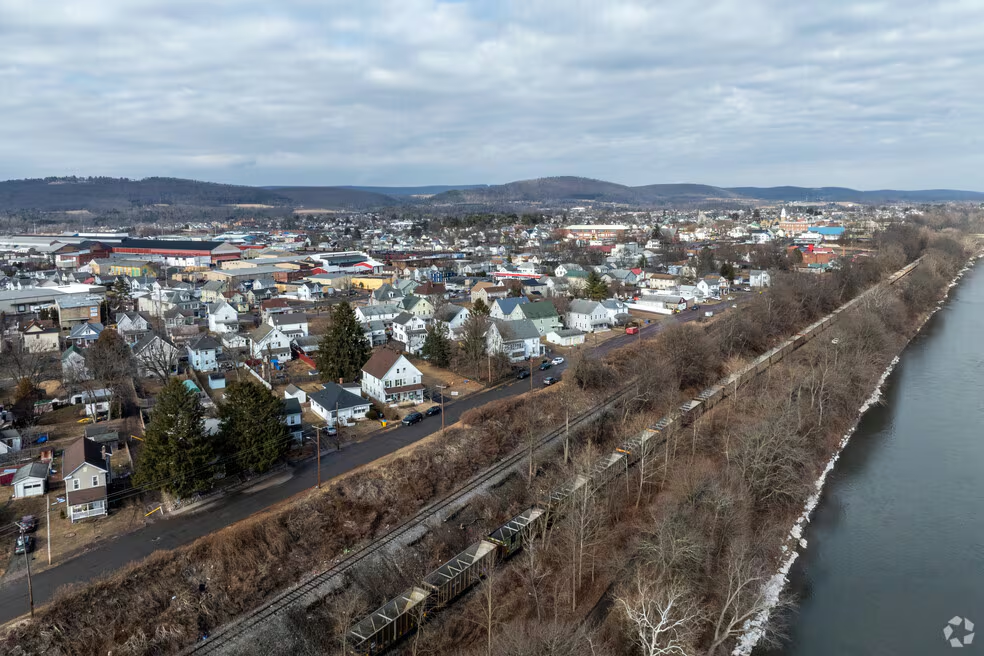
Damage Restoration in Columbia County, PA
- Damage Restoration Services Overview
- Common Damage Restoration Issues in Columbia County, Pennsylvania
- Neighborhoods We Serve in Columbia County
- Seasonal Damage Patterns in Columbia County
- Housing Characteristics & Restoration Considerations
- Environmental Conditions & Damage Implications
- Flood Response Along the Susquehanna and Fishing Creek Corridors
Damage Restoration Services Overview
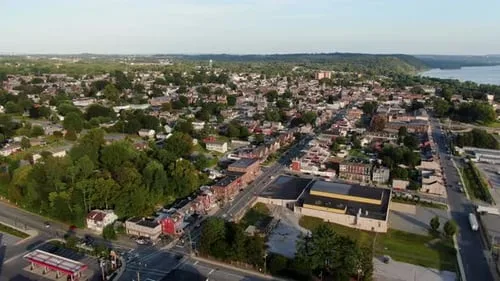
You come home to Bloomsburg after a weekend away, open the basement door, and hear water running where no water should be. A supply line let go sometime Saturday, and now three inches of standing water covers the floor, the furnace, and everything you had stored in cardboard boxes. Property emergencies in Columbia County rarely announce themselves.
Restoration work covers a wide span of situations, and most homeowners here encounter at least one over the course of owning a property along the Susquehanna corridor.
- Water Damage Restoration - extraction, structural drying, and moisture mapping after burst pipes, roof leaks, or appliance failures
- Flooded Basement - pump-out, content triage, and drying of below-grade spaces after river rise, sump failure, or groundwater intrusion
- Sewage Cleanup - removal of contaminated material, disinfection, and safe disposal after backups or septic overflow
- Fire Damage Restoration - debris removal, structural stabilization, and rebuilding after flame and heat damage
- Smoke Damage Restoration - soot removal, odor neutralization, and treatment of surfaces the fire never touched
- Mold Removal - containment, remediation, and correcting the moisture source that fed the growth
Acting quickly limits secondary damage. Wet drywall wicks moisture upward, soot becomes acidic and etches metal and glass, and mold colonies establish themselves in damp cavities faster than most people expect.
Common Damage Restoration Issues in Columbia County, Pennsylvania
Geography drives much of the damage pattern here. The North Branch Susquehanna cuts through the county, Fishing Creek and Catawissa Creek feed into it, and the valley floor holds a large share of the housing stock.
Flood and Water Exposure
- Historic flooding remains part of local memory - Hurricane Agnes dropped 11.63 inches of rain on Bloomsburg, pushed the river gauge past 31 feet, and caused more than $183.8 million in county damage in 1972 dollars
- Flash flooding along smaller tributaries reaches homes that sit outside mapped floodplains
- Hillside runoff and landslide-prone slopes push water and sediment against foundations
- Sump pump failure during multi-day rain events is a leading cause of flooded basements
Sewage and Drainage Problems
- Municipal line surcharging during heavy rain forces wastewater back through floor drains
- Rural septic systems saturate when the water table rises, backing up into lower levels
- Older clay laterals crack under root pressure and soil movement
Fire, Smoke, and Mold Warning Signs
- Wood stoves and supplemental heating raise winter fire risk in rural townships
- Kitchen fires leave smoke residue that travels through ductwork into untouched rooms
- Lingering smoke odor that returns on humid days signals residue still trapped in porous materials
- Musty smells, cupped flooring, dark staining at baseboards, and allergy symptoms that ease when you leave the house all point toward hidden mold
Severe storms and confirmed tornado activity in the broader region have also produced sudden roof breaches that let water into finished spaces overnight.
Neighborhoods We Serve in Columbia County
Coverage extends across the county's boroughs, townships, and outlying rural properties.
- Bloomsburg - downtown, the university district, and riverfront properties along the Susquehanna
- Berwick - older residential blocks, Foundryville, and nearby Briar Creek
- Catawissa and Mifflinville - creek-adjacent homes and historic housing stock
- Millville, Orangeville, and Benton - Fishing Creek valley communities
- Espy, Lightstreet, and Almedia - low-lying neighborhoods with recurring water exposure
- Stillwater, Jerseytown, and Numidia - rural properties on well and septic systems
- Elysburg, Aristes, and Centralia area - southern county and mountain communities
Surrounding service also reaches into neighboring Montour, Luzerne, Northumberland, and Sullivan county lines for properties on the border.
Seasonal Damage Patterns in Columbia County
Winter (December - February)
- Frozen and burst pipes in crawl spaces, exterior walls, and unheated vacation properties
- Ice damming along north-facing roof edges forcing meltwater under shingles
- Peak heating season fire risk from wood stoves, space heaters, and chimney creosote
Spring (March - May)
- Snowmelt combined with rain raising creek and river levels
- Flooded basements as saturated soil pushes groundwater through foundation cracks
- Sewage backups when systems take on more volume than they can carry
Summer (June - August)
- Tropical remnants and thunderstorm complexes delivering flash flooding
- High humidity accelerating mold growth in basements and closed-up rooms
- Wind-driven rain entering through storm-damaged roofing
Fall (September - November)
- Late-season tropical systems tracking up the Susquehanna valley
- Clogged gutters from leaf fall redirecting water toward foundations
- First-fire-of-the-season chimney and furnace incidents producing smoke damage
Housing Characteristics & Restoration Considerations
Columbia County housing skews older than the national median, with a heavy concentration of homes built before 1960 and a notable share of nineteenth-century structures in Bloomsburg, Berwick, and Catawissa. That age shapes every restoration decision.
Common Construction Types
- Balloon-framed Victorians and farmhouses with open wall cavities that let water and smoke travel between floors
- Stone and rubble foundations that hold moisture and resist conventional sealing
- Post-war ranches and Cape Cods with block basements and finished lower levels
- Manufactured and modular homes, which storm survey scales identify as the most vulnerable to wind damage
- Converted barns, outbuildings, and rural properties with well and septic infrastructure
How Age Affects the Work
- Plaster and lath hold water far longer than drywall and need extended, monitored drying rather than immediate demolition
- Homes built before 1978 may contain lead paint, and pre-1980 construction may include asbestos in flooring, insulation, or duct wrap - both require careful handling during demolition
- Knob-and-tube or early wiring complicates fire damage assessment and rebuild planning
- Original hardwood, trim, and millwork often warrant restoration instead of replacement
- Dirt-floor and partial basements common in older rural homes create persistent humidity that feeds mold
- Additions built over multiple decades produce mismatched materials that dry at different rates
Documenting these conditions before work begins protects both the structure and the insurance claim.
Environmental Conditions & Damage Implications
Local climate and ground conditions influence how quickly damage spreads and how long drying takes.
Climate
- Humid continental pattern with roughly 40 inches of annual precipitation spread fairly evenly across the year
- Summer dew points that keep indoor relative humidity high without mechanical dehumidification
- Freeze-thaw cycling that widens foundation cracks season after season
- Valley fog and cool overnight temperatures that slow natural evaporation
Soil and Groundwater
- Glacial and alluvial deposits along the river valley drain slowly and hold water against foundations
- Shale and limestone bedrock in upland areas produces shallow soil and rapid surface runoff
- Landslide-susceptible slopes identified in county hazard mapping can shift drainage patterns after heavy rain
- High seasonal water tables stress sump systems and septic drain fields
Air and Water Quality Effects
- Elevated indoor humidity gives mold spores the conditions they need within a couple of days of a water event
- Smoke residue combines with humidity to reactivate odor long after visible cleaning
- Private well contamination becomes a concern when floodwater or sewage reaches the wellhead
- Agricultural runoff can add biological load to floodwater entering low-lying homes
Because of these conditions, drying plans here often call for longer dehumidification cycles and moisture verification inside wall cavities rather than surface readings alone.
Flood Response Along the Susquehanna and Fishing Creek Corridors
Properties within the river and creek corridors face a category of water damage that behaves differently from a broken pipe. Floodwater arrives contaminated, carries sediment, and sits long enough to saturate materials completely.
What Makes Flood Response Different
- Category 3 water contains sewage, agricultural runoff, fuel, and bacteria, requiring disposal of porous materials rather than drying
- Silt and mud left behind hold moisture and organic matter that feed mold if not fully removed
- Insulation, particleboard, and carpet padding rarely survive submersion
- Mechanical systems - furnaces, water heaters, electrical panels - need evaluation before reenergizing
Typical Response Sequence
- Confirm the structure is safe to enter and utilities are shut off at the source
- Extract standing water with pumps sized to the volume and access conditions
- Remove mud, debris, and unsalvageable contents, documenting everything for the claim
- Perform controlled demolition of saturated drywall, insulation, and flooring to expose cavities
- Apply antimicrobial treatment to framing, block, and stone surfaces
- Set air movers and dehumidifiers, then monitor moisture readings daily until materials reach dry standard
- Address odor and residual contamination before any rebuilding starts
Steps Homeowners Can Take Ahead of Time
- Move stored belongings off basement floors and onto shelving or pallets
- Test the sump pump before spring and keep a battery backup available
- Install backflow prevention on floor drains if your home has experienced backups
- Photograph finished spaces and mechanical equipment while everything is intact
- Keep gutters and downspout extensions clear and discharging well away from the foundation
Agnes reshaped how this county thinks about river flooding, and every significant storm since has reinforced the value of a fast, organized response.