Damage Restoration in Fayette County, PA
- Damage Restoration Services Overview
- Common Damage Restoration Issues in Fayette County, Pennsylvania
- Neighborhoods We Serve in Fayette County
- Seasonal Damage Patterns in Fayette County
- Housing Characteristics & Restoration Considerations
- Environmental Conditions & Damage Implications
- Storm Response, Documentation, and Insurance Support in Fayette County
Damage Restoration Services Overview
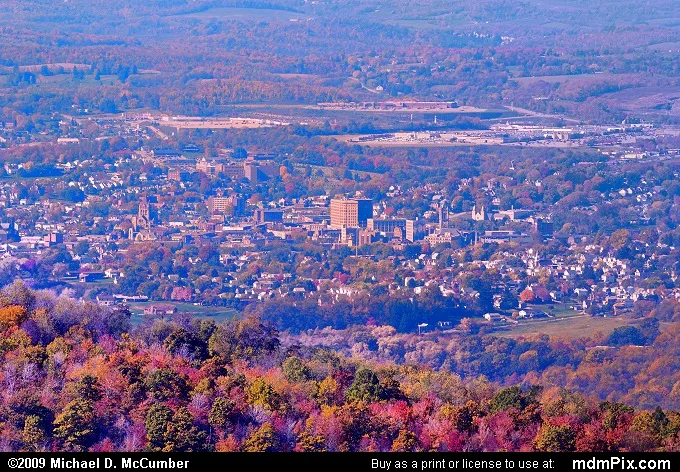
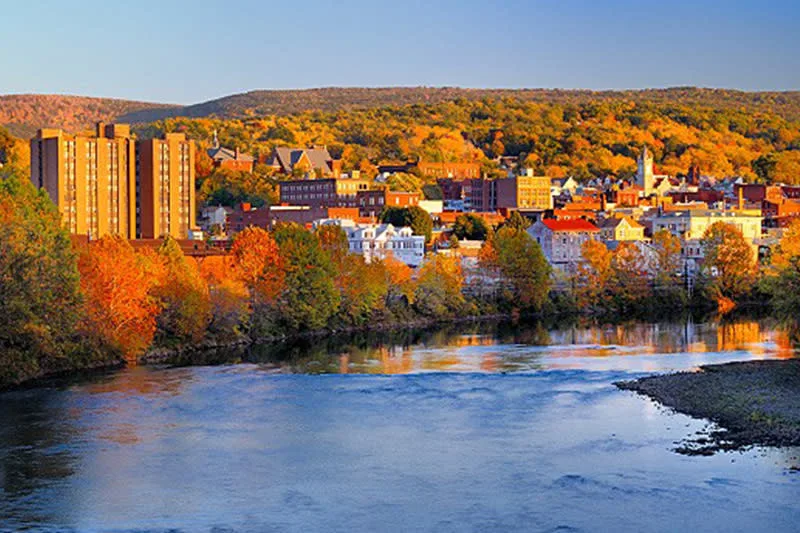
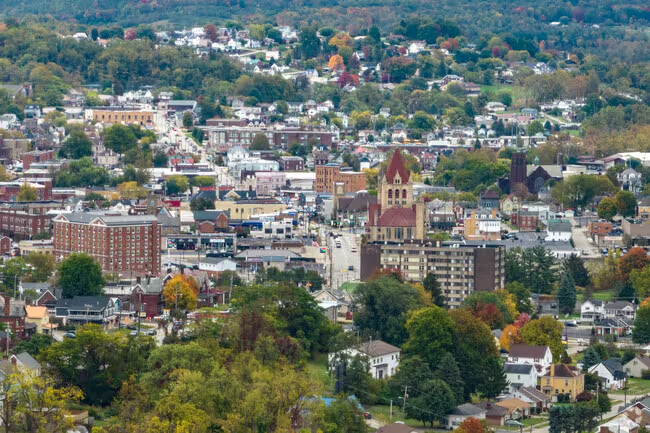
Fayette County sits where the Laurel Highlands meet the Monongahela River valley, and that geography shapes nearly every restoration call in the region. Steep terrain funnels runoff toward homes in Uniontown, Connellsville, and Brownsville, while older housing stock and aging municipal sewer lines add complications that newer suburbs simply do not face.
Property owners here need a restoration partner who understands both the water and the walls it soaks into. Full-service response covers the entire damage spectrum:
- Water Damage Restoration - extraction, structural drying, and moisture mapping after burst pipes, appliance failures, and storm intrusion
- Flooded Basement - pump-out, content triage, and drying of block foundations common throughout the county
- Sewage Cleanup - containment, removal of contaminated porous materials, and antimicrobial treatment after backups
- Fire Damage Restoration - structural stabilization, debris removal, and rebuild coordination
- Smoke Damage Restoration - soot removal from framing and HVAC systems plus odor neutralization
- Mold Removal - containment, HEPA filtration, and removal of colonized building materials
The benefit of addressing these under one roof is continuity. A single team documents the loss, works directly with your insurance adjuster, and identifies hidden problems - saturated sill plates, soot inside ductwork, mold behind paneling - before they become a second claim.
Common Damage Restoration Issues in Fayette County, Pennsylvania
Severe weather drives the majority of emergency calls in this part of southwestern Pennsylvania. Thunderstorm complexes rolling off the Laurel Ridge produce heavy downpours, straight-line winds, and occasional tornado warnings that leave roofs compromised and basements underwater within hours.
Recurring Local Causes
- Flash flooding along the Youghiogheny River, Redstone Creek, and Dunlap Creek watersheds
- Hillside runoff overwhelming foundation drains on sloped Laurel Highlands lots
- Combined sewer systems in older boroughs backing up during intense rainfall
- Frozen and burst supply lines in unheated crawl spaces during January cold snaps
- Aging cast iron and clay lateral lines failing under tree root intrusion
- Wood stove, chimney, and space heater fires during long heating seasons
- Lightning strikes and electrical fires following summer storm activity
Warning Signs Worth Acting On
- Musty odors in basements or along the lowest level of split-entry homes
- Efflorescence, white chalky residue, or bubbling paint on block foundation walls
- Slow floor drains or gurgling fixtures - often the first hint of a sewer problem
- Persistent smoke odor that returns on humid days after a small kitchen or furnace fire
- Staining on ceilings below bathrooms or around chimney penetrations
- Warped baseboards, cupped hardwood, or nail pops in drywall near exterior walls
Catching these early keeps a water event from becoming a mold remediation project and keeps soot from permanently etching metal fixtures and glass.
Neighborhoods We Serve in Fayette County
Coverage extends across the county's boroughs, townships, and rural stretches, including:
- Uniontown - the county seat, with dense older housing and historic commercial blocks
- Connellsville and South Connellsville - riverfront properties along the Youghiogheny
- Brownsville and West Brownsville - Monongahela River communities with legacy infrastructure
- Masontown, Point Marion, and Fairchance - southern county boroughs
- Belle Vernon, Perryopolis, and Dawson - northern river communities
- Ohiopyle, Markleysburg, and Farmington - mountain and resort-area properties
- Smithfield, Everson, Vanderbilt, and Newell
- Township areas including North Union, South Union, Menallen, Georges, German, Bullskin, and Wharton
Surrounding regions in Greene, Westmoreland, and Somerset counties fall within the same response footprint, which matters when a single storm system affects multiple communities at once.
Seasonal Damage Patterns in Fayette County
Winter (December - February)
- Frozen and burst pipes in crawl spaces, garages, and vacant properties
- Ice damming on low-slope roofs pushing water into wall cavities
- Peak season for heating-related fire and smoke damage
Spring (March - May)
- Snowmelt combined with rainfall saturating hillside soils
- Highest volume of flooded basement and sump pump failure calls
- Sewage backups as combined systems reach capacity
Summer (June - August)
- Severe thunderstorms, straight-line wind, and tornado-related roof breaches
- Flash flooding in creek-adjacent neighborhoods
- Mold growth accelerates as humidity climbs and dew points stay high
- Lightning-caused structure fires
Fall (September - November)
- Remnants of tropical systems delivering multi-inch rainfall totals
- Clogged gutters and leaf-packed downspouts redirecting water to foundations
- Chimney and flue fires as wood stoves and fireplaces return to service
Housing Characteristics & Restoration Considerations
Much of Fayette County's housing dates to the coal and coke era through the mid-twentieth century, and that age directly changes how restoration work is performed.
Common Construction Types
- Early 1900s coal patch and mill housing with balloon framing and plaster-on-lath walls
- Post-war ranches and Cape Cods with concrete block foundations
- Split-levels and bi-levels with finished lower levels below grade
- Farmhouses on stone foundations across rural townships
- Newer builds with poured concrete basements and engineered floor systems
How Age Affects the Work
- Balloon framing creates open wall cavities that let water travel down and smoke travel up between floors - infrared scanning and cavity drying are required rather than surface drying alone.
- Plaster and lath holds moisture far longer than drywall, demanding extended dehumidification before any reconstruction.
- Block foundations wick groundwater through hollow cores, so flooded basement drying targets the block itself, not just the slab.
- Pre-1980 materials may contain asbestos or lead paint, requiring proper testing and handling before demolition.
- Knob-and-tube or ungrounded wiring found during fire damage work often needs electrical evaluation before power is restored.
- Finished lower levels with carpet, paneling, and framed walls are the highest-risk area for hidden mold after any water event.
Documenting these conditions carefully supports a cleaner insurance claim and prevents disputes over what existed before the loss.
Environmental Conditions & Damage Implications
The county's humid continental climate delivers roughly 40 to 45 inches of annual precipitation, with mountain townships often receiving more. Combined with clay-heavy soils and steep grades, that moisture has nowhere convenient to go.
Conditions That Drive Restoration Needs
- Clay and shale soils - drain slowly and hold water against foundation walls, increasing hydrostatic pressure and seepage
- Steep topography - concentrates sheet flow toward downhill structures during heavy rain
- Legacy mining ground - abandoned workings and subsidence in parts of the county can alter drainage and stress foundations
- Iron and mineral content in some groundwater leaves staining that requires specialized cleaning after basement flooding
- Summer dew points in the upper 60s - sustain indoor humidity above the 60 percent threshold where mold colonizes
- Valley temperature inversions - trap smoke odor and airborne particulate inside structures after a fire
What This Means for Your Property
- Drying targets are set using moisture content readings on actual materials, not assumptions about how long a room "should" take.
- Dehumidification equipment is sized to local grain-depression conditions rather than a generic room-square-footage formula.
- Post-fire cleaning accounts for humidity, since moisture combined with soot accelerates corrosion on metal and etching on glass.
- Mold remediation includes identifying and correcting the moisture source, or the colony simply returns the following season.
Storm Response, Documentation, and Insurance Support in Fayette County
When a squall line crosses the Laurel Ridge and multiple homes take on water in the same afternoon, the difference between a manageable loss and a gutted house is response speed paired with disciplined documentation. Water begins migrating into wall cavities within minutes, and mold growth becomes a realistic concern within 24 to 48 hours under Fayette County's warm-season humidity.
How the Response Process Works
- Emergency contact and triage - the situation is assessed by phone so crews arrive with the right extraction and drying equipment.
- Safety and stabilization - electrical hazards addressed, roofs tarped, board-up performed, and standing water contained.
- Inspection and moisture mapping - thermal imaging and penetrating meters locate water behind plaster, under flooring, and inside block cores.
- Extraction and category classification - clean water, gray water, and sewage each follow different removal and disposal protocols.
- Controlled drying - air movers and dehumidifiers placed to industry drying standards, with daily readings logged.
- Cleaning and antimicrobial application - soot removal, deodorization, and treatment of affected surfaces.
- Reconstruction - drywall, flooring, trim, and finishes restored once materials reach dry standard.
Why Documentation Protects You
- Photo and video records capture pre-mitigation conditions before demolition begins
- Daily moisture logs demonstrate that drying met recognized industry benchmarks
- Detailed scope and material inventories reduce back-and-forth with adjusters
- Category and class designations justify the removal of contaminated porous materials
- Direct communication with your carrier keeps the claim moving while you focus on your family
Technicians certified to IICRC standards for water restoration, applied structural drying, fire and smoke restoration, and mold remediation apply the same protocols whether the job is a single flooded basement in Masontown or a fire loss in Uniontown. That consistency is what protects your property investment long after the equipment comes out.