Damage Restoration in Carbon County, PA
- Damage Restoration Services Overview
- Common Damage Restoration Issues in Carbon County, Pennsylvania
- Neighborhoods We Serve in Carbon County
- Seasonal Damage Patterns in Carbon County
- Housing Characteristics & Restoration Considerations
- Environmental Conditions & Damage Implications
- Protecting Vacation Homes and Seasonal Properties in the Poconos
Damage Restoration Services Overview
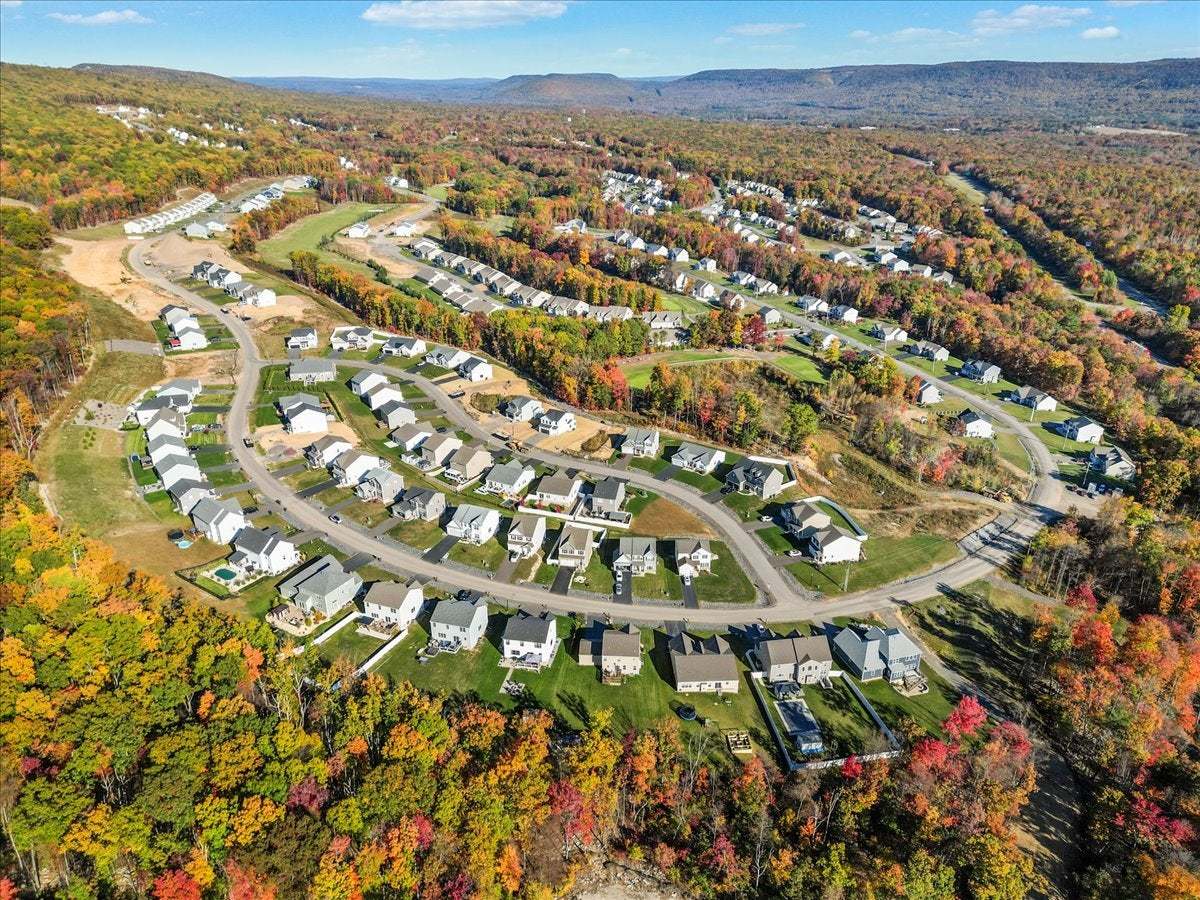
Carbon County sits at the southern gateway of the Pocono Mountains, where annual snowfall regularly exceeds 40 inches and the Lehigh River drops more than 600 feet through the gorge between White Haven and Jim Thorpe. That combination of steep terrain, heavy precipitation, and housing stock built during the anthracite boom creates restoration challenges you simply do not find in flatter parts of Pennsylvania.
Property owners from Palmerton to Albrightsville rely on a full range of emergency and remediation work:
- Water damage restoration - extraction, structural drying, and moisture mapping after pipe breaks, appliance failures, and roof leaks
- Flooded basement recovery - pump-out, content handling, and drying of stone and block foundations common in older boroughs
- Sewage cleanup - safe removal of Category 3 contamination from backups, septic failures, and lateral line collapses
- Fire damage restoration - board-up, debris removal, structural cleaning, and reconstruction coordination
- Smoke damage restoration - soot removal, thermal fogging, HVAC cleaning, and odor neutralization
- Mold removal - containment, HEPA filtration, antimicrobial treatment, and moisture source correction
Acting quickly matters. Water migrates through framing within hours, soot becomes acidic and etches surfaces within days, and mold colonies establish themselves in as little as 48 hours in a damp Carbon County cellar.
Common Damage Restoration Issues in Carbon County, Pennsylvania
The county's geography and building history drive predictable damage patterns. Homes perched on the hillsides of Summit Hill and Lansford handle runoff differently than valley properties along Mahoning Creek or the Pohopoco.
Local Causes of Loss
- Hillside runoff and hydrostatic pressure - snowmelt and thunderstorm water pushing through stone foundation walls in Nesquehoning, Jim Thorpe, and Weatherly
- Frozen and burst pipes - especially in seasonal cabins around Lake Harmony, Penn Forest, and Kidder Township that sit unheated for weeks
- Aging clay and terra cotta sewer laterals - root intrusion and joint failure causing backups in borough neighborhoods
- Septic system saturation - rural properties in Towamensing and Franklin Township where high groundwater overwhelms drain fields
- Wood stove, pellet stove, and chimney fires - a leading ignition source in mountain homes that heat with solid fuel
- Ice damming - meltwater backing up under shingles on steep-pitched roofs, soaking attic insulation and ceilings
- Mine subsidence and legacy drainage - shifting ground opening foundation cracks in former coal patch towns
Warning Signs Worth Investigating
- Musty odor in a basement or crawlspace that intensifies after rain
- Efflorescence, white chalky residue, or bubbling paint on foundation walls
- Slow drains in multiple fixtures at once - often the first hint of a lateral blockage
- Yellow or brown staining on ceilings beneath valleys and roof intersections
- Lingering campfire or burnt-plastic smell weeks after a small kitchen or furnace fire
- Warped baseboards, cupped hardwood, or tile that sounds hollow underfoot
Neighborhoods We Serve in Carbon County
Coverage extends across the county's boroughs, townships, and lake communities:
- Jim Thorpe - including the historic downtown, Mauch Chunk, and East Side
- Lehighton and Weissport - plus Mahoning Valley and Franklin Township
- Palmerton, Bowmanstown, and Parryville along the Aquashicola and Lehigh corridors
- Lansford, Summit Hill, Coaldale, and Nesquehoning in the Panther Valley
- Weatherly and Beaver Meadows in the northern reaches
- Albrightsville, Lake Harmony, and Kidder Township resort and second-home areas
- Penn Forest Township - Towamensing Trails, Holiday Pocono, and surrounding developments
- Towamensing and Lower Towamensing Townships near Beltzville Lake
Neighboring Schuylkill, Luzerne, Monroe, and Northampton County properties fall within reach as well, including areas around Tamaqua, Pottsville, and Port Carbon.
Seasonal Damage Patterns in Carbon County
- December through February - Frozen pipe breaks peak, particularly in unoccupied vacation homes. Ice dams form on north-facing roofs. Heating equipment and chimney fires cluster during extended cold snaps, bringing smoke damage that spreads through forced-air ductwork.
- March and April - Snowmelt combined with spring rain floods basements throughout the valleys. Saturated soil overwhelms sump pumps and septic drain fields. Sewage backups rise as groundwater infiltrates aging laterals.
- May through August - Humidity climbs and mold growth accelerates in cellars, crawlspaces, and cabins that stay closed up. Severe thunderstorms drive wind-driven rain and tree strikes. Lightning-caused structure fires occur most often in this window.
- September through November - Remnants of tropical systems occasionally push the Lehigh and its tributaries over their banks. Clogged gutters from leaf fall redirect water into foundations. First furnace startups reveal cracked heat exchangers and puff-back incidents that coat interiors in oily soot.
Shoulder seasons deserve attention too. Rapid temperature swings between freezing nights and mild afternoons repeatedly stress plumbing, roofing, and masonry across the county.
Housing Characteristics & Restoration Considerations
A large share of Carbon County homes predate 1940, with entire streets in Lansford, Summit Hill, and Jim Thorpe built as company housing during the anthracite era. Newer construction concentrates in Penn Forest and Kidder Township, where log homes, A-frames, and chalets serve as weekend retreats.
How Local Construction Shapes the Work
- Stone and rubble foundations - porous by nature, they hold moisture and require extended drying with specialty equipment rather than standard air movers
- Balloon framing - common in pre-1930 homes, it lets water and smoke travel vertically from basement to attic through open wall cavities
- Plaster and wood lath - absorbs soot and odor deeply, often needing sealing rather than surface cleaning
- Row and twin homes - shared walls mean a fire, backup, or leak next door frequently becomes your problem too
- Knob-and-tube and early wiring - a persistent ignition risk in unrenovated properties
- Asbestos-containing materials - pipe wrap, floor tile, and siding require careful handling during demolition in older housing
- Seasonal cabins on crawlspaces - limited insulation and long vacancies leave leaks undiscovered for weeks
Restoration planning accounts for these realities from the first walkthrough. Moisture readings taken on a 120-year-old plaster wall behave nothing like readings on modern drywall, and drying targets are set accordingly so materials are preserved wherever salvage is realistic.
Environmental Conditions & Damage Implications
Carbon County averages roughly 45 inches of precipitation annually, with mountain townships receiving noticeably more snow than the Lehigh Valley floor. Summer dew points frequently sit in the 60s, keeping indoor relative humidity elevated without mechanical dehumidification.
Conditions That Influence Restoration Outcomes
- Shale and sandstone bedrock with thin soil cover - limits absorption, so rainfall becomes surface runoff that finds foundations quickly
- Steep slopes - properties below grade cuts collect water at the uphill wall, a frequent source of chronic basement seepage
- Legacy mine pools and abandoned workings - influence groundwater levels and can carry iron-laden water into low-lying structures
- Well water with high mineral content - scales water heaters and supply lines, accelerating the corrosion that leads to sudden failures
- Heavy tree canopy - shaded north walls dry slowly and support surface mold on siding, sheathing, and interior perimeters
- Wood and pellet heating - contributes particulate that settles on surfaces and complicates post-fire odor work
These factors argue for moisture control as a permanent strategy, not a one-time repair. After extraction and drying, attention shifts to grading, gutter discharge, sump discharge routing, vapor barriers, and dehumidification sizing so the same basement does not flood again the following spring.
Protecting Vacation Homes and Seasonal Properties in the Poconos
Thousands of Carbon County homes sit empty for stretches of the year - cabins in Towamensing Trails, chalets near Lake Harmony, and family camps tucked along Penn Forest ridgelines. When a supply line lets go in one of these properties in January, water can run for days before anyone notices, turning a modest repair into a whole-structure loss with mold following close behind.
Steps That Reduce Seasonal Property Risk
- Shut off the main water supply and drain lines whenever the property will be vacant through freezing weather.
- Maintain a minimum interior temperature - a monitored thermostat with a low-temperature alert is worth far more than the electricity it saves.
- Install water sensors near the heater, washer, and any below-grade fixtures, paired with an automatic shutoff valve.
- Test the sump pump and its battery backup before spring melt begins.
- Have chimneys and stove pipes inspected and swept annually - creosote buildup remains a leading fire cause in mountain homes.
- Arrange for a neighbor, caretaker, or property manager to walk the interior after major storms and cold snaps.
- Keep gutters clear and downspouts extended well away from the foundation before leaf season ends.
What Happens When Damage Is Discovered Late
- Extended saturation means subfloor, insulation, and cabinetry removal rather than in-place drying
- Mold colonization requires containment barriers and negative air machines before any demolition begins
- Frozen sewage backups in unheated basements complicate contamination control and disinfection
- Smoke odor left untreated through summer humidity reactivates and penetrates porous materials further
Documentation matters for absentee owners. Detailed moisture logs, photo records, and equipment placement notes support insurance claims when you are managing the process from a distance, and a clear scope keeps the work moving while you are back home in the valley or the city.