
Damage Restoration in Palmerton, PA
- Damage Restoration Services Overview
- Common Damage Restoration Issues in Palmerton, Pennsylvania
- Neighborhoods We Serve in Palmerton
- Seasonal Damage Patterns in Palmerton
- Housing Characteristics & Restoration Considerations
- Environmental Conditions & Damage Implications
- Insurance Documentation and IICRC Standards for Palmerton Property Owners
Damage Restoration Services Overview
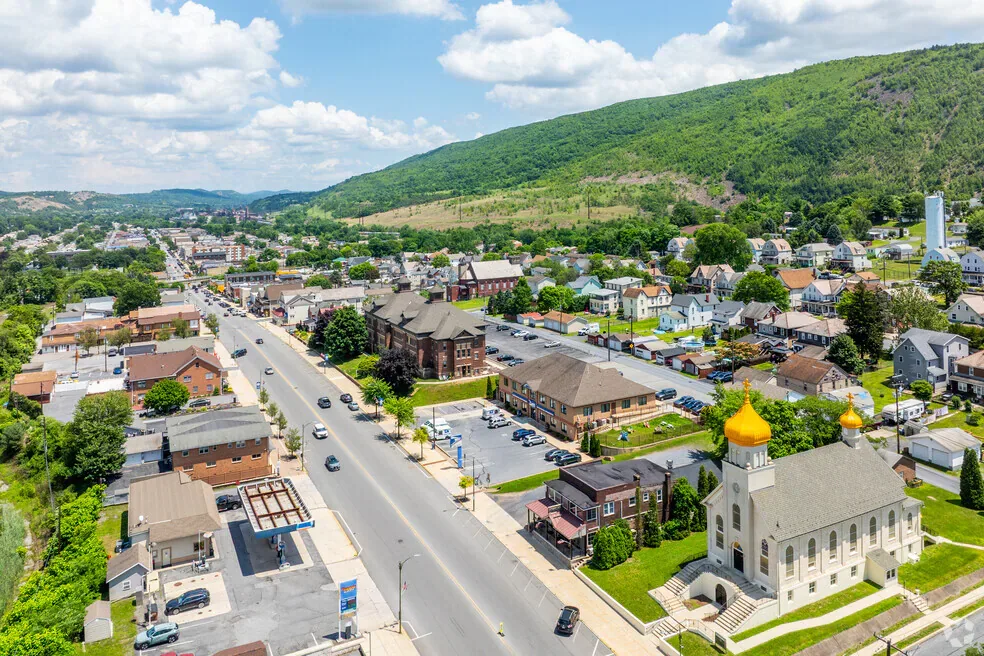
Few things rattle a homeowner like walking downstairs to standing water, or opening the door to the smell of smoke still hanging in the air. Property damage in Palmerton rarely announces itself on a convenient schedule - it arrives during a February thaw, a summer thunderstorm rolling off Blue Mountain, or overnight while the house is asleep.
Restoration work covers a connected set of services, each addressing a different stage or type of loss:
- Water Damage Restoration - extraction, structural drying, and moisture mapping after pipe breaks, appliance failures, and roof leaks
- Flooded Basement - pump-out, content removal, and drying of below-grade spaces common in older borough homes
- Sewage Cleanup - safe removal of Category 3 contaminated water, disinfection, and disposal of porous materials
- Fire Damage Restoration - debris removal, structural cleaning, and rebuilding of fire-affected areas
- Smoke Damage Restoration - soot removal, odor neutralization, and treatment of HVAC systems and contents
- Mold Removal - containment, antimicrobial treatment, and removal of colonized materials
The benefit of addressing these together is simple: damage rarely stays in one category. Water becomes mold. Fire suppression becomes water damage. Working with IICRC-certified technicians who understand those overlaps protects Palmerton properties from repeat problems and supports cleaner insurance documentation.
Common Damage Restoration Issues in Palmerton, Pennsylvania
Palmerton sits in a narrow valley between Blue Mountain and the Aquashicola Creek, with the Lehigh River just west. That geography channels runoff quickly toward homes at lower elevations, and it shapes the kinds of losses local restoration crews see most.
Frequent Causes of Damage Locally
- Aquashicola Creek and Lehigh River backwater during heavy rain and rapid snowmelt
- Hydrostatic pressure pushing groundwater through stone and block foundation walls
- Frozen and burst supply lines in unheated crawlspaces, porches, and older additions
- Ice dams on steep roofs forcing meltwater beneath shingles and into ceilings
- Municipal sewer surcharge and failing lateral lines backing up through floor drains
- Chimney, woodstove, and space heater fires during long heating seasons
- Kitchen grease fires that spread soot through open floor plans and ductwork
Warning Signs Worth Acting On
- Persistent musty odor in basements, closets, or behind finished paneling
- Tide lines, efflorescence, or peeling paint along foundation walls
- Buckling hardwood, cupping laminate, or soft spots in subfloor
- Gurgling floor drains or slow fixtures after storms
- Yellow-brown staining on ceilings below bathrooms or roof valleys
- Soot film on window glass, lampshades, or HVAC registers after a small fire
Catching these early keeps a drying job from becoming a demolition and mold remediation project.
Neighborhoods We Serve in Palmerton
Restoration response covers the borough and the surrounding Carbon County communities that share the same weather, terrain, and infrastructure challenges.
- Palmerton Borough - Delaware Avenue, Princeton Avenue, Lafayette Avenue, and the dense rows of the West End
- Aquashicola - creekside properties with elevated flood and groundwater exposure
- Lower Towamensing and Towamensing Township - rural parcels on well and septic systems
- Little Gap and Trachsville - hillside homes near Blue Mountain Resort
- Bowmanstown and Parryville - Lehigh River corridor communities
- Palmerton Heights and the East End - older company-built housing stock
- Nearby service areas - Lehighton, Slatington, Walnutport, Danielsville, and Jim Thorpe
Familiarity with these areas matters. Crews know which streets flood first, which neighborhoods sit on shared sewer laterals, and where hillside access limits equipment staging during winter storms.
Seasonal Damage Patterns in Palmerton
Damage in the Lehigh Valley foothills follows a predictable annual rhythm. Knowing what season brings helps homeowners prepare.
- December through February - Frozen pipe bursts, ice dam leaks, and chimney or heating-appliance fires peak. Smoke damage calls rise alongside woodstove use.
- March and early April - Snowmelt combined with saturated ground drives flooded basement calls. Sump pumps fail under continuous load, and sewer systems surcharge.
- May and June - Spring rains keep groundwater high. Mold growth accelerates in basements that were wet all winter but never properly dried.
- July and August - Thunderstorms bring wind-driven rain, roof leaks, and lightning-related fires. High humidity fuels rapid mold colonization on drywall and stored contents.
- September and October - Tropical remnants can dump heavy rainfall on the Aquashicola watershed. Sewage backups follow prolonged saturation.
- November - Heating systems restart after months idle, releasing dust, puff-back soot from oil furnaces, and early-season fire risk.
Housing Characteristics & Restoration Considerations
Palmerton's housing stock reflects its industrial origins. Much of the borough was built between roughly 1900 and 1930 as company housing during the zinc era, with later post-war infill and modern construction spreading into the townships.
Construction Features That Shape Restoration Work
- Stone and rubble foundations - porous and prone to seepage, requiring longer drying cycles and often dehumidification rather than simple extraction
- Full basements with coal chutes and root cellars - low ceilings, limited airflow, and hidden cavities where moisture lingers
- Wood lath and plaster walls - hold water far longer than drywall and demand controlled drying to avoid delamination
- Stucco and asbestos-shingle exteriors - trap moisture behind cladding after roof or flashing failures
- Twin and row-style homes - shared walls allow water, smoke, and odor to migrate between units
- Knob-and-tube and early wiring - requires careful power isolation before extraction begins
- Township homes on septic - drainfield saturation during wet seasons contributes to backups
Older materials also mean documentation matters. Pre-1980 homes may contain asbestos in floor tile, pipe insulation, or duct wrap, and lead-based paint on trim. Testing before demolition keeps remediation compliant and protects occupants. Attached homes need containment barriers so soot and spores do not travel to a neighbor's living space during cleaning.
Environmental Conditions & Damage Implications
Local climate and soil directly influence how quickly damage develops and how long drying takes.
- Precipitation - Carbon County averages roughly 45 to 50 inches of annual precipitation, with meaningful winter snowfall that later becomes runoff
- Summer humidity - relative humidity regularly exceeds 70 percent, keeping unconditioned basements above the moisture threshold where mold thrives
- Winter temperatures - sustained sub-freezing stretches at the base of Blue Mountain create burst-pipe conditions in exposed plumbing
- Soil composition - shale-derived and clay-heavy soils drain slowly, holding water against foundation walls after storms
- Terrain - steep slopes off Blue Mountain concentrate surface water onto valley properties within minutes of heavy rainfall
- Legacy industrial soils - the area's long-documented zinc smelting history means excavated or tracked-in soil is handled with added care during exterior water mitigation
What This Means for Restoration
Slow-draining soil extends basement drying schedules and often justifies desiccant dehumidification instead of standard refrigerant units. High summer humidity makes air scrubbing and containment mandatory during mold removal, since ambient moisture can re-seed cleaned surfaces. Well water in the townships adds a testing step after sewage cleanup, confirming the supply was not compromised. Smoke odor also behaves differently in humid conditions, reabsorbing into porous surfaces unless thermal fogging or hydroxyl treatment is used.
Insurance Documentation and IICRC Standards for Palmerton Property Owners
The hardest part of a loss often is not the water or the soot - it is proving to an insurer what happened, how much was affected, and why the recommended scope is appropriate. Palmerton's older housing stock complicates this, because adjusters may question whether staining or deterioration predates the claim.
How Proper Documentation Solves That
- Initial assessment - moisture meters and thermal imaging map the full extent of migration, including areas hidden behind plaster and beneath flooring
- Category and class determination - water is classified per IICRC S500 as clean, gray, or black, which drives whether materials can be dried or must be removed
- Photographic record - room-by-room images capture pre-existing conditions alongside new damage
- Daily monitoring logs - temperature, humidity, and material moisture readings are recorded throughout the drying period
- Equipment justification - air mover and dehumidifier counts are calculated from room volume rather than estimated
- Clearance verification - post-remediation testing confirms mold work met IICRC S520 containment and cleaning standards
Standards That Govern the Work
- IICRC S500 - water damage restoration procedures and drying science
- IICRC S520 - mold remediation containment, negative air, and removal protocols
- IICRC S700 - fire and smoke damage restoration, including soot classification and odor control
- EPA guidance - lead-safe practices for pre-1978 homes throughout the borough
Emergency response within about an hour limits secondary damage and strengthens the claim file. For Palmerton homeowners and business owners alike, that combination of rapid arrival, certified methodology, and thorough documentation is what turns a chaotic loss into a managed, insurable restoration - and keeps a dried basement from becoming next summer's mold project.





