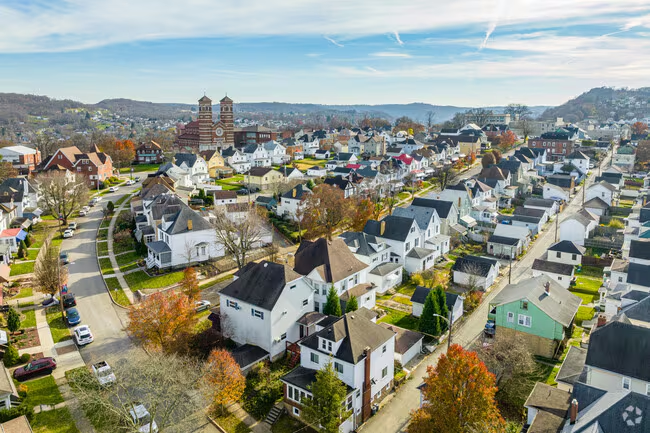
Damage Restoration in Westmoreland, PA
- Damage Restoration Services Overview
- Common Damage Restoration Issues in Westmoreland, Pennsylvania
- Neighborhoods We Serve in Westmoreland
- Seasonal Damage Patterns in Westmoreland
- Housing Characteristics & Restoration Considerations
- Environmental Conditions & Damage Implications
- Coal Mining Legacy and Restoration Challenges
Damage Restoration Services Overview
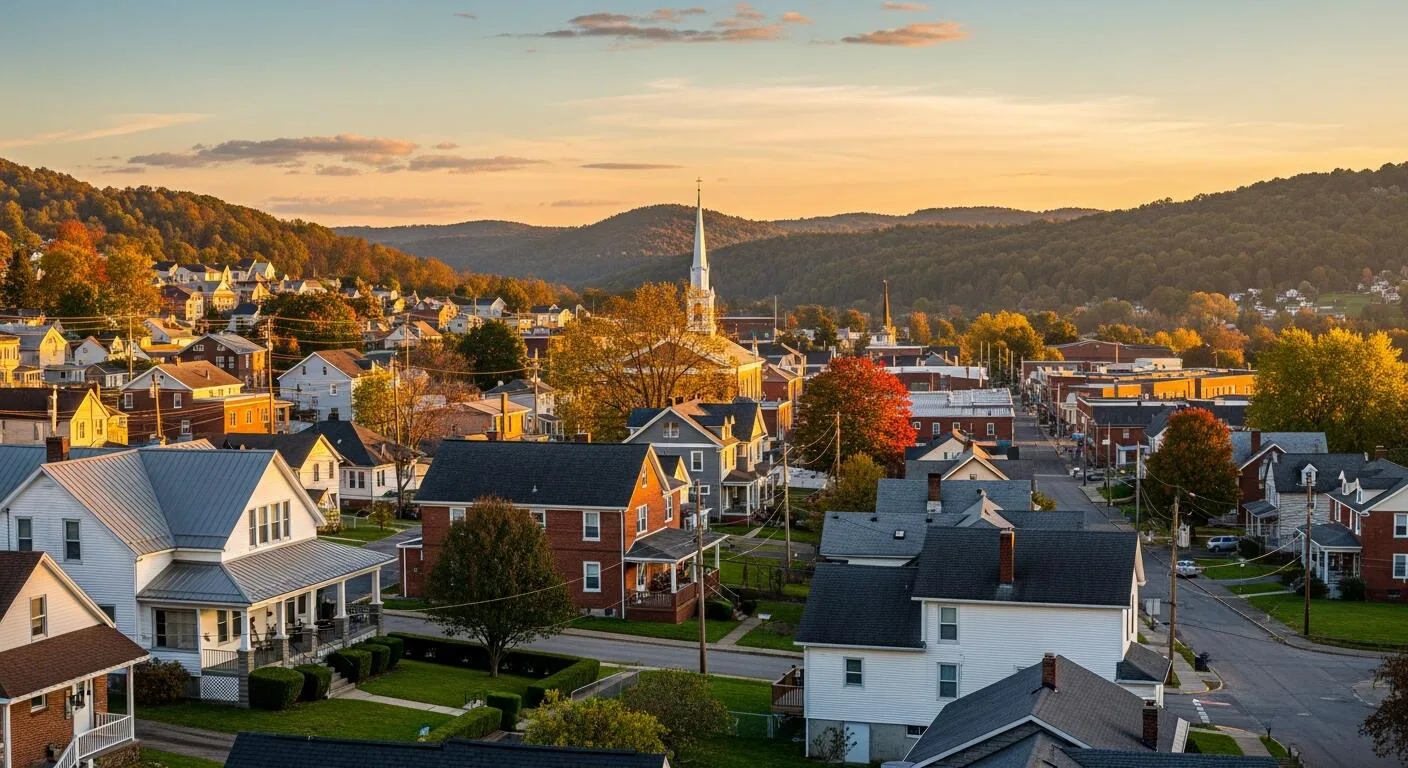
Have you ever wondered how quickly property damage can transform your safe haven into a disaster zone? Whether it's a burst pipe flooding your basement at 2 AM or discovering smoke damage after a kitchen fire, property emergencies demand immediate professional attention.
Westmoreland County residents face unique restoration challenges that require specialized expertise. Our comprehensive damage restoration services address every type of property emergency:
- Water Damage Restoration - From burst pipes to storm flooding
- Flooded Basement - Comprehensive water extraction and structural drying
- Sewage Cleanup - Safe removal and sanitization of contaminated water
- Fire Damage Restoration - Complete structural and content restoration
- Smoke Damage Restoration - Odor elimination and surface cleaning
- Mold Removal - Professional remediation and prevention strategies
These services protect your property value while ensuring your family's health and safety. Professional restoration prevents secondary damage that can cost thousands more than the original incident. With 24/7 emergency response capabilities, restoration teams can minimize damage spread and begin recovery immediately.
Common Damage Restoration Issues in Westmoreland, Pennsylvania
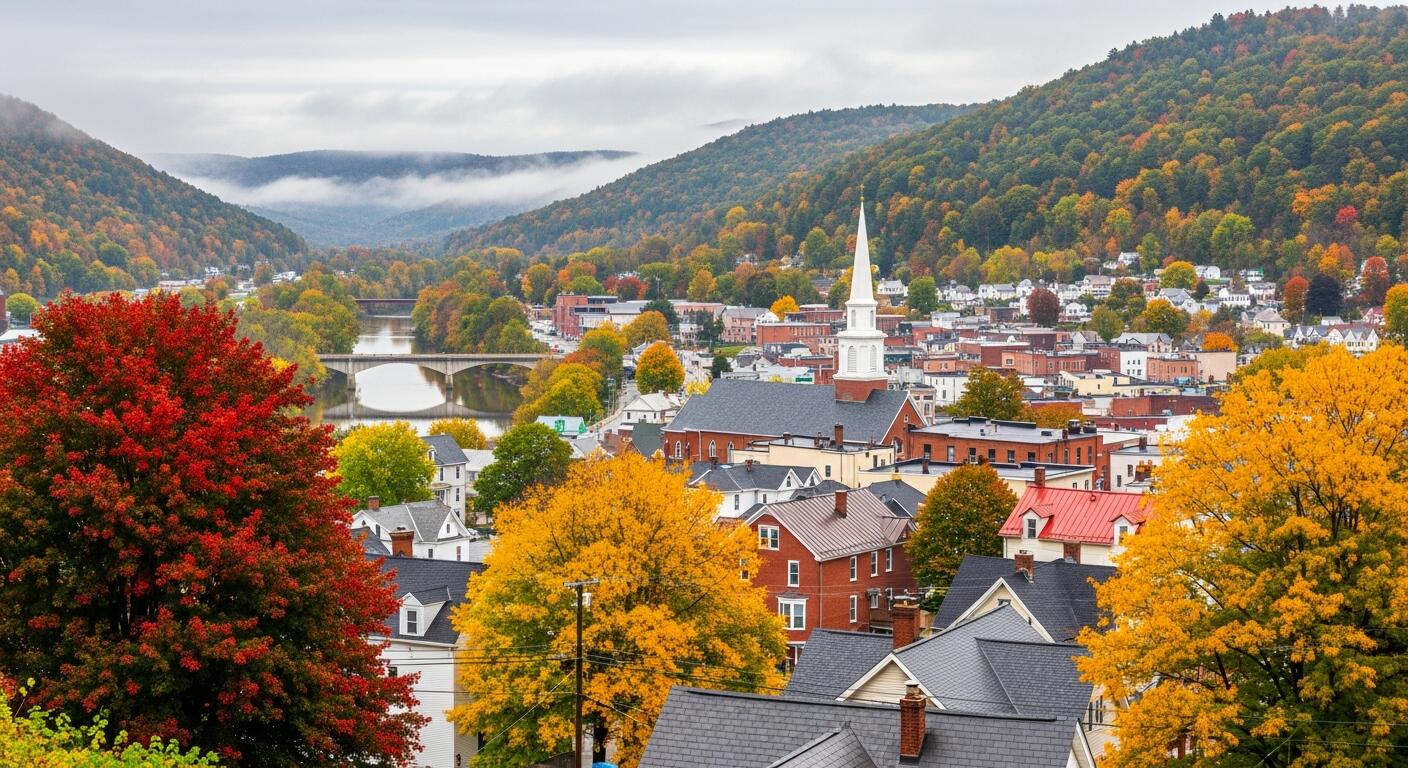
Westmoreland County's varied terrain and four-season climate create specific property damage patterns. The region's mix of older homes and newer construction faces different vulnerability factors throughout the year.
Frequent Water-Related Problems
- Basement flooding from heavy spring rains and snowmelt
- Pipe freezing and bursting during harsh winter months
- Foundation water intrusion in older homes
- Sump pump failures during storm seasons
- Sewage backups from overwhelmed municipal systems
Fire and Smoke Damage Patterns
- Chimney fires in homes with wood-burning fireplaces
- Electrical fires in aging wiring systems
- Kitchen fires from cooking accidents
- Dryer vent fires from lint accumulation
- Wildfire smoke infiltration during dry summer periods
Mold Growth Indicators
- Musty odors in basements and crawl spaces
- Visible black or green spots on walls
- Increased allergy symptoms among residents
- Warped flooring or peeling wallpaper
- Condensation problems in poorly ventilated areas
Early detection saves property owners significant money and prevents health complications. Professional assessment identifies hidden damage before it becomes a major restoration project.
Neighborhoods We Serve in Westmoreland
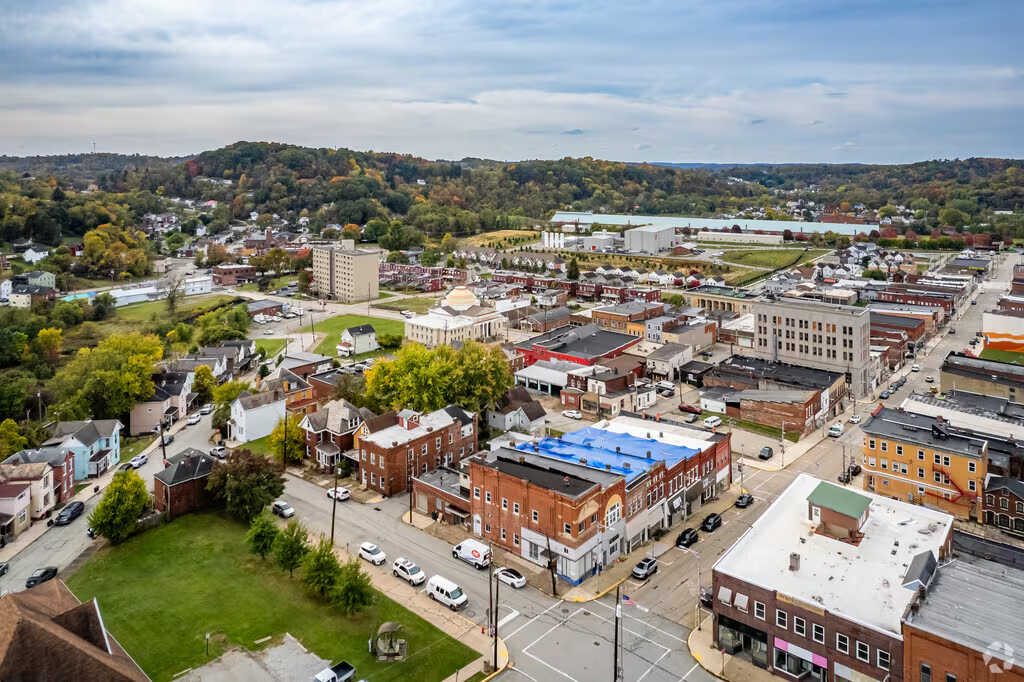
Our damage restoration services cover all of Westmoreland County and surrounding communities. Each area presents unique restoration challenges based on housing age, construction methods, and local environmental factors.
Primary Service Areas
- Greensburg and surrounding townships
- Latrobe and Unity Township
- Jeannette and Penn Township
- Mount Pleasant and Scottdale
- New Kensington and Arnold
- Monessen and Charleroi
Extended Coverage Zones
- Murrysville and Export
- Irwin and North Huntingdon
- Vandergrift and Leechburg
- Ligonier and Derry Township
- Youngwood and Southwest Greensburg
Rural properties and urban developments receive the same rapid response times and professional service standards. Our teams understand local building codes, permit requirements, and insurance procedures specific to each municipality.
Seasonal Damage Patterns in Westmoreland
Understanding seasonal damage patterns helps property owners prepare for the most common restoration emergencies throughout the year in Westmoreland County.
Spring (March - May)
- Basement flooding from rapid snowmelt and heavy rains
- Roof leaks from ice dam damage
- Mold growth in areas with winter moisture accumulation
- Sewer line backups from increased water flow
Summer (June - August)
- Storm-related water damage from severe thunderstorms
- Fire damage from lightning strikes
- Air conditioning failures leading to humidity problems
- Mold proliferation in high-humidity conditions
Fall (September - November)
- Chimney and fireplace preparation issues
- Leaf-clogged gutters causing water damage
- Early freeze damage to exposed pipes
- Smoke damage from heating system malfunctions
Winter (December - February)
- Frozen pipe bursts and subsequent flooding
- Ice dam formation causing roof leaks
- Carbon monoxide issues from heating equipment
- Increased house fires from space heaters
Housing Characteristics & Restoration Considerations
Westmoreland County's diverse housing stock ranges from historic homes built in the early 1900s to modern developments constructed within the last decade. Each era presents specific restoration challenges and opportunities.
Older Homes (Pre-1950)
- Stone and brick construction with potential foundation issues
- Plaster walls requiring specialized repair techniques
- Knob-and-tube electrical systems prone to fire hazards
- Cast iron plumbing susceptible to corrosion and blockages
- Limited insulation leading to condensation problems
Mid-Century Construction (1950-1980)
- Frame construction with drywall interiors
- Copper plumbing with potential joint failures
- Asbestos-containing materials requiring special handling
- Basement recreation rooms vulnerable to water damage
- Original electrical systems needing updates
Modern Homes (1980-Present)
- Improved building codes and moisture barriers
- PVC plumbing with fewer leak issues
- Better ventilation systems reducing mold risk
- Fire-resistant materials and improved egress
- Advanced HVAC systems with humidity control
Professional restoration teams adapt their techniques based on construction materials and building methods. Historic preservation requirements may apply to certain properties, affecting restoration approaches and material selections.
Environmental Conditions & Damage Implications
Westmoreland County's environmental conditions significantly influence property damage patterns and restoration requirements. The region's humid continental climate creates specific challenges for maintaining healthy indoor environments.
Climate Factors
- Average annual rainfall of 38 inches increases flood risk
- High humidity levels during summer months promote mold growth
- Temperature fluctuations cause expansion and contraction damage
- Snow loads up to 50 pounds per square foot stress roof structures
- Freeze-thaw cycles damage foundations and exterior surfaces
Soil and Topography
- Clay-rich soils expand and contract with moisture changes
- Hilly terrain creates drainage challenges for basements
- Underground streams and springs cause unexpected flooding
- Poor soil drainage extends water damage recovery times
- Slope instability affects foundation integrity
Air Quality Considerations
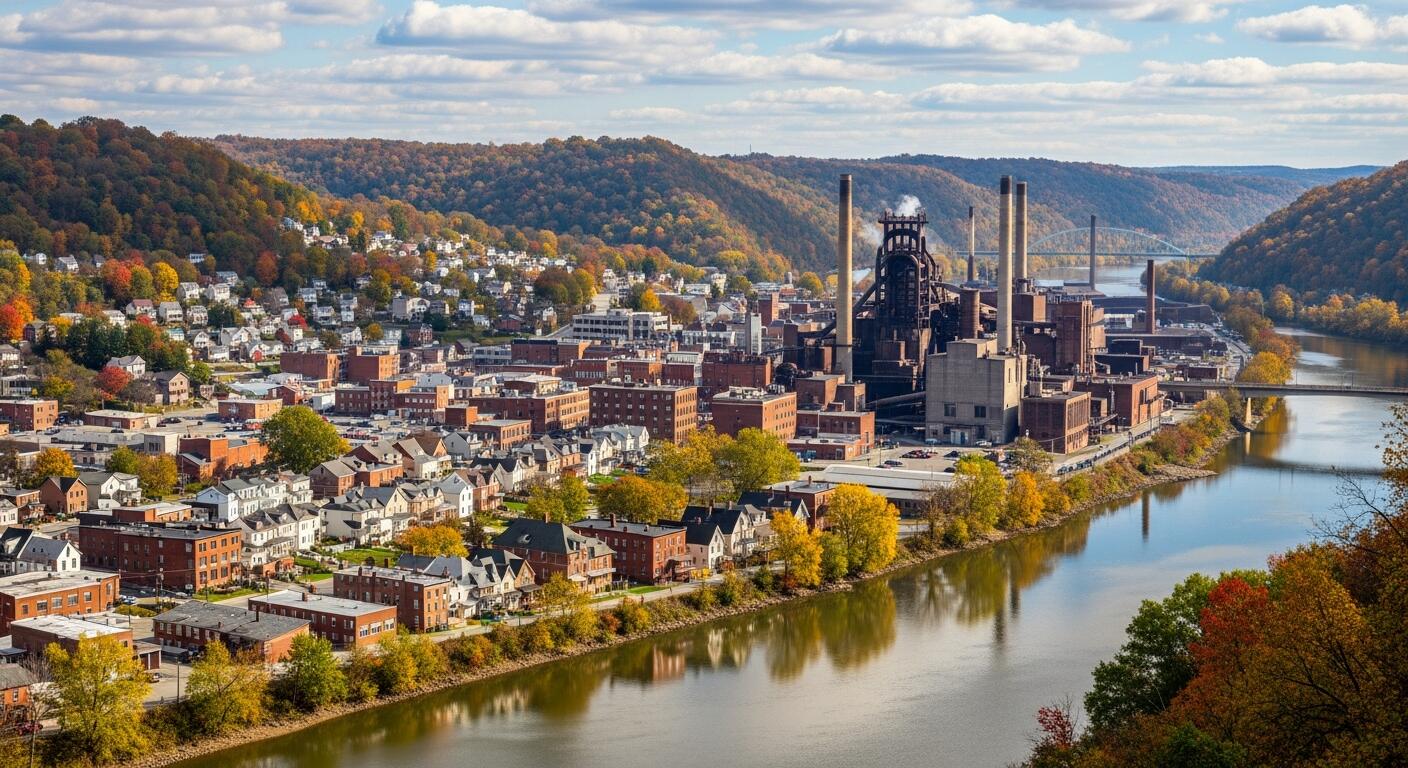
- Industrial history creates potential contamination issues
- Seasonal pollen affects indoor air quality
- Wood smoke from residential heating impacts respiratory health
- Humidity variations require specialized mold prevention
- Radon presence in some areas complicates basement restoration
Environmental testing often accompanies restoration projects to identify hidden contaminants. Professional teams use specialized equipment to monitor air quality during and after restoration work.
Coal Mining Legacy and Restoration Challenges
Westmoreland County's extensive coal mining history creates unique property damage and restoration considerations that affect both residential and commercial properties throughout the region. Underground mine subsidence, abandoned mine drainage, and legacy contamination issues require specialized restoration expertise.
Mine Subsidence Impact
- Sudden ground settlement causing foundation cracks and structural damage
- Water line breaks from shifting soil conditions
- Basement wall failures requiring emergency stabilization
- Sewer line displacement leading to contaminated water issues
- Foundation undermining requiring specialized repair techniques
Water Quality Challenges
- Acid mine drainage affecting groundwater and well systems
- Iron staining requiring specialized cleaning methods
- pH imbalances accelerating pipe corrosion and failures
- Sulfur odors requiring advanced air purification systems
- Heavy metal contamination necessitating careful disposal procedures
Restoration Adaptations
- Reinforced foundation systems designed for unstable ground
- Specialized waterproofing techniques for contaminated soil
- Advanced filtration systems for water damage restoration
- Environmental testing protocols during mold removal projects
- Coordinated efforts with Pennsylvania DEP for compliance
Professional restoration teams working in Westmoreland County maintain specialized training and equipment for mining-related damage scenarios. These complex situations often require coordination with geological engineers, environmental specialists, and state regulatory agencies to achieve proper restoration standards while protecting occupant health and safety.