Damage Restoration in Venango County, PA
- Damage Restoration Services Overview
- Common Damage Restoration Issues in Venango County, Pennsylvania
- Neighborhoods We Serve in Venango County
- Seasonal Damage Patterns in Venango County
- Housing Characteristics & Restoration Considerations
- Environmental Conditions & Damage Implications
- Working With Insurance and Industry Standards on Older Venango County Homes
Damage Restoration Services Overview
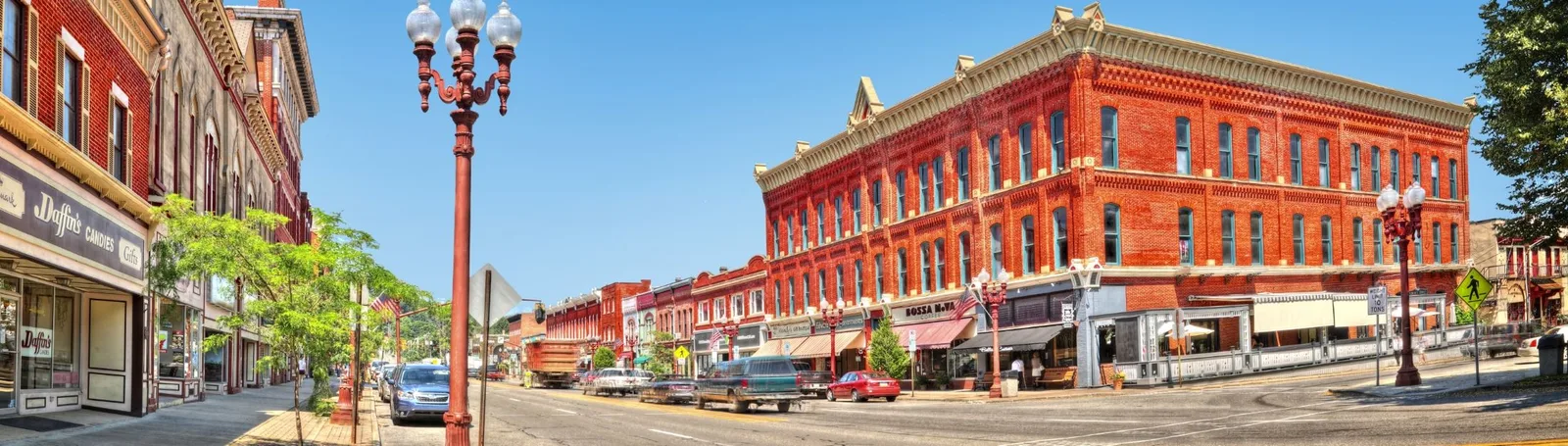
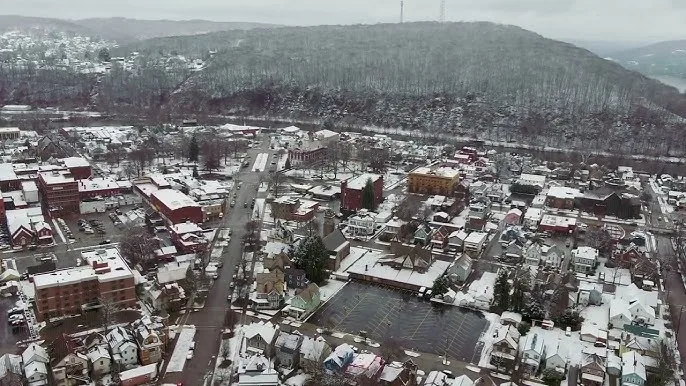
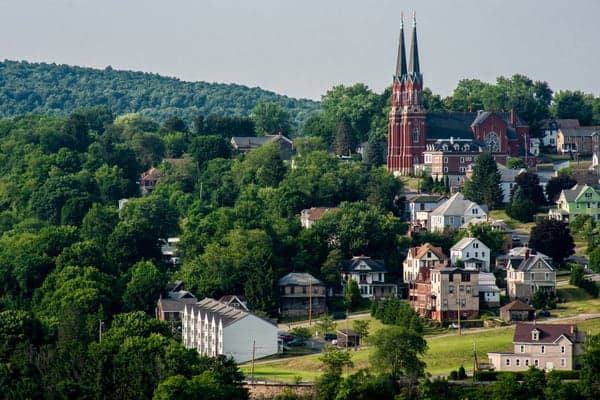
Venango County sits where the Allegheny River, French Creek, and Oil Creek converge through steep valleys and narrow river flats. That geography is beautiful - and it funnels stormwater straight toward basements in Franklin, Oil City, and the small boroughs along the water.
Add a housing stock that dates largely to the oil-boom era, and property owners here face restoration challenges that newer suburbs simply never encounter. Stone foundations, aging clay sewer laterals, and century-old wood framing all react differently to water, smoke, and humidity.
Restoration work across the county typically covers:
- Water Damage Restoration - extraction, structural drying, and moisture mapping after pipe breaks, appliance failures, and roof leaks
- Flooded Basement - pump-out, sump and drain evaluation, and drying of block, stone, and dirt-floor cellars
- Sewage Cleanup - removal of contaminated material, antimicrobial treatment, and disinfection after backups
- Fire Damage Restoration - board-up, debris removal, structural cleaning, and content recovery
- Smoke Damage Restoration - soot removal, thermal fogging, HVAC cleaning, and odor neutralization
- Mold Removal - containment, HEPA filtration, affected material removal, and moisture-source correction
Key benefits for local residents include faster drying that limits secondary damage, documentation that supports insurance claims, and repairs that respect older construction rather than fighting it.
Common Damage Restoration Issues in Venango County, Pennsylvania
Damage here rarely arrives from one dramatic event. More often it builds from freeze cycles, saturated hillsides, and aging systems that finally give way.
Frequent Causes of Loss
- Frozen and burst pipes in unheated crawl spaces, porch walls, and vacant second floors during deep January cold
- Hillside runoff pushing groundwater against foundation walls in Oil City, Rouseville, and Sugarcreek
- River and creek rise along the Allegheny, French Creek, and Sandy Creek during spring thaw and heavy rain bands
- Sewer and septic backups when combined systems in older boroughs are overwhelmed by storm volume
- Heating-related fires from wood stoves, chimneys, and supplemental space heaters in rural townships
- Storm and wind events - the county has seen tornado-strength gusts snap large limbs and tear siding, opening buildings to rain intrusion
Warning Signs Worth Acting On
- Musty odor in a basement or closed-off room that returns after ventilation
- Efflorescence, chalky white staining, or spalling on block and stone foundation walls
- Cupped hardwood, bubbling paint, or soft baseboards along exterior walls
- Slow floor drains, gurgling fixtures, or sewer odor near the lowest drain in the house
- Yellow-brown ceiling rings that darken after each rain
- Persistent smoke odor that reappears on humid days after a small kitchen or furnace fire
Catching these early usually keeps a drying job from becoming a demolition and mold remediation job.
Neighborhoods We Serve in Venango County
Coverage spans the full county, from the river cities to the outlying farm townships.
- Franklin - the county seat, with its historic Liberty Street district and Victorian residential blocks
- Oil City - North Side, South Side, and the steep hillside streets above Oil Creek
- Sugarcreek, Reno, and Rouseville - riverside residential corridors along Route 8 and Route 62
- Seneca and Cranberry Township - commercial corridors and newer subdivisions
- Emlenton and Clintonville - southern boroughs near the I-80 corridor
- Polk, Utica, and Cooperstown - western communities along French Creek
- Pleasantville and Pinegrove Township - northern rural properties near the Crawford and Forest county lines
- Kennerdell, Van, President, and Cherrytree Townships - remote river and ridge properties
Surrounding service reach commonly extends into neighboring Crawford, Clarion, Butler, Mercer, and Forest counties for larger losses.
Seasonal Damage Patterns in Venango County
Northwestern Pennsylvania's calendar shapes what kind of restoration call comes in.
- December through February - Burst supply lines, ice damming on low-slope roofs, chimney and wood stove fires, and furnace puff-backs that spread soot through ductwork.
- March and April - Peak flooded basement season. Snowmelt combines with rain, saturating clay-heavy soil and overwhelming sump pumps and sewer laterals.
- May and June - Storm cells bring wind damage, roof breaches, and lightning strikes. Sewage backups spike during high-intensity downpours.
- July and August - Humidity drives mold growth in basements, crawl spaces, and closed-up seasonal properties. Air conditioning condensate leaks are common.
- September and October - Remnants of tropical systems track inland, producing sustained rain and creek flooding. Heating systems fire up for the first time, releasing dust and smoke odors.
- November - First hard freezes catch unwinterized cabins, hose bibs, and vacant properties before owners have drained lines.
Mold remediation requests tend to lag water events by two to six weeks, which is why post-loss moisture verification matters as much as the initial extraction.
Housing Characteristics & Restoration Considerations
Venango County's housing stock skews older than the Pennsylvania average, with a large share of homes built before 1940 during and after the oil boom. County housing rehabilitation programs exist precisely because deferred maintenance can push an at-risk home toward blight.
Common Construction Features
- Stone and rubble foundations that wick moisture and cannot be sealed like poured concrete
- Dirt or partially poured cellar floors that hold groundwater and feed humidity upward
- Balloon framing in Victorian-era homes, which lets water and smoke travel between floors inside wall cavities
- Plaster and wood lath that dries far more slowly than drywall and hides trapped moisture
- Original clay or cast iron sewer laterals prone to root intrusion and collapse
- Retrofitted HVAC and knob-and-tube remnants that complicate fire origin assessment and duct cleaning
How This Changes the Work
- Drying plans need longer dwell times and cavity drying equipment rather than surface-only airflow
- Smoke odor removal often requires sealing porous plaster and old framing after cleaning
- Asbestos and lead-based paint screening may be required before demolition in pre-1978 homes
- Mold containment must account for open chases, laundry chutes, and unsealed basement stairwells
- Contents in long-held family homes frequently need specialized document, textile, and photo recovery
Environmental Conditions & Damage Implications
The county averages roughly 40 to 45 inches of precipitation annually, with substantial winter snowfall off the Lake Erie influence. Cold, wet winters and humid summers create a wide moisture swing inside buildings.
Site Conditions That Drive Damage
- Glacial and clay-loam soils - slow percolation keeps water pressed against foundation walls long after rain stops
- Steep valley terrain - hillside properties in Oil City and Franklin receive concentrated sheet flow toward lower-level walls
- High water tables near the rivers - basements in flood-adjacent parcels stay damp even in dry weeks
- Legacy oil and gas activity - abandoned wells and disturbed ground can alter drainage patterns on rural lots
- Well and spring water supply - iron and sulfur content stain materials and complicate post-sewage sanitizing
- Summer dew points in the 60s - enough sustained humidity for mold colonization within 24 to 48 hours on wet organic material
Air Quality Effects After a Loss
- Wood and coal heating leaves creosote-heavy soot that bonds tightly to cold surfaces
- Regional wildfire smoke drift in late summer can reintroduce odor into recently restored homes
- Tight winter sealing traps combustion byproducts and mold spores indoors
- HEPA filtration and negative air containment are standard on both fire and mold projects here
Working With Insurance and Industry Standards on Older Venango County Homes
Restoration on a 120-year-old Franklin foursquare is not the same job as a 2015 build in Cranberry Township. Documentation and adherence to recognized standards protect both the structure and the claim.
The Standards That Govern the Work
- IICRC S500 - water damage restoration, including the three water categories and the four classes of water intrusion
- IICRC S520 - mold remediation, containment design, and post-remediation verification
- IICRC S700 - fire and smoke restoration procedures for soot type and surface pairing
- EPA RRP rules - lead-safe work practices in homes built before 1978
- Category 3 protocols - all porous materials contacted by sewage are removed, not cleaned
A Typical Project Sequence
- Emergency response - stop the source, secure the structure, and board up or tarp openings
- Assessment - moisture meters, thermal imaging, and category/class determination with photo documentation
- Containment and extraction - remove standing water or isolate the affected zone under negative pressure
- Controlled demolition - remove unsalvageable plaster, insulation, and flooring only where drying will not succeed
- Drying and cleaning - air movers, dehumidifiers, HEPA vacuuming, soot removal, and antimicrobial application
- Verification - daily moisture logs until materials reach dry standard, plus clearance testing on mold projects
- Reconstruction - rebuild finishes to match original character where possible
What Property Owners Can Do First
- Photograph everything before moving items, and keep damaged materials until an adjuster reviews them
- Shut off water or power at the source only if it is safe to reach
- Avoid running HVAC after a fire or sewage event - it spreads contamination
- Keep receipts for temporary lodging, pumps, and emergency supplies
- Ask for the moisture log and scope of work in writing
That paper trail is often the difference between a smooth claim and a disputed one.