
Damage Restoration in Oil City, PA
- Damage Restoration Services Overview
- Common Damage Restoration Issues in Oil City, Pennsylvania
- Neighborhoods We Serve in Oil City
- Seasonal Damage Patterns in Oil City
- Seasonal Damage Patterns in Oil City
- Housing Characteristics & Restoration Considerations
- Environmental Conditions & Damage Implications
- Protecting Oil City Basements from Repeat Flooding and Sewage Backups
Damage Restoration Services Overview
Water pouring through a basement wall or smoke staining every surface of a living room leaves homeowners shaken. Property damage in Oil City rarely arrives at a convenient hour, and the hours immediately following the discovery shape how much of your home and belongings can be saved.
Restoration work in Venango County covers a wide spectrum of emergencies, each requiring different equipment, training, and drying science:
- Water Damage Restoration - extraction, structural drying, and moisture mapping after burst pipes, appliance failures, and roof leaks
- Flooded Basement - pumping standing water, drying block and stone foundations, and salvaging mechanicals
- Sewage Cleanup - containment, removal of contaminated materials, and antimicrobial treatment of Category 3 losses
- Fire Damage Restoration - debris removal, board-up, deodorization, and structural repairs
- Smoke Damage Restoration - soot removal from walls, HVAC systems, textiles, and hard-to-reach cavities
- Mold Removal - containment barriers, HEPA filtration, and remediation of affected building materials
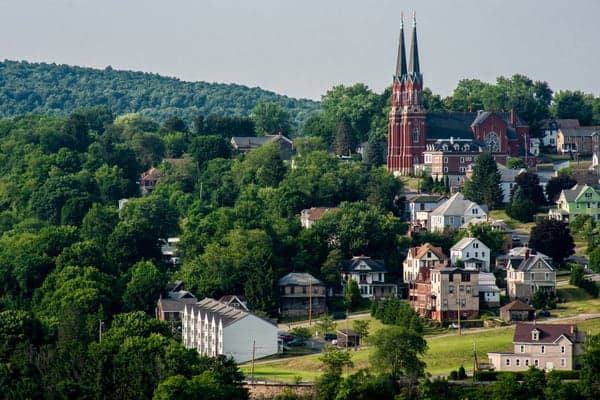
Oil City residents benefit from providers who understand the housing stock along the Allegheny River, from century-old frame houses on the hillsides to newer builds toward Cranberry. Documentation for insurance carriers, moisture readings that verify drying goals, and clear communication throughout the process make the difference between a repair and a genuine recovery.
Common Damage Restoration Issues in Oil City, Pennsylvania
Geography drives most of the damage calls in this corner of northwestern Pennsylvania. Oil City sits where Oil Creek meets the Allegheny River, with steep hillsides funneling runoff toward homes built on narrow benches and flood terraces.
Frequent Causes of Loss
- Ice dams and frozen supply lines during extended January and February cold snaps
- Hillside runoff overwhelming foundation drains and window wells
- Aging clay and cast-iron sewer laterals backing up during heavy rain
- Sump pump failures during power outages caused by storms
- Roof leaks from aging shingles, storm-lifted flashing, and clogged valleys
- Chimney, woodstove, and space heater fires during long heating seasons
- Kitchen grease fires that spread soot through open floor plans and ductwork
Warning Signs Worth Acting On
- Musty odors in basements, crawl spaces, or closets that intensify after rain
- Efflorescence, chalky white residue, or dark staining on foundation walls
- Cupping hardwood, bubbling paint, or soft spots in drywall near baseboards
- Gurgling floor drains or slow-draining fixtures on the lowest level
- Persistent smoke odor that returns on humid days after a small fire
- Visible mold growth behind furniture placed against exterior walls
Small problems compound quickly here. A slow roof leak feeding an attic cavity becomes a mold remediation project within weeks, and a single sewage backup can contaminate subfloor and framing if extraction is delayed.
Neighborhoods We Serve in Oil City
Restoration crews respond across the city and the surrounding Venango County communities, adapting methods to each area's terrain and building age.
- North Side and Central Business District - older commercial blocks and upper-floor apartments with shared plumbing stacks
- South Side - riverfront residential streets prone to groundwater intrusion
- Siverly and Reno - properties near the Allegheny with high water tables
- Hasson Heights - hillside homes dealing with runoff and drainage pressure
- Cornplanter and Rouseville - mixed housing stock along Oil Creek
- Cranberry Township - newer subdivisions with finished basements
Service also extends to Franklin, Seneca, Titusville, Emlenton, Clintonville, Pleasantville, and rural properties throughout Venango, Crawford, and Forest counties where private wells and septic systems add complexity to water and sewage losses.
Seasonal Damage Patterns in Oil City
Seasonal Damage Patterns in Oil City
Each season brings a recognizable pattern of restoration calls across Venango County.
- December through February - frozen and burst pipes in unheated crawl spaces, ice dams pushing meltwater under shingles, and heating-related fires from furnaces, woodstoves, and chimneys. Smoke damage claims peak alongside cold snaps.
- March and April - snowmelt combined with spring rain saturates hillside soils, producing flooded basements, sump pump overloads, and sewer backups when municipal lines run full.
- May through August - thunderstorms bring wind-driven rain, roof leaks, and power outages that disable pumps. Warm humid air accelerates mold growth in basements and behind wall cavities.
- September and October - remnants of tropical systems occasionally track through, saturating soils already loaded from summer rain. Early furnace startups can ignite accumulated dust and produce puff-back soot.
- November - first hard freezes catch outdoor spigots and vacant properties, and holiday cooking increases kitchen fire calls.
Mold remediation requests trail water events by two to six weeks, which is why homeowners often discover growth long after the original leak seemed resolved.
Housing Characteristics & Restoration Considerations
Oil City's housing stock reflects its boom-era history. A large share of homes date to the late 1800s and early 1900s, with substantial mid-century additions and a smaller pocket of modern construction in outlying townships.
Common Construction Features
- Stone, brick, and rubble foundations that wick moisture through porous mortar joints
- Balloon-framed walls that allow smoke and soot to travel from basement to attic uninterrupted
- Plaster and wood lath that holds water far longer than modern drywall
- Original hardwood floors sensitive to prolonged saturation
- Knob-and-tube remnants and older wiring that complicate fire origin investigation
- Narrow lots and steep driveways that limit truck access for extraction equipment
How Age Affects the Restoration Plan
- Water losses require longer drying cycles and injection drying for plaster and multi-layer flooring
- Basement flooding often involves dirt floors or partial slabs where vapor control matters more than extraction alone
- Sewage cleanup in older homes may reveal deteriorated cast-iron laterals needing coordination with a plumber
- Fire and smoke work demands cavity cleaning and sealing because balloon framing spreads odor throughout the structure
- Mold removal must account for possible asbestos in old pipe insulation and lead paint on trim, both requiring proper handling
Homes with newer finished basements bring their own issues - carpet pad, engineered flooring, and paper-faced drywall all fail quickly once saturated and typically require partial removal rather than drying in place.
Environmental Conditions & Damage Implications
Local climate and ground conditions shape how quickly damage spreads and how long drying takes.
Climate Factors
- Roughly 42 to 45 inches of annual precipitation, spread fairly evenly across the year
- Heavy seasonal snowfall with repeated freeze-thaw cycles that stress roofs and masonry
- Summer relative humidity frequently above 70 percent, slowing evaporation and feeding mold
- Winter heating that drives indoor humidity low, causing smoke odor to settle into porous materials
Ground and Water Conditions
- Valley floor soils include silt and clay river deposits with poor percolation
- Hillside slopes shed water rapidly toward foundations at the base
- Elevated water tables near the Allegheny and Oil Creek push moisture through slab and block walls
- Legacy industrial soils in parts of the region make contaminated water handling a careful process
- Rural properties on wells and septic systems face different sewage cleanup protocols than city-sewered homes
Practical Implications
- Dehumidification equipment must be sized for humid air, not just wet materials
- Negative air machines with HEPA filtration protect unaffected rooms during mold and soot work
- Moisture meters and thermal imaging locate hidden water behind plaster before it becomes a mold problem
- Post-remediation verification confirms drying goals were met rather than assumed
Protecting Oil City Basements from Repeat Flooding and Sewage Backups
Basements take the worst of it in this river valley. Between hillside runoff, aging municipal infrastructure, and foundations built long before modern waterproofing existed, many Oil City households deal with water intrusion more than once.
What Restoration Crews Do First
- Assess safety - electrical hazards, gas appliances, and contamination category
- Extract standing water with truck-mounted or portable pumps
- Remove unsalvageable porous materials including carpet pad, insulation, and saturated drywall
- Clean and apply antimicrobial treatment to all affected surfaces, especially after sewage exposure
- Set air movers and dehumidifiers, then monitor readings daily until materials reach dry standard
- Document conditions with photos, moisture logs, and scope notes for the insurance claim
Steps That Reduce the Next Event
- Install a backwater valve on the sewer lateral to block municipal surcharge
- Add a battery backup or water-powered backup to the sump pump
- Extend downspouts well beyond the foundation and regrade soil away from walls
- Clear gutters and roof valleys each spring and fall - many basement leaks begin at the roofline
- Address aging shingles and damaged flashing before storm season
- Keep stored belongings on shelving rather than the floor
- Replace failing clay laterals prone to root intrusion
When to Call Immediately
- Any water containing sewage or originating from a floor drain backup
- Water that has contacted electrical panels, furnaces, or water heaters
- Standing water present longer than 24 hours
- Visible mold covering more than a small patch
- Smoke or fire damage of any size, since soot becomes more corrosive over time
Acting within the first day limits secondary damage, keeps restoration scope smaller, and gives insurance adjusters the documentation they need to move a claim forward.





