
Damage Restoration in State College, PA
- Damage Restoration Services Overview
- Common Damage Restoration Issues in State College, Pennsylvania
- Neighborhoods We Serve in State College
- Seasonal Damage Patterns in State College
- Housing Characteristics & Restoration Considerations
- Environmental Conditions & Damage Implications
- Protecting Student Rentals and Campus-Area Properties
Damage Restoration Services Overview
When water pours through a basement wall or smoke settles into every surface of a home, knowing that trained help is already on the way changes everything. Professional restoration turns a chaotic situation into a managed, documented recovery process for State College property owners.
Restoration teams serving Centre County respond around the clock to residential and commercial losses, from a burst supply line in a Penn State rental to a kitchen fire in a College Heights family home.
- Water Damage Restoration - extraction, structural drying, moisture mapping, and repair of affected building materials.
- Flooded Basement Cleanup - pump-out, contents handling, sanitizing, and dehumidification of below-grade spaces.
- Sewage Cleanup - Category 3 contamination removal, antimicrobial treatment, and safe disposal of porous materials.
- Fire Damage Restoration - board-up, debris removal, soot cleaning, and reconstruction of damaged areas.
- Smoke Damage Restoration - odor neutralization, HVAC cleaning, and treatment of walls, textiles, and contents.
- Mold Removal - containment, HEPA filtration, removal of colonized materials, and moisture-source correction.
Key benefits for local property owners include reduced secondary damage, thorough insurance documentation, protection of indoor air quality, and a single point of accountability from the first emergency call through final repairs.
Common Damage Restoration Issues in State College, Pennsylvania
Life in the Nittany Valley brings a specific mix of weather, terrain, and building conditions that drive restoration calls throughout the year. Older housing stock, limestone geology, and freeze-thaw cycles all play a role.
Frequent Causes of Loss
- Frozen and burst pipes in unheated crawl spaces, garages, and vacant student rentals over winter break.
- Groundwater intrusion through block foundation walls after heavy rain or rapid snowmelt.
- Sump pump failures during summer thunderstorms and power outages.
- Sewer backups in older neighborhoods where lateral lines are aging or root-intruded.
- Kitchen grease fires, space heater incidents, and electrical faults in multi-unit housing.
- Attic and bathroom mold caused by inadequate ventilation and roof leaks.
Warning Signs Worth Acting On
- Musty odors in basements, closets, or near HVAC returns.
- Efflorescence, staining, or peeling paint on foundation walls.
- Buckling hardwood, soft drywall, or cupping laminate flooring.
- Sluggish floor drains or gurgling fixtures - often a precursor to a full backup.
- Lingering smoke odor that returns on humid days after a small fire.
- Unexplained allergy symptoms that improve when occupants leave the building.
Catching these signals early keeps a small water intrusion from becoming a mold remediation project spanning multiple rooms.
Neighborhoods We Serve in State College
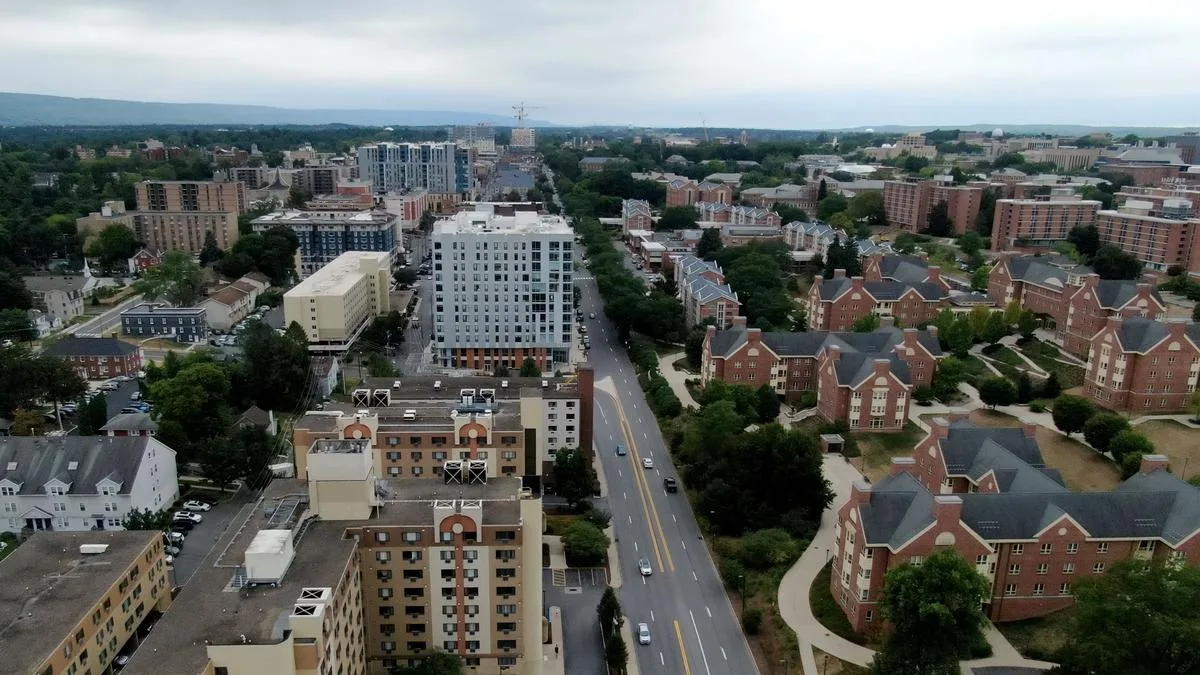
Restoration crews cover the borough and the surrounding townships across Centre County, including both owner-occupied homes and the dense rental market near campus.
- Downtown State College and the Highlands
- College Heights and Holmes-Foster
- Park Forest Village and Vallamont
- Toftrees and Nittany Hills
- Ferguson Township and Pine Grove Mills
- College Township, Houserville, and Lemont
- Boalsburg and Oak Hall
- Patton Township and Waddle
- Bellefonte, Pleasant Gap, and Zion
- Port Matilda, Julian, and the Bald Eagle corridor
Coverage extends to Penn State-adjacent apartment complexes, fraternity and sorority properties, downtown storefronts, medical offices along Park Avenue, and light industrial buildings near the airport. Commercial clients receive the same emergency response as homeowners, with scheduling that works around business hours and tenant occupancy.
Seasonal Damage Patterns in State College
Central Pennsylvania weather creates predictable peaks for different loss types. Planning around them reduces risk.
Winter (December - February)
- Frozen and burst pipes, especially in properties left empty during semester breaks.
- Ice dams pushing meltwater under shingles into ceilings and wall cavities.
- Heating-related fires from furnaces, wood stoves, and portable heaters - with widespread smoke damage.
Spring (March - May)
- Snowmelt combined with saturated soil driving flooded basement calls.
- Sump pump overload and sewer backups during sustained rainfall.
- First mold growth of the season as temperatures climb above damp materials.
Summer (June - August)
- Thunderstorm flooding, wind-driven rain, and lightning-related fires.
- High humidity accelerating mold in basements and crawl spaces.
- Air conditioning condensate leaks and failed water heaters.
Fall (September - November)
- Clogged gutters from leaf fall causing overflow at the foundation.
- Game-day grilling and cooking fires in rentals and tailgating-adjacent properties.
- Chimney and flue fires as heating systems restart after months of disuse.
Housing Characteristics & Restoration Considerations
State College blends century-old homes near campus with newer suburban development in Ferguson and Patton townships. Each construction era responds differently to water, smoke, and microbial growth.
Older Homes (Pre-1960)
- Stone and hollow-block foundations that wick moisture and complicate basement drying.
- Plaster over wood lath, which holds water longer than drywall and requires slower, controlled drying.
- Balloon framing that lets smoke and soot travel between floors through open wall cavities.
- Possible asbestos-containing floor tile, mastic, or pipe insulation requiring testing before demolition.
- Cast iron and clay sewer laterals prone to cracking and backups.
Mid-Century and Modern Construction
- Finished basements with carpet, padding, and framed walls that trap moisture behind vapor barriers.
- Engineered flooring and MDF trim that swell quickly and rarely dry in place.
- Tighter building envelopes that hold humidity and smoke odor without aggressive air exchange.
- Multi-unit rentals where a single supply line failure affects several tenants and shared corridors.
Practical Implications
- Moisture readings are taken in every affected assembly, not just visible surfaces.
- Drying plans are matched to material type - plaster, hardwood, and block each behave differently.
- Containment is set before any mold or soot removal begins to protect unaffected living space.
- Reconstruction matches original finishes wherever possible, including historic trim profiles downtown.
Environmental Conditions & Damage Implications
The Nittany Valley sits in a humid continental climate with roughly 40 inches of annual precipitation and pronounced freeze-thaw cycling. Those conditions shape how damage develops and how it must be treated.
Climate and Humidity
- Summer dew points frequently support mold growth in unconditioned basements and crawl spaces.
- Winter temperature swings stress plumbing and open gaps in foundations and rooflines.
- Shoulder seasons bring condensation on cool surfaces, feeding hidden microbial activity.
Geology and Soil
- Limestone bedrock and karst features create unpredictable groundwater movement and sinkhole-prone drainage.
- Clay-heavy soils hold water against foundation walls, increasing hydrostatic pressure after storms.
- Sloped lots in College Heights and Lemont channel surface runoff toward lower-lying structures.
Air and Water Quality
- Smoke particulate spreads through forced-air systems, requiring duct cleaning and HEPA filtration after fires.
- Radon is common in Centre County - basement work often intersects with existing mitigation systems.
- Well water on rural properties outside the borough can complicate sewage cleanup and post-loss sanitizing.
Restoration plans account for these conditions with dehumidification sized to actual grain depression, negative air machines during remediation, and moisture verification before any wall is closed back up.
Protecting Student Rentals and Campus-Area Properties
The rental market surrounding Penn State creates restoration challenges rarely seen in purely residential markets. High occupancy turnover, absentee owners, and semester-long vacancies all raise the odds that damage goes unnoticed.
Why Campus-Area Losses Escalate
- Properties sit empty over winter break, allowing a burst pipe to run for days.
- Shared plumbing stacks in older converted houses spread water across multiple units.
- Cooking fires and unattended candles are more frequent in dense multi-tenant housing.
- Tenants may delay reporting leaks or odors, giving mold time to establish.
- Basement storage areas hold porous contents that contaminate quickly during a sewage backup.
How Professional Response Works
- Emergency contact and dispatch - crews mobilize any hour, with property access coordinated through owners or management companies.
- Assessment and documentation - moisture mapping, thermal imaging, and photo records support the insurance claim from day one.
- Stabilization - water extraction, board-up, tarping, or containment barriers stop the loss from spreading.
- Cleanup and remediation - soot removal, antimicrobial application, controlled demolition, and HEPA vacuuming per IICRC S500 and S520 standards.
- Drying and verification - daily monitoring until materials reach documented dry standard.
- Reconstruction - drywall, flooring, paint, and finish work returning the unit to rentable condition.
Owner and Manager Recommendations
- Maintain minimum heat in vacant units and insulate exposed supply lines.
- Test sump pumps and install battery backups before spring.
- Provide tenants with a clear reporting path for leaks, odors, and alarm activations.
- Schedule dryer vent, chimney, and HVAC inspections annually to reduce fire and smoke risk.
Fast, standards-based response protects both the building and the lease schedule - a meaningful difference when the next group of tenants is already committed to a move-in date.





