
Damage Restoration in Bellefonte, PA
- Damage Restoration Services Overview
- Common Damage Restoration Issues in Bellefonte, Pennsylvania
- Neighborhoods We Serve in Bellefonte
- Seasonal Damage Patterns in Bellefonte
- Housing Characteristics & Restoration Considerations
- Environmental Conditions & Damage Implications
- Storm Response and Emergency Readiness in Centre County
Damage Restoration Services Overview
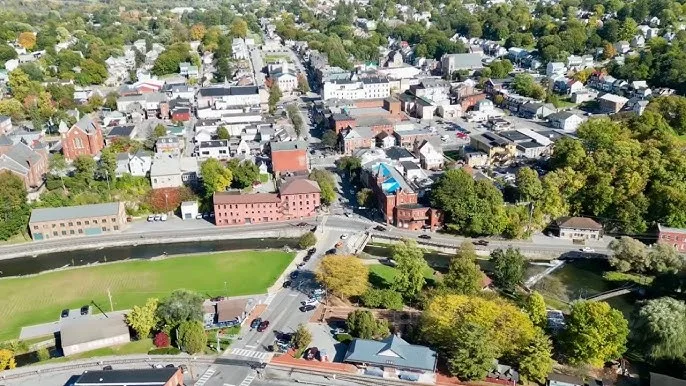
What would you do if you walked into your Bellefonte home tomorrow morning and found three inches of water covering the basement floor? Property damage rarely announces itself, and the hours immediately following a loss shape how much of your home - and your belongings - can be saved.
Restoration work in Centre County covers a wide spectrum of emergencies, and most properties eventually encounter at least one of them:
- Water Damage Restoration - extraction, structural drying, and moisture mapping after burst pipes, appliance failures, or roof leaks
- Flooded Basement - pump-out, sump pump failure response, and drying of below-grade living and storage space
- Sewage Cleanup - removal of contaminated water, disinfection, and safe disposal of porous materials
- Fire Damage Restoration - debris removal, structural stabilization, and rebuilding of damaged areas
- Smoke Damage Restoration - soot removal from surfaces, HVAC cleaning, and odor neutralization
- Mold Removal - containment, spore control, affected material removal, and moisture source correction
The benefits of prompt professional response are practical ones: less material lost to secondary damage, fewer mold colonies forming behind walls, better documentation for insurance claims, and a faster return to normal daily life for families along Spring Creek and throughout the borough.
Common Damage Restoration Issues in Bellefonte, Pennsylvania
Bellefonte sits in a valley shaped by limestone springs and ringed by ridges, a geography that produces its own distinct set of property risks. Severe weather is a regular contributor - the area has been placed under severe weather warnings repeatedly over the past year, and a confirmed downburst with estimated peak winds near 100 MPH carved a 3.3-mile damage path through Bellefonte and surrounding communities, collapsing structures and knocking out power to thousands.
Local conditions that commonly lead to restoration calls include:
- Storm-driven water intrusion - wind-lifted shingles and hail impacts from half-dollar-sized stones open pathways for rain into attics and ceilings
- Spring Creek and tributary rise - saturated ground and rapid runoff push water toward foundations in low-lying sections
- Sump pump failure during outages - downburst winds routinely cut power exactly when basements need pumping most
- Sewer backups - heavy rainfall overwhelms older lateral lines and floor drains, sending contaminated water into finished basements
- Winter pipe freezes - uninsulated lines in crawl spaces and exterior walls split during cold snaps
- Heating and chimney fires - wood stoves, space heaters, and older flues account for a share of cold-season structure fires
Warning signs worth acting on quickly:
- Musty odors that intensify in humid weather
- Tide lines or discoloration along baseboards and drywall
- Cupping hardwood or lifting vinyl plank flooring
- Persistent smoke odor that returns when the furnace cycles on
- Efflorescence or white powder on basement block walls
Neighborhoods We Serve in Bellefonte
Restoration crews cover the borough and the townships that surround it, responding across Centre County's varied housing stock and terrain.
- Bellefonte Historic District - Victorian-era homes near Talleyrand Park and the Diamond
- Spring Township - residential streets and light commercial properties along the Benner Pike corridor
- Pleasant Gap - postwar and modern subdivisions at the base of Nittany Mountain
- Benner Township - rural properties, farmsteads, and outbuildings
- Axemann and Coleville - older village housing close to Spring Creek
- Milesburg and Curtin - properties near the Bald Eagle Creek confluence
- Zion and Nittany Valley - agricultural and residential parcels north of town
Service extends outward to State College, Boalsburg, Centre Hall, Lemont, Port Matilda, Philipsburg, and the broader Penn State campus area, so the same crews familiar with Bellefonte's building types handle neighboring communities as well.
Seasonal Damage Patterns in Bellefonte
Central Pennsylvania's calendar produces predictable cycles of loss, and knowing them helps property owners prepare.
- January through March - frozen and burst pipes dominate, along with ice dam leaks at eaves. Furnace and space heater fires peak during extended cold.
- March through May - snowmelt combines with spring rain to flood basements and overwhelm sump systems. Sewage backups climb as saturated soil pressures lateral lines.
- June through August - severe thunderstorms bring hail, downburst winds, and wind-driven rain. High humidity accelerates mold growth in basements and crawl spaces, often weeks after the original water event.
- September through October - tropical remnants track through the ridge-and-valley region, delivering multi-inch rainfall totals and creek flooding.
- November through December - heating systems restart after months idle, raising fire and smoke risk. Cooking fires increase around the holidays, and early freezes catch outdoor spigots unprepared.
Mold removal calls follow water events by roughly two to eight weeks, which is why summer remains the busiest remediation season even when the original leak happened in March.
Housing Characteristics & Restoration Considerations
Bellefonte's housing stock skews notably older than the national average, with a large share of homes built before 1940 and a significant cluster of nineteenth-century construction in the historic district. That age drives nearly every restoration decision.
- Stone and brick foundations - porous mortar wicks groundwater, making basement drying slower and mold prevention more demanding
- Balloon-frame construction - open wall cavities let smoke, heat, and water travel vertically between floors, expanding the damage footprint
- Plaster and lath walls - hold moisture behind the surface and require careful assessment before demolition, since salvage is often possible
- Original hardwood and pine flooring - responds well to controlled drying but warps permanently if extraction is delayed
- Knob-and-tube or aging wiring - a fire risk in its own right and a safety consideration during water losses
- Cast iron and clay sewer laterals - prone to root intrusion and cracking, a frequent source of sewage backups
- Retrofitted insulation - blown-in material in old cavities traps moisture and conceals developing mold
Newer construction in Pleasant Gap, Spring Township, and outlying subdivisions presents a different profile: poured concrete foundations, finished basements with carpet and drywall, engineered flooring, and tighter building envelopes. Those homes dry faster but suffer heavier contents loss when a basement floods, and their reduced air exchange holds smoke odor longer after a fire.
Historic properties also carry preservation expectations. Restoration approaches that save original millwork, doors, and trim matter to owners in the district, and documentation for insurers should reflect the replacement value of period materials.
Environmental Conditions & Damage Implications
The physical environment around Bellefonte influences how damage develops and how restoration must be handled.
Climate and Humidity
- Roughly 40 inches of annual precipitation, distributed fairly evenly across the year
- Summer relative humidity that frequently exceeds 70 percent, supporting mold colonization within 24 to 48 hours of wetting
- Winter temperatures that dip well below freezing, driving pipe failures and ice dam formation
- Freeze-thaw cycling that widens foundation cracks season after season
Geology and Soil
- Karst limestone bedrock beneath much of the Nittany Valley, producing springs, sinkholes, and unpredictable groundwater paths
- Clay-heavy and silty soils that drain slowly and press hydrostatic load against basement walls
- High water tables in areas near Spring Creek, Logan Branch, and Bald Eagle Creek
Water and Air Considerations
- Hard, mineral-rich water from limestone aquifers accelerates scale buildup and corrosion in supply lines and water heaters
- Well-served rural properties face contamination concerns after flooding or sewage events, requiring testing before reoccupancy
- Valley topography can trap smoke and particulates during inversions, extending odor issues after a fire
- Agricultural dust and pollen loads increase the burden on HVAC systems already handling post-loss air scrubbing
Karst geology deserves particular attention. Water that disappears into a sinkhole may reemerge under a foundation hundreds of feet away, which is why moisture mapping and thermal imaging matter more here than in regions with straightforward drainage.
Storm Response and Emergency Readiness in Centre County
The downburst that tore a 3.3-mile path through Bellefonte demonstrated something property owners already suspected: this valley can produce concentrated, destructive wind events with almost no lead time. Add 11 on-the-ground hail reports and two dozen severe weather warnings across a twelve-month stretch, and storm readiness stops being optional.
What Happens During a Storm Response
- Emergency contact and dispatch - crews are routed based on severity, safety hazards, and standing water depth
- Site stabilization - board-up, roof tarping, and electrical safety checks before anyone enters
- Water extraction - truck-mounted and portable units pull standing water from basements and living spaces
- Contamination assessment - categorizing water as clean, gray, or black determines whether sewage protocols apply
- Structural drying - air movers, dehumidifiers, and daily moisture readings until materials reach dry standard
- Remediation and cleaning - mold containment, soot removal, antimicrobial application, and odor treatment as needed
- Reconstruction - drywall, flooring, trim, and finish work to return the property to pre-loss condition
Steps to Take Before the Next Storm
- Install a battery backup or water-powered sump pump, since outages and flooding arrive together
- Photograph rooms, contents, and mechanical systems annually for claim documentation
- Clear gutters and extend downspouts at least six feet from the foundation
- Add a backwater valve if your property has a history of sewer backups
- Move irreplaceable items off basement floors and onto shelving
- Test smoke detectors and have chimneys and flues inspected before heating season
- Keep restoration and insurance contact numbers stored somewhere accessible without power
Familiarity with local building departments, borough utility layouts, and Centre County adjusters shortens the gap between the first phone call and the first piece of equipment running in your basement.





