
Damage Restoration in Meadville, PA
- Damage Restoration Services Overview
- Common Damage Restoration Issues in Meadville, Pennsylvania
- Neighborhoods We Serve in Meadville
- Seasonal Damage Patterns in Meadville
- Housing Characteristics & Restoration Considerations
- Environmental Conditions & Damage Implications
- Emergency Response Timelines for Meadville Property Owners
Damage Restoration Services Overview
A burst pipe at 2 a.m. or a kitchen fire on a winter evening changes a household in minutes. Professional restoration in Meadville gives property owners a clear path back to normal - stabilize the structure, remove what is unsalvageable, dry what can be saved, and rebuild the rest.
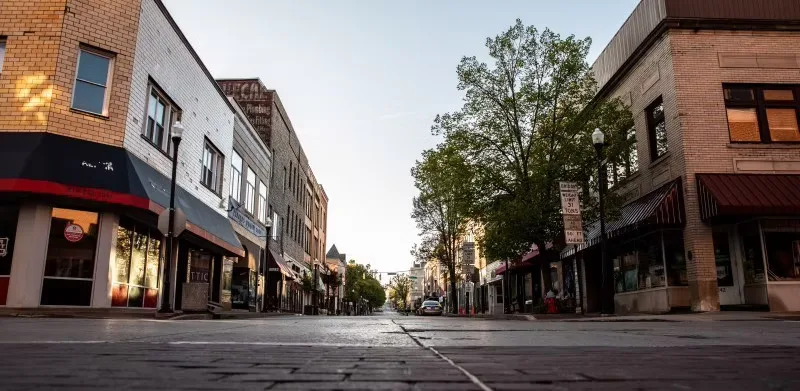
Local crews serving Crawford County handle residential and commercial losses around the clock, from Allegheny College rentals to older homes near Diamond Park and shops along Chestnut Street.
Services Available Across Meadville
- Water Damage Restoration - extraction, structural drying, moisture mapping, and monitoring of walls, subfloors, and cavities.
- Flooded Basement - pump-outs, contents removal, dehumidification, and treatment of block and stone foundation walls.
- Sewage Cleanup - containment of Category 3 water, removal of contaminated porous materials, and antimicrobial treatment.
- Fire Damage Restoration - board-up, debris removal, soot and char cleaning, and structural repairs.
- Smoke Damage Restoration - odor neutralization, HVAC cleaning, contents deodorizing, and sealing of affected surfaces.
- Mold Removal - containment barriers, HEPA filtration, affected material removal, and moisture source correction.
Why It Matters Here
- Documentation that supports insurance claims from start to finish.
- One point of contact overseeing cleanup, drying, and reconstruction.
- 24/7 dispatch so damage does not sit overnight and spread.
Common Damage Restoration Issues in Meadville, Pennsylvania
Meadville sits in French Creek's valley, and that geography shapes most of the losses restoration crews respond to. Snowmelt, saturated ground, and aging infrastructure combine to push water where it does not belong.
Frequent Causes of Loss
- Frozen and split supply lines in unheated crawl spaces, porches, and vacant rental units.
- Groundwater intrusion through stone and block foundations during spring thaw.
- Sump pump failure or power loss during heavy Lake Erie snowbelt storms.
- Sanitary line backups in older neighborhoods where laterals are clay or root-intruded.
- Chimney, wood stove, and space heater fires during long heating seasons.
- Kitchen grease fires that spread soot and odor through entire floor plans.
- Hidden mold behind finished basement paneling and under vinyl flooring.
Warning Signs Worth Acting On
- Musty odor that intensifies when the furnace or air conditioner runs.
- Efflorescence, chalky white residue, or bubbling paint on basement walls.
- Floor tiles lifting, hardwood cupping, or carpet padding staying damp for days.
- Slow drains in multiple fixtures at once - often the first sign of a lateral backup.
- Yellow-brown staining on ceilings after ice dam season.
- Lingering smoke smell weeks after a small fire, meaning residue remains in ductwork.
Each of these situations worsens quickly. Water becomes contaminated within days, and mold colonies can establish in as little as 48 hours under Meadville's humid conditions.
Neighborhoods We Serve in Meadville
Restoration teams respond throughout the city and the surrounding Crawford County communities, covering both dense residential blocks and rural properties on well and septic systems.
- Downtown and Diamond Park - historic commercial buildings and upper-floor apartments.
- North Main Street corridor and the Allegheny College area - student housing and multi-unit rentals.
- West Mead and East Mead Townships - suburban ranch and split-level homes.
- Vernon Township - properties along the Route 6 and Route 322 corridors.
- Kerrtown and the South Main neighborhoods - older frame homes with full basements.
- Woodcock, Saegertown, and Cochranton - rural properties near creek floodplains.
- Conneaut Lake, Linesville, Cambridge Springs, and Titusville - lakefront and seasonal homes.
Crews also assist neighboring Erie and Venango County communities, including Union City, Oil City, and Guys Mills, when regional storms create widespread damage.
Seasonal Damage Patterns in Meadville
Northwestern Pennsylvania delivers a distinct restoration calendar. Knowing what each season brings helps property owners prepare before the emergency call.
Winter (December - February)
- Frozen pipe bursts during deep cold snaps and extended power outages.
- Ice dams forcing meltwater under shingles and into ceiling cavities.
- Peak fire and smoke damage season from heating equipment, chimneys, and holiday cooking.
Spring (March - May)
- Snowmelt plus rain saturates soil, driving flooded basement calls to their yearly high.
- Sewage backups increase as combined and aging lines take on infiltration.
- Mold growth accelerates in basements that never fully dried over winter.
Summer (June - August)
- Thunderstorms bring roof leaks, wind damage, and sump pump overload.
- High humidity fuels mold on crawl space joists and closet walls.
- Air conditioning condensate line clogs cause slow, hidden water damage.
Fall (September - November)
- Leaf-clogged gutters send water down foundation walls.
- First furnace startups release smoke odor and occasionally spark fires.
- Ideal window for mold inspections and drainage corrections before freeze-up.
Housing Characteristics & Restoration Considerations
Meadville's housing stock skews older than the national average, with a large share of homes built before 1940 and many between the 1940s and 1970s. That age influences nearly every restoration decision.
Common Construction Types
- Victorian and early-century frame homes with balloon framing and plaster-and-lath walls.
- Post-war ranches and Cape Cods with block foundations and partially finished basements.
- Converted single-family homes serving as student and multi-family rentals.
- Brick commercial storefronts downtown with shared party walls.
- Rural farmhouses on septic systems with stone foundations and dirt-floor cellars.
How Age Affects Restoration Work
- Balloon framing creates open wall cavities that let fire, smoke, and water travel between floors - crews open and dry these chases directly.
- Plaster and lath holds moisture longer than drywall and often needs injection drying rather than replacement.
- Stone and block foundations wick groundwater continuously, so flooded basement work includes moisture source correction, not just extraction.
- Pre-1980 materials may contain asbestos or lead, requiring testing before demolition on fire and water losses.
- Original cast iron and clay laterals fail without warning, producing sewage cleanup jobs that require full contents triage.
- Older wiring and heating systems raise fire risk, and smoke residue clings to decades of layered paint and varnish.
Restoration in these homes balances preservation with safety - salvaging trim, floors, and character features when drying and cleaning can bring them back.
Environmental Conditions & Damage Implications
Meadville's climate is humid continental with heavy annual precipitation, generous lake-effect snowfall, and a long stretch of freeze-thaw cycling. Those conditions directly shape how damage develops and how drying is performed.
Climate and Moisture Factors
- Roughly 40-plus inches of yearly precipitation, with snow totals boosted by the Lake Erie snowbelt.
- Summer relative humidity that regularly stays high, slowing natural evaporation.
- Repeated freeze-thaw cycles that crack foundation mortar and open water entry points.
- Spring runoff into French Creek and its tributaries raising local water tables.
Soil and Groundwater
- Glacial till and clay-heavy soils drain slowly and hold water against foundations.
- Valley-floor properties sit closer to the water table, increasing hydrostatic pressure on basement walls.
- Rural septic systems in saturated soil can surcharge, leading to backups inside the home.
Air Quality and Indoor Effects
- Tight winter sealing traps smoke residue, combustion byproducts, and mold spores indoors.
- Damp basements feed spore counts that circulate through forced-air ductwork.
- Soot particles from wood stoves and fireplaces settle on cold surfaces and stain over time.
Because ambient humidity works against drying for much of the year, crews rely on desiccant and refrigerant dehumidifiers, containment, and daily moisture readings rather than assuming air movement alone will finish the job.
Emergency Response Timelines for Meadville Property Owners
Speed determines outcome. Clean water becomes contaminated, soot turns acidic and etches surfaces, and mold takes hold - all within the first days after a loss. That is why dispatch operates 24 hours a day, including weekends and holidays.
What Happens in the First Hours
- Call intake - details on the source, affected areas, and safety hazards are gathered immediately.
- Dispatch - a crew is routed from within Crawford County, so travel time stays short even for Conneaut Lake or Cochranton addresses.
- Site safety - power, gas, and structural hazards are assessed before entry; board-up or tarping happens on fire and storm losses.
- Source control - water is shut off, sewage flow is stopped, and containment is built around contaminated zones.
- Extraction and stabilization - standing water is pumped, saturated contents are moved, and drying equipment is set.
- Documentation - moisture readings, photos, and scope notes are recorded for the insurance carrier.
Steps Property Owners Can Take Before Crews Arrive
- Shut the main water valve if a pipe or supply line has failed.
- Stay out of flooded basements until power to that level is confirmed off.
- Avoid contact with sewage water and keep children and pets away from the area.
- Do not wipe soot from walls - dry residue smears and drives particles into finishes.
- Photograph damage and save receipts for emergency purchases.
- Leave windows closed on suspected mold until containment is in place.
From that first phone call through drying, deodorizing, mold clearance, and reconstruction, a single project manager keeps the work moving and communicates with adjusters. Whether the job is a flooded basement in Vernon Township, a sewage backup in Kerrtown, or smoke damage in a downtown apartment, the goal stays the same - fast stabilization followed by a thorough, verified restoration.





