
Damage Restoration in Schuylkill Haven, PA
- Damage Restoration Services Overview
- Common Damage Restoration Issues in Schuylkill Haven, Pennsylvania
- Neighborhoods We Serve in Schuylkill Haven
- Seasonal Damage Patterns in Schuylkill Haven
- Housing Characteristics & Restoration Considerations
- Environmental Conditions & Damage Implications
- Emergency Response Timeline: What Happens After You Call in Schuylkill Haven
Damage Restoration Services Overview
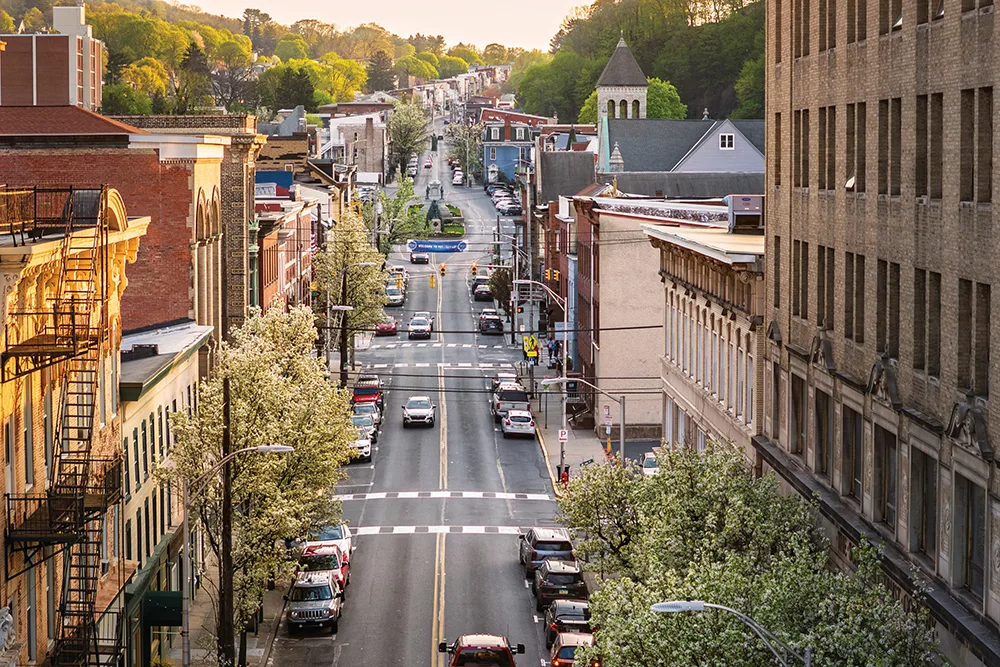
Schuylkill Haven sits in a valley where the Schuylkill River and Bear Creek meet, and that geography shapes nearly every restoration call in the borough. Older row homes, stone foundations, and hillside drainage patterns mean water finds its way indoors quickly - and once it does, secondary problems follow fast.
Property owners here rely on a full range of emergency and reconstruction services:
- Water Damage Restoration - extraction, structural drying, and moisture mapping after pipe breaks, appliance failures, and roof leaks
- Flooded Basement Cleanup - pump-outs, sump failure response, and drying of stone or block foundation walls
- Sewage Cleanup - safe removal of Category 3 contamination from backups, main line failures, and septic overflow
- Fire Damage Restoration - board-up, debris removal, structural cleaning, and rebuild coordination
- Smoke Damage Restoration - soot removal, thermal fogging, HVAC cleaning, and odor neutralization
- Mold Removal - containment, air filtration, affected material removal, and post-remediation verification
Key benefits for Schuylkill Haven residents include round-the-clock emergency response, IICRC-certified technicians, documentation formatted for insurance carriers, and a single point of contact from the first extraction through final repairs. Acting within the first day of a loss dramatically limits how much flooring, drywall, and framing has to be replaced.
Common Damage Restoration Issues in Schuylkill Haven, Pennsylvania
Local causes of property damage cluster around aging infrastructure, valley drainage, and Pennsylvania's freeze-thaw cycles.
Frequent Causes of Loss
- Frozen and burst supply lines in unheated basements, crawl spaces, and enclosed porches
- Sump pump failures during heavy rain or power outages along low-lying streets near the river
- Combined and aging sewer laterals backing up into basement floor drains and laundry tubs
- Groundwater intrusion through mortar joints in fieldstone foundations
- Chimney, flue, and wood stove fires during cold-weather heating months
- Kitchen grease fires that push smoke and soot through an entire floor plan within minutes
- Hidden mold behind paneling, under vinyl flooring, and inside wall cavities of older homes
Warning Signs Worth Investigating
- Musty odor in the basement or lowest level, especially after rainfall
- Efflorescence - white chalky residue - on foundation walls
- Cupping, staining, or soft spots in hardwood and laminate flooring
- Slow floor drains or gurgling sounds when appliances discharge
- Persistent smoke odor that returns on humid days after a small fire
- Peeling paint, bubbled drywall tape, or rusting fasteners near ceilings
- Unexplained allergy symptoms that ease when occupants leave the house
Because many Schuylkill Haven properties share party walls, damage rarely stays contained to one address. A burst pipe or basement backup in one row home can migrate laterally, which makes early moisture readings on both sides of a shared wall a standard part of a proper assessment.
Neighborhoods We Serve in Schuylkill Haven
Coverage extends across the borough and the surrounding townships of Schuylkill County, with response available at any hour.
- Downtown Schuylkill Haven along Main Street, Dock Street, and Saint Peter Street
- The Island and low-lying blocks near the Schuylkill River and Bear Creek
- Willow Lake and the residential streets bordering Penn State Schuylkill
- Spring Garden, Berne Street, and the Parkway corridor
- Landingville, Cressona, and Auburn to the south and west
- North Manheim and South Manheim Townships
- Orwigsburg, Pottsville, Deer Lake, and Port Clinton in the wider service area
Crews also handle commercial properties along Route 61 and Route 183 - retail storefronts, warehouses, churches, and small manufacturing sites. Familiarity with borough streets, alley access limitations, and local plumbing and electrical contractors keeps mobilization times short when equipment needs to be staged quickly.
Seasonal Damage Patterns in Schuylkill Haven
Winter (December - February)
- Burst and frozen pipes during extended sub-freezing stretches
- Ice dams forcing meltwater under shingles and into ceilings
- Peak season for furnace, chimney, and space heater fires with heavy smoke damage
Spring (March - May)
- Snowmelt combined with rain saturating soil and overwhelming sump pumps
- Flooded basements along creek-adjacent streets
- Sewer backups when stormwater surges through the system
- Mold growth accelerating as temperatures climb above 60 degrees
Summer (June - August)
- Thunderstorm downpours, wind-driven rain, and lightning-related fires
- High indoor humidity fueling mold on basement joists and stored contents
- Air conditioning condensate line clogs causing slow ceiling leaks
Fall (September - November)
- Remnants of tropical systems delivering several inches of rain in a day
- Clogged gutters from leaf fall pushing water against foundations
- First heating cycles igniting dust and debris in long-dormant flues
Scheduling gutter cleaning, sump pump testing, and chimney inspection ahead of each transition point reduces the odds of an emergency call.
Housing Characteristics & Restoration Considerations
A large share of Schuylkill Haven's housing stock predates 1940, with many homes built during the coal and canal era. That age directly influences how a restoration project is planned.
Common Construction Features
- Fieldstone and rubble foundations with lime mortar that wicks moisture
- Balloon-framed walls that let water and smoke travel vertically between floors
- Plaster over wood lath, which holds moisture far longer than modern drywall
- Attached row homes and twins sharing walls, roofs, and sometimes drain lines
- Low-clearance basements with dirt or thin-slab floors
- Retrofitted plumbing and wiring layered over original systems
- Knob-and-tube remnants and older galvanized supply lines still in service
How That Shapes Restoration Work
- Moisture mapping with thermal imaging before any demolition, since plaster hides saturation well
- Cavity drying through controlled access points to preserve original trim and woodwork
- Negative-air containment for mold removal, because open stairwells spread spores quickly
- Careful assessment of asbestos-containing floor tile, pipe wrap, and mastic in pre-1980 homes
- Lead-safe practices during fire and smoke cleanup in properties with original painted surfaces
- Sealing and encapsulating stone foundation walls after basement flooding rather than simply drying the surface
- HVAC and ductwork cleaning after fires, since older gravity systems distribute soot throughout the structure
Salvaging original flooring, staircases, and millwork is often possible when drying begins promptly - a priority for owners of historic borough properties.
Environmental Conditions & Damage Implications
Schuylkill Haven's humid continental climate combines cold winters, warm humid summers, and roughly 45 inches of annual precipitation spread fairly evenly across the year.
Local Conditions That Drive Damage
- Valley topography - runoff from surrounding ridges concentrates in the borough, raising hydrostatic pressure against foundation walls
- Clay and shale-heavy soils - drain slowly, hold water against footings, and shift with freeze-thaw cycles, opening foundation cracks
- Anthracite mining legacy - altered subsurface drainage and mine-influenced groundwater in parts of the county
- Summer dew points in the upper 60s - basements routinely exceed the 60 percent relative humidity threshold where mold thrives
- Hard, mineral-rich water - accelerates corrosion in water heaters, supply lines, and appliance connections
- Deciduous tree canopy - heavy leaf load clogs gutters and downspouts each autumn
Implications for Each Service
- Drying plans account for high ambient humidity, requiring dehumidification capacity beyond simple air movement
- Basement flood response includes exterior grading and downspout review, not just extraction
- Sewage cleanup follows Category 3 protocols with antimicrobial treatment of porous materials and disposal of contaminated items
- Mold remediation includes post-remediation moisture targets so regrowth does not occur during the next humid stretch
- Fire and smoke work factors in tight valley air settling and the way soot residues bond to cold winter surfaces
Emergency Response Timeline: What Happens After You Call in Schuylkill Haven
Knowing the sequence in advance removes a lot of the anxiety when water is rising or smoke has cleared and the reality sets in.
Step-by-Step Response
- Emergency call intake - a live representative gathers details about the source, affected areas, utilities, and occupant safety concerns
- Dispatch and arrival - crews mobilize with extraction units, air movers, dehumidifiers, and containment materials staged for the reported loss type
- Safety assessment - electrical hazards, structural stability, contamination category, and air quality are evaluated before work begins
- Source control - shutoffs, temporary roof tarping, board-up of fire-damaged openings, and stopping ongoing intrusion
- Documentation - photos, moisture readings, and room-by-room measurements recorded for the insurance claim
- Extraction and removal - standing water pumped out, sewage-contaminated porous materials removed, fire debris cleared
- Cleaning and treatment - antimicrobial application, soot removal with the correct sponge or solvent for each surface, odor counteractants
- Structural drying - equipment placed and monitored daily until materials reach documented dry standards
- Reconstruction - drywall, flooring, painting, cabinetry, and content reset so the home functions as it did before
What Homeowners Can Do Before Crews Arrive
- Shut off the water main or the affected fixture supply valve if it is safe to reach
- Avoid entering standing water where outlets or appliances are submerged
- Stay out of sewage-affected areas entirely - contaminants are a genuine health hazard
- Do not wipe soot from walls or upholstery, since scrubbing drives residue deeper
- Photograph conditions and locate your policy number and carrier contact
- Move small valuables, photographs, and documents to a dry upper floor
- Prop open closet and cabinet doors to help air circulate
Communication continues throughout - daily moisture logs, clear explanations of what can be saved versus replaced, and coordination with your adjuster keep the project moving toward a finished, restored home.





