
Damage Restoration in Springfield, TN
- Damage Restoration Services Overview
- Common Damage Restoration Issues in Springfield, Tennessee
- Neighborhoods We Serve in Springfield
- Seasonal Damage Patterns in Springfield
- Housing Characteristics & Restoration Considerations
- Environmental Conditions & Damage Implications
- Emergency Response and Insurance Documentation for Robertson County Property Owners
Damage Restoration Services Overview
Standing in a soaked hallway or staring at smoke-stained walls is one of the worst feelings a homeowner can have. Property damage rarely announces itself, and the hours immediately after discovery shape how much of your home can be saved.
Springfield, Tennessee property owners have access to a full range of restoration disciplines, each addressing a different type of loss:
- Water Damage Restoration - extraction, structural drying, moisture mapping, and monitoring of framing and subfloors after supply line breaks, appliance failures, or roof leaks.
- Flooded Basement - pump-out, removal of saturated storage and finishes, drying of block and poured walls, and correction of the drainage issues behind repeat flooding.
- Sewage Cleanup - containment, removal of contaminated porous materials, and antimicrobial treatment following backups from municipal lines, septic failures, or floor drain overflows.
- Fire Damage Restoration - board-up, debris removal, structural cleaning, and content recovery after kitchen, electrical, or chimney fires.
- Smoke Damage Restoration - soot removal, thermal fogging, HVAC decontamination, and odor neutralization in areas the flames never touched.
- Mold Removal - containment barriers, HEPA filtration, removal of colonized materials, and moisture source correction.
Local providers such as Eagle Eyes Restoration - female-owned and family-operated - along with SERVPRO, CAMCO Construction & Restoration, and WFM Restoration, offer certified technicians and around-the-clock emergency response across Robertson County.
Common Damage Restoration Issues in Springfield, Tennessee
Springfield sits in Robertson County north of Nashville, where humid summers, heavy spring rainfall, and older housing stock combine to create predictable restoration problems.
Frequent Causes of Loss
- Spring thunderstorm systems that overwhelm gutters, downspouts, and yard grading
- Saturated clay soils pressing groundwater through basement wall cracks and cove joints
- Winter pipe freezes in crawl spaces, garages, and uninsulated exterior walls
- Sump pump failures during extended power outages
- Aging cast iron and clay sewer laterals under older neighborhoods, prone to root intrusion
- Kitchen grease fires and wood stove or fireplace incidents during cold months
- Water heater and washing machine hose failures in finished lower levels
Warning Signs Worth Acting On
- Musty odor in a basement or crawl space that intensifies after rain
- Cupping hardwood, bubbling paint, or soft baseboards
- Efflorescence - white chalky residue - on foundation walls
- Slow-draining tubs and gurgling toilets, often the first hint of a sewer line issue
- Dark staining around window frames, chimney chases, and ceiling seams
- Persistent smoke odor that returns on humid days after a fire cleanup
- Unexplained allergy symptoms that ease when you leave the house
Small signals matter. A hairline crack in a block wall or a faint odor near a floor drain often precedes a much larger flooded basement or sewage cleanup event.
Neighborhoods We Serve in Springfield
Restoration crews cover the full city footprint and the surrounding Robertson County communities.
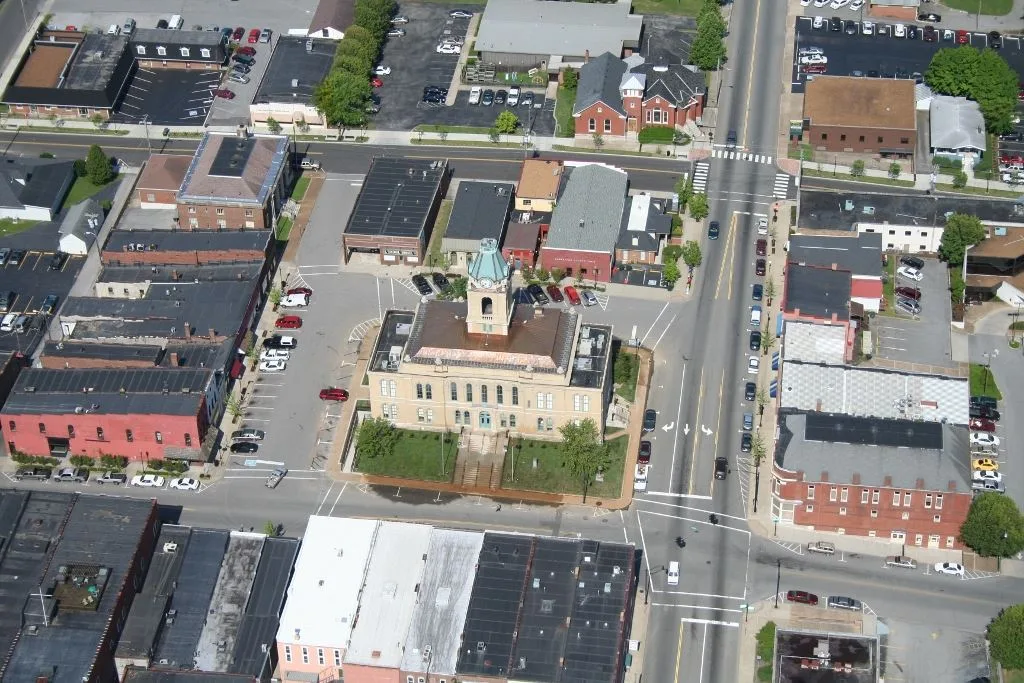
- Downtown Springfield and the historic district - older brick and frame homes near the courthouse square
- Memorial Boulevard and Central Avenue corridors - mixed residential and commercial properties
- Highway 431 and Highway 41 corridors - newer subdivisions and light commercial buildings
- Neighborhoods near Springfield High School and Robertson County Fairgrounds
- Rural properties along Kinneys Road, Wilks Road, and Woodard Street
Service also extends to nearby communities including Greenbrier, White House, Cross Plains, Coopertown, Adams, Cedar Hill, Orlinda, and Ridgetop, plus properties toward the Sumner and Cheatham County lines. Rural addresses on well water and septic systems receive the same emergency response as in-town homes, with added attention to septic-related sewage cleanup and crawl space drying.
Seasonal Damage Patterns in Springfield
Winter (December - February)
- Frozen and burst pipes in crawl spaces and exterior walls during cold snaps
- Peak season for fire damage restoration - space heaters, fireplaces, and holiday cooking
- Smoke damage from chimney flue blockages and puffbacks from furnaces
Spring (March - May)
- Heaviest rainfall of the year, driving flooded basement and crawl space calls
- Storm-driven roof and window leaks after severe weather and hail
- Sewer backups when saturated ground and inflow overload lateral lines
Summer (June - August)
- High humidity fuels mold growth in basements, closets, and attics
- Air conditioning condensate line clogs cause hidden ceiling and wall water damage
- Lightning strikes lead to electrical fires and localized smoke damage
Fall (September - November)
- Clogged gutters from leaf fall push water against foundations
- First heating cycle releases soot and odor from dirty systems
- Ideal window for moisture inspections and mold removal before winter closes homes up
Housing Characteristics & Restoration Considerations
Springfield's housing mix spans century-old homes near the square to subdivisions built in the last two decades. Each construction era responds differently to water, fire, and mold.
Older Homes (Pre-1960)
- Plaster and lath walls hold moisture longer than drywall and need extended drying cycles
- Original hardwood floors over plank subfloors may be saved with mat drying if addressed quickly
- Balloon framing lets smoke and fire travel vertically between floors through open wall cavities
- Stone or block foundations with limited waterproofing invite recurring basement seepage
- Knob-and-tube or early wiring remnants raise electrical fire risk
Mid-Century and 1970s - 1990s Homes
- Vented crawl spaces that trap humidity and support mold on floor joists and insulation
- Cast iron and clay sewer laterals vulnerable to root intrusion and collapse
- Finished basement paneling and carpet that must come out after any contaminated water event
Newer Construction
- Tighter building envelopes trap moisture when drying is incomplete
- Engineered wood and OSB subfloors swell permanently once saturated
- Attached garages and open floor plans allow smoke to spread throughout the structure quickly
- Second-floor laundry rooms create multi-level water losses from a single hose failure
Technicians document material types before drying begins, because the right equipment placement for plaster differs sharply from what works on drywall and engineered flooring.
Environmental Conditions & Damage Implications
Middle Tennessee's climate creates conditions that both cause damage and complicate the recovery process.
Climate Factors
- Annual rainfall well above the national average, concentrated in spring storm systems
- Summer dew points that keep indoor humidity high without active dehumidification
- Freeze-thaw cycling each winter that widens foundation and slab cracks
- Severe weather season bringing wind-driven rain into roof and siding penetrations
Soil and Groundwater
- Clay-heavy soils across Robertson County drain slowly and hold water against foundations
- Karst limestone geology in the region creates unpredictable subsurface water movement
- Perched water tables after storms push moisture through block walls and slab joints
- Expansive soil movement stresses sewer laterals, contributing to backups
Air Quality and Indoor Health
- High regional pollen and outdoor mold spore counts seed indoor colonies once moisture is present
- Smoke residues bond more aggressively to surfaces in humid conditions, making prompt cleaning important
- Crawl space air migrates upward into living space, carrying mold spores and odors with it
Water Conditions
- Mineral-rich water contributes to scale buildup and premature water heater and supply line failure
- Rural properties on wells and septic systems face separate contamination risks during flooding
Restoration plans account for these conditions with dehumidification sized to local humidity levels and moisture verification before any rebuilding starts.
Emergency Response and Insurance Documentation for Robertson County Property Owners
What happens in the first several hours after a loss determines whether you face drying or full reconstruction. Springfield providers including Eagle Eyes Restoration, SERVPRO, CAMCO Construction & Restoration, and WFM Restoration maintain 24/7 emergency availability with certified technicians.
Steps to Take Immediately
- Make safety the first call - leave the structure after a fire or sewage backup until it is cleared.
- Shut off the water main, or the electrical breaker to affected areas if it is safe to reach.
- Contact a restoration provider before moving contents, so the original condition is documented.
- Photograph and video every affected room, including ceilings, closets, and storage areas.
- Notify your insurance carrier and record the claim number and adjuster contact.
- Move undamaged belongings to a dry, unaffected area if you can do so safely.
- Keep receipts for lodging, cleaning supplies, and anything purchased because of the loss.
What Documentation Should Capture
- Moisture readings from walls, subfloors, and framing taken at intake and daily thereafter
- Thermal imaging showing hidden water migration behind finishes
- Equipment logs listing air movers, dehumidifiers, and air scrubbers by room
- Air sampling or surface testing results when mold removal is part of the scope
- Contamination classification for sewage cleanup jobs, which drives disposal requirements
- Room-by-room inventory of smoke-affected contents and cleaning methods used
Working With Your Carrier
- Ask whether the policy covers sump pump failure and sewer backup - these often require separate endorsements.
- Confirm whether mold remediation coverage is capped under your policy.
- Request that the drying log and final moisture verification be included in the claim file.
- Keep your own copy of every report, photo set, and estimate.
Thorough documentation protects the claim and gives you a clear record if hidden damage surfaces months later.





