
Damage Restoration in Greenbrier, TN
- Damage Restoration Services Overview
- Common Damage Restoration Issues in Greenbrier, Tennessee
- Neighborhoods We Serve in Greenbrier
- Seasonal Damage Patterns in Greenbrier
- Housing Characteristics & Restoration Considerations
- Environmental Conditions & Damage Implications
- Emergency Response Timelines and What Happens First in Greenbrier
Damage Restoration Services Overview
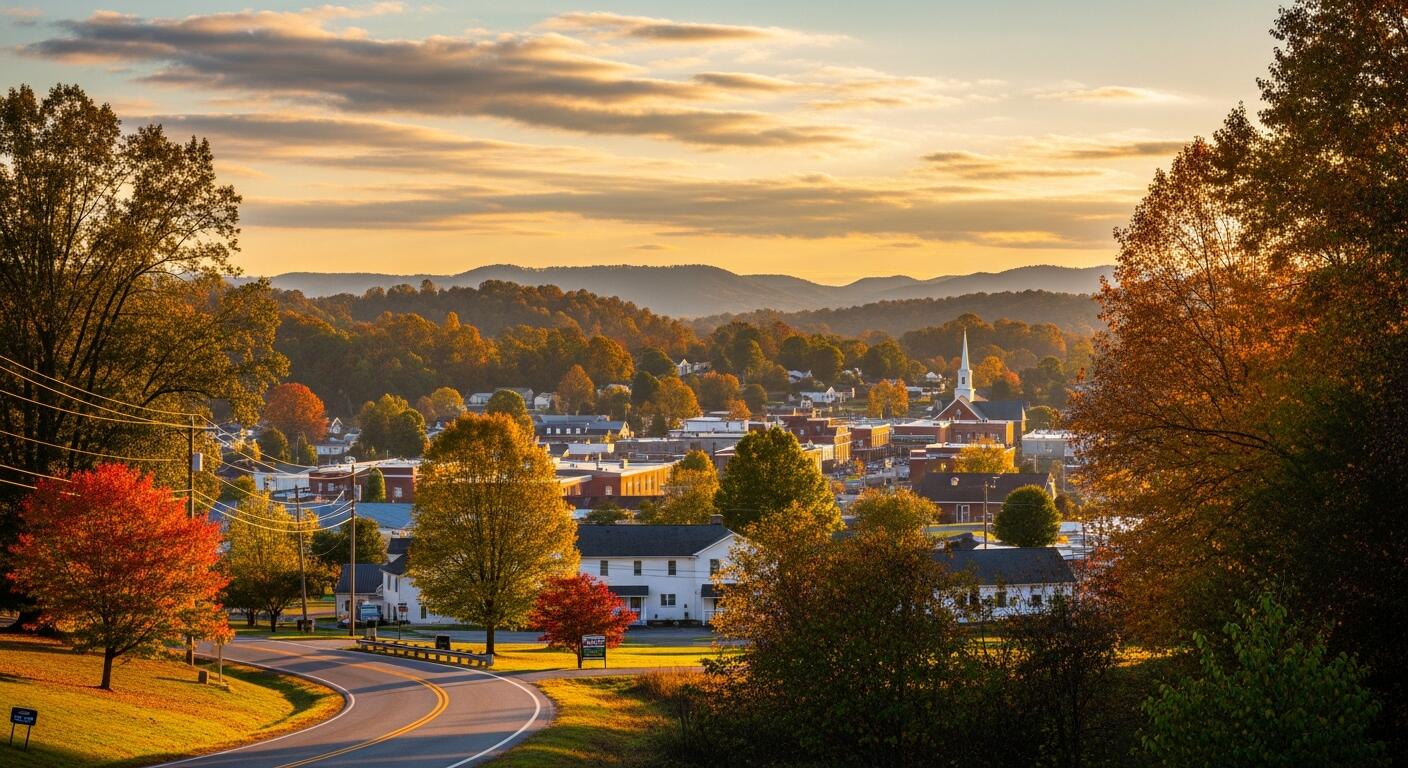
Greenbrier sits in the Red River watershed, and Robertson County averages roughly 50 inches of rain each year - more annual precipitation than Seattle receives. That volume of water, combined with clay-heavy soil and a mix of older farmhouses and newer subdivisions, keeps local property owners dealing with saturated crawl spaces, backed-up drains, and humidity that feeds mold growth.
Restoration work in this part of Tennessee covers a wide spectrum of emergencies, and most properties eventually need at least one of them:
- Water damage restoration - burst supply lines, failed water heaters, roof leaks after severe storms, and appliance overflows
- Flooded basement cleanup - hydrostatic pressure through block walls, sump pump failures, and surface water intrusion
- Sewage cleanup - septic backups, main line clogs from tree roots, and municipal sewer surcharges during heavy rain
- Fire damage restoration - structural cleaning, contents recovery, and board-up services after kitchen, electrical, or heating fires
- Smoke damage restoration - soot removal, odor neutralization, and HVAC decontamination in areas the flames never touched
- Mold removal - containment, source correction, and remediation in crawl spaces, attics, and behind finished walls
The benefit of acting quickly is straightforward: faster drying means fewer materials removed, lower repair scope, and less disruption to daily life or business operations.
Common Damage Restoration Issues in Greenbrier, Tennessee
Local geography drives most of the damage patterns here. Greenbrier's position between the Red River bottoms and rolling upland farmland means water moves fast during downpours and lingers in low spots afterward.
What Causes Most Local Emergencies
- Spring thunderstorm complexes that drop several inches of rain in a few hours, overwhelming yard drainage and sump systems
- Winter pipe freezes in crawl spaces and exterior walls, particularly in homes built before modern insulation standards
- Aging septic systems and drain fields on rural properties along Highway 41 and the county roads
- Tree root intrusion into clay or cast iron sewer laterals in older parts of town
- Space heater, wood stove, and chimney fires during cold snaps
- Chronic crawl space moisture that produces mold long before anyone notices an odor
Warning Signs Worth Investigating
- Musty smells that intensify when the HVAC system cycles on
- Cupping or buckling hardwood floors, especially near exterior doors
- Efflorescence - white chalky residue - on basement or foundation block
- Slow drains throughout the house at the same time, a classic sewer main indicator
- Yellow-brown staining on ceilings after wind-driven rain
- Soot film on window glass or around supply registers following any fire event
- Allergy symptoms that improve when occupants leave the property
Any one of these signals is worth a professional moisture reading before hidden damage spreads into framing and insulation.
Neighborhoods We Serve in Greenbrier
Restoration crews cover the city limits and the surrounding rural stretches of Robertson County, including:
- Downtown Greenbrier and the older residential blocks near Main Street and College Street
- Subdivisions off Highway 41 North and Highway 41 South
- Properties along Distillery Road, Kinneys Road, and Sam Jones Road
- Homes near Greenbrier High School and Greenbrier Middle School
- Rural acreage bordering the Red River and Sulphur Fork Creek
- Surrounding communities including Springfield, Ridgetop, White House, Cross Plains, Millersville, Coopertown, and Goodlettsville
Commercial clients across the area - retail storefronts, churches, warehouses along the rail corridor, restaurants, and medical offices - receive the same emergency response. For business properties, planning centers on keeping operations running while drying, cleaning, and reconstruction proceed in stages.
Seasonal Damage Patterns in Greenbrier
Winter (December - February)
- Frozen and burst pipes during arctic outbreaks, often discovered when temperatures rise and lines thaw
- Peak season for heating-related fire damage and smoke damage from fireplaces and portable heaters
- Ice dam leaks on low-slope roof sections
Spring (March - May)
- Highest volume of flooded basements and crawl space flooding from saturated ground
- Severe storms bringing wind damage, roof breaches, and subsequent interior water intrusion
- Sewage backups as heavy rain infiltrates aging lines and septic drain fields
Summer (June - August)
- Mold growth accelerates as indoor humidity climbs above 60 percent
- Condensate line clogs and AC drain pan overflows soaking ceilings and closets
- Lightning strikes causing electrical fires in attics and service panels
Fall (September - November)
- Ideal window for crawl space encapsulation and moisture correction before winter
- Leaf-clogged gutters redirecting roof runoff against foundation walls
- Early-season furnace startup fires and puff-back soot from oil or gas units
Housing Characteristics & Restoration Considerations
Greenbrier's housing stock spans well over a century, and the construction era of a home shapes nearly every restoration decision made on site.
Common Building Types
- Pre-1950 farmhouses and bungalows - balloon framing, plaster over wood lath, unvented crawl spaces, and sometimes knob-and-tube remnants
- 1960s - 1980s ranch homes - block foundations, limited wall insulation, original cast iron or clay drain lines
- 1990s - 2010s subdivision builds - slab-on-grade or crawl space, engineered flooring, drywall throughout, PVC plumbing
- Newer construction - tighter building envelopes that trap moisture when a leak goes undetected
How Construction Affects the Work
- Cavity drying - Balloon-framed walls let water travel down multiple stories, so wall cavities need injection drying rather than surface air movement alone.
- Material handling - Plaster and lath dry differently than drywall and often can be saved with patience and controlled dehumidification.
- Asbestos and lead awareness - Homes built before 1980 may contain regulated materials in floor tile, mastic, or paint, requiring testing before demolition.
- Crawl space priority - Vented crawl spaces under older homes are the single most common source of whole-house mold and odor complaints in this area.
- Slab foundations - Water under vinyl plank or laminate on slab needs floor removal, since moisture cannot evaporate downward.
- Sewer lateral age - Older cast iron and clay laterals raise the odds of a sewage backup requiring full Category 3 cleanup protocols.
Environmental Conditions & Damage Implications
Middle Tennessee's humid subtropical climate creates conditions that both cause damage and complicate the drying process.
Climate and Moisture
- Summer dew points routinely reach the low 70s, meaning outdoor air cannot be used for drying without dehumidification
- Roughly 120 precipitation days per year keep ground moisture high across most seasons
- Freeze-thaw cycles crack block foundations and stress supply plumbing
Soil and Water
- Clay-rich soils drain slowly, holding water against foundation walls and increasing hydrostatic pressure on basements
- Underlying limestone karst geology creates sinkholes, seeps, and unpredictable subsurface water movement
- Hard, mineral-heavy groundwater accelerates corrosion in older galvanized supply lines
- Rural septic systems on clay soil have limited percolation, raising backup risk during wet stretches
Air Quality Implications
- High pollen and agricultural dust loads mean HVAC systems already carry debris that soot and mold spores cling to
- Smoke damage in tightly sealed newer homes concentrates odor in insulation and duct interiors
- Elevated indoor humidity keeps mold spores viable on porous surfaces long after visible water is gone
These conditions make containment, HEPA filtration, and post-remediation moisture verification standard parts of the process rather than optional add-ons.
Emergency Response Timelines and What Happens First in Greenbrier
Storm damage restoration has been part of the local landscape here since 2011, and the pattern rarely changes: the first several hours determine how much of a property can be saved. Water migrates through drywall and subfloor within minutes, and mold colonies can establish within a day or two in Tennessee humidity.
The Response Sequence
- Call and dispatch - Emergency lines run around the clock, including weekends and holidays, because pipes rarely break during business hours.
- Safety assessment - Technicians check electrical hazards, structural stability, and contamination category before anyone enters a flooded basement or fire-damaged structure.
- Source control - Water is shut off, sewer flow is stopped, or the damaged area is tarped and boarded to prevent further intrusion.
- Extraction and removal - Standing water is pulled out, and unsalvageable materials such as saturated carpet pad, contaminated drywall, or charred framing are documented and removed.
- Drying and cleaning - Air movers and commercial dehumidifiers run alongside antimicrobial application, soot cleaning, or mold containment as needed.
- Verification - Moisture meters and readings confirm materials reached dry standard before rebuilding starts.
- Reconstruction - Flooring, drywall, paint, and trim are restored to pre-loss condition.
What Property Owners Can Do Before Crews Arrive
- Shut off the main water valve if a supply line has failed
- Avoid standing water when electrical panels or outlets may be energized
- Keep everyone away from sewage-affected areas entirely
- Photograph damage for insurance documentation
- Move small valuables and electronics to a dry area if it is safe to do so
- Leave HVAC off after a fire so soot is not pulled through the ductwork
Documentation matters as much as the physical work. Detailed moisture logs, photo records, and itemized scopes give insurance adjusters what they need to move a claim forward without repeated site visits.





