
Damage Restoration in Troy, NY
- Damage Restoration Services Overview
- Common Damage Restoration Issues in Troy, New York
- Neighborhoods We Serve in Troy
- Seasonal Damage Patterns in Troy
- Housing Characteristics & Restoration Considerations
- Environmental Conditions & Damage Implications
- Combined Sewer Backups and Basement Protection in Troy
Damage Restoration Services Overview
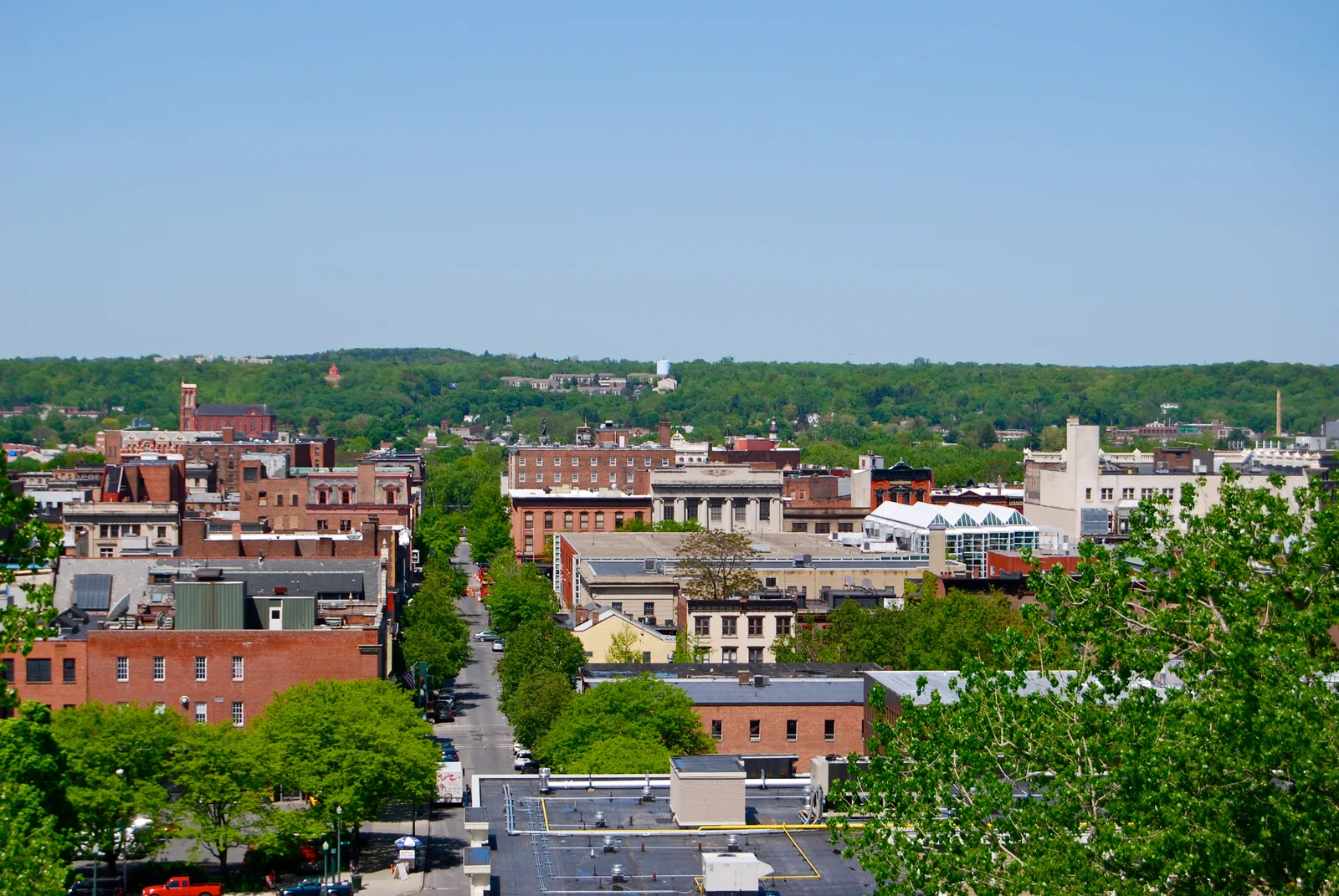
Troy sits on a stretch of the Hudson River where the tidal reach ends at the Federal Dam - meaning the city experiences both river flooding and tidal backwater effects that most upstate communities never face. Add a housing stock where brick row houses from the 1800s still line the streets, and you have a city where water, fire, and mold problems behave differently than they do in newer suburbs.
Local restoration teams handle a full range of emergency and recovery work for Rensselaer County homes and businesses:
- Water Damage Restoration - burst supply lines, failed water heaters, roof leaks, and appliance overflows
- Flooded Basement - groundwater intrusion, sump pump failure, and storm surcharge in below-grade spaces
- Sewage Cleanup - backups from combined sewer lines, floor drain overflow, and lateral blockages
- Fire Damage Restoration - structural drying after suppression, debris removal, and reconstruction
- Smoke Damage Restoration - soot removal, odor neutralization, and content cleaning
- Mold Removal - containment, remediation, and moisture source correction
The benefit of calling early is straightforward: contained damage costs less to fix, salvages more belongings, and keeps families in their homes instead of temporary housing. Around-the-clock response matters most in the first hours, when standing water is still migrating and soot is still setting into finishes.
Common Damage Restoration Issues in Troy, New York
Troy's geography, age, and infrastructure combine to create a predictable set of problems that restoration crews see year after year.
What Drives Damage Locally
- Combined sewer system - heavy rain overwhelms shared storm and sanitary lines, pushing wastewater back through basement floor drains
- Hudson and Poesten Kill flooding - low-lying properties near the river and creek corridors take on water during spring melt and tropical remnants
- Hillside runoff - homes below Sycaway and the eastern slopes receive water that sheets downhill toward foundations
- Aging cast iron and galvanized plumbing - pinhole leaks inside plaster walls go unnoticed for weeks
- Knob-and-tube and early electrical systems - a recognized ignition source in older Troy housing
- Wood and pellet stoves - creosote buildup and improper clearances cause chimney and flue fires
Warning Signs Worth Acting On
- Musty odor in a basement or first-floor closet that returns after ventilation
- Efflorescence - white powdery residue - on stone or brick foundation walls
- Bubbling or peeling paint on plaster, especially near baseboards and window trim
- Floor drains that gurgle when a washing machine discharges
- Yellow-brown staining on ceilings below bathrooms or roof valleys
- Lingering smoke smell that intensifies with humidity, indicating soot still embedded in porous materials
Catching any one of these early usually turns a full remediation project into a targeted repair, and it prevents secondary mold growth that follows unaddressed moisture within days.
Neighborhoods We Serve in Troy
Restoration response covers the full city and the surrounding Rensselaer County communities, including:
- Downtown Troy and the Central Troy Historic District - brownstones, mixed-use buildings, and storefronts near River Street
- Lansingburgh - older frame homes north of the city center along the river
- South Troy - dense row housing and former industrial parcels
- Sycaway and Eastside - mid-century single-family homes on the hill
- Beman Park, Little Italy, and Osgood - tightly spaced homes where fire and water spread between units
- Frear Park and Sunset Terrace - postwar neighborhoods with finished basements
- RPI and Sage campus areas - student rentals and multi-unit properties
Service also extends to Watervliet, Green Island, Cohoes, Wynantskill, Brunswick, North Greenbush, Menands, and Latham, so multi-property owners across the Capital Region work with one team.
Seasonal Damage Patterns in Troy
Each season brings its own failure mode, and knowing the pattern helps homeowners prepare before the call becomes an emergency.
- January - February: Frozen and burst pipes lead the calls, particularly in unheated crawl spaces, vacant units, and exterior walls of older row houses. Chimney and heating-equipment fires peak alongside sustained cold.
- March - April: Snowmelt plus rain saturates soil and drives flooded basement calls. Ice dam runoff shows up as ceiling and wall water damage. Sump pumps that ran all winter start to fail.
- May - June: Rising humidity activates mold in basements and behind wall cavities that got wet in spring.
- July - August: Thunderstorms and remnant tropical systems trigger sewage backups when the combined sewer surcharges. Air conditioning condensate lines clog and leak.
- September - October: Roof and gutter failures from leaf debris cause slow water intrusion. Heating systems fire up after months idle, creating puff-back and smoke damage events.
- November - December: Cooking fires, space heaters, and holiday electrical loads increase fire and smoke restoration work.
Housing Characteristics & Restoration Considerations
Troy has one of the oldest housing inventories in the Capital Region, with a large share of structures built before 1940 and a meaningful cluster from the 19th century industrial boom. That age shapes every restoration decision.
Common Construction Types
- Brick row houses and brownstones - shared party walls let water, smoke, and odor migrate into neighboring units
- Balloon-frame Victorians - open stud cavities run from basement to attic, allowing fire and smoke to travel vertically without obstruction
- Stone and rubble foundations - porous, unsealed, and prone to seepage during high groundwater
- Plaster over wood lath - absorbs water quickly and holds soot in its texture
- Postwar ranches and capes - block foundations with finished basements that suffer heavy content loss when flooded
How This Changes the Work
- Drying plaster requires slower, controlled dehumidification rather than aggressive demolition, preserving original finishes where possible.
- Multi-unit buildings need containment barriers so remediation in one apartment does not contaminate adjoining living space.
- Pre-1978 properties call for lead-safe practices during any surface disturbance, and older insulation may require asbestos screening before removal.
- Stone foundations often need moisture-source correction - grading, downspout extension, drain tile - alongside mold remediation, or the problem returns.
- Tight urban lots limit equipment staging, so crews plan access routes and negative-air venting in advance.
The payoff is restoration that respects historic character while meeting current standards for drying, sanitizing, and rebuilding.
Environmental Conditions & Damage Implications
Troy's humid continental climate produces cold, snowy winters and warm, muggy summers - a combination that stresses buildings from both directions.
Climate and Moisture
- Annual precipitation regularly exceeds 40 inches, spread evenly across the year, with substantial winter snowfall
- Summer dew points frequently climb into the 60s, pushing indoor relative humidity above the 60 percent threshold where mold thrives
- Freeze-thaw cycling opens mortar joints in brick and stone, creating new water entry points each spring
Soil and Groundwater
- Hudson Valley clay and glacial lake sediments drain poorly, holding water against foundation walls
- Steep grade changes between the hill neighborhoods and the riverfront concentrate runoff at the base of slopes
- Shallow water tables near the river keep basement slabs damp even in dry stretches
Air and Water Quality Effects
- Sealed, weatherized older homes trap smoke particulate and mold spores without adequate ventilation
- Hard municipal water accelerates scale buildup in water heaters and supply lines, contributing to sudden failures
- Sewage backups in a combined system carry higher contaminant loads, requiring category three protocols - full removal of porous materials, antimicrobial treatment, and post-remediation verification
Understanding these conditions lets crews size dehumidification correctly, set realistic drying targets for masonry and plaster, and address the underlying moisture source rather than just the visible damage.
Combined Sewer Backups and Basement Protection in Troy
Few problems frustrate Troy homeowners more than a basement that fills with contaminated water during a summer downpour. The cause is structural: much of the city's sewer network carries storm runoff and sanitary waste in the same pipe. When rainfall intensity exceeds capacity, the system surcharges and the nearest relief point is often a residential floor drain.
Why Standard Cleanup Is Not Enough
- Sewage-contaminated water saturates drywall, carpet padding, and stored contents that cannot be sanitized in place
- Bacteria and mold colonize within a short window once organic material stays wet
- Odor persists in concrete and block if the porous surfaces are not properly treated
- Furnaces, water heaters, and electrical panels that were submerged need professional evaluation before reuse
How a Proper Response Unfolds
- Confirm the source is stopped and the space is electrically safe before entry
- Extract standing water and remove unsalvageable porous materials under containment
- Clean and apply antimicrobial treatment to all remaining structural surfaces
- Set dehumidifiers and air movers sized to the cubic footage and material types
- Monitor moisture readings daily until framing, slab, and masonry reach drying goals
- Verify air quality and rebuild finished areas with more resilient materials
Custom Prevention for Troy Basements
- Backwater valves on the sanitary lateral to block reverse flow
- Battery or water-powered backup sump pumps for extended outages
- Elevated mechanical platforms for furnaces and water heaters
- Closed-cell insulation and inorganic wall assemblies in rebuilt finished spaces
- Exterior grading and downspout extensions that move roof water away from stone foundations
Homeowners who pair remediation with these upgrades typically avoid the repeat losses that plague low-lying Troy properties season after season.





