
Damage Restoration in Medina, NY
- Damage Restoration Services Overview
- Common Damage Restoration Issues in Medina, New York
- Neighborhoods We Serve in Medina
- Seasonal Damage Patterns in Medina
- Housing Characteristics & Restoration Considerations
- Environmental Conditions & Damage Implications
- Modern Drying and Remediation Technology for Medina's Older Buildings
Damage Restoration Services Overview
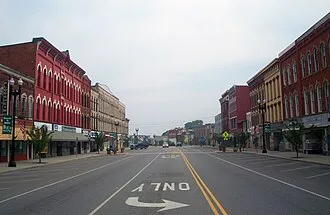
When water pours through a basement wall or smoke settles into every room of a Medina home, the fastest path back to normal is a trained restoration crew with the right equipment. Professional response limits secondary damage, protects belongings, and gives property owners a clear plan instead of guesswork.
Medina property owners have access to a full range of mitigation and rebuild services, each addressing a different type of loss:
- Water Damage Restoration - extraction, structural drying, and moisture mapping after burst pipes, appliance failures, and roof leaks
- Flooded Basement - pump-out, sump and drain evaluation, and drying of foundations, framing, and stored contents
- Sewage Cleanup - safe removal of contaminated water, disinfection of affected surfaces, and disposal of unsalvageable porous materials
- Fire Damage Restoration - board-up, debris removal, soot cleaning, and structural repairs after kitchen, chimney, or electrical fires
- Smoke Damage Restoration - odor neutralization, HVAC cleaning, and treatment of walls, textiles, and hard surfaces
- Mold Removal - containment, filtration, removal of colonized materials, and correction of the moisture source
Key benefits for Orleans County residents include reduced repair costs, healthier indoor air, documented moisture readings for insurance claims, and crews familiar with the older sandstone and wood-frame housing common throughout the village.
Common Damage Restoration Issues in Medina, New York
Medina's position along the Erie Canal, near Oak Orchard Creek, and within reach of Lake Ontario weather creates a distinct pattern of property damage that repeats year after year.
Local Factors Behind Most Losses
- High seasonal groundwater that pushes through fieldstone and sandstone foundation joints
- Lake-effect snow loads that melt rapidly and overwhelm gutters, valleys, and downspout extensions
- Aging clay and cast-iron sewer laterals prone to root intrusion and backups during heavy rain
- Deep winter freezes that split supply lines in unheated crawl spaces, garages, and vacant upper floors
- Older masonry chimneys with cracked crowns, spalling brick, or damaged liners that raise fire risk
- Wood stoves and supplemental heaters used heavily during long, cold stretches
Warning Signs Medina Homeowners Should Watch
- White mineral staining or efflorescence on basement walls
- Musty odors near laundry rooms, sump pits, or under stair storage
- Cupping hardwood, bubbling paint, or soft baseboards along exterior walls
- Gurgling floor drains or slow-draining fixtures on the lowest level
- Yellow-brown ceiling rings after snowmelt or wind-driven rain
- Lingering campfire-like odor that intensifies when the furnace runs
Catching any of these early usually means targeted drying or cleaning instead of demolition and full reconstruction.
Neighborhoods We Serve in Medina
Coverage extends across the Village of Medina and the surrounding rural townships of Orleans and Niagara counties.
- Downtown Medina and the Main Street historic district
- Neighborhoods along West Avenue, Park Avenue, and Prospect Avenue
- Properties near State Street, Eagle Street, and the canal basin
- Homes bordering Oak Orchard Creek and Butts Park
- Town of Ridgeway and Town of Shelby rural properties
- Knowlesville, Millville, and Shelby Basin
- Middleport, Lyndonville, Albion, and Barre
- Farmsteads and outbuildings along Routes 31, 63, and 104
Rural addresses often sit on private wells and septic systems, which changes how sewage cleanup and water damage restoration are handled. Village properties more often involve shared party walls, older municipal laterals, and multi-unit buildings where damage migrates between apartments.
Seasonal Damage Patterns in Medina
Restoration calls in Medina follow a predictable annual rhythm shaped by lake-effect winters and wet springs.
- December through February - frozen and burst pipes drive emergency water damage restoration; chimney and heating-related fires peak, bringing smoke damage restoration work
- March and April - snowmelt combined with saturated ground produces the heaviest volume of flooded basement calls and sump pump failures
- May and June - spring storms overload sanitary and combined lines, leading to sewage cleanup in older village basements
- July and August - humidity and closed-up houses accelerate mold growth in crawl spaces, attics, and finished lower levels
- September and October - remnant tropical systems and wind-driven rain cause roof leaks, ceiling collapses, and hidden wall cavity moisture
- November - first hard freezes catch unwinterized hose bibs, seasonal cottages, and vacant properties
Mold removal requests trail water events by two to six weeks, which is why prompt drying after any spring or summer intrusion matters so much.
Housing Characteristics & Restoration Considerations
Medina's housing stock skews old, with a large share of homes built between the 1880s and 1940s alongside postwar ranches and newer rural builds. That age mix shapes nearly every restoration decision.
Construction Types and Their Restoration Impact
- Medina sandstone and fieldstone foundations - porous and mortar-jointed, they wick groundwater and complicate basement drying; specialty drying panels and low-grain dehumidification are often needed
- Balloon-framed Victorians and farmhouses - open wall cavities let water and smoke travel from the basement to the attic, so moisture mapping must extend well beyond the visible damage
- Plaster and wood lath - holds moisture longer than drywall and can often be saved with controlled drying rather than demolition
- Knob-and-tube or early wiring - requires careful evaluation before crews cut into walls or restore power after a fire
- Coal-era chimneys converted to gas or wood heat - liner defects contribute to both fire and smoke damage losses
- Postwar ranches with block foundations - hollow cores trap water, demanding drilled drainage and extended dehumidification
- Rural properties on septic - a saturated leach field can backfeed fixtures, turning a plumbing issue into a sewage cleanup project
Finished basements added decades after original construction are especially vulnerable, since studs framed tight to stone walls and carpet over concrete create ideal conditions for hidden mold growth.
Environmental Conditions & Damage Implications
Local climate and soil conditions influence how quickly damage develops and how aggressively drying must be managed in Medina.
Climate and Moisture
- Humid continental climate with cold, snowy winters and warm, humid summers
- Substantial annual snowfall influenced by Lake Ontario, producing heavy spring runoff
- Frequent freeze-thaw cycling that widens foundation cracks and damages masonry joints
- Summer dew points high enough to sustain mold growth in unconditioned basements and attics
Soil, Water, and Air Factors
- Clay-heavy and silt loam soils across Orleans County drain slowly and hold hydrostatic pressure against foundations
- Shallow bedrock in some areas limits absorption, sending surface water toward window wells and walkouts
- Hard water with elevated mineral content leaves scale that shortens the life of water heaters and supply lines
- Agricultural surroundings introduce dust, pollen, and organic debris that settle in HVAC systems and feed mold colonies
- Wood and pellet heating in rural areas contributes particulate that compounds smoke odor issues
These conditions mean drying targets must account for high ambient humidity, and mold remediation cannot stop at surface cleaning. Correcting grading, gutter discharge, and sump discharge lines is part of preventing repeat losses on the same property.
Modern Drying and Remediation Technology for Medina's Older Buildings
Historic construction responds best to restoration methods that remove moisture without gutting original materials - and current equipment makes that possible far more often than it once was.
Equipment Used on Medina Projects
- Thermal imaging cameras - reveal moisture behind plaster, inside stone walls, and under stairwells without demolition
- Penetrating and non-penetrating moisture meters - track drying progress in framing, subfloor, and masonry day by day
- Low-grain refrigerant and desiccant dehumidifiers - pull moisture from dense materials like plaster and sandstone that standard units cannot reach
- Injectidry and cavity drying systems - force airflow into wall and floor assemblies through small access points
- Truck-mounted and portable extractors - remove standing water from flooded basements quickly, ahead of the drying phase
- HEPA air scrubbers and negative air machines - capture mold spores and soot particulate during containment
- Hydroxyl generators and thermal fogging - neutralize smoke odor at the molecular level rather than masking it
- Antimicrobial and EPA-registered disinfectants - applied during sewage cleanup to treat structural surfaces after contaminated material is removed
How a Typical Project Progresses
- Emergency contact, safety assessment, and utility shutoff if needed
- Source identification - plumbing failure, roof leak, sewer backup, or groundwater intrusion
- Water extraction or debris and soot removal, with documentation photos throughout
- Removal of unsalvageable porous materials under containment when contamination or mold is present
- Equipment placement, daily monitoring, and adjustment until drying goals are met
- Cleaning, deodorizing, and antimicrobial treatment of remaining surfaces
- Reconstruction - drywall, plaster patching, flooring, trim, and paint to match existing finishes
Detailed moisture logs and photo records support insurance documentation, and correcting the underlying cause - a failed sump, a cracked chimney crown, a compromised lateral - keeps the same room from flooding again next spring.





