
Damage Restoration in Albion, NY
- Damage Restoration Services Overview
- Common Damage Restoration Issues in Albion, New York
- Neighborhoods We Serve in Albion
- Seasonal Damage Patterns in Albion
- Housing Characteristics & Restoration Considerations
- Environmental Conditions & Damage Implications
- Advanced Drying and Odor Technology for Albion Homes
Damage Restoration Services Overview
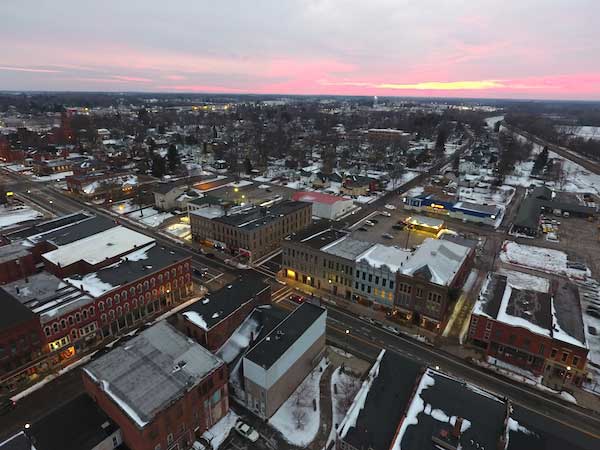
Damage that sits untreated rarely stays contained. A damp basement wall in Albion can turn into warped framing, crumbling drywall, and colonized insulation within days, while soot left on surfaces after a fire etches permanently into metal, glass, and painted finishes.
Fast, structured response protects both the building and the household budget. Restoration work in Orleans County covers a full range of emergency situations:
- Water Damage Restoration - extraction, moisture mapping, and controlled drying of floors, walls, and cavities
- Flooded Basement - pump-out, sump and drain evaluation, and salvage of stored belongings
- Sewage Cleanup - removal of contaminated water and porous materials, followed by antimicrobial treatment
- Fire Damage Restoration - debris removal, structural cleaning, board-up, and content recovery
- Smoke Damage Restoration - soot removal, thermal fogging, HEPA filtration, and odor neutralization
- Mold Removal - containment, source correction, and safe removal of affected materials
Benefits for Albion property owners include:
- Reduced secondary damage to framing, subfloor, and mechanical systems
- Better indoor air quality for households with allergies or asthma
- Documentation that supports insurance claims
- Fewer materials thrown away when drying begins early
Common Damage Restoration Issues in Albion, New York
Western New York weather shapes most of the restoration calls in the village. Lake-effect snow, spring runoff feeding the Erie Canal corridor, and heavy summer downpours all push water toward older foundations.
Local causes we respond to most often
- Frozen and burst supply lines in unheated crawl spaces and porch walls
- Ice damming along steep roofs that forces meltwater behind fascia and into ceilings
- Saturated clay soil driving hydrostatic pressure through block basement walls
- Sump pump failure during power outages from high-wind storms
- Sanitary line backups in older lateral piping, especially after prolonged rain
- Chimney, wood stove, and kitchen fires during the long heating season
- Space heater and holiday lighting fires in December and January
Warning signs Albion homeowners should not ignore
- Musty odor in the basement stairwell or near ductwork
- Staining or bubbling paint along the base of finished basement walls
- Floor tile lifting at seams or hardwood cupping in low-traffic rooms
- Gurgling floor drains or slow toilets in more than one fixture
- Persistent smoke odor that returns when the furnace runs or humidity rises
- Dark speckling on window sills, closet corners, or behind furniture on exterior walls
- Yellow-brown soot streaking above baseboard heaters and outlets
Sewage backups deserve special caution. Category 3 water carries bacteria and requires trained handling, protective equipment, and removal of porous materials rather than surface cleaning.
Neighborhoods We Serve in Albion
Coverage extends across the village and throughout the surrounding rural townships of Orleans County.
- Downtown Albion and the Courthouse Square historic district
- Residential streets off East and West State Street, Main Street, and Platt Street
- Homes along the Erie Canal corridor and Route 31 approaches
- North Main Street and Route 98 north toward Point Breeze
- Neighborhoods near Albion Central School and Mount Albion Cemetery
- Rural properties in the Town of Albion, Barre, Gaines, and Carlton
- Nearby communities including Holley, Medina, Kendall, Lyndonville, and Knowlesville
Farm outbuildings, converted commercial storefronts, and canal-adjacent homes each present distinct drying and cleaning challenges, so crews arrive prepared for both residential and light commercial structures.
Seasonal Damage Patterns in Albion
Winter (December - February)
- Burst pipes during deep freezes and extended sub-zero stretches
- Ice dam leaks into attics and second-floor ceilings
- Peak fire and smoke damage season from furnaces, wood stoves, and chimneys
Spring (March - May)
- Snowmelt and saturated ground producing flooded basements
- Sump pump overload and sewage backups during heavy rain events
- Hidden winter moisture surfacing as visible mold growth
Summer (June - August)
- Thunderstorm downpours overwhelming gutters and window wells
- High humidity fueling mold in basements, crawl spaces, and closets
- Air conditioning condensate leaks and appliance line failures
Fall (September - November)
- Wind-driven rain and roof damage from lake-effect storm fronts
- Clogged leaf-filled gutters redirecting water to the foundation
- First heating cycles releasing smoke odor and puffback soot from oil furnaces
Housing Characteristics & Restoration Considerations
Albion holds a large share of pre-1940 housing, including Greek Revival, Italianate, and Victorian homes built with Medina sandstone foundations and balloon-frame construction. Mid-century ranches and newer builds fill in the outer streets and township roads.
How local construction affects restoration
- Stone and rubble foundations - porous joints wick moisture, so drying often requires low-grain refrigerant dehumidifiers and extended monitoring
- Balloon framing - open wall cavities allow water and smoke to travel between floors, requiring cavity drying and injection systems
- Plaster and lath walls - hold moisture longer than drywall and are worth saving when dried methodically
- Knob-and-tube or updated partial wiring - demands careful power isolation before extraction begins
- Cast iron and clay sewer laterals - prone to root intrusion and backups in older neighborhoods
- Finished basements - carpet pad, paneling, and stored contents absorb water quickly and often need removal
- Blown-in and batt insulation - loses R-value and traps moisture once saturated
Historic homes also carry restoration value in original trim, doors, and hardwood. Soot and water on these materials respond to specialized cleaning methods such as dry sponge work, ultrasonic content cleaning, and gentle abrasive techniques rather than replacement.
Older attics with limited ventilation see repeat mold problems, so remediation pairs removal with airflow and moisture-source correction.
Environmental Conditions & Damage Implications
Albion sits on the Lake Ontario plain, where lake influence, flat terrain, and heavy soils combine to keep moisture near foundations for long stretches of the year.
Conditions that shape restoration work
- Lake-effect precipitation - heavy snow loads and rapid melt cycles push water into basements repeatedly each winter and spring
- Clay-rich, poorly draining soil - slows absorption and increases lateral pressure on block and stone walls
- High seasonal humidity - summer dew points regularly keep indoor relative humidity above the range where mold thrives
- Shallow water table near the canal and creek corridors - contributes to chronic seepage and sump activity
- Hard, mineral-heavy groundwater - leaves residue on surfaces and can complicate cleaning after flooding
- Agricultural surroundings - field runoff and dust add particulates that bind with soot and moisture indoors
What this means for each service
- Drying plans account for ambient humidity, not just visible water
- Basement work usually includes dehumidification well beyond the initial extraction
- Mold removal targets the moisture source, since remediation alone will not hold in a damp environment
- Smoke odor lingers longer in humid conditions, making hydroxyl or ozone treatment part of many fire jobs
- Sewage cleanup includes disinfection of concrete and masonry that absorbed contaminated water
Advanced Drying and Odor Technology for Albion Homes
Modern restoration relies on measurement rather than guesswork. Crews document conditions from the first hour and adjust equipment until materials reach a verified dry standard.
Equipment used on Albion projects
- Thermal imaging cameras - reveal moisture behind plaster, under stairs, and inside stone foundation pockets
- Penetrating and non-penetrating moisture meters - track daily progress in subfloor, framing, and trim
- Truck-mounted and portable extractors - remove standing water from flooded basements before drying begins
- Low-grain refrigerant and desiccant dehumidifiers - pull moisture from dense materials common in older homes
- Axial and centrifugal air movers - create directed airflow across wet surfaces
- Injectidry wall cavity systems - dry inside balloon-frame walls without full demolition
- HEPA air scrubbers and negative air machines - capture mold spores and soot particulate during containment
- Hydroxyl generators and thermal foggers - neutralize smoke odor at the molecular level
- Ultrasonic content cleaning units - restore salvageable belongings after fire and water events
How a typical project unfolds
- Emergency contact and dispatch, available around the clock
- On-site inspection, safety check, and moisture or soot mapping
- Water extraction, debris removal, or containment setup depending on the loss type
- Removal of unsalvageable porous materials such as pad, insulation, and saturated drywall
- Placement of drying equipment with daily readings and adjustments
- Cleaning, antimicrobial application, and odor treatment
- Verification that materials meet dry standards, followed by repair and rebuild planning
Documentation matters as much as equipment. Photos, moisture logs, and material inventories give Albion homeowners and adjusters a clear record of what was affected and why each step was taken.





