
Damage Restoration in Geneva, NY
- Damage Restoration Services Overview
- Common Damage Restoration Issues in Geneva, New York
- Neighborhoods We Serve in Geneva
- Seasonal Damage Patterns in Geneva
- Housing Characteristics & Restoration Considerations
- Environmental Conditions & Damage Implications
- From Emergency Call to Final Walkthrough: Restoration in the Finger Lakes
Damage Restoration Services Overview
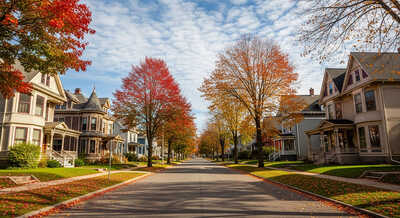
You come home to a Geneva side street after a long weekend, open the door, and hear water running where no water should be. The basement carpet squelches underfoot, the air smells damp and sour, and the drywall along the foundation wall has already darkened. That moment - when a small problem has quietly become a large one - is where professional restoration matters most.
Property owners across Geneva rely on a connected set of services that address both the visible mess and the damage hiding behind finishes:
- Water Damage Restoration - extraction of standing water, structural drying, moisture mapping behind walls and under flooring
- Flooded Basement - pump-out, contents triage, sump and drainage evaluation, dehumidification of below-grade spaces
- Sewage Cleanup - removal of contaminated material, antimicrobial treatment, disinfection of affected surfaces
- Fire Damage Restoration - board-up, debris removal, structural repair, cleanup of suppression water
- Smoke Damage Restoration - soot removal, odor neutralization, duct and HVAC cleaning, contents cleaning
- Mold Removal - containment, source correction, safe removal of colonized materials, air quality restoration
The benefit of handling these under one roof is simple: fewer handoffs, faster drying, and a clear path from emergency response through reconstruction so Geneva homes and businesses return to pre-loss condition.
Common Damage Restoration Issues in Geneva, New York
Geneva sits at the north end of Seneca Lake, and that setting shapes nearly every loss we see. Lake-influenced humidity, steep slopes running toward the water, freeze-thaw cycles, and a housing stock that includes many pre-war homes create a predictable pattern of problems.
Local Causes of Damage
- Spring snowmelt and lake-level rise pushing groundwater against foundation walls
- Heavy summer thunderstorms overwhelming gutters, window wells, and older yard drainage
- Frozen and burst supply lines in unheated crawl spaces, attics, and vacant seasonal properties
- Combined or aging sewer laterals backing up during high-volume rain events
- Sump pump failure during power outages, a frequent cause of flooded basements
- Heating season fires from furnaces, wood stoves, chimneys, and space heaters
Warning Signs Worth Acting On
- A musty odor in the basement or on the lowest stair landing, even when floors feel dry
- Efflorescence - white chalky residue - on block or stone foundation walls
- Peeling paint, cupped hardwood, or baseboards separating from the wall
- Staining on ceiling tiles below bathrooms or roof valleys
- Gurgling floor drains or slow basement fixtures, an early sign of a sewer backup
- Lingering smoke odor that returns on humid days after a small kitchen or furnace fire
- Recurring allergy symptoms that improve when occupants leave the building
Each of these signals points toward moisture, contamination, or residue that has moved beyond surfaces. Addressing the source early keeps a water loss from becoming a mold remediation project.
Neighborhoods We Serve in Geneva
Response covers the full City of Geneva, the Town of Geneva, and surrounding Ontario and Seneca County communities. Older lakefront and historic districts, campus-area rentals, and newer subdivisions each present different restoration challenges.
- South Main Street Historic District and the Lakefront corridor
- Downtown Geneva, Exchange Street, and Castle Street commercial blocks
- Neighborhoods surrounding Hobart and William Smith Colleges
- North Street, Pre-Emption Road, and West Geneva residential areas
- Properties near Seneca Lake State Park and Lakefront Park
- Surrounding communities: Waterloo, Seneca Falls, Phelps, Clifton Springs, Canandaigua, Penn Yan, Newark, and Victor
Multi-tenant buildings downtown and near campus often need phased work so occupants can return to unaffected units while restoration continues elsewhere.
Seasonal Damage Patterns in Geneva
Winter (December - February)
- Burst pipes in exterior walls, attics, and unheated crawl spaces
- Ice dams forcing meltwater under shingles and into ceilings
- Peak season for furnace, chimney, and space heater fires and resulting smoke damage
Spring (March - May)
- Snowmelt combines with rain, saturating soil around foundations
- Seneca Lake levels rise, raising the water table near low-lying properties
- Sump pumps run continuously - failures lead directly to flooded basements
- Sewer systems reach capacity, increasing backup and sewage cleanup calls
Summer (June - August)
- Fast-moving thunderstorms cause roof leaks and window well flooding
- Warm, humid lake air feeds mold growth in basements and closed-up seasonal homes
- Air conditioning condensate line clogs create slow, hidden water damage
Fall (September - November)
- Clogged gutters from leaf fall redirect water toward foundations
- First heating cycles release soot and odor from dirty furnaces and flues
- Ideal window for drainage inspection and mold prevention before winter
Housing Characteristics & Restoration Considerations
Geneva's building stock spans two centuries, and the construction era of a property determines how water, smoke, and mold behave inside it.
Older Homes (pre-1940)
- Stone, rubble, or unreinforced block foundations that wick moisture through porous mortar
- Plaster and lath walls that hold water far longer than drywall and hide moisture from surface readings
- Balloon framing that lets smoke and odor travel from a basement fire straight to the attic
- Potential for lead paint and asbestos in insulation, tile, and pipe wrap - requiring abatement before demolition
- Original hardwood that may be salvageable with controlled drying rather than replacement
Mid-Century and Later Construction
- Poured concrete foundations with cold joints and tie-rod holes that seep under hydrostatic pressure
- Finished basements with carpet, paneling, and framed walls that trap moisture behind them
- Ducted forced-air systems that distribute soot and mold spores building-wide
- Fiberglass batt insulation in rim joists that holds water and must be removed after a flood
Multi-Unit and Commercial Properties
- Shared plumbing stacks that turn one failure into a multi-floor water loss
- Sewage backups affecting common laundry and mechanical rooms
- Phased restoration so occupied units remain habitable during reconstruction
Documentation matters in historic districts. Salvaging original trim, doors, and flooring where possible keeps character intact while meeting drying and sanitation standards.
Environmental Conditions & Damage Implications
Geneva's climate and geology work against dry basements. Understanding those conditions shapes how drying and remediation are planned.
Climate and Humidity
- Roughly 35 inches of annual precipitation plus substantial lake-influenced snowfall
- Summer dew points that keep basement air near saturation, slowing natural drying
- Winter freeze-thaw cycles that widen foundation cracks season after season
- Long humid stretches that let mold colonize damp materials within days
Soil and Groundwater
- Glacial till and clay-heavy soils that drain slowly and hold water against foundations
- Shallow bedrock in some areas, forcing water laterally toward basement walls
- Elevated water tables near Seneca Lake and the Castle Creek corridor
- Hydrostatic pressure that pushes moisture through floor slabs and cove joints
Air and Water Quality Effects
- Smoke residue reacts with humid air, becoming acidic and etching metal, glass, and finishes
- Odor molecules absorb into plaster, insulation, and HVAC ductwork, requiring source removal rather than masking
- Sewage backups introduce bacteria into porous materials that cannot be sanitized in place
- Hard water and mineral deposits can mask slow supply-line leaks behind fixtures
Because ambient conditions rarely favor evaporation, controlled drying with dehumidification and containment produces far better results than open windows and fans.
From Emergency Call to Final Walkthrough: Restoration in the Finger Lakes
A restoration project in Geneva rarely stays in one category. A frozen pipe becomes a water loss, then a mold concern. A kitchen fire leaves smoke residue plus suppression water. Handling every phase with one team removes the gaps where damage spreads.
How the Process Unfolds
- Emergency response - crews arrive around the clock, stop the source, and secure the property with board-ups or tarping when needed.
- Assessment and documentation - moisture meters, thermal imaging, and photo records map affected areas and support the insurance claim.
- Extraction and containment - standing water is pumped out, contaminated materials are isolated, and negative air machines protect unaffected rooms.
- Removal of unsalvageable materials - saturated insulation, carpet pad, and porous items exposed to sewage are removed and disposed of properly.
- Structural drying - air movers and commercial dehumidifiers run until materials reach documented dry standards, with daily readings logged.
- Cleaning and deodorization - soot removal, antimicrobial application, contents cleaning, duct cleaning, and odor treatment.
- Reconstruction - drywall, flooring, trim, painting, structural repairs, and abatement where lead or asbestos is present.
- Final walkthrough - verification readings, review of completed work, and a clear handoff of documentation.
Why Local Experience Matters
- Familiarity with Geneva's stone foundations, plaster walls, and historic district expectations
- Knowledge of how Seneca Lake levels and spring melt affect basement drying timelines
- Working relationships with area insurance adjusters and municipal inspectors
- Phasing plans that let downtown businesses and campus-area rentals stay partly operational
- Certified technicians trained in water, fire, smoke, and mold protocols
The result is a single point of accountability from the first phone call through the last coat of paint - less coordination for you, and a property returned to pre-loss condition or better.





