Damage Restoration in Island County, WA
- Damage Restoration Services Overview
- Common Damage Restoration Issues in Island County, Washington
- Neighborhoods We Serve in Island County
- Seasonal Damage Patterns in Island County
- Housing Characteristics & Restoration Considerations
- Environmental Conditions & Damage Implications
- Crawl Spaces, Septic Systems, and Why Island Restoration Demands Extra Diligence
Damage Restoration Services Overview
You wake up on a January morning in Oak Harbor to the sound of dripping. A supply line behind the washing machine let go overnight, and an inch of water has spread across the laundry room, down the hall, and into the carpeted bedroom. By the time you find the shutoff, the subfloor is saturated and the baseboards are wicking moisture upward.
Situations like this move quickly, and so should the response. Island County properties face a distinct mix of marine air, saturated soils, and aging island housing stock that makes moisture problems escalate faster than most owners expect.
Restoration work here typically covers:
- Water damage restoration - extraction, structural drying, and moisture mapping after plumbing failures, roof leaks, or storm intrusion
- Flooded basement recovery - pumping, dehumidification, and treatment of below-grade spaces and crawl areas
- Sewage cleanup - containment, removal of contaminated materials, and disinfection following septic backups or drain line failures
- Fire damage restoration - debris removal, structural stabilization, and reconstruction of burned areas
- Smoke damage restoration - soot removal from surfaces, contents cleaning, and odor neutralization
- Mold removal - containment, controlled remediation, and correction of the moisture source feeding growth
The benefit of coordinated service is simple: one team tracks the moisture, the contamination, and the rebuild so problems do not resurface months later behind new drywall.
Common Damage Restoration Issues in Island County, Washington
Whidbey and Camano Islands sit in a marine climate with persistent humidity, heavy autumn and winter rainfall, and exposure to windstorms rolling in off the Strait of Juan de Fuca and Saratoga Passage. That combination drives most of the restoration calls in the county.
Frequent Causes of Damage
- Windstorms bringing down fir and alder limbs onto roofs, creating openings for rain intrusion
- Clogged or undersized gutters overflowing against foundations and siding
- Bluff and slope runoff pushing groundwater into daylight basements and crawl spaces
- Septic system failures and saturated drain fields backing sewage into lower-level fixtures
- Frozen or split pipes in unheated crawl spaces during cold snaps
- Chimney, woodstove, and space heater fires during the long heating season
- Wildfire smoke drifting in from regional fires during late summer
Warning Signs Island County Homeowners Should Watch For
- A musty odor that gets stronger when the furnace or heat pump runs
- Cupping or darkening hardwood near exterior walls and doorways
- Condensation on crawl space ductwork or standing water on the vapor barrier
- Slow drains, gurgling toilets, or soggy ground above the drain field
- Peeling paint, blistered trim, or rust stains at siding seams
- Persistent smoke smell returning on warm, humid days after a fire
- Visible black, green, or white growth on framing, insulation, or the backs of baseboards
Many island homes sit vacant part of the year as seasonal residences, which means leaks can run for weeks before anyone notices. Regular checks during the wet season catch small failures before they become full structural drying projects.
Neighborhoods We Serve in Island County
Coverage extends across both major islands and the smaller communities in between, including:
- Oak Harbor - including neighborhoods near the Naval Air Station, Crescent Harbor, and Rocky Point
- Coupeville - the historic waterfront district, Penn Cove, and surrounding Ebey's Reserve farmland properties
- Langley and Clinton - South Whidbey homes along Saratoga Passage and Possession Sound
- Freeland, Greenbank, and Bayview - central Whidbey residences and rural acreage
- Camano Island - Camano City, Utsalady, Madrona Beach, and Tillicum
- Outlying areas - Dugualla Bay, San de Fuca, Maxwelton, Sandy Point, and Mutiny Bay
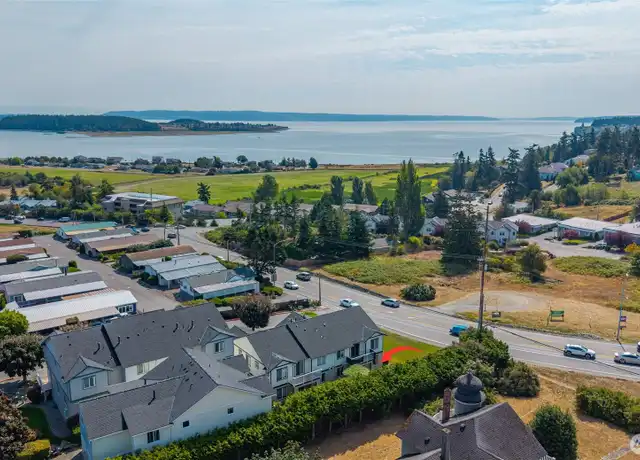
Waterfront and bluff-side properties, mid-century beach cabins, newer subdivisions, and working farm buildings all present different access and drying challenges. Ferry timing, narrow shoreline access roads, and long private driveways factor into how equipment is staged, so route planning is part of every dispatch.
Seasonal Damage Patterns in Island County
Restoration demand across the county follows a predictable rhythm tied to the marine weather cycle.
- November through February - peak season for storm-driven water intrusion, flooded basements, saturated crawl spaces, and roof failures from wind and falling limbs. Cold snaps produce burst pipes in uninsulated crawl areas and vacation homes.
- December through March - highest volume of heating-related fire and smoke damage from woodstoves, chimneys, and supplemental heaters, along with septic backups when drain fields reach saturation.
- March through May - mold growth becomes visible as temperatures rise while structures still hold winter moisture. Post-storm hidden damage is often discovered during spring cleaning and inspections.
- June through August - drier months are ideal for reconstruction, crawl space encapsulation, drainage corrections, and preventive work. Late summer brings regional wildfire smoke that settles into HVAC systems and soft furnishings.
- September through October - the first heavy rain events reveal gutter, flashing, and grading problems that went unaddressed over summer, triggering a fresh round of water damage calls.
Scheduling gutter cleaning, roof inspections, and crawl space checks in early autumn heads off a large share of winter emergencies.
Housing Characteristics & Restoration Considerations
Island County housing spans well over a century of building practice, and each era responds differently to water, smoke, and microbial growth.
Common Construction Types
- Historic Coupeville and Langley homes - late 1800s and early 1900s wood frame with plaster, lath, and old-growth fir. These absorb water deeply and require slower, monitored drying to avoid cracking finishes.
- Mid-century beach cabins - post-and-pier foundations, minimal insulation, single-wall construction, and low crawl clearances that complicate extraction and mold work.
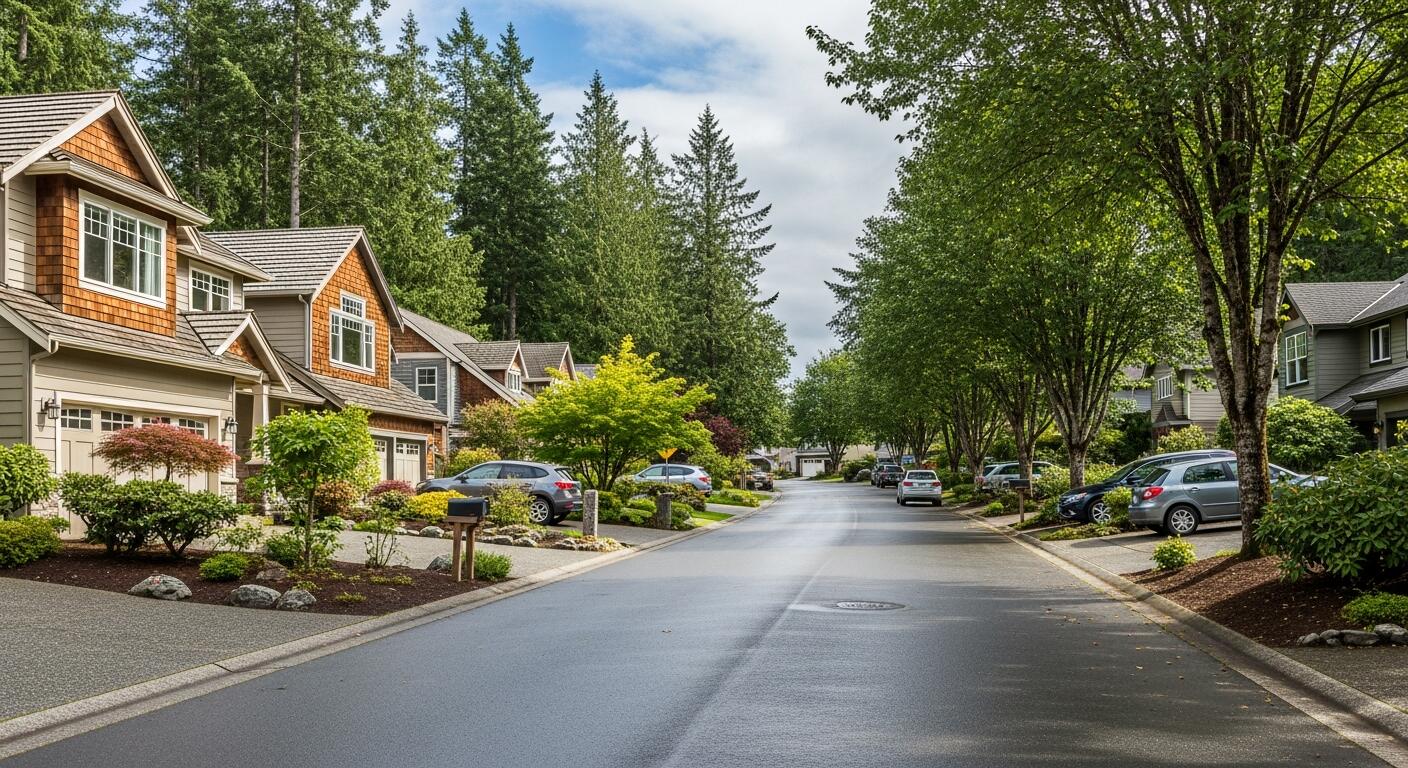
- 1970s-1990s subdivisions - Oak Harbor and Camano tracts with vented crawl spaces, wood siding, and original galvanized or polybutylene supply lines prone to failure.
- Newer construction - tighter envelopes, engineered flooring, and spray foam or dense insulation that traps moisture against sheathing when a leak occurs.
- Manufactured and modular homes - belly wrap and skirted underfloor systems that hold water and require specialized drying access.
How This Shapes the Work
- Vented crawl spaces are the most common location for hidden mold across the county, and they are usually the first place inspected
- Homes on private septic need contamination protocols and disinfection when backups occur, not simple wet-vac cleanup
- Older wiring and knob-and-tube remnants demand caution during fire and water mitigation
- Pre-1980 materials may include asbestos-containing flooring, mastic, or insulation that requires testing before demolition
- Cedar shingles, T1-11 siding, and single-pane windows influence how storm repairs and moisture barriers are rebuilt
Environmental Conditions & Damage Implications
The Puget Sound rain shadow gives parts of Whidbey less annual rainfall than Seattle, yet humidity stays high nearly year-round. Structures rarely get a chance to fully dry out between wet events, which changes how restoration is planned.
Local Conditions That Matter
- Marine air and salt spray - accelerate corrosion on fasteners, flashing, and HVAC coils, and add chloride residue that complicates smoke and soot cleaning on waterfront homes
- Glacial till and clay-heavy soils - drain slowly, perch water above the till layer, and push groundwater sideways into foundations and daylight basements
- Bluff and slope drainage - runoff from upland properties concentrates at the base of slopes, a frequent cause of repeat basement flooding
- Shallow water tables in low-lying areas - near Penn Cove, Dugualla Bay, and Maxwelton, seasonal groundwater reaches crawl space grade
- Mild temperatures - rarely cold enough to slow mold, so growth continues through winter inside heated wall cavities
- Wildfire smoke events - late-summer haze deposits fine particulate in ducts, attic insulation, and porous contents
Practical Implications
- Dehumidification carries more of the drying load than open-air ventilation, since outdoor air is often too humid to help
- Drainage correction, regrading, and native vegetation with deep root systems reduce runoff pressure on foundations
- Septic drain field saturation raises sewage backup risk during extended rain
- Moisture readings should be verified at multiple depths before closing walls, given how slowly island framing releases water
Crawl Spaces, Septic Systems, and Why Island Restoration Demands Extra Diligence
The single biggest difference between mainland and island restoration work is what sits under the floor. A large share of Island County homes rest over vented crawl spaces or post-and-pier foundations with limited clearance, and that space acts as the collection point for nearly every moisture problem a house can have.
What a Thorough Crawl Space Assessment Includes
- Full visual inspection of the vapor barrier, piers, girders, and joists for standing water, staining, or microbial growth
- Moisture meter readings taken at multiple points on framing and subfloor sheathing, not just the obvious wet area
- Thermal imaging to trace water migration paths behind walls and beneath finished flooring
- Inspection of ductwork, insulation, and plumbing penetrations for condensation and leaks
- Evaluation of exterior grading, downspout discharge, and footing drains feeding water toward the structure
- Documented drying plan with daily monitoring until readings reach dry-standard levels
Septic-Related Sewage Events
Most properties outside Oak Harbor and Coupeville rely on on-site septic. When a drain field saturates during winter rain, wastewater can back up into lower fixtures or surface near the tank. That water is Category 3 - handled with containment, negative air pressure, removal of porous materials, and antimicrobial treatment of remaining surfaces.
Details That Protect the Long-Term Building
- Removing wet insulation rather than drying it in place, since fiberglass holds moisture against framing
- Sealing and encapsulating crawl spaces where chronic humidity is the underlying issue
- Coordinating shoreline and drainage improvements when runoff is the repeat cause
- Verifying odor neutralization after fire and smoke work, including duct cleaning, since marine humidity can reactivate residual smells
- Photographing and documenting every stage for insurance and future reference
Fixing the visible damage without addressing the water source simply resets the clock. Lasting results come from tracing the problem to its origin and rebuilding with island conditions in mind.