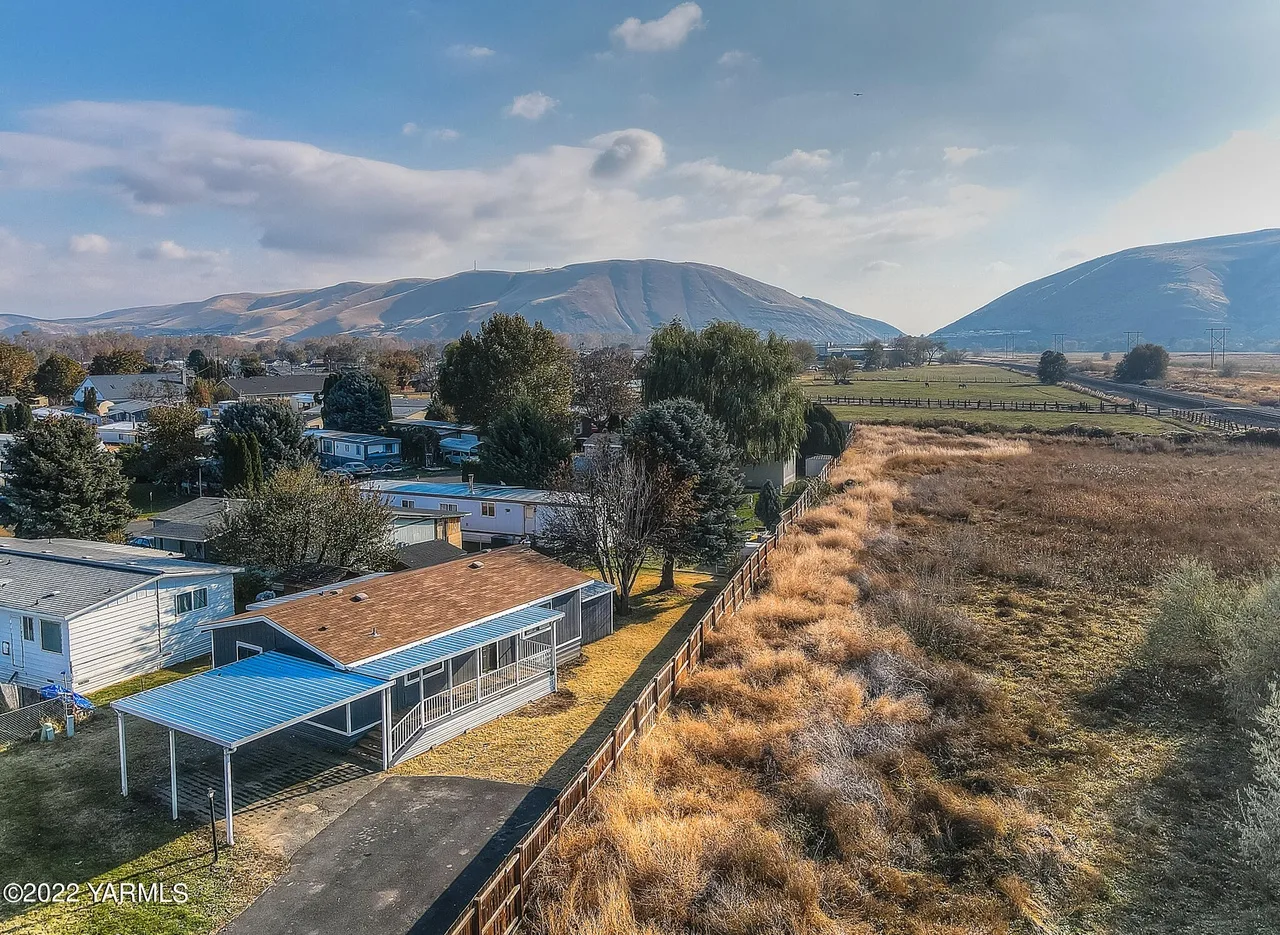
Damage Restoration in Yakima, WA
- Damage Restoration Services Overview
- Common Damage Restoration Issues in Yakima, Washington
- Neighborhoods We Serve in Yakima
- Seasonal Damage Patterns in Yakima
- Housing Characteristics & Restoration Considerations
- Environmental Conditions & Damage Implications
- Agricultural Property Damage Restoration Challenges
Damage Restoration Services Overview
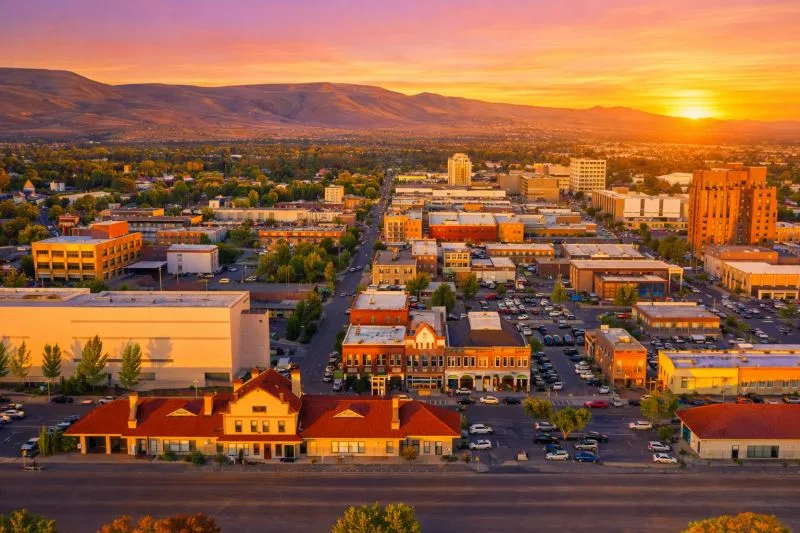
When disaster strikes your Yakima property, the first 12 to 48 hours are critical for minimizing damage and beginning effective restoration. Property emergencies demand immediate professional intervention to prevent secondary damage and protect your investment.
Professional damage restoration services in Yakima address multiple emergency scenarios:
- Water Damage Restoration - Extracting standing water, drying affected areas, and preventing structural deterioration
- Flooded Basement - Comprehensive basement water removal and moisture control solutions
- Sewage Cleanup - Safe removal and sanitization of contaminated water and materials
- Fire Damage Restoration - Structural repairs, debris removal, and property reconstruction
- Smoke Damage Restoration - Odor elimination, soot removal, and air quality restoration
- Mold Removal - Complete remediation and prevention of fungal growth
IICRC certified restoration professionals use advanced equipment and proven techniques to restore your property efficiently. Quick response times help minimize damage spread, reduce restoration costs, and get your life back to normal faster.
Common Damage Restoration Issues in Yakima, Washington
Yakima's semi-arid climate and geographic location create specific challenges for property owners. The Yakima Valley's irrigation systems and seasonal weather patterns contribute to various damage scenarios throughout the year.
Water-related damage frequently occurs from:
- Spring snowmelt overwhelming drainage systems and causing basement flooding
- Irrigation system failures during growing season affecting nearby properties
- Frozen pipe bursts during winter temperature drops
- Appliance malfunctions in older homes with outdated plumbing
- Sewage backups from overwhelmed municipal systems during heavy rainfall
Fire and smoke damage risks include:
- Wildfire exposure during dry summer months affecting air quality
- Chimney fires in homes using wood heating systems
- Electrical fires from older wiring in vintage properties
- Kitchen fires from cooking accidents
Mold growth occurs when:
- Basement moisture accumulates from poor ventilation
- Hidden water damage goes undetected behind walls
- HVAC systems circulate contaminated air
- Bathrooms lack proper exhaust ventilation
Early warning signs include water stains, musty odors, visible mold growth, peeling paint, warped flooring, and unusual utility bill increases.
Neighborhoods We Serve in Yakima
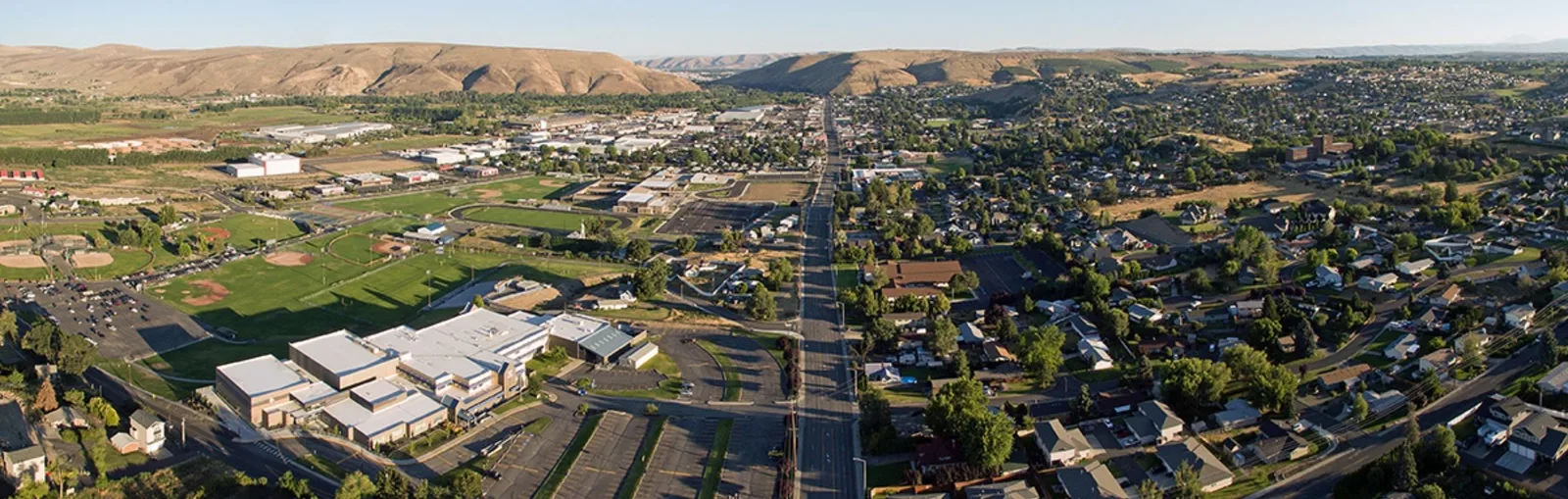
Our damage restoration services cover all Yakima neighborhoods and surrounding communities. We respond quickly to emergency calls throughout the greater Yakima Valley area.
Primary service areas include:
- Downtown Yakima - Historic buildings and commercial properties
- West Valley - Residential neighborhoods and newer developments
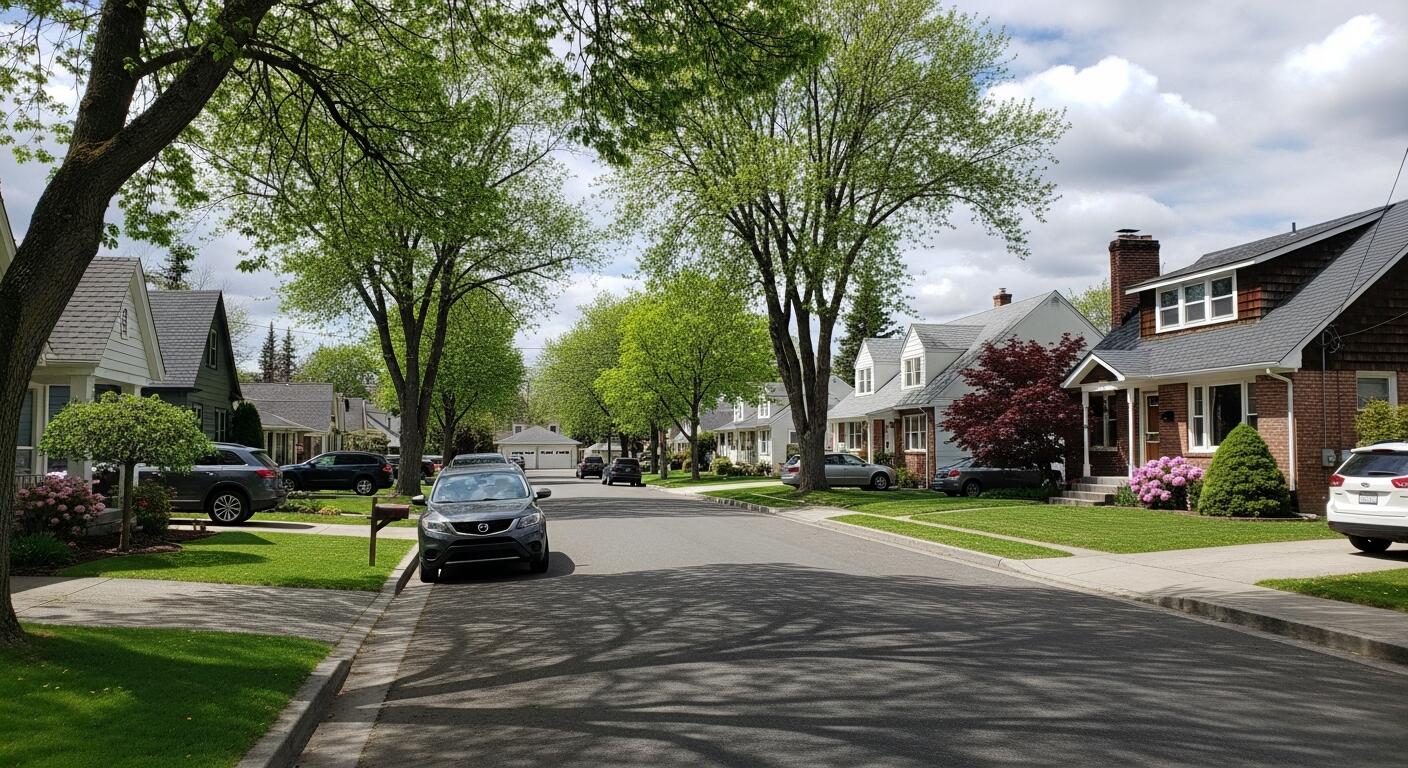
- East Yakima - Established communities with mature landscaping
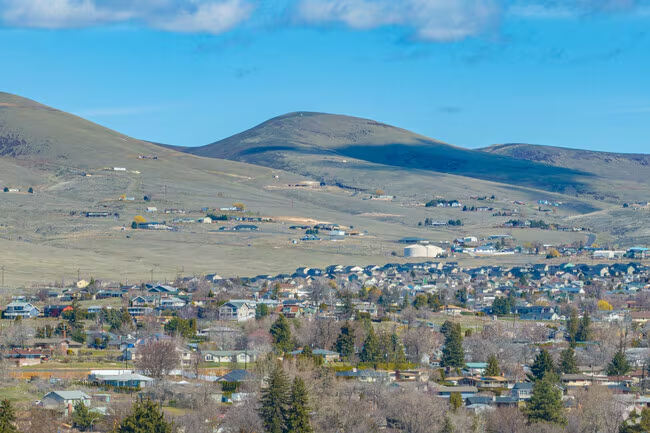
- Terrace Heights - Hillside homes with unique drainage considerations
- Wide Hollow - Rural properties with well water systems
- Gleed - Agricultural area homes and outbuildings
- Moxee - Growing suburban community
- Union Gap - Mixed residential and commercial properties
We also serve surrounding areas including Selah, Tieton, Naches, and other Yakima County communities within our response zone.
Seasonal Damage Patterns in Yakima
Yakima's four distinct seasons each present unique damage restoration challenges. Understanding these patterns helps property owners prepare for potential issues.
Spring (March-May) brings the highest risk for water damage and basement flooding as snowmelt combines with spring rains. Irrigation systems restart, increasing pipe failure risks.
Summer (June-August) creates peak conditions for:
- Wildfire smoke damage from regional fires
- Air conditioning failures leading to humidity problems
- Irrigation-related water damage in agricultural areas
- Electrical fires from increased power usage
Fall (September-November) sees increased mold growth as humidity rises and heating systems restart. Leaf accumulation can block drainage systems.
Winter (December-February) presents risks including:
- Frozen pipe bursts during temperature drops
- Chimney and heating system fires
- Ice dam formation causing roof leaks
- Carbon monoxide issues from heating equipment
Housing Characteristics & Restoration Considerations
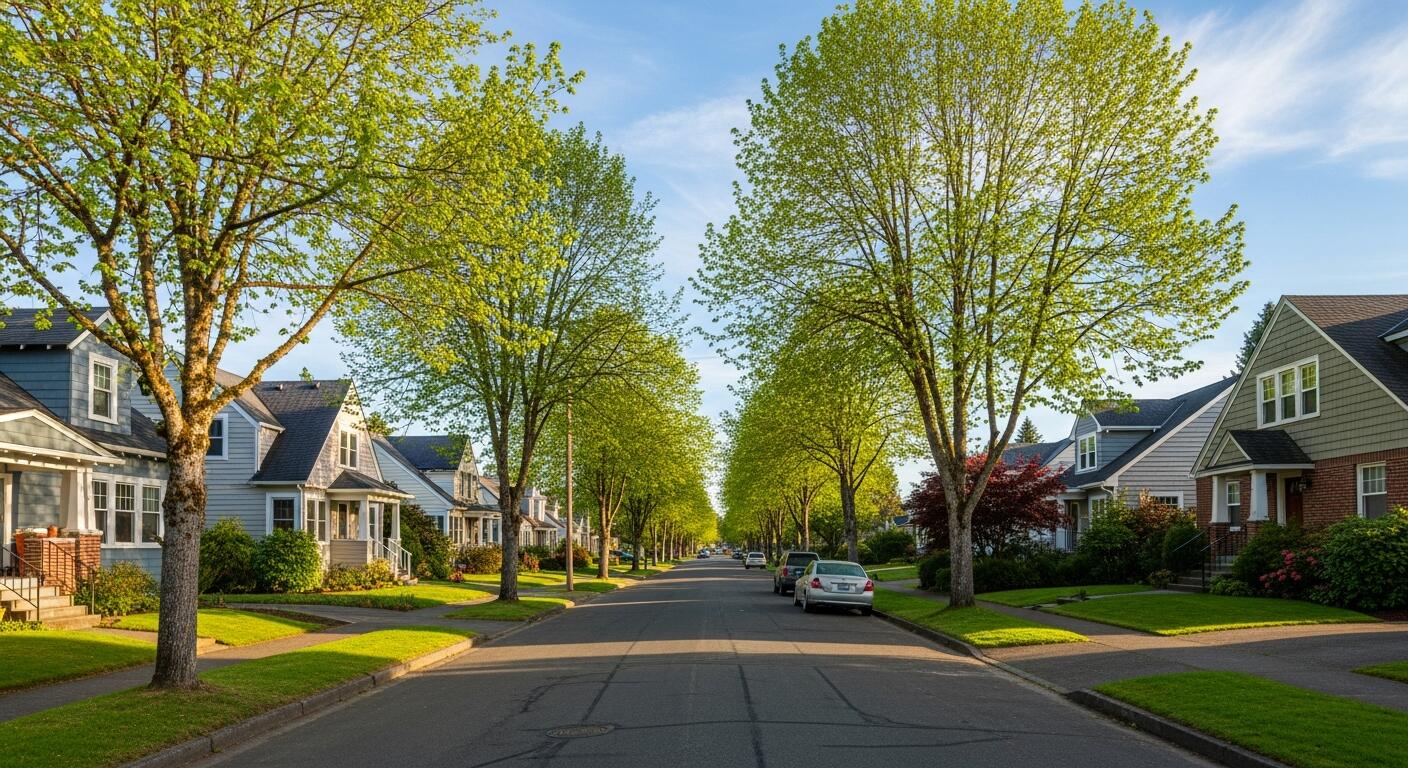
Yakima's housing stock reflects the area's agricultural heritage and steady growth patterns. Understanding local construction characteristics helps restoration professionals address damage effectively.
Typical housing features include:
- Construction Era - Mix of early 1900s farmhouses, mid-century ranch homes, and modern developments
- Foundation Types - Concrete basements, crawl spaces, and slab-on-grade construction
- Building Materials - Wood frame construction with various siding materials
- Heating Systems - Forced air, baseboard heating, and wood-burning appliances
Older homes often require specialized restoration approaches:
- Knob-and-tube wiring increases electrical fire risks
- Original plumbing systems may have galvanized pipes prone to corrosion
- Asbestos and lead materials require certified removal procedures
- Poor insulation contributes to moisture and temperature control issues
Newer constructions typically feature:
- Modern electrical and plumbing systems
- Improved insulation and vapor barriers
- Central HVAC systems requiring specialized cleaning after smoke damage
- Engineered lumber that may react differently to water exposure
Environmental Conditions & Damage Implications
Yakima's semi-arid climate and geographic location create specific environmental factors affecting damage restoration processes. The area receives approximately 8 inches of annual precipitation, with most occurring during winter and spring months.
Climate characteristics impacting restoration include:
- Low Humidity - Typically 30-50% relative humidity aids drying but can cause material shrinkage
- Temperature Extremes - Summer highs over 90°F and winter lows below freezing stress building materials
- Wind Patterns - Strong winds can spread fire damage and complicate smoke odor removal
- Dust Levels - Agricultural activities create airborne particles affecting air quality restoration
Soil and water conditions affect restoration approaches:
- Clay-rich soils retain moisture, potentially causing foundation settlement after water damage
- Alkaline soil conditions can affect concrete and masonry restoration materials
- Hard water with high mineral content leaves deposits requiring specialized cleaning
- Irrigation water quality varies, affecting cleanup procedures for agricultural properties
Air quality considerations include seasonal wildfire smoke, agricultural dust, and industrial emissions from food processing facilities. These factors require specialized filtration and cleaning protocols during smoke damage restoration and mold remediation projects.
Agricultural Property Damage Restoration Challenges
Yakima's position as the heart of Washington's agricultural industry creates unique damage restoration scenarios not found in typical residential markets. Farm properties, food processing facilities, and agricultural support buildings require specialized restoration expertise.
Agricultural water damage often involves contaminated sources:
- Irrigation system failures can flood buildings with field water containing pesticides and fertilizers
- Livestock waste contamination requires biohazard cleanup protocols
- Processing facility spills involve organic materials prone to rapid bacterial growth
- Well water contamination affects cleanup water quality and restoration procedures
Fire damage on agricultural properties presents complex challenges:
- Hay and grain storage fires create intense heat and persistent odors
- Chemical storage areas require hazardous material cleanup expertise
- Large building footprints demand extensive smoke damage assessment
- Equipment and machinery require specialized cleaning and restoration
Seasonal agricultural activities affect restoration timing and methods. Harvest season emergencies require rapid response to prevent crop loss, while winter storage periods allow for extensive renovation projects. Processing facilities must maintain food safety standards throughout restoration work.
Local restoration professionals understand these agricultural complexities and coordinate with insurance adjusters familiar with farm property claims. They work within regulatory requirements for food production facilities and maintain certifications for handling agricultural chemicals and biological contaminants.