Damage Restoration in Whatcom, WA
- Damage Restoration Services Overview
- Common Damage Restoration Issues in Whatcom, Washington
- Neighborhoods We Serve in Whatcom
- Seasonal Damage Patterns in Whatcom
- Housing Characteristics & Restoration Considerations
- Environmental Conditions & Damage Implications
- Flood Zone Considerations and Restoration Planning
Damage Restoration Services Overview
Since 1973, Whatcom County has been home to pioneering restoration services, with Swan's Clean Care & Restoration becoming the first carpet cleaning business in the area. Today, this legacy continues with comprehensive damage restoration solutions that protect homes and businesses throughout the region.
Professional restoration services in Whatcom County address multiple types of property damage:
- Water Damage Restoration - Extracting standing water and drying affected structures
- Flooded Basement - Specialized basement water removal and moisture control
- Sewage Cleanup - Safe removal of contaminated water and sanitization
- Fire Damage Restoration - Structural repairs and content cleaning after fires
- Smoke Damage Restoration - Odor elimination and surface cleaning
- Mold Removal - Professional remediation and prevention strategies
The Pacific Northwest climate creates unique challenges for property owners. High humidity levels, seasonal rainfall, and temperature fluctuations can accelerate damage if not addressed promptly. Local restoration specialists understand these regional factors and respond accordingly.
Professional restoration services provide 24/7 emergency response, advanced moisture detection equipment, and comprehensive documentation for insurance claims. This immediate action prevents secondary damage and reduces overall restoration costs for Whatcom County residents.
Common Damage Restoration Issues in Whatcom, Washington
Whatcom County's location between Puget Sound and the Cascade Mountains creates specific environmental conditions that lead to property damage. Understanding these patterns helps homeowners recognize problems early.
Water-related damage occurs frequently due to:
- Heavy winter rainfall overwhelming drainage systems
- Snowmelt causing foundation seepage
- Aging plumbing in older neighborhoods
- Storm surge affecting coastal properties
- Basement flooding during spring thaw periods
Fire and smoke damage often results from:
- Wildfire smoke infiltration during summer months
- Chimney fires in wood-burning homes
- Electrical issues in older construction
- Kitchen fires from holiday cooking
Mold growth accelerates in Whatcom's humid climate, particularly when:
- Indoor humidity exceeds 60% for extended periods
- Poor ventilation traps moisture in bathrooms and basements
- Roof leaks go undetected during rainy seasons
- Crawl spaces lack proper moisture barriers
Sewage backups become more common during heavy rainfall when municipal systems reach capacity. Warning signs include slow drains, gurgling sounds, and unpleasant odors from floor drains.
Neighborhoods We Serve in Whatcom
Restoration services cover all areas throughout Whatcom County, including urban centers and rural communities. Each neighborhood presents unique restoration challenges based on housing age, elevation, and proximity to water sources.
Primary service areas include:
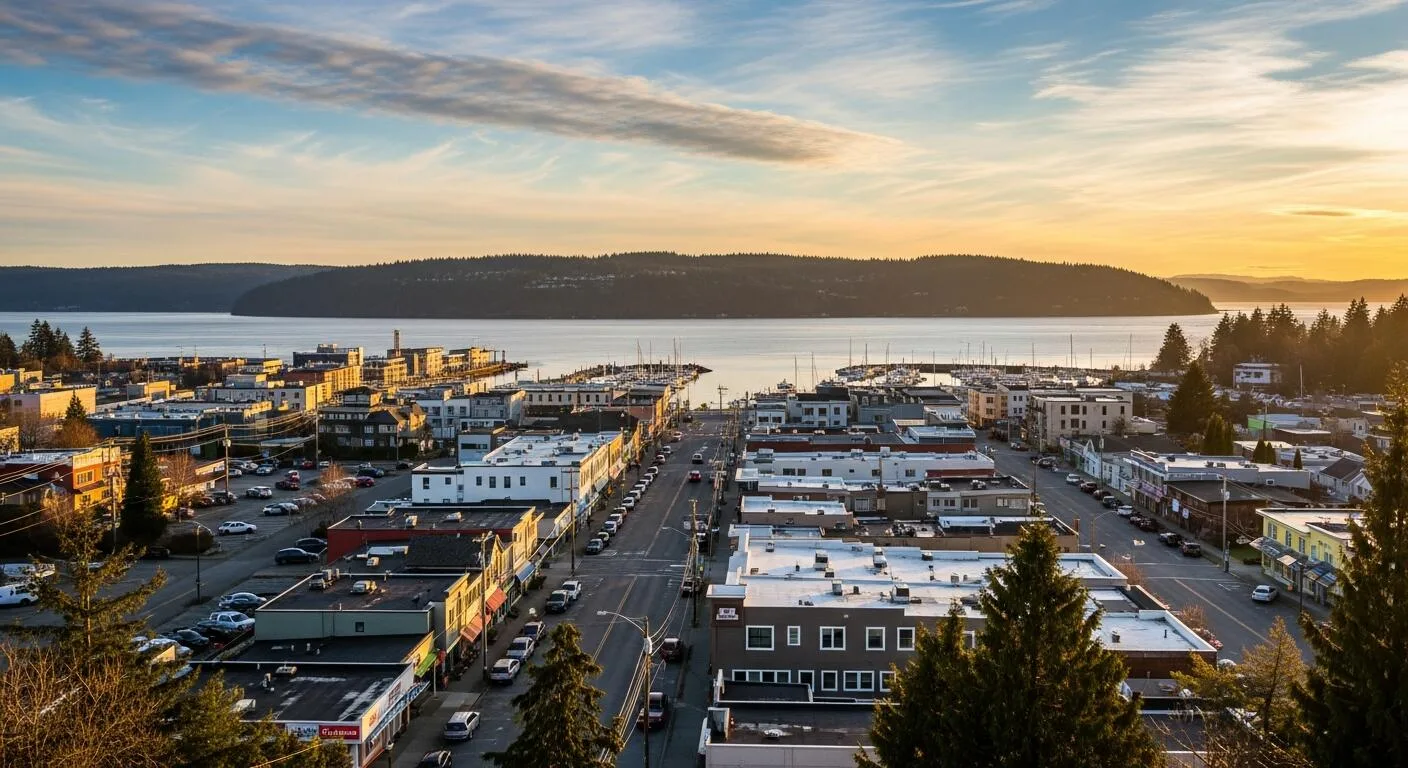
- Bellingham - Historic downtown areas and newer residential developments
- Ferndale - Agricultural properties and suburban neighborhoods
- Lynden - Rural homes and commercial dairy operations
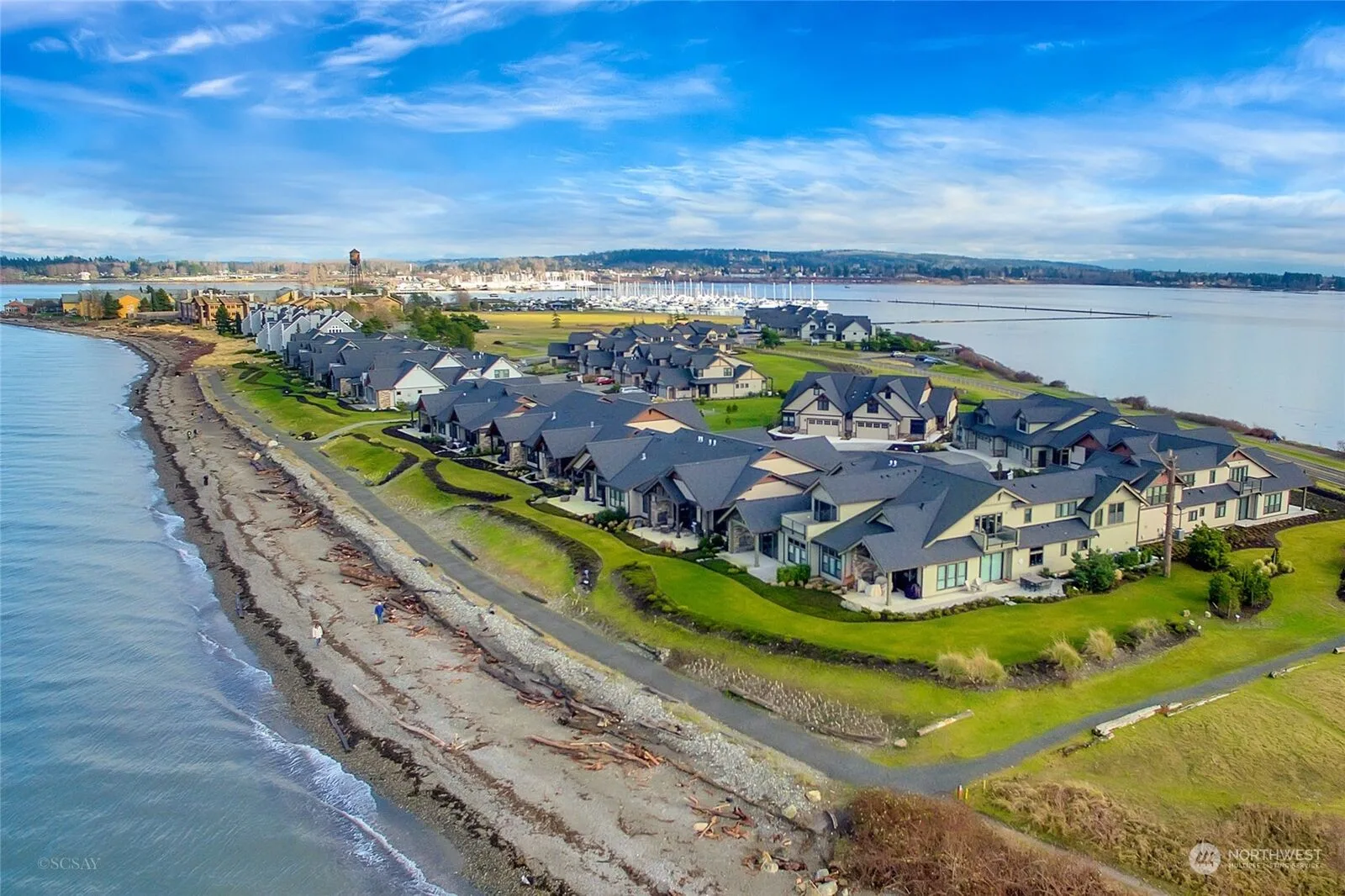
- Blaine - Coastal properties affected by storm surge
- Everson - Riverside locations prone to seasonal flooding
- Sumas - Border community with varied housing stock
Rural areas often require specialized equipment access, while urban properties may need careful coordination with neighboring buildings. Coastal regions face additional challenges from salt air corrosion and storm damage.
Service coverage extends to surrounding communities in Skagit County, ensuring comprehensive regional support for emergency restoration needs.
Seasonal Damage Patterns in Whatcom
Whatcom County experiences distinct seasonal patterns that influence when different types of property damage occur. Understanding these cycles helps property owners prepare and respond appropriately.
Winter (December - February):
- Peak water damage from heavy rainfall and ice dams
- Basement flooding increases during storm events
- Chimney fires from increased fireplace use
- Pipe bursts during freezing temperatures
Spring (March - May):
- Snowmelt causes foundation seepage
- Mold growth accelerates in humid conditions
- Storm damage from high winds
- Sewage backups during heavy rain periods
Summer (June - August):
- Wildfire smoke infiltration requires air quality restoration
- Electrical fires from increased air conditioning use
- Drought conditions affect foundation stability
- Tourism season increases commercial property risks
Fall (September - November):
- Early rains reveal summer roof damage
- Leaf accumulation blocks drainage systems
- Heating system malfunctions cause smoke damage
- Preparation for winter weather patterns
Housing Characteristics & Restoration Considerations
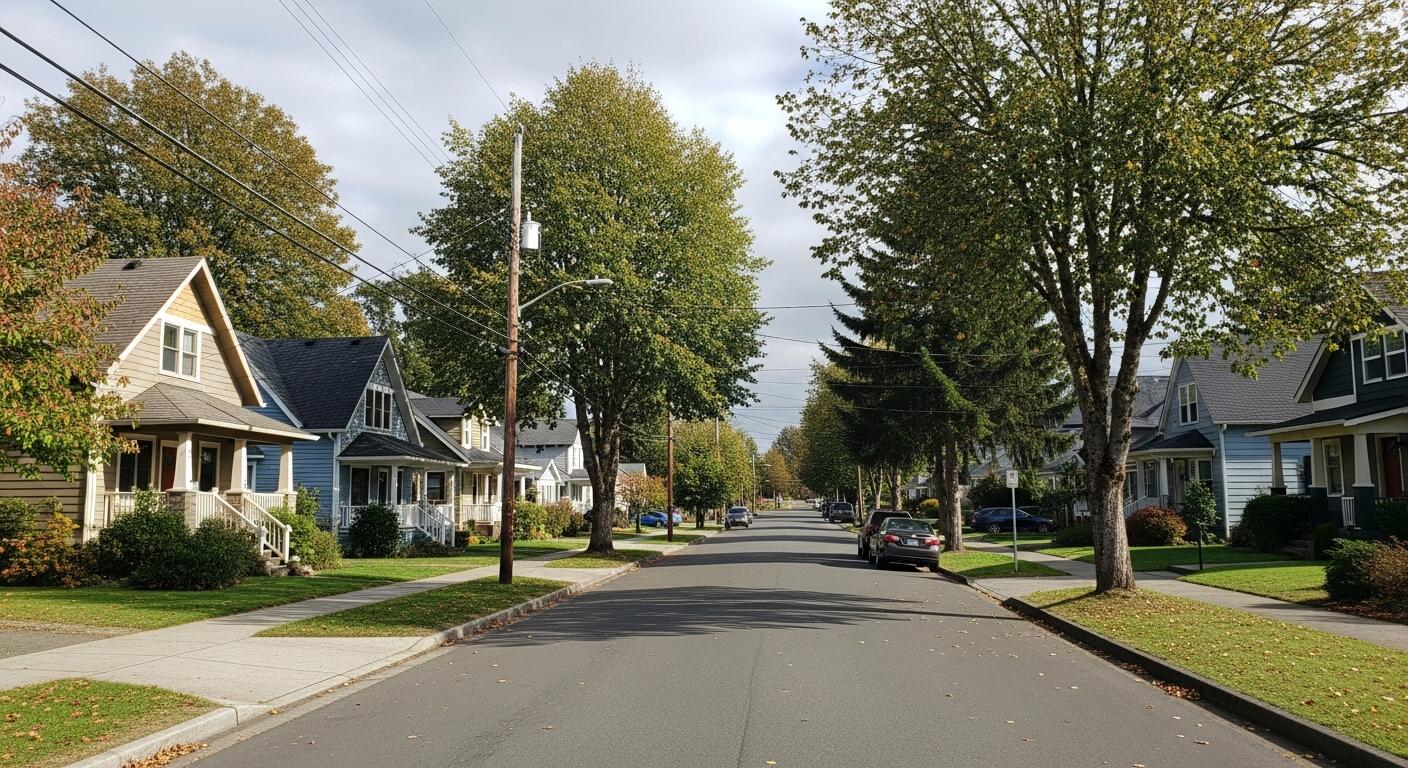
Whatcom County's diverse housing stock ranges from historic homes built in the early 1900s to modern construction. Each era presents specific restoration challenges that require specialized approaches.
Housing characteristics affecting restoration include:
- Age Distribution: Many homes date to 1950s-1970s construction boom
- Foundation Types: Concrete basements, crawl spaces, and slab-on-grade
- Roofing Materials: Composition shingles, cedar shake, and metal roofing
- Siding Options: Wood, vinyl, fiber cement, and brick construction
Older homes often feature:
- Galvanized plumbing susceptible to leaks and corrosion
- Knob-and-tube electrical systems requiring careful fire restoration
- Asbestos-containing materials needing specialized handling
- Poor insulation leading to condensation and mold issues
Modern construction typically includes:
- Engineered lumber that responds differently to water damage
- Synthetic materials requiring specific cleaning techniques
- Complex HVAC systems that can spread contaminants
- Moisture barriers that may trap water if damaged
Rural properties often have unique features like well water systems, septic tanks, and outbuildings that require additional restoration considerations. Agricultural buildings may contain specialized equipment sensitive to smoke and water damage.
Environmental Conditions & Damage Implications
Whatcom County's marine climate significantly influences property damage patterns and restoration approaches. The region experiences mild temperatures but high humidity and substantial precipitation that create ongoing challenges.
Climate factors affecting restoration include:
- Annual Rainfall: 35-40 inches concentrated in winter months
- Humidity Levels: Often exceed 70% during fall and winter
- Temperature Range: Moderate variations reduce freeze-thaw cycles
- Wind Patterns: Prevailing westerlies bring moisture from Pacific Ocean
Soil conditions throughout the county vary significantly:
- Clay soils in lowland areas retain moisture and affect drainage
- Sandy soils near coastal regions drain quickly but erode easily
- Glacial deposits create uneven settling patterns
- High water tables in river valleys increase basement flooding risks
Air quality considerations include:
- Seasonal wildfire smoke requiring specialized filtration
- Marine air contributing to metal corrosion
- Agricultural activities creating dust and particulate issues
- Industrial emissions from refineries and manufacturing
Water quality factors affect restoration processes. Municipal water systems generally provide clean water for restoration activities, but rural properties may rely on wells that require testing after contamination events. The proximity to Puget Sound influences humidity levels and salt air exposure throughout the region.
Flood Zone Considerations and Restoration Planning
Whatcom County's location along major waterways and proximity to Puget Sound creates complex flood zone designations that directly impact restoration planning and requirements. Understanding these flood patterns helps property owners prepare for potential damage and ensures restoration work meets federal standards.
The Nooksack River system creates the most significant flood risks:
- South Fork flooding affects Acme and Saxon areas during heavy rainfall
- Middle Fork impacts Deming and surrounding rural properties
- North Fork threatens Glacier and Mount Baker communities
- Main stem flooding affects Ferndale, Lynden, and Everson
FEMA flood zone classifications throughout the county include:
- Zone AE: High-risk areas with detailed flood elevation data
- Zone A: High-risk areas without detailed elevation information
- Zone X: Moderate to low-risk areas outside 100-year floodplain
- Coastal Zone VE: High-risk coastal areas subject to wave action
Properties in designated flood zones require specific restoration approaches:
- Elevation certificates documenting lowest floor heights
- Flood-resistant materials below Base Flood Elevation
- Proper anchoring and foundation requirements
- Utility system protection and relocation standards
Post-flood restoration must comply with Substantial Damage regulations. When damage exceeds 50% of the structure's value, buildings must be brought into compliance with current floodplain management standards. This often requires elevating structures or relocating utilities above flood levels.
Coastal properties face additional challenges from storm surge and erosion. Restoration work near shorelines requires permits and must consider long-term sea level rise projections. Salt water intrusion creates unique cleaning and material replacement requirements that differ from freshwater flooding scenarios.