Damage Restoration in Snohomish, WA
- Damage Restoration Services Overview
- Common Damage Restoration Issues in Snohomish, Washington
- Neighborhoods We Serve in Snohomish
- Seasonal Damage Patterns in Snohomish
- Housing Characteristics & Restoration Considerations
- Environmental Conditions & Damage Implications
- Historic Preservation and Modern Restoration Techniques
Damage Restoration Services Overview
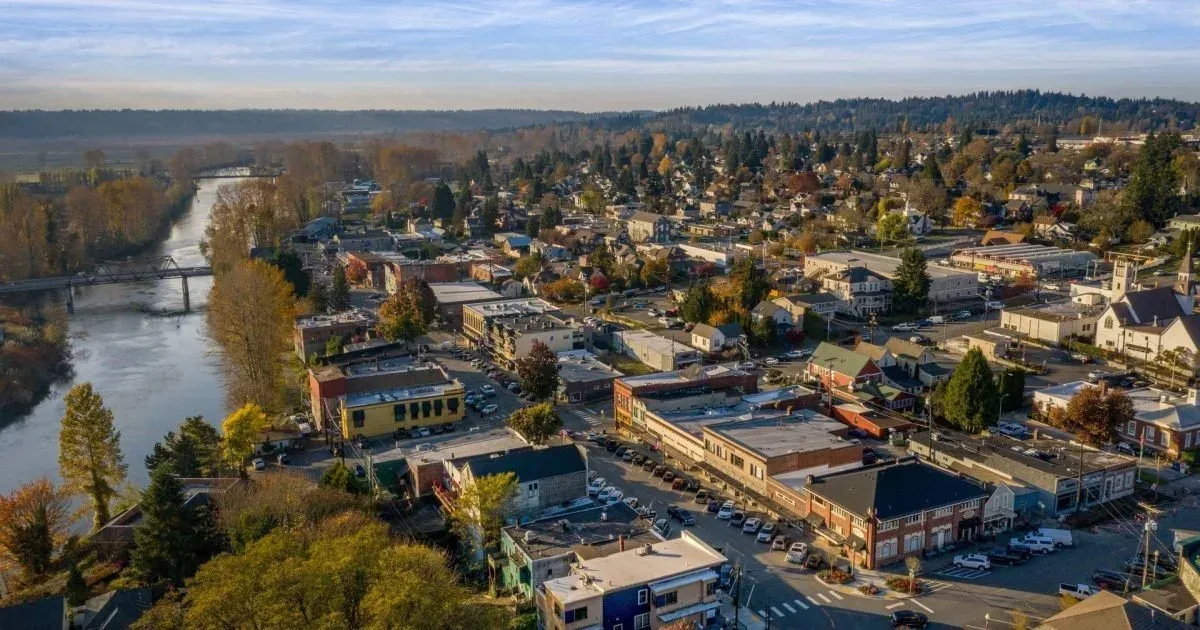
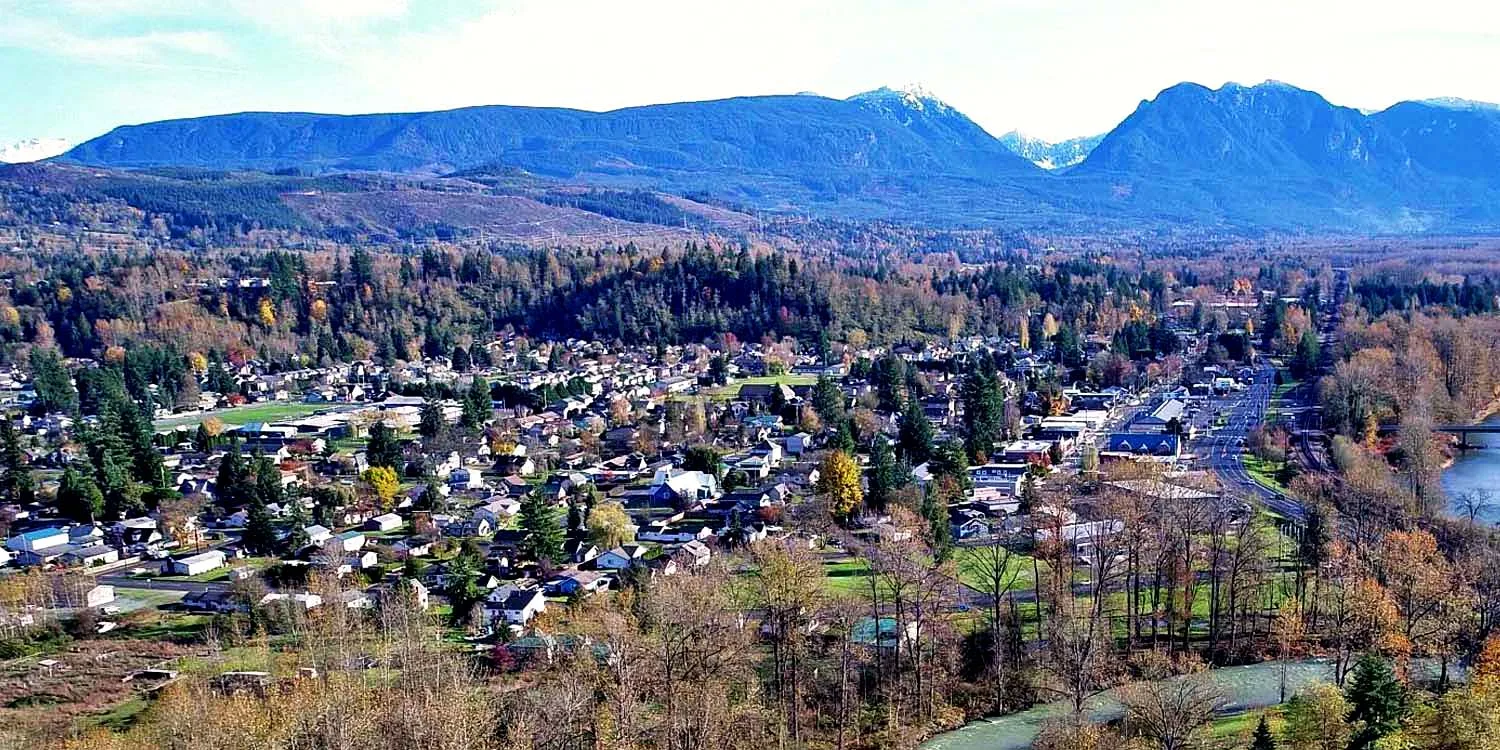
Snohomish's historic downtown district, built primarily between 1890 and 1920, contains over 100 antique buildings that face unique restoration challenges when disaster strikes. This charming river valley community requires specialized expertise for both century-old structures and modern properties throughout the region.
Professional restoration services protect Snohomish homes and businesses from multiple types of damage:
- Water Damage Restoration - Emergency extraction, structural drying, and moisture control
- Flooded Basement - Comprehensive water removal and foundation protection
- Sewage Cleanup - Safe sanitization and contamination removal
- Fire Damage Restoration - Structural repair and smoke odor elimination
- Smoke Damage Restoration - Deep cleaning and air purification
- Mold Removal - Professional remediation and prevention strategies
The Snohomish River valley's unique geography creates specific environmental challenges that require local expertise. Professional restoration teams understand how the area's historic architecture, seasonal flooding patterns, and Pacific Northwest climate affect recovery processes. Quick response prevents secondary damage and preserves both property value and irreplaceable historic character.
Common Damage Restoration Issues in Snohomish, Washington
Snohomish's location in the river valley creates distinct restoration challenges throughout the year. The Snohomish River's proximity to downtown and residential areas significantly impacts local damage patterns.
Seasonal flooding represents the most frequent restoration need:
- River overflow during heavy winter rains causes basement flooding
- Spring snowmelt combines with rainfall for severe water intrusion
- Storm drain backup affects lower-level properties
- Groundwater seepage in older foundations without modern waterproofing
Historic building challenges require specialized approaches:
- Original plaster walls absorb moisture differently than modern drywall
- Antique electrical systems create fire risks during water events
- Period-appropriate materials needed for authentic restoration
- Structural timber may require specialized drying techniques
Warning signs residents should monitor include:
- Musty odors indicating hidden moisture or mold growth
- Discolored walls or ceilings suggesting water infiltration
- Warped flooring or bubbling paint from humidity exposure
- Increased utility bills from HVAC systems working harder
- Visible smoke staining around fireplaces or heating systems
Pacific Northwest humidity levels create ongoing mold risks, particularly in basements and crawl spaces of older homes. Regular monitoring prevents small issues from becoming major restoration projects.
Neighborhoods We Serve in Snohomish
Professional restoration services cover all Snohomish area communities, from historic downtown to surrounding residential developments:
- Historic Downtown District - Antique commercial buildings and converted residential properties
- Pilchuck Neighborhood - Established homes near the river with basement flooding concerns
- Cathcart Area - Rural properties with well water and septic considerations
- Three Lakes - Newer developments with modern construction standards
- Machias - Mixed residential areas with varying home ages
- Lowell River Road - Properties along waterways requiring specialized flood response
Service areas extend to surrounding communities including:
- Lake Stevens residential developments
- Monroe commercial and industrial properties
- Granite Falls mountain area homes
- Sultan rural properties and farms
Each neighborhood presents unique restoration challenges based on construction era, elevation, and proximity to water sources.
Seasonal Damage Patterns in Snohomish
Snohomish's restoration needs follow predictable seasonal patterns driven by Pacific Northwest weather and river conditions:
Fall/Winter (October - February):
- Peak water damage season from heavy rainfall and river flooding
- Basement flooding increases dramatically during atmospheric rivers
- Sewage backup incidents rise with overwhelmed municipal systems
- Heating system failures create fire risks in older homes
Spring (March - May):
- Snowmelt combines with rain for severe flooding events
- Mold growth accelerates in damp conditions
- Foundation settling from saturated soils
- Storm damage from wind and falling trees
Summer (June - August):
- Fire damage risk peaks during dry conditions
- Smoke damage from regional wildfires
- HVAC system stress leading to water leaks
- Reduced mold activity but existing growth spreads
Early Fall (September):
- First heavy rains reveal summer-developed roof leaks
- Heating system startup issues after summer dormancy
- Preparation period before winter damage season
Housing Characteristics & Restoration Considerations
Snohomish's diverse housing stock requires specialized restoration approaches based on construction era and building methods. The community features a unique mix of architectural periods that each present distinct challenges.
Historic Properties (1890-1940):
- Original balloon frame construction with minimal fire stops
- Horsehair plaster walls requiring specialized drying techniques
- Knob-and-tube electrical systems creating fire restoration complexities
- Basement foundations often lack modern waterproofing
- Original hardwood floors valuable enough to justify extensive restoration
Mid-Century Homes (1940-1980):
- Platform frame construction with better fire compartmentalization
- Early drywall systems that may contain asbestos
- Upgraded electrical but still prone to water damage
- Concrete slab foundations in some areas
Modern Construction (1980-Present):
- Engineered lumber requiring different drying approaches
- Improved moisture barriers but complex HVAC systems
- Modern fire-rated assemblies affecting restoration methods
- Basement waterproofing systems that may fail catastrophically
Many Snohomish properties feature additions and modifications spanning multiple eras, creating restoration challenges where different building systems intersect. Professional assessment identifies these transitions and develops appropriate restoration strategies for each building component.
Environmental Conditions & Damage Implications
Snohomish's environmental conditions significantly influence damage patterns and restoration requirements throughout the year. The area's location in the Puget Sound region creates specific challenges for property restoration.
Climate Factors:
- Average annual rainfall of 35-40 inches concentrated in fall/winter months
- High humidity levels (70-80%) promoting mold growth year-round
- Temperature fluctuations causing expansion/contraction damage
- Occasional snow loads stressing older roof structures
Soil and Water Conditions:
- Glacial till soils with poor drainage characteristics
- Seasonal high groundwater tables affecting basements
- Snohomish River flooding potential during heavy rain events
- Well water quality issues in rural areas requiring specialized cleanup
Air Quality Considerations:
- Summer wildfire smoke infiltration requiring specialized cleaning
- Industrial emissions from nearby facilities
- Seasonal pollen loads affecting indoor air quality
- Marine air moisture contributing to corrosion and mold
These environmental factors create restoration challenges requiring local expertise. High humidity extends drying times and increases mold risk. Poor soil drainage complicates basement flooding recovery. Seasonal air quality issues demand specialized smoke damage restoration techniques adapted to Pacific Northwest conditions.
Historic Preservation and Modern Restoration Techniques
Snohomish's designation as a historic district creates unique restoration challenges that require balancing preservation standards with modern safety requirements. The community's antique buildings demand specialized expertise when addressing water damage, fire damage, smoke damage, sewage cleanup, basement flooding, and mold removal.
Historic District Requirements:
- Restoration materials must match original specifications when visible
- Modern safety systems require discrete installation methods
- Period-appropriate techniques preserve architectural integrity
- Documentation requirements for insurance and preservation compliance
- Coordination with local historic preservation committees
Specialized Restoration Approaches:
- Water Damage in Historic Structures - Horsehair plaster requires gentle drying techniques that prevent cracking while removing moisture completely
- Fire Damage Assessment - Original timber framing needs expert evaluation to determine structural integrity after heat exposure
- Smoke Damage Cleaning - Antique finishes require specialized cleaning agents that won't damage original materials
- Mold Removal Protocols - Historic buildings need remediation methods that preserve original building envelope
- Basement Flooding Solutions - Stone and brick foundations require restoration techniques different from modern concrete
Modern Technology Integration:
- Moisture detection equipment calibrated for historic materials
- Air filtration systems designed for period architecture
- Structural drying equipment that won't damage antique finishes
- Documentation photography for preservation records
Professional restoration teams working in Snohomish understand both modern restoration science and historic preservation requirements. This expertise protects property values while maintaining the community's cherished historic character.