Damage Restoration in Thurston, WA
- Damage Restoration Services Overview
- Common Damage Restoration Issues in Thurston, Washington
- Neighborhoods We Serve in Thurston
- Seasonal Damage Patterns in Thurston
- Housing Characteristics & Restoration Considerations
- Environmental Conditions & Damage Implications
- Pacific Northwest Moisture Management and Restoration Excellence
Damage Restoration Services Overview
When disaster strikes your Thurston home at 3 AM with a burst pipe flooding your basement, or when you discover smoke damage after a kitchen fire, you need immediate professional help. These emergencies don't wait for convenient business hours, and neither should your restoration response.
Our comprehensive damage restoration services address every type of property emergency Thurston residents face:
- Water Damage Restoration - From broken pipes to storm flooding
- Flooded Basement - Complete water extraction and structural drying
- Sewage Cleanup - Safe removal of contaminated water and sanitization
- Fire Damage Restoration - Structural repairs and content restoration
- Smoke Damage Restoration - Odor elimination and surface cleaning
- Mold Removal - Professional remediation and prevention
Each service follows IICRC certification standards and includes 24/7 emergency response throughout Thurston, Mason, Lewis, and Grays Harbor Counties. Our certified technicians understand that quick action prevents secondary damage, saves money, and protects your family's health.
Common Damage Restoration Issues in Thurston, Washington
Thurston's Pacific Northwest location creates unique challenges for homeowners. The region's heavy rainfall and proximity to Puget Sound contribute to specific damage patterns that require professional attention.
Water-Related Damage
- Seasonal flooding from winter storms and spring snowmelt
- Basement water intrusion due to high water tables
- Pipe bursts during freezing temperatures
- Roof leaks from persistent rain exposure
- Sewage backups during heavy rainfall periods
Fire and Smoke Damage
- Wildfire smoke infiltration during summer months
- Chimney fires from wood-burning heating systems
- Electrical fires from aging home systems
- Kitchen fires during holiday cooking seasons
Mold Growth Factors
- High humidity levels year-round
- Poor ventilation in older homes
- Moisture retention in crawl spaces
- Hidden leaks behind walls
Warning Signs to Watch
- Musty odors indicating mold growth
- Water stains on ceilings or walls
- Warped flooring or bubbling paint
- Persistent smoke smells after fires
- Standing water in basements
Neighborhoods We Serve in Thurston
Our restoration teams provide comprehensive services throughout Thurston County and surrounding areas. We maintain quick response times to all local communities.
Primary Service Areas
- Olympia and downtown districts
- Lacey residential neighborhoods
- Tumwater historic areas
- Yelm rural properties
- Tenino farming communities
- Rochester and surrounding areas
Extended Coverage Zones
- Mason County communities
- Lewis County properties
- Grays Harbor County locations
- Rural properties and acreages
- Commercial districts throughout the region
Our local knowledge helps us respond quickly to area-specific challenges, from coastal flooding near Puget Sound to wildfire risks in rural zones.
Seasonal Damage Patterns in Thurston
Understanding Thurston's seasonal damage patterns helps homeowners prepare for potential restoration needs throughout the year.
Winter (December - February)
- Peak water damage from burst pipes during freezes
- Basement flooding from heavy rainfall
- Chimney fires from increased wood burning
- Ice dam damage on roofing systems
Spring (March - May)
- Snowmelt causing foundation water intrusion
- Storm-related roof damage and leaks
- Mold growth from increased moisture
- Sewage backups during heavy rain periods
Summer (June - August)
- Wildfire smoke damage infiltration
- Air conditioning system water leaks
- Electrical fires from overloaded systems
- Vacation home water damage discoveries
Fall (September - November)
- Storm preparation and damage prevention
- Heating system fires from seasonal startup
- Gutter overflow causing water damage
- Mold remediation before winter months
Housing Characteristics & Restoration Considerations
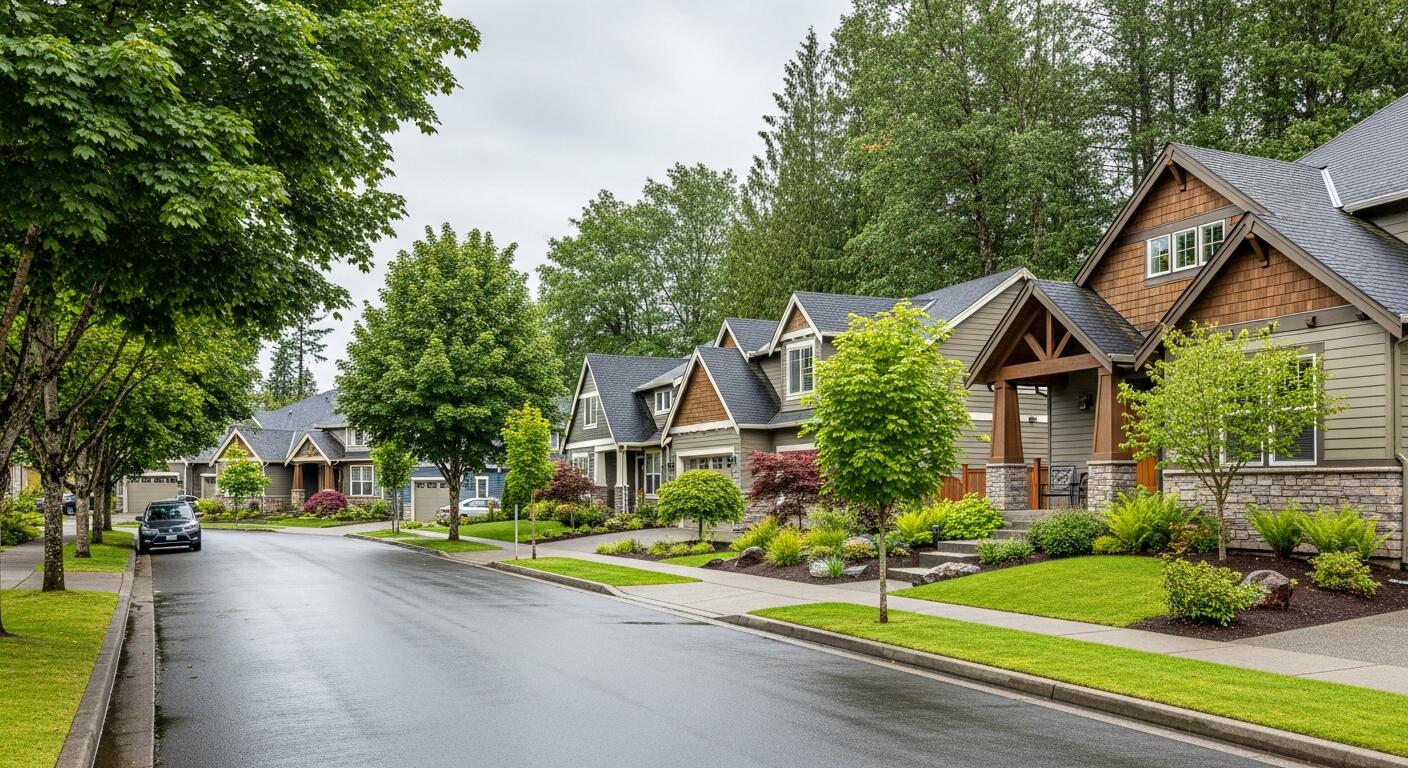
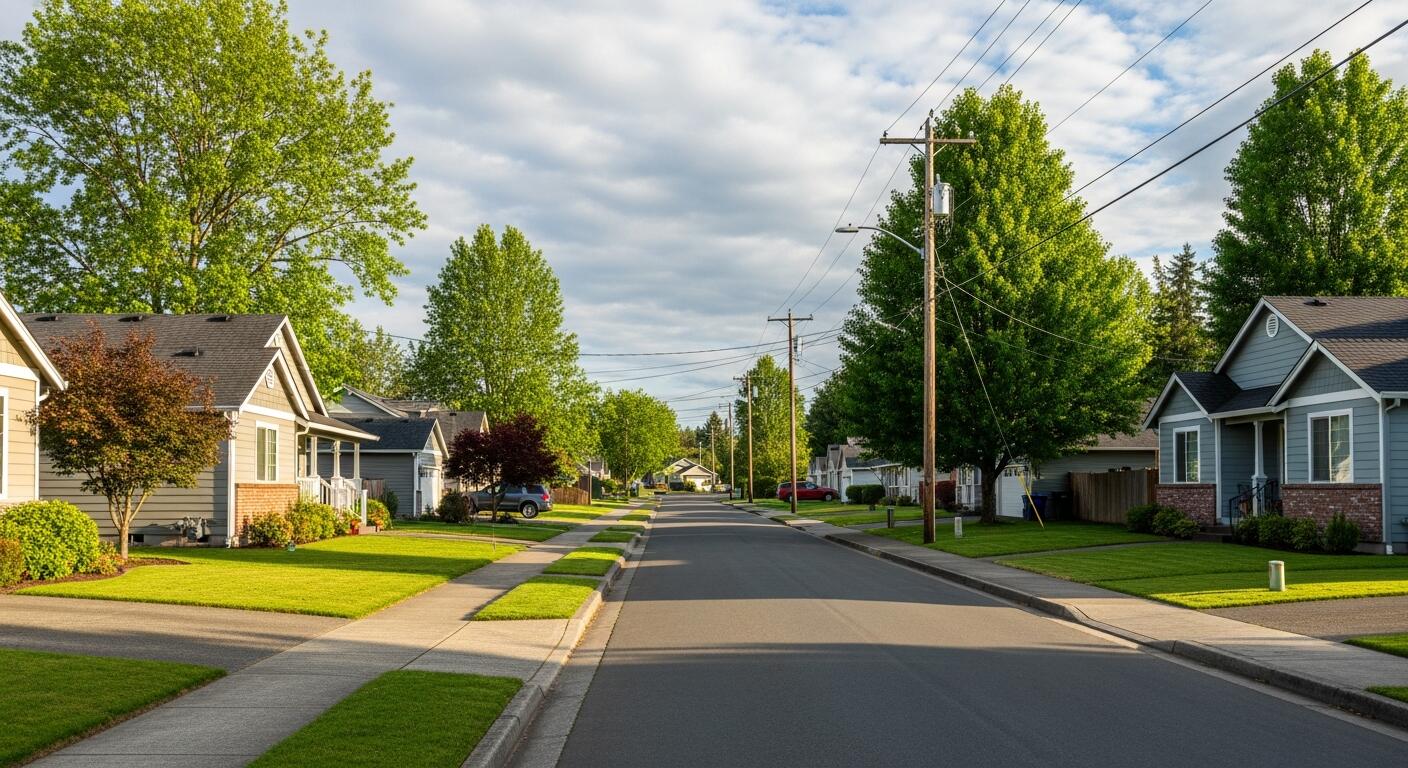
Thurston County's diverse housing stock requires specialized restoration approaches. Understanding local construction patterns helps determine the most effective restoration methods.
Housing Age Distribution
- Pre-1970 homes (35%) - Often lack modern moisture barriers
- 1970-1990 construction (25%) - May have asbestos concerns
- 1990-2010 builds (30%) - Modern systems but aging components
- Post-2010 construction (10%) - Current building codes and materials
Common Construction Types
- Wood frame homes - Require careful moisture monitoring during water damage restoration
- Split-level designs - Present unique challenges for basement flooding cleanup
- Crawl space foundations - Prone to mold growth and moisture issues
- Manufactured homes - Need specialized fire and smoke damage approaches
Restoration Implications
- Older homes may require lead-safe work practices
- Wood construction demands thorough drying to prevent mold
- Crawl spaces need specialized mold removal techniques
- Historic properties require preservation-minded restoration
- Modern homes benefit from advanced drying technology
Environmental Conditions & Damage Implications
Thurston's environmental conditions significantly impact damage restoration requirements. The region's climate and geography create specific challenges that professional restoration services must address.
Climate Factors
- Average annual rainfall: 50+ inches creates persistent moisture challenges
- Humidity levels: 70-85% year-round promotes mold growth
- Temperature range: Mild winters with occasional freezing cause pipe bursts
- Seasonal winds: Can spread wildfire smoke and cause structural damage
Water Quality Considerations
- Well water systems in rural areas may complicate sewage cleanup
- Municipal water systems generally provide clean restoration water
- Groundwater contamination risks during flooding events
- Saltwater intrusion near coastal areas affects restoration methods
Soil and Drainage Impacts
- Clay soils retain water, increasing basement flooding risks
- Poor drainage around foundations leads to water intrusion
- High water tables create ongoing moisture management needs
- Seasonal soil expansion affects foundation integrity
Air Quality Factors
- Summer wildfire smoke requires specialized filtration during restoration
- High humidity slows natural drying processes
- Coastal air carries salt that can complicate fire damage restoration
- Pollen seasons may affect indoor air quality during restoration work
Pacific Northwest Moisture Management and Restoration Excellence
Thurston's location in the Pacific Northwest creates unique moisture management challenges that require specialized restoration expertise. The combination of marine climate, heavy rainfall, and varying elevation creates complex damage scenarios.
Advanced Moisture Detection Technology
Professional restoration in Thurston demands sophisticated equipment designed for Pacific Northwest conditions:
- Thermal imaging cameras to detect hidden moisture in wall cavities
- Moisture meters calibrated for regional wood species and construction materials
- Hygrometers that account for naturally high ambient humidity
- Infrared thermometers for identifying temperature differentials indicating water intrusion
Specialized Drying Protocols
The region's persistent moisture requires modified drying approaches:
- Extended drying periods to account for high ambient humidity
- Dehumidification systems designed for marine climates
- Strategic air movement patterns that work with natural ventilation
- Continuous monitoring to prevent over-drying of regional wood species
Mold Prevention Strategies
Given Thurston's mold-friendly environment, prevention becomes critical:
- Antimicrobial treatments applied during all water damage restoration
- Vapor barrier installation in crawl spaces and basements
- Enhanced ventilation systems to manage ongoing moisture
- Regular post-restoration monitoring to catch early mold development
IICRC Standards for Regional Conditions
Our certified technicians adapt national standards to local conditions, ensuring effective restoration that accounts for Thurston's unique environmental challenges while maintaining industry best practices.