Damage Restoration in Grant County, WA
- Damage Restoration Services Overview
- Common Damage Restoration Issues in Grant County, Washington
- Neighborhoods We Serve in Grant County
- Seasonal Damage Patterns in Grant County
- Housing Characteristics & Restoration Considerations
- Environmental Conditions & Damage Implications
- Working With Insurance and Flood Coverage in Grant County
Damage Restoration Services Overview
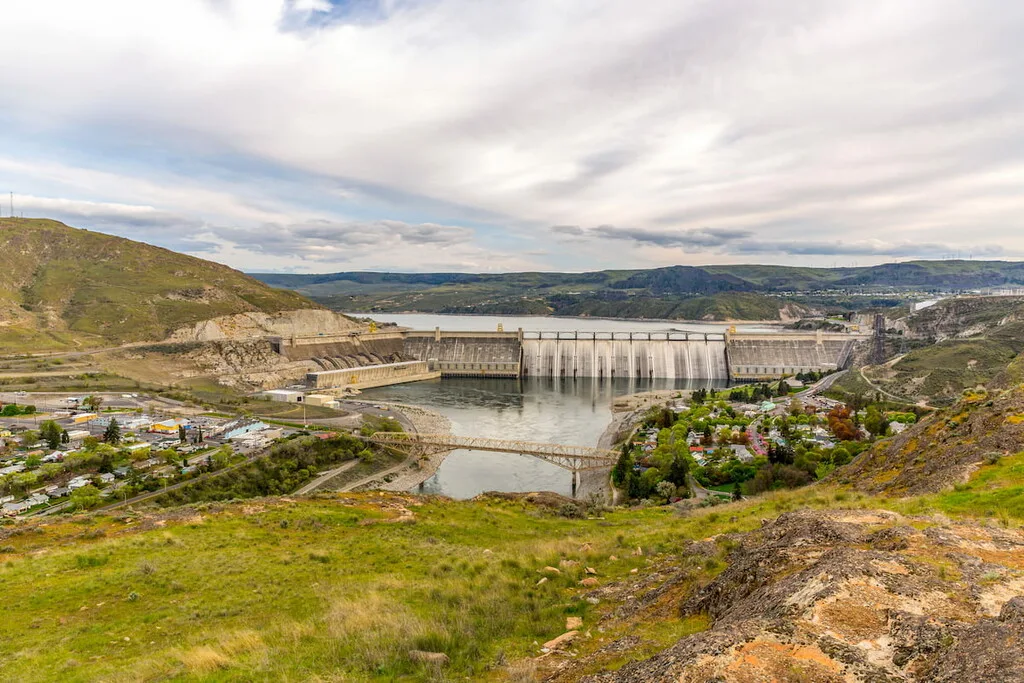
Grant County sits in the middle of one of the largest irrigation systems in the country - more than 2,000 miles of canals, laterals, and wasteways move Columbia River water across the Columbia Basin. That engineering makes the desert bloom, but it also means water sits close to homes, fields, and foundations in a county that only averages around eight inches of rainfall a year.
The result is a mix of damage types most people would not expect in a semi-arid climate. Property owners here deal with saturated crawl spaces, backed-up sewer lines, wildfire smoke intrusion, and hidden mold behind drywall.
Services available across the county include:
- Water Damage Restoration - extraction, structural drying, moisture mapping, and monitoring until materials return to dry standard
- Flooded Basement - pump-out, contents triage, sump and drainage evaluation, and subfloor drying
- Sewage Cleanup - removal of contaminated material, antimicrobial treatment, and disinfection of affected surfaces
- Fire Damage Restoration - debris removal, soot cleaning, structural stabilization, and rebuild coordination
- Smoke Damage Restoration - odor neutralization, HVAC cleaning, and treatment of porous materials
- Mold Removal - containment, controlled removal, air filtration, and correction of the moisture source
Fast response protects framing, insulation, and belongings - and keeps a small loss from turning into a full reconstruction project.
Common Damage Restoration Issues in Grant County, Washington
Local geography drives most losses. Homes near Moses Lake, Potholes Reservoir, Crab Creek, and the irrigation lateral network face groundwater pressure that shifts seasonally with canal operation.
Frequent causes of damage in the county include:
- Irrigation season groundwater rise - perched water tables push moisture into crawl spaces and basement slabs from spring through late summer
- Frozen and burst supply lines - unheated garages, well houses, and pump rooms are common failure points during cold snaps
- Septic and sewer backups - rural properties on septic systems and older municipal laterals both experience surcharge events
- Wildfire and range fire smoke - shrub-steppe and stubble fires push soot and odor into homes through attic vents and HVAC returns
- Appliance failures - water heaters, washing machine hoses, and refrigerator supply lines account for a large share of interior water losses
- Flash flooding on hardpan soils - caliche layers shed water quickly, sending sheet flow toward walkouts and window wells
Warning signs worth acting on:
- Musty odor in a basement or crawl space that returns after ventilation
- Efflorescence, chalky white staining, or bubbling paint on foundation walls
- Cupping or darkening at the edges of hardwood and laminate flooring
- Slow drains in multiple fixtures at once - often the first sign of a main line problem
- Soot film on window glass, light fixtures, or the tops of door casings after nearby fire activity
If a structure feels unstable or air quality is questionable, stay out of the affected area and document conditions with photos from a safe distance.
Neighborhoods We Serve in Grant County
Coverage spans the full county, from the Columbia River corridor to the eastern farmland.
- Moses Lake - Cascade Valley, Knolls Vista, Lakeview Terrace, Larson, and the Pelican Point shoreline areas
- Ephrata and Soap Lake - older downtown housing stock and hillside residential streets
- Quincy and George - agricultural and data center corridor properties
- Warden, Royal City, and Mattawa - farm housing, manufactured homes, and worker housing
- Grand Coulee, Electric City, and Coulee City - properties near the dam and Banks Lake
- Wilson Creek, Hartline, Almira, and Krupp - small-town and rural acreage properties
- Desert Aire and the Beverly area - riverfront homes along the Columbia
Rural addresses off county roads, orchard properties, and homes served by private wells are all within the service area. Crews are routed based on distance and severity, with active water losses and sewage contamination prioritized.
Seasonal Damage Patterns in Grant County
Damage types follow a predictable rhythm tied to irrigation, temperature swings, and fire season.
- December through February - pipe freezes and ruptures dominate. Sub-freezing nights combined with wind hit exposed plumbing in crawl spaces, well houses, and vacant homes. Heating equipment and chimney fires also spike.
- March through April - snowmelt and early rain combine with frozen ground to send runoff toward foundations. Flooded basement calls climb as canals refill and shallow groundwater rises.
- May through July - irrigation is at full volume. Crawl space moisture, condensation, and mold growth accelerate as humidity meets warm interior air.
- July through September - peak wildfire and stubble burn season. Smoke damage restoration and soot cleaning requests rise sharply, particularly for homes with older windows and unsealed attics.
- October through November - canal shutdown shifts groundwater again, sewer and septic issues surface as systems adjust, and the first heating cycles reveal HVAC problems.
Mold removal stays steady year-round because hidden moisture from any season can incubate for months before odor or staining appears.
Housing Characteristics & Restoration Considerations
Grant County housing reflects several distinct building eras, and each responds differently to water, smoke, and microbial growth.
- Pre-1950 farmhouses and townsite homes - common in Ephrata, Wilson Creek, Almira, and Hartline. Expect lath and plaster, board subfloors, balloon framing, and dirt or partial crawl spaces. Water travels through wall cavities quickly and drying takes longer.
- 1950s-1970s Columbia Basin Project era homes - built as irrigation expanded. Many have shallow basements, cast iron or clay drain lines, and original single-pane windows that let smoke odor settle into casings.
- 1980s-2000s subdivisions - slab-on-grade or shallow foundations with engineered flooring and fiberglass insulation. Water wicks laterally under laminate and requires floor removal to dry properly.
- Manufactured and modular homes - widespread in Mattawa, Royal City, and rural areas. Belly wrap traps water beneath the floor and must be opened and drained rather than surface dried.
- Newer tight-envelope construction - excellent efficiency, but limited air exchange means smoke odor and mold spores linger without mechanical filtration.
Restoration planning accounts for these differences:
- Moisture readings taken at multiple depths, not just surface level
- Containment built before any mold removal or soot cleaning begins
- Asbestos and lead considerations flagged in pre-1980 materials before demolition
- Documented drying logs shared with the property owner and insurance adjuster
Environmental Conditions & Damage Implications
The county's climate is a study in extremes - hot, dry summers above 95 degrees and winters that drop well below freezing, with less than nine inches of annual precipitation in most areas.
Conditions that shape restoration work here:
- Low ambient humidity - helps evaporation but pulls moisture unevenly, which can cause wood cupping and drywall cracking if drying is not controlled with proper equipment placement
- Caliche and hardpan soils - dense calcium carbonate layers block downward drainage, so water pools against foundations instead of percolating away
- Sandy loam topsoil - erodes quickly during flash events and carries silt into basements and crawl spaces
- High groundwater near lakes and canals - properties near Moses Lake, Potholes, and irrigation laterals see seasonal hydrostatic pressure on walls and slabs
- Hard, mineral-rich water - accelerates appliance and water heater failure, a leading source of interior water damage
- Seasonal smoke and dust loading - wildfire smoke and agricultural dust settle in ductwork, complicating post-fire air quality restoration
These factors change the approach in practical ways. Sewage cleanup on sandy soil requires deeper excavation of contaminated material. Mold removal in a tightly sealed newer home needs negative air containment. Basement drying near a canal often calls for exterior drainage correction, not just interior dehumidification - otherwise the problem returns the following irrigation season.
Working With Insurance and Flood Coverage in Grant County
Grant County has participated in the National Flood Insurance Program since 1988, and homeowners with mortgages inside the 1% annual chance floodplain are required to carry flood coverage. Many property owners outside that mapped zone assume they are protected by standard homeowners insurance - they are not. Homeowners policies exclude rising surface water, which leaves uninsured owners responsible for the full cost of repairs.
Understanding what your policy covers before a loss occurs saves enormous stress afterward.
- Typically covered - sudden interior water releases such as burst pipes, appliance failures, and fire or smoke damage
- Typically excluded - surface flooding, canal overflow, groundwater seepage, and long-term leaks that went unaddressed
- Often limited - sewer and drain backup, which usually requires a separate endorsement
- Frequently disputed - mold, where coverage often depends on whether the underlying water event was itself covered
What clear communication looks like during a claim:
- Photographs and moisture readings taken before anything is removed or discarded
- A written scope describing what was affected, what will be dried, and what must be removed
- Daily drying logs documenting equipment placement and moisture progress
- Direct coordination with your adjuster so documentation matches what was actually performed
- An honest recommendation about whether the home is safe to occupy during the work
Minor water losses and cosmetic repairs often allow you to stay put. Sewage contamination, active mold, structural fire damage, and heavy smoke usually mean temporary relocation is the safer choice. That call gets made after the assessment - with a straight explanation of what was found, so you can decide what makes sense for your household.