
Damage Restoration in Quincy, WA
- Damage Restoration Services Overview
- Common Damage Restoration Issues in Quincy, Washington
- Neighborhoods We Serve in Quincy
- Seasonal Damage Patterns in Quincy
- Housing Characteristics & Restoration Considerations
- Environmental Conditions & Damage Implications
- Frozen Pipes, Irrigation Season, and Emergency Response in the Quincy Valley
Damage Restoration Services Overview
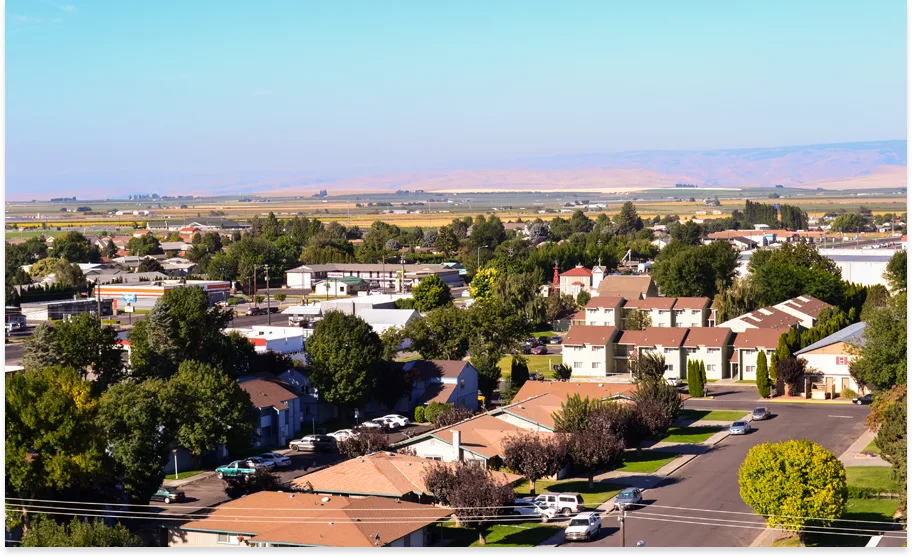
What would you do if you walked into your Quincy home tomorrow morning and found two inches of standing water across the basement floor? Property damage rarely announces itself in advance - a supply line splits behind drywall, an irrigation backflow floods a crawl space, or a kitchen fire leaves soot on every surface in the house.
Restoration work in the Quincy Valley covers a connected set of services, each addressing a different type of loss:
- Water Damage Restoration - extraction, structural drying, and moisture mapping after burst pipes, appliance failures, or roof leaks
- Flooded Basement recovery - pumping standing water, removing saturated materials, and addressing the source of intrusion
- Sewage Cleanup - containment, removal of contaminated porous materials, and antimicrobial treatment after backups
- Fire Damage Restoration - debris removal, structural stabilization, and rebuilding of affected areas
- Smoke Damage Restoration - soot removal from surfaces, contents cleaning, and odor neutralization
- Mold Removal - containment barriers, HEPA filtration, affected material removal, and moisture source correction
The benefit of acting quickly is straightforward: wet materials that dry within the first days often stay in place, while materials left saturated turn into demolition work and mold growth. Quincy homeowners who catch problems early usually face a narrower scope of repair.
Common Damage Restoration Issues in Quincy, Washington
Quincy sits in the Columbia Basin, where a high-desert climate, heavy irrigation infrastructure, and wide temperature swings create damage patterns you would not see on the west side of the Cascades.
Local Causes of Property Damage
- Frozen and burst pipes - single-digit January nights hit uninsulated lines in crawl spaces, garages, and exterior walls
- Irrigation and canal proximity - lateral seepage, canal overflow, and misdirected sprinkler heads push water toward foundations
- Rapid spring snowmelt combined with frozen ground that cannot absorb runoff
- Sewer and septic backups - older laterals, root intrusion, and grease buildup send contaminated water into basements and floor drains
- Wildfire and field-burning smoke that infiltrates through HVAC intakes and window gaps
- Kitchen and equipment fires in homes, shops, and outbuildings around the valley
- Hidden mold behind vinyl flooring, under sink cabinets, and inside wall cavities after slow leaks
Warning Signs Worth Investigating
- Musty odors that intensify when the furnace or air conditioning cycles on
- Cupped or lifting flooring near dishwashers, refrigerators, and water heaters
- Efflorescence - white chalky residue - on basement or crawl space walls
- Gurgling drains or slow toilets, often the first hint of a sewer line problem
- Yellow-brown ceiling stains that reappear after painting
- Lingering smoke odor weeks after a small fire, indicating soot inside ductwork
Any of these deserves a moisture reading before it becomes a demolition project.
Neighborhoods We Serve in Quincy
Restoration response covers the city and the surrounding Quincy Valley communities, including:
- Downtown Quincy and the older residential blocks near Central Avenue and F Street
- Newer subdivisions on the north and west edges of town near the high school
- Homes along Road 5 NW, Road U NW, and the surrounding farm-road grid
- Crescent Bar and the Columbia River shoreline properties
- Trinidad, Winchester, and Ephrata-adjacent rural parcels
- George, Beverly, and the West Canal corridor
- Agricultural operations, packing facilities, and light industrial buildings near the data center corridor
Rural addresses off gravel county roads present their own challenges - longer runs for extraction hoses, generator power for drying equipment, and septic systems rather than municipal sewer. Crews familiar with Grant County road layouts and property access arrive prepared for both in-town and remote calls.
Seasonal Damage Patterns in Quincy
Damage types follow a fairly predictable annual rhythm in Central Washington:
- December through February - peak frozen pipe season. Sub-freezing nights burst supply lines in crawl spaces, well houses, and vacant properties. Furnace and space heater fires also cluster here.
- March and April - snowmelt and thaw. Saturated ground pushes water through foundation cracks, and flooded basements spike. Sewer lines surcharge as groundwater infiltrates.
- May and June - irrigation season begins. Canal seepage, sprinkler mainline breaks, and backflow incidents create sudden water intrusion near fields.
- July and August - wildfire smoke drifts into the basin, depositing soot on interiors and loading HVAC filters. Air conditioning condensate line clogs cause ceiling and closet leaks.
- September and October - harvest season equipment fires and shop fires. Cooling weather traps summer moisture in crawl spaces, and mold growth accelerates.
- November - first hard freezes catch outdoor hose bibs and unwinterized lines.
Knowing the season helps predict where to inspect first, which shortens the time between discovery and drying.
Housing Characteristics & Restoration Considerations
Quincy's housing stock spans more than a century, and each era responds differently to water, fire, and mold.
Common Construction Types
- Pre-1950 farmhouses and downtown homes - board sheathing, lath and plaster, unvented crawl spaces, and occasional knob-and-tube remnants. Plaster holds moisture longer than drywall and often requires targeted removal.
- 1950s-1980s ranch homes - slab-on-grade or shallow basements, original galvanized or early copper plumbing, and limited insulation in exterior walls.
- Manufactured and modular homes - common on rural parcels, with belly board insulation that traps water beneath the floor and hides leaks for months.
- Post-2000 subdivisions - engineered joists, vinyl plank flooring, and tighter building envelopes that hold humidity when drying is incomplete.
- Agricultural outbuildings and shops - metal-clad structures where fire spreads quickly and smoke residue bonds to painted steel.
How Construction Affects the Work
- Slab foundations require specialized mat drying rather than simple air movement
- Crawl spaces with vapor barriers need the barrier lifted so trapped water can be removed
- Blown-in attic insulation absorbs smoke odor and typically comes out after a fire
- Vinyl plank over subfloor traps moisture underneath, hiding mold growth from view
- Older cabinetry and plaster call for careful, less aggressive cleaning methods
Restoration follows two phases - mitigation first, with demolition, extraction, cleaning, and drying, then reconstruction sized to the damage found. Skipping steps to shorten the schedule invites secondary damage.
Environmental Conditions & Damage Implications
Quincy averages roughly eight inches of annual precipitation, with hot dry summers and cold winters - conditions that shape how buildings fail and how they recover.
Climate Factors
- Low humidity most of the year speeds structural drying, but also means indoor moisture problems go unnoticed until damage is advanced
- Wide daily temperature swings drive condensation inside wall cavities and on cold water lines
- Summer heat above 95 degrees accelerates microbial growth in any wet material
- Winter inversions hold smoke and particulate near ground level
Soil and Water Conditions
- Loess and silt loam soils drain quickly on the surface but compact and channel water along foundation walls
- Caliche and hardpan layers beneath the topsoil block downward drainage, perching water against basements
- Elevated groundwater near irrigated fields and canals raises hydrostatic pressure on below-grade walls
- Hard, mineral-rich water shortens the life of water heaters, valves, and supply lines - a frequent source of sudden interior flooding
Air Quality Considerations
Summer wildfire smoke, agricultural dust, and field burning load indoor air with fine particulate. After a fire loss, this background contamination makes thorough duct cleaning and HEPA filtration part of the job rather than an add-on. Smoke odor bonds to textiles, insulation, and porous framing, and returns during humid weather if left untreated.
Frozen Pipes, Irrigation Season, and Emergency Response in the Quincy Valley
Two events cause more emergency calls in the Quincy area than anything else: a January freeze and a May irrigation startup. Both send large volumes of clean water into structures fast, and both can turn into mold or sewage problems if the response lags.
Winter Freeze Preparation
- Disconnect and drain garden hoses before the first hard freeze, then insulate exterior hose bibs
- Wrap accessible supply lines in crawl spaces, garages, and well houses with pipe insulation or heat tape
- Locate and label the main water shutoff so anyone in the household can close it in seconds
- Keep interior temperatures steady rather than setting back deeply at night during cold snaps
- Open cabinet doors under sinks on exterior walls during extended freezes
- Have vacant or seasonal properties checked weekly, or drain them entirely
Irrigation and Canal Season Precautions
- Inspect sprinkler mainlines and backflow devices before pressurizing in spring
- Redirect heads that spray toward siding, vents, or window wells
- Confirm foundation grading slopes away from the house after winter settling
- Clear window well drains and downspout extensions of accumulated silt
- Watch for damp crawl space soil once nearby laterals begin running
- Shut off the water source or, for a sewage backup, stop all fixture use immediately
- Cut power to affected areas at the breaker if water is near outlets or panels
- Photograph everything before moving items - insurers rely on documentation
- Move furniture and contents to dry areas where safe to do so
- Stay out of standing water that may contain sewage until crews arrive with protective gear
- Call for professional extraction and drying rather than waiting to see if it dries on its own
What to Do in the First Hour
Local restoration providers serving Quincy, including Clean Image Services at (509) 955-0563 and Roto-Rooter at 509-924-6030, handle water, fire, sewage, and mold work throughout Grant County. Clear communication about scope, findings, and the reconstruction phase matters as much as the equipment on site.





