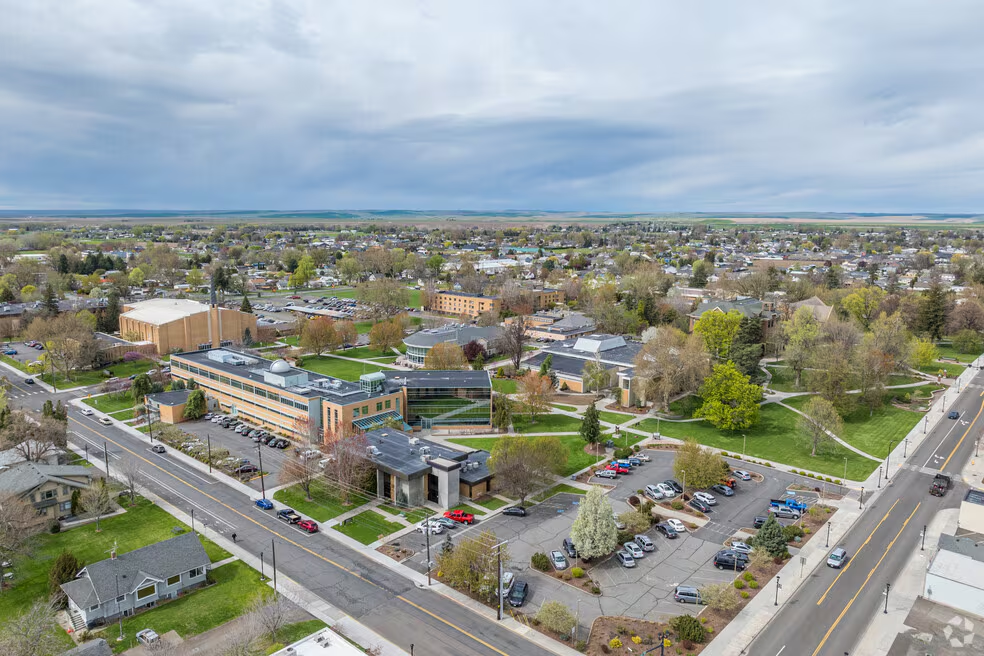
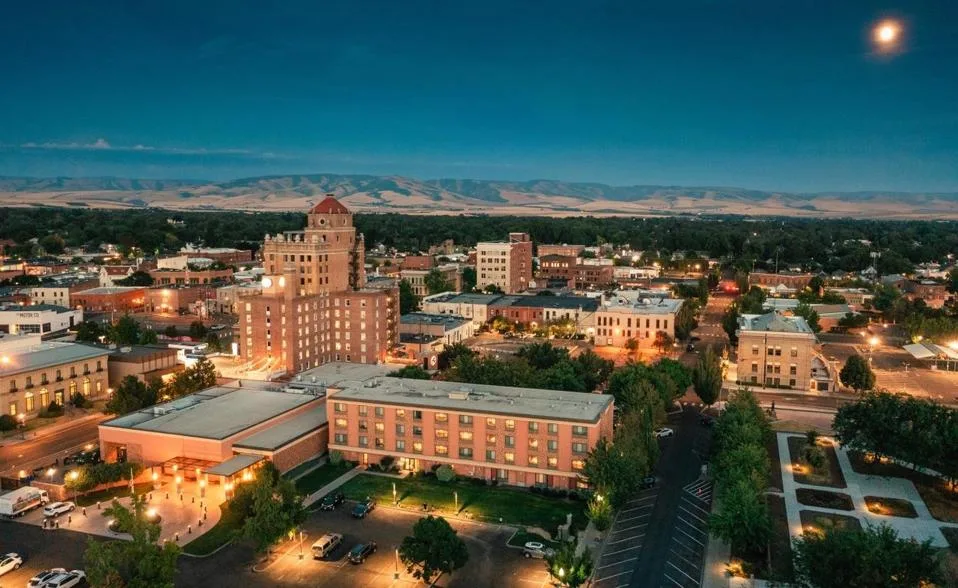
Damage Restoration in Walla Walla County, WA
- Damage Restoration Services Overview
- Common Damage Restoration Issues in Walla Walla County, Washington
- Neighborhoods We Serve in Walla Walla County
- Seasonal Damage Patterns in Walla Walla County
- Housing Characteristics & Restoration Considerations
- Environmental Conditions & Damage Implications
- 24/7 Emergency Response Across the Walla Walla Valley
Damage Restoration Services Overview
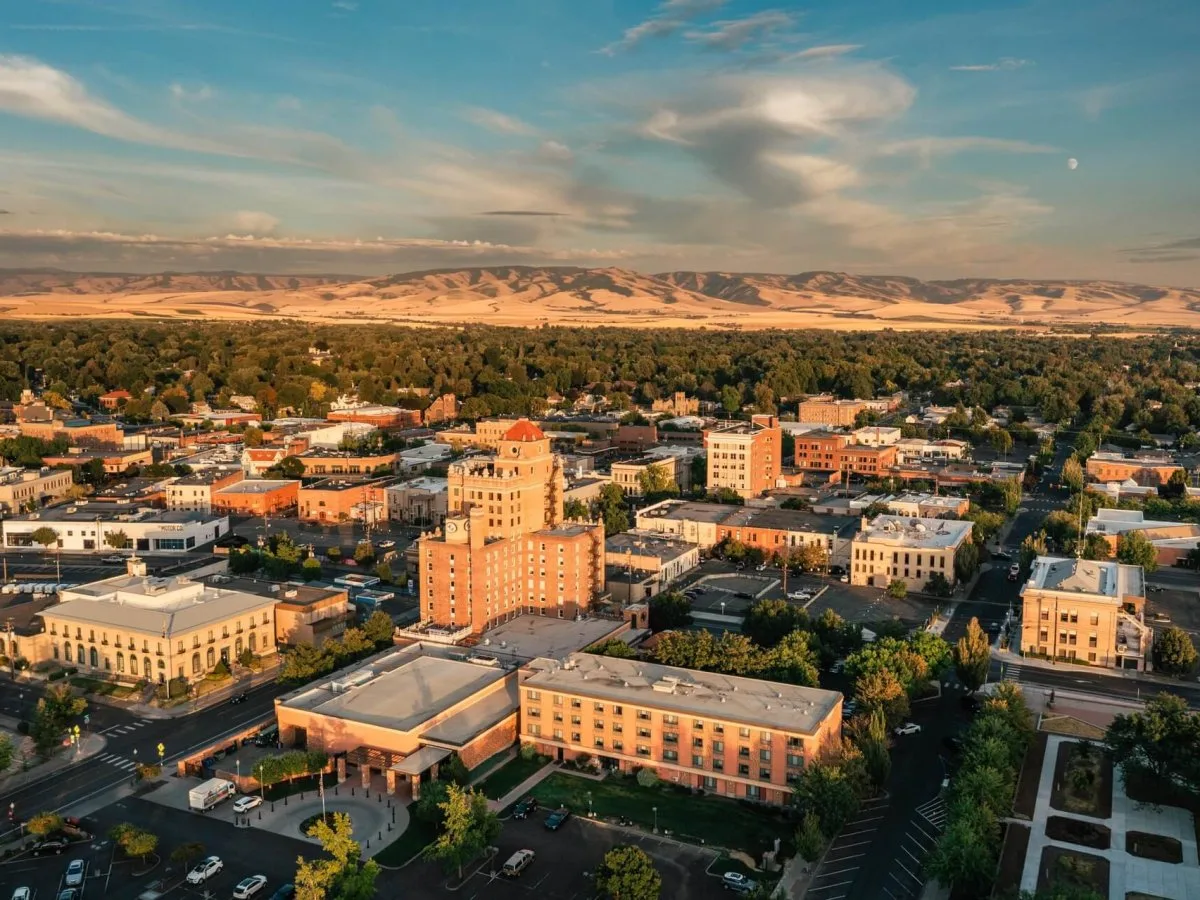
Walla Walla County sits in a rain shadow that delivers under 20 inches of precipitation a year - yet the majority of restoration calls here still involve water. Dry climates lull property owners into a false sense of security, and when a supply line bursts or the Walla Walla River runs high in spring, homes soak up damage fast.
Restoration work in the valley spans far more than wet carpet. Homes and businesses from the tree-lined streets near Whitman College to farm properties outside Touchet need a full range of emergency response.
- Water Damage Restoration - extraction, structural drying, moisture mapping, and repair after pipe failures, appliance leaks, and roof intrusion
- Flooded Basement Cleanup - pump-out, dehumidification, and salvage of stored belongings in older daylight and cellar basements
- Sewage Cleanup - safe removal of Category 3 contamination from backed-up mains, failed septic systems, and floor drain overflows
- Fire Damage Restoration - debris removal, soot cleaning, structural stabilization, and content recovery
- Smoke Damage Restoration - odor neutralization, HVAC cleaning, and treatment of surfaces affected by wildfire smoke or interior fires
- Mold Removal - containment, air filtration, material removal, and correction of the moisture source
Fast response protects framing, drywall, flooring, and indoor air quality. It also keeps a small loss from becoming a gut renovation.
Common Damage Restoration Issues in Walla Walla County, Washington
Local geography shapes the damage patterns technicians see here. Snowmelt off the Blue Mountains, irrigation infrastructure, agricultural dust, and a large stock of pre-1960 housing all play a role.
Frequent Causes of Loss
- Frozen and burst supply lines in unheated crawl spaces during January cold snaps
- Spring runoff and rapid snowmelt pushing groundwater into basements in Walla Walla, Dayton, and Waitsburg
- Aging cast iron and clay sewer laterals in older neighborhoods, leading to backups
- Septic system saturation on rural parcels near Dixie and Touchet
- Water heater and washing machine failures - the single most common indoor water source
- Kitchen fires, wood stove issues, and wildfire smoke infiltration from regional fires
- Irrigation line breaks and sprinkler overspray against foundations
Warning Signs Worth Acting On
- Musty odor in a basement or crawl space that intensifies after rain
- Staining, bubbling paint, or soft baseboards along exterior walls
- Slow floor drains or gurgling toilets - early indicators of a sewer blockage
- Persistent smoke odor that returns when the furnace or AC runs
- Warped hardwood, cupping laminate, or tack strips lifting from the subfloor
- Visible dark spotting on drywall behind furniture or inside closets
Ignoring any of these gives mold a head start. In a heated home, colonies can establish within a couple of days of a water event.
Neighborhoods We Serve in Walla Walla County
Coverage spans the entire valley floor and the surrounding rural and foothill communities.
- Walla Walla - downtown historic district, the Whitman College area, Eastgate, Blue Ridge, and the south side neighborhoods
- College Place - residential streets near Walla Walla University and newer subdivisions
- Touchet and Lowden - farmhouses, vineyard properties, and outbuildings
- Dixie and the Mill Creek corridor - rural homes on septic and well systems
- Dayton and Waitsburg - Columbia and Walla Walla County properties with older housing stock
- Prescott, Burbank, and Wallula - Snake and Columbia River area homes and agricultural facilities
Service also extends south across the state line into Milton-Freewater, Weston, Athena, Pendleton, Hermiston, Umatilla, and Pilot Rock, Oregon. Crews familiar with valley roads and rural addresses reach properties quickly, day or night.
Seasonal Damage Patterns in Walla Walla County
Restoration demand shifts with the valley's four distinct seasons.
Winter (December - February)
- Burst pipes in crawl spaces, garages, and exterior walls during hard freezes
- Ice damming and roof leaks after wet snow followed by freeze-thaw cycles
- Chimney, wood stove, and space heater fires - peak season for fire and smoke damage
Spring (March - May)
- Blue Mountain snowmelt raising groundwater and flooding basements
- Sewer and septic overload from saturated soils
- Mold growth accelerating as temperatures climb above materials that stayed damp all winter
Summer (June - August)
- Air conditioning condensate line clogs and overflow damage
- Irrigation and sprinkler breaks near foundations
- Regional wildfire smoke settling into HVAC systems and soft goods
Fall (September - November)
- Clogged gutters and downspouts sending water against foundations
- First heating cycles releasing trapped smoke and soot odors
- Hidden summer leaks discovered as homes close up for the season
Housing Characteristics & Restoration Considerations
Walla Walla County has a notably older housing stock compared to Washington as a whole, with a large share of homes built before 1970 and a meaningful cluster of Craftsman, Victorian, and early bungalow properties near the city center.
Construction Types and What They Mean
- Pre-1950 homes - lath and plaster walls, balloon framing, and unlined chimneys. Water travels vertically inside wall cavities, and plaster holds moisture far longer than drywall.
- Stone and brick foundations - porous mortar wicks groundwater, making basement drying slower and mold prevention more involved.
- Mid-century ranch homes - shallow crawl spaces with limited vapor barriers, prone to hidden condensation and fungal growth on joists.
- Rural farmhouses - well and septic systems that complicate sewage cleanup and require careful contamination containment.
- Newer College Place and Eastgate builds - engineered flooring and OSB subfloors that swell quickly and often need removal rather than drying.
Restoration Adjustments for Local Homes
- Moisture mapping with thermal imaging before any demolition, protecting original trim and millwork
- Controlled drying that avoids cracking historic plaster or shrinking old-growth wood floors
- Asbestos and lead-safe protocols in homes built before 1980 when materials must be removed
- Duct and cavity cleaning for smoke odor in balloon-framed structures where soot migrates between floors
- Crawl space encapsulation recommendations after mold removal to stop recurrence
Environmental Conditions & Damage Implications
The valley's semi-arid climate, loess soils, and agricultural surroundings all influence how damage develops and how restoration is handled.
Climate
- Hot, dry summers with low humidity - helpful for drying, but they mask leaks by evaporating surface moisture while cavities stay wet
- Cold winters with sustained sub-freezing stretches that stress plumbing
- Most precipitation falling between November and April, concentrating basement flooding into a narrow window
Soil and Groundwater
- Deep windblown loess soils that drain quickly but erode and channel water toward foundations
- Higher water tables near Mill Creek, the Touchet River, and the Walla Walla River during runoff
- Irrigated agricultural land bordering residential areas, raising subsurface moisture seasonally
Air Quality
- Harvest dust and agricultural particulate that loads HVAC filters and combines with smoke residue
- Summer wildfire smoke events that deposit fine soot on ceilings, drapes, and upholstery even without a structure fire
- Tight modern homes trapping mold spores and odor when ventilation is limited
Water Conditions
- Mineral-rich water that accelerates staining on drywall and cabinetry after a leak
- Rural well systems requiring disinfection consideration after any sewage backup
Each factor shapes the drying plan, containment strategy, and post-remediation verification used on local jobs.
24/7 Emergency Response Across the Walla Walla Valley
Water does not wait for business hours. The gap between a pipe failure and the arrival of extraction equipment often determines whether flooring is saved or replaced.
What Happens After You Call
- Immediate phone triage - guidance on shutting off water, gas, or power before crews arrive
- Rapid dispatch - technicians routed from within the valley to Walla Walla, College Place, Dayton, Waitsburg, Touchet, and outlying rural addresses
- Source control and safety check - stopping the intrusion and identifying electrical or contamination hazards
- Extraction - truck-mounted and portable units pulling standing water from floors, carpet pad, and basements
- Moisture documentation - meters and thermal cameras recording the full extent of migration for insurance purposes
- Structural drying - air movers, dehumidifiers, and targeted cavity drying with daily monitoring
- Cleaning and antimicrobial application - sanitizing affected surfaces, with full containment for sewage or mold
- Reconstruction - drywall, flooring, paint, and finish work to return the property to pre-loss condition
Steps to Take Before Crews Arrive
- Shut off the water supply at the main valve if the source is a plumbing failure
- Move area rugs, drapes, and furniture out of the affected area when it is safe to do so
- Avoid using electric or electronic items that may have contacted water
- Keep everyone away from sewage-contaminated areas, especially children and pets
- Photograph damage and damaged contents for your claim
- Do not run the HVAC system if smoke or mold is present - it spreads contamination
Fire and smoke losses follow a similar urgency. Acidic soot begins etching metal, glass, and finishes within hours, and odor bonds deeper into porous materials the longer it sits. Same-day board-up, air scrubbing, and content pack-out limit permanent loss.
Crews based in the valley understand local building styles, insurance expectations, and the road network from downtown Walla Walla to the Blue Mountain foothills - which means help arrives while the damage is still manageable.