
Damage Restoration in Walla Walla, WA
- Damage Restoration Services Overview
- Common Damage Restoration Issues in Walla Walla, Washington
- Neighborhoods We Serve in Walla Walla
- Seasonal Damage Patterns in Walla Walla
- Housing Characteristics & Restoration Considerations
- Environmental Conditions & Damage Implications
- Start-to-Finish Restoration and Insurance Coordination in Walla Walla
Damage Restoration Services Overview
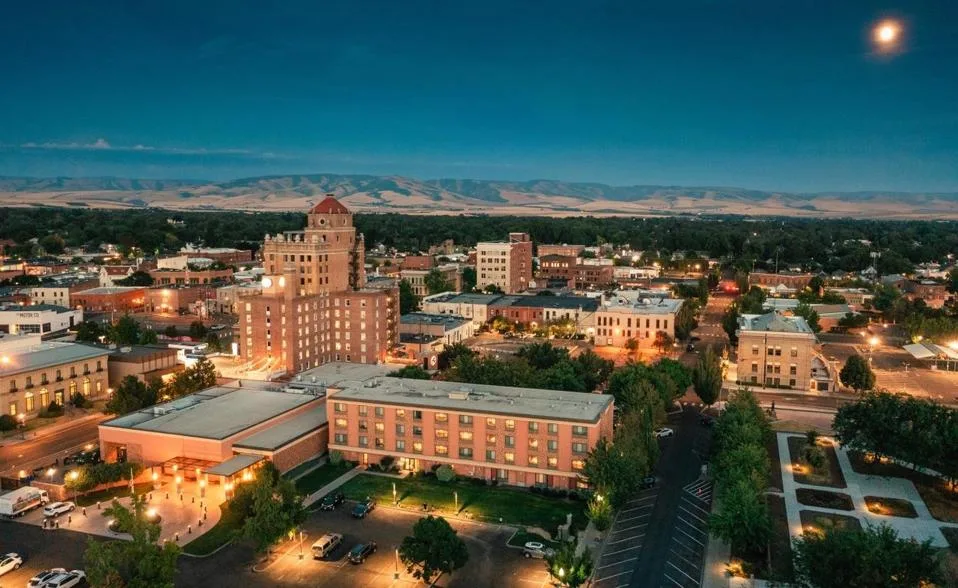
You come home from a weekend in the Blue Mountains, open the door, and hear running water. A supply line behind the washing machine let go sometime Saturday, and now the hallway carpet squishes under your shoes. Situations like this happen to Walla Walla households every week - and the response in the first hours shapes how much of the structure can be saved.
Full-service damage restoration covers the entire range of property emergencies homeowners and business owners face in Southeast Washington:
- Water Damage Restoration - extraction, structural drying, moisture mapping, and repair after burst pipes, appliance failures, roof leaks, and storm intrusion
- Flooded Basement Cleanup - pumping standing water, drying foundation walls and framing, and salvaging stored contents
- Sewage Cleanup - containment, removal of contaminated materials, disinfection, and odor control after backups and line failures
- Fire Damage Restoration - debris removal, board-up, soot and char cleanup, and reconstruction of damaged areas
- Smoke Damage Restoration - deodorization, HVAC cleaning, and surface treatment after structure fires or wildfire smoke infiltration
- Mold Removal - containment, remediation, and correction of the moisture source that fed the growth
Handling all six under one roof means no waiting for a second contractor while damage spreads. Documentation, drying, cleaning, and rebuild flow together, and insurance paperwork moves alongside the work.
Common Damage Restoration Issues in Walla Walla, Washington
Walla Walla sits in a valley where dry summers, cold snaps, and wet spring runoff each create their own set of property risks. Local damage patterns tend to repeat year after year.
Frequent Causes of Damage
- Frozen and burst pipes - uninsulated lines in crawl spaces, garages, and unheated basements during January cold snaps
- Basement and crawl space flooding - snowmelt off the Blues combined with saturated soil and heavy spring rain
- Sewer and septic backups - aging clay laterals, root intrusion from mature street trees, and overloaded lines during storm events
- Kitchen and laundry fires - the leading cause of residential fire calls, often leaving heavy protein smoke throughout the home
- Wildfire smoke infiltration - regional fire seasons push fine particulate into attics, ductwork, soft goods, and wall cavities
- Hidden mold colonies - behind bathroom tile, under vinyl flooring, and inside older plaster wall assemblies
Warning Signs Worth Acting On
- Musty odor in a basement, closet, or crawl space that never fully clears
- Discolored rings on ceilings or staining along baseboards
- Flooring that cups, buckles, or feels soft underfoot
- Slow floor drains or gurgling in fixtures when the washer discharges
- Persistent smoke smell that returns when the furnace or AC runs
- Peeling paint, efflorescence, or chalky deposits on foundation walls
Any one of these signals moisture, contamination, or residue that will progress until the source is corrected.
Neighborhoods We Serve in Walla Walla
Restoration crews respond throughout the city and across the valley, adapting methods to the housing stock in each area.
- Downtown and Main Street district - historic brick commercial buildings with shared walls and older plumbing stacks
- Green Park and Whitman College area - early-century homes with full basements and original wood floors
- Edison and Sharpstein neighborhoods - mid-century residential blocks with crawl spaces and mature tree roots near laterals
- Blue Ridge and south side subdivisions - newer slab and framed construction
- College Place - a mix of established and recent residential development
- Walla Walla County communities - Dixie, Prescott, Waitsburg, Touchet, Lowden, and Burbank
- Nearby valley areas - Milton-Freewater and surrounding rural acreage on wells and septic systems
Rural properties often need different tactics - septic-related sewage cleanup, well water considerations, and longer distances for equipment staging - all planned before crews arrive.
Seasonal Damage Patterns in Walla Walla
Winter (December - February)
- Burst supply lines during hard freezes, especially in vacant or vacation-empty homes
- Ice damming and roof leaks after wet snow followed by a thaw
- Heating-related fires from furnaces, wood stoves, and space heaters
- Chimney and flue fires producing heavy smoke damage
Spring (March - May)
- Flooded basements from snowmelt and saturated valley soils
- Sump pump failures during sustained runoff
- Sewer backups when combined flows overload aging laterals
- Mold growth appearing weeks after unnoticed winter leaks
Summer (June - August)
- Wildfire smoke drifting into homes across Southeast Washington
- Grass and brush fires reaching outbuildings and fence lines
- AC condensate line clogs saturating ceilings and closets
- Irrigation and hose bib leaks undermining foundations
Fall (September - November)
- Roof and gutter failures during the first heavy rains
- Crawl space humidity spikes that trigger mold
- Early-season heating equipment malfunctions and puff-backs
- Frozen hose bibs during the first unexpected freeze
Housing Characteristics & Restoration Considerations
Walla Walla's housing stock spans more than a century, and each era brings its own restoration challenges. Craftsman bungalows, Victorians near Whitman College, post-war ranches, and recent subdivision construction all behave differently when saturated or smoke-exposed.
Older Homes (Pre-1950)
- Lath-and-plaster walls hold moisture far longer than modern drywall and require careful drying rather than immediate demolition
- Unfinished basements and dirt-floor crawl spaces allow ground moisture to migrate into framing
- Original hardwood floors can often be dried in place with specialized mat systems if addressed early
- Galvanized and cast iron plumbing is prone to pinhole leaks and sudden failures
- Balloon framing lets smoke and soot travel vertically into attics and wall cavities
- Possible asbestos or lead-containing materials requiring testing before disturbance
Mid-Century and Newer Construction
- Vented crawl spaces that trap humidity and support mold on joists and subfloor
- Slab foundations where water wicks into carpet pad and bottom plates
- Engineered flooring and MDF trim that swell quickly and rarely dry back to spec
- Tighter building envelopes that hold smoke odor and moisture without ventilation
- Finished basements with insulated stud walls requiring targeted cavity drying
Effective restoration starts with reading the building - identifying assembly type, insulation, and vapor barriers before deciding what dries and what gets removed. That judgment keeps demolition minimal while preventing secondary damage.
Environmental Conditions & Damage Implications
The valley's semi-arid climate creates a false sense of security. Annual rainfall is modest, but concentrated wet periods, cold winters, and smoke-heavy summers each drive restoration demand.
Climate Factors
- Cold winters - sustained sub-freezing stretches expose every uninsulated pipe run
- Spring runoff - Blue Mountain snowmelt raises groundwater and pressures foundations
- Hot, dry summers - soil shrinkage opens gaps around foundations that later admit water
- Low outdoor humidity - helps drying but masks trapped moisture inside wall cavities
Air Quality and Smoke
- Regional wildfire seasons push fine particulate deep into attics, ducts, insulation, and textiles
- Smoke odor bonds to porous surfaces and reactivates with heat and humidity
- Agricultural dust and harvest activity add particulate load to filters and HVAC systems
- Post-fire cleaning requires HEPA filtration, duct cleaning, and thermal or hydroxyl deodorization
Soil and Water Conditions
- Silt loam soils drain slowly once saturated, holding water against foundation walls
- Perched water tables in low-lying areas increase basement seepage risk
- Mineral-rich water leaves scale that accelerates fixture and water heater failure
- Rural septic systems can surface or back up during saturated ground conditions
- Mature tree root systems invade older sewer laterals throughout established neighborhoods
These conditions mean drying plans, containment, and mold prevention have to be built for the valley - not copied from a generic playbook.
Start-to-Finish Restoration and Insurance Coordination in Walla Walla
The hardest part of a property loss is rarely the water or the soot - it is coordinating everyone involved. Homeowners who hire separate mitigation, remediation, and rebuild contractors often end up managing schedules, matching documentation, and explaining the same damage three times. A single team carrying the job from emergency response through final finish removes that burden.
How a Complete Restoration Project Progresses
- Emergency response - crews stop the source, board up openings, and stabilize the structure
- Assessment and documentation - moisture meters, thermal imaging, and photo records establish the full scope, including hidden damage behind walls and under floors
- Containment - negative air machines and barriers isolate contaminated or mold-affected areas from clean living space
- Extraction and removal - standing water pumped out, sewage-saturated porous materials removed, fire debris cleared
- Cleaning and deodorization - soot removal, antimicrobial application, HEPA vacuuming, duct cleaning, and odor treatment
- Structural drying - air movers and dehumidifiers run on a monitored schedule with daily moisture readings until materials reach dry standard
- Content handling - salvageable furniture, textiles, and belongings cleaned, inventoried, and stored
- Reconstruction - drywall, flooring, cabinetry, paint, and trim restored to pre-loss condition
What Coordinated Insurance Handling Looks Like
- Damage documented in the format adjusters expect from the first visit
- Industry-standard estimating software used for scope and pricing
- Direct communication with the carrier so the property owner is not relaying details
- Supplemental findings reported promptly when hidden damage surfaces during demolition
- Daily drying logs supporting every line item in the claim
Whether the call involves a flooded basement in Green Park, a sewage backup on an Edison-area lateral, or smoke residue throughout a home near College Place, one accountable team keeps the timeline moving and the property owner informed.





