Damage Restoration in Kitsap, WA
- Damage Restoration Services Overview
- Common Damage Restoration Issues in Kitsap, Washington
- Neighborhoods We Serve in Kitsap
- Seasonal Damage Patterns in Kitsap
- Housing Characteristics & Restoration Considerations
- Environmental Conditions & Damage Implications
- Naval Heritage and Restoration Challenges in Kitsap
Damage Restoration Services Overview
Property damage can strike without warning, leaving homeowners feeling overwhelmed and uncertain about next steps. Whether facing water intrusion from Puget Sound storms, basement flooding from heavy rains, or fire damage from unexpected incidents, professional restoration services provide the expertise needed to restore your home safely and effectively.
Kitsap County residents have access to comprehensive damage restoration services designed to address every type of property emergency:
- Water Damage Restoration - Immediate extraction, drying, and structural repairs
- Flooded Basement - Specialized basement water removal and waterproofing solutions
- Sewage Cleanup - Safe sanitization and contamination removal
- Fire Damage Restoration - Structural repair and debris removal
- Smoke Damage Restoration - Odor elimination and surface cleaning
- Mold Removal - Professional remediation and prevention strategies
Professional restoration protects your family's health, preserves property value, and prevents secondary damage that can cost thousands more in repairs. With Kitsap's unique climate and proximity to water, rapid response becomes especially important for preventing mold growth and structural deterioration.
Common Damage Restoration Issues in Kitsap, Washington
Kitsap County's location between Puget Sound and the Olympic Peninsula creates specific challenges for property owners. The marine climate brings consistent moisture that can lead to various restoration needs throughout the year.
Water-Related Damage Patterns
- Heavy winter rainfall causing basement flooding and foundation seepage
- Storm surge from Puget Sound affecting waterfront properties
- Plumbing failures during freezing temperatures
- Roof leaks from wind-driven rain during Pacific storms
- Crawl space moisture leading to structural wood damage
Fire and Smoke Damage Factors
- Wildfire risk during dry summer months, particularly in wooded areas
- Chimney fires from increased heating system use
- Kitchen fires from holiday cooking and entertaining
- Electrical fires in older homes with outdated wiring
Mold and Indoor Air Quality Issues
- High humidity levels promoting mold growth in basements and attics
- Poor ventilation in older homes trapping moisture
- Sewage backups during heavy rainfall overwhelming municipal systems
- Hidden water damage behind walls and under flooring
Early warning signs include musty odors, visible water stains, peeling paint, warped flooring, and unexplained health symptoms. Addressing these indicators quickly prevents extensive damage and costly repairs.
Neighborhoods We Serve in Kitsap
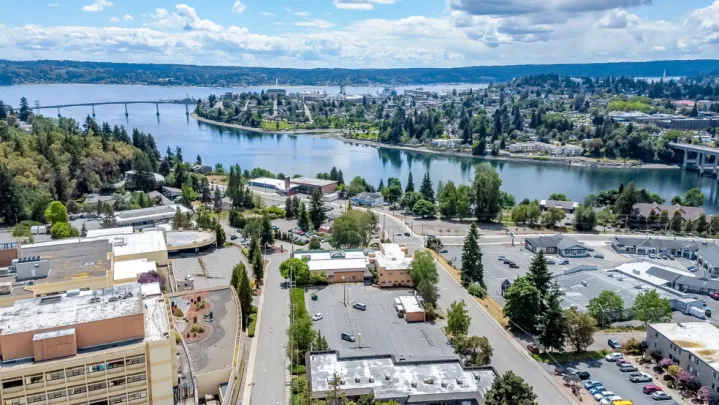
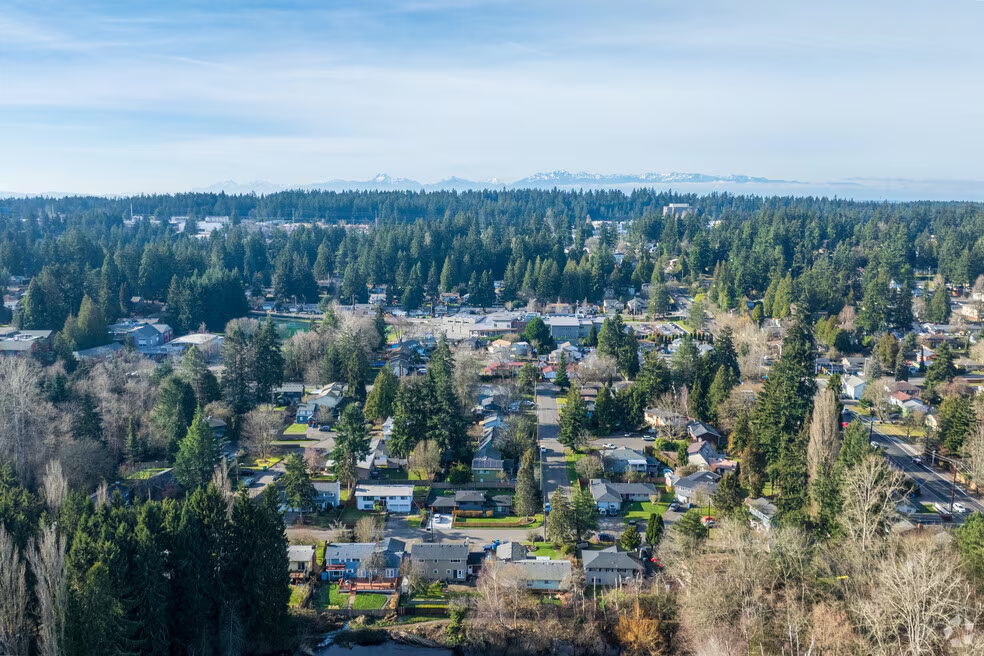
Our restoration services cover all communities throughout Kitsap County, from waterfront neighborhoods to rural forest areas. Each location presents unique restoration challenges based on geography and housing characteristics.
Primary Service Areas
- Bremerton - Historic naval district with older homes and commercial properties
- Silverdale - Mixed residential and retail developments
- Poulsbo - Waterfront community with Scandinavian heritage homes
- Port Orchard - Growing suburban area with diverse housing stock
- Bainbridge Island - Upscale waterfront properties and rural estates
- Kingston - Ferry community with coastal exposure challenges
- Hansville - Remote peninsula location with unique access considerations
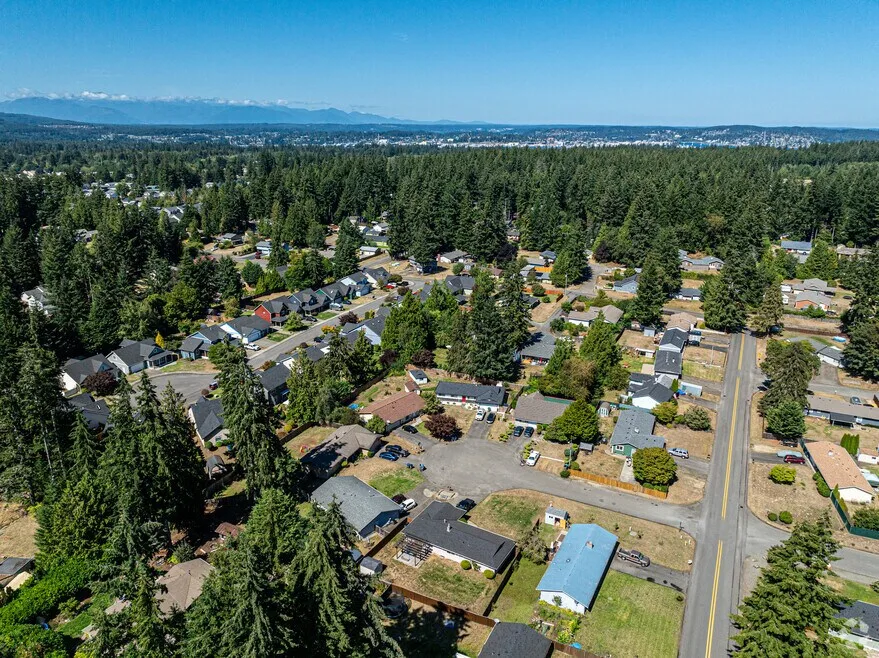
- Seabeck - Rural wooded area with fire risk concerns
We also serve surrounding areas including Navy Yard City, Gorst, Manchester, and Olalla. Our local knowledge helps us respond quickly and understand specific environmental factors affecting each community.
Seasonal Damage Patterns in Kitsap
Understanding seasonal damage patterns helps property owners prepare for common restoration needs throughout the year in Kitsap County.
Fall and Winter (October - February)
- Peak water damage season from Pacific storms and heavy rainfall
- Basement flooding from saturated soil and overwhelmed drainage
- Roof leaks and gutter failures from wind and debris
- Sewage backups during storm events
- Increased fire damage from heating system malfunctions
Spring (March - May)
- Mold discovery as humidity rises and heating systems cycle off
- Plumbing failures from freeze-thaw cycles
- Continued water intrusion from late-season storms
- Smoke damage from chimney and fireplace issues
Summer (June - September)
- Wildfire season with smoke damage and potential structure fires
- Air conditioning failures leading to humidity problems
- Electrical fires from increased power usage
- Vacation home water damage from undetected leaks
Property owners benefit from seasonal maintenance and monitoring to catch problems before they require extensive restoration services.
Housing Characteristics & Restoration Considerations
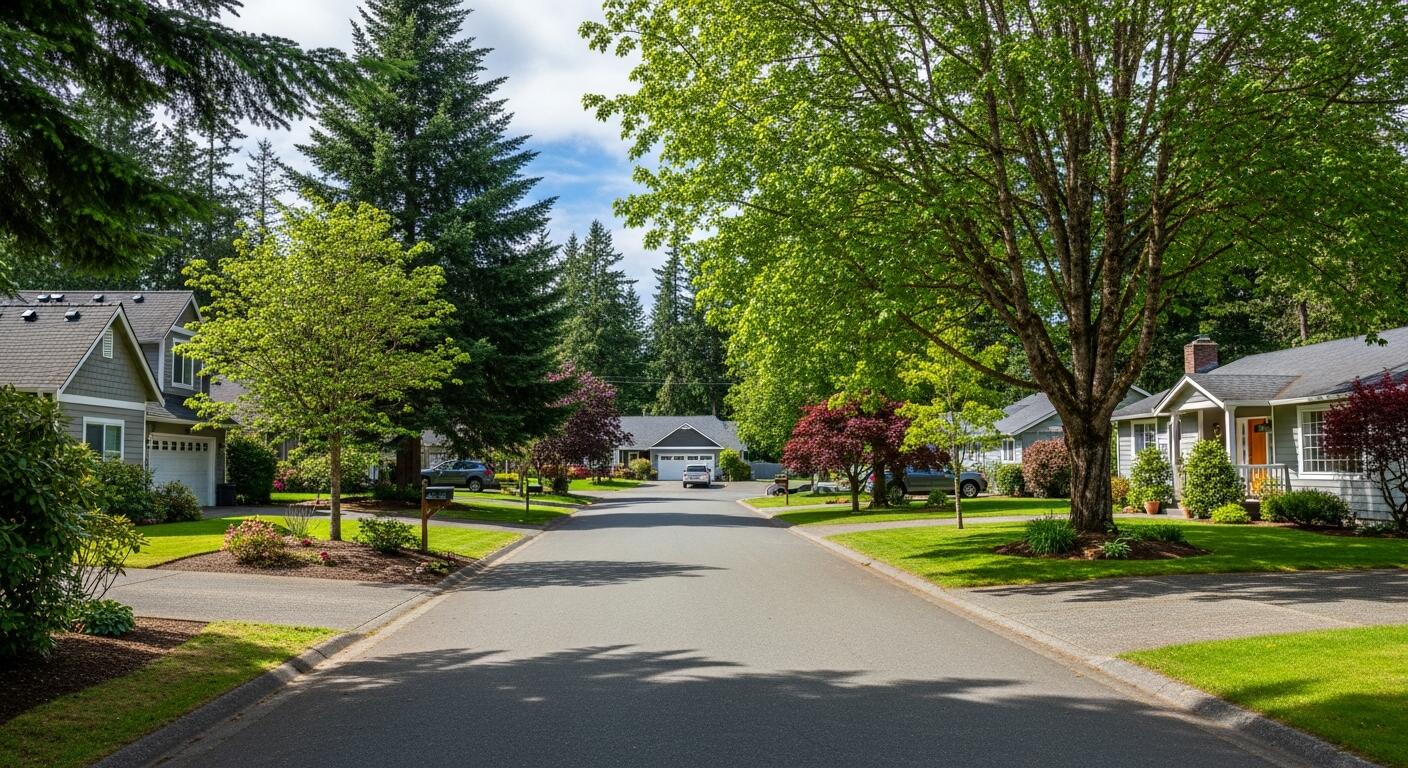
Kitsap County's diverse housing stock presents specific restoration challenges based on construction methods, age, and materials used throughout different development periods.
Housing Age and Construction Types
- Pre-1940s homes - Often lack vapor barriers and modern waterproofing
- 1940s-1960s military housing - Basic construction with limited insulation
- 1970s-1980s developments - Improved building codes but aging systems
- Modern construction - Better moisture control but complex HVAC systems
Common Construction Materials
- Wood frame construction vulnerable to water damage and mold growth
- Concrete foundations requiring specialized waterproofing approaches
- Cedar siding needing careful fire and smoke damage assessment
- Composition roofing with varying lifespans and leak potential
Restoration Implications by Housing Type
- Older homes often require extensive mold remediation due to poor ventilation
- Basement homes need specialized flooding response and waterproofing
- Waterfront properties face increased humidity and salt air corrosion
- Rural homes may have well water contamination during sewage incidents
Understanding these characteristics helps restoration professionals develop appropriate strategies for water extraction, fire damage repair, smoke odor removal, and mold prevention specific to each property type.
Environmental Conditions & Damage Implications
Kitsap County's unique environmental conditions significantly influence restoration needs and strategies. The marine climate, soil composition, and geographic features create specific challenges for property damage recovery.
Climate Factors Affecting Restoration
- High humidity levels (60-80% year-round) promoting mold growth
- Mild temperatures allowing mold spores to remain active longer
- Frequent precipitation (35+ inches annually) increasing water damage risk
- Marine air carrying salt that accelerates corrosion and material degradation
Soil and Drainage Characteristics
- Clay-rich soils with poor drainage leading to basement flooding
- Glacial till creating uneven water flow patterns around foundations
- Steep terrain channeling water toward structures during storms
- High water tables in low-lying areas near Puget Sound
Air Quality and Indoor Environment
- Seasonal wildfire smoke affecting indoor air quality and HVAC systems
- Marine moisture requiring enhanced ventilation and dehumidification
- Pollen and organic debris contributing to mold growth when combined with moisture
- Temperature fluctuations creating condensation in poorly insulated spaces
These environmental factors require restoration professionals to use specialized equipment for moisture control, implement extended drying times, and apply antimicrobial treatments more aggressively than in drier climates. Sewage cleanup becomes particularly challenging due to soil contamination risks, while fire damage restoration must account for the marine environment's effect on building materials.
Naval Heritage and Restoration Challenges in Kitsap
Kitsap County's identity as home to Naval Base Kitsap and Puget Sound Naval Shipyard creates unique restoration considerations that affect both military and civilian properties throughout the region.
Military Housing and Infrastructure Impacts
- High-density military housing with shared utilities increasing sewage backup risks
- Older base housing requiring specialized mold remediation approaches
- Frequent relocations leading to delayed damage discovery in vacant properties
- Security protocols affecting emergency response access and timing
Industrial Activity Effects on Restoration
- Shipyard operations creating air quality concerns during fire damage restoration
- Industrial chemicals requiring specialized cleanup protocols
- Heavy equipment vibrations potentially affecting foundation stability
- Electromagnetic interference from naval operations impacting moisture detection equipment
Community-Specific Restoration Needs
- Bremerton downtown features historic buildings requiring heritage-sensitive restoration methods
- Waterfront communities need salt-air resistant materials and coatings
- Military family housing often requires rapid restoration due to deployment schedules
- Shipyard worker neighborhoods may have contamination concerns requiring specialized testing
The naval presence also brings benefits to restoration services, including access to advanced dehumidification technology, emergency response coordination, and specialized cleaning equipment originally developed for maritime applications. Understanding these unique factors helps restoration professionals provide more effective water damage restoration, fire damage repair, smoke odor elimination, mold remediation, and sewage cleanup services throughout Kitsap County's diverse communities.