Damage Restoration in Asotin County, WA
- Damage Restoration Services Overview
- Common Damage Restoration Issues in Asotin County, Washington
- Neighborhoods We Serve in Asotin County
- Seasonal Damage Patterns in Asotin County
- Housing Characteristics & Restoration Considerations
- Environmental Conditions & Damage Implications
- Handling Sewage Backups and Category 3 Water in Valley Homes
Damage Restoration Services Overview
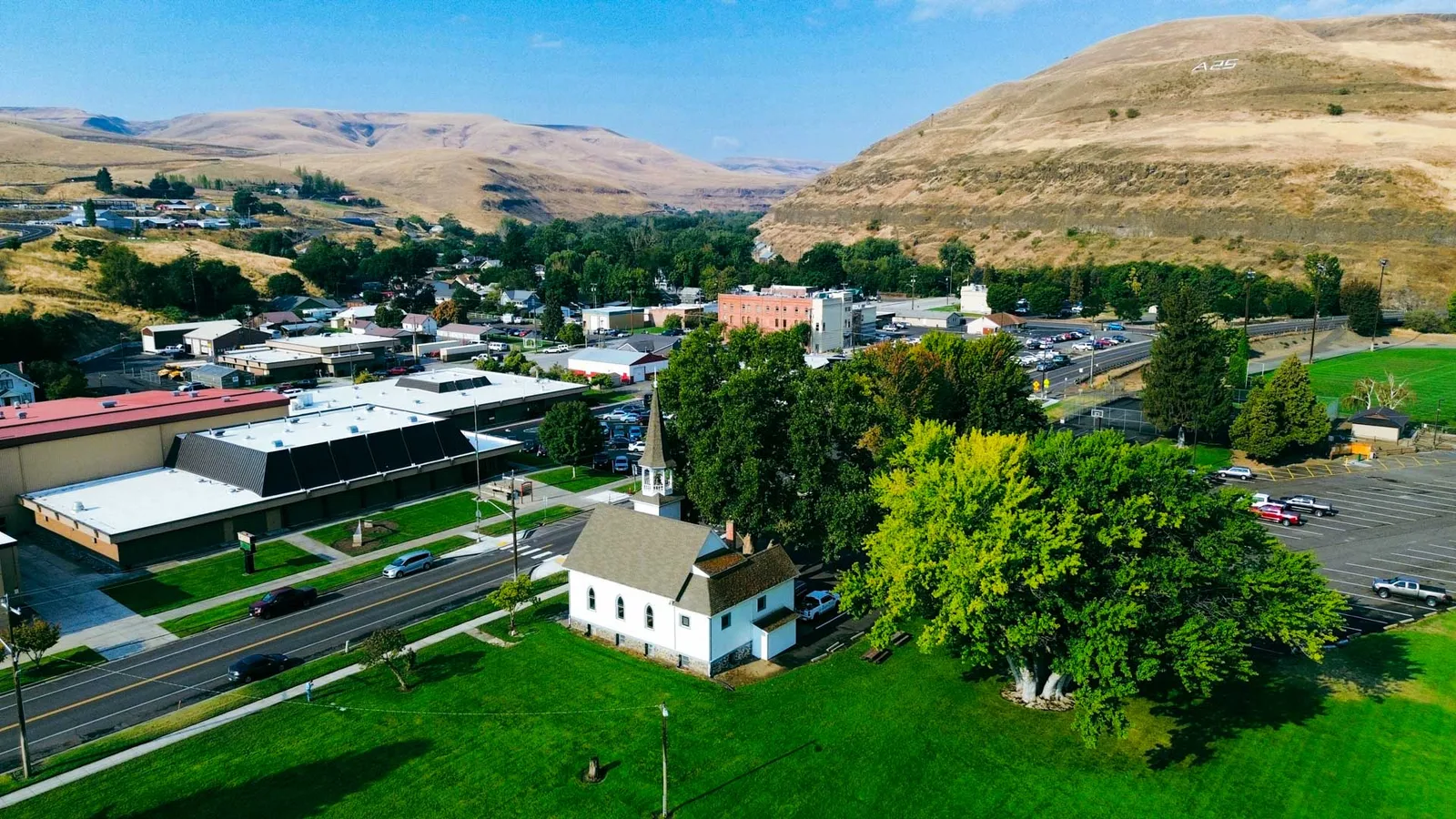
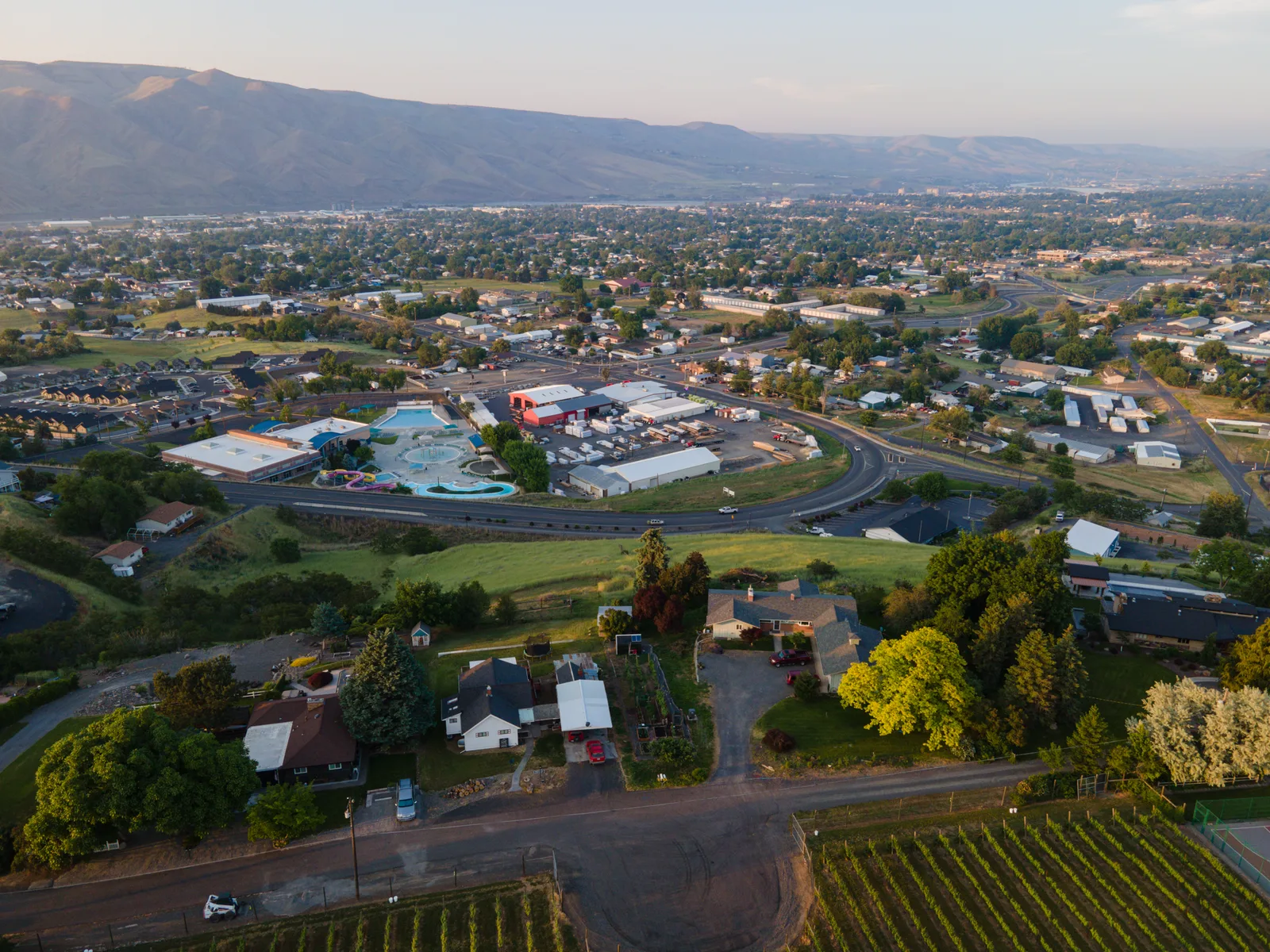
Asotin County sits at one of the lowest elevations in Washington State - the confluence of the Snake and Clearwater rivers near Clarkston drops to roughly 730 feet, which gives the county hotter summers and milder winters than the Palouse just north of it. That elevation swing creates a strange mix of restoration problems: freeze-thaw plumbing failures in the higher benches above Asotin, and hot, dry summers that pull moisture out of framing until a slow leak goes unnoticed for weeks.
Property owners here rely on a full range of restoration work rather than a single specialty:
- Water damage restoration - supply line breaks, appliance failures, roof leaks, and wind-driven rain intrusion
- Flooded basement recovery - sump pump failures, saturated ground, and foundation seepage
- Sewage cleanup - main line backups, septic surcharge, and category 3 contamination
- Fire damage restoration - structural cleaning, content recovery, and rebuild coordination
- Smoke damage restoration - odor neutralization, soot removal, and HVAC decontamination
- Mold removal - containment, controlled removal, and moisture source correction
The benefit of pairing these services under one response is simple: fire jobs almost always involve water, water jobs almost always risk mold, and sewage jobs demand both. Handling them together shortens the timeline and reduces the chance of a second failure inside the same wall cavity.
Common Damage Restoration Issues in Asotin County, Washington
Local geography drives most of what we see. Steep canyon slopes, older river-valley housing stock, and a mix of city sewer and rural septic systems each produce their own failure patterns.
Frequent Causes of Loss
- Atmospheric river roof leaks - days of sustained rain find every weak point, soaking attic insulation before water shows on a ceiling
- Wind-driven rain through window seals - older aluminum frames leak sideways, and the damage appears in the wall below rather than at the sill
- Basement flooding from saturated ground - once canyon soils stop absorbing, hydrostatic pressure pushes water through cold joints and floor cracks
- Power outage appliance failures - sump pumps stop, water heaters fail, and basement drain pumps quit, producing damage that looks like a storm but is really plumbing
- Fallen tree damage - a structural breach brings water intrusion and electrical risk, and the interior damage continues long after the tree is removed
- Snow load and ice dams - melting snow refreezes in roof gaps on the higher elevations, and leaks surface weeks later
- Sewage backups - grease and root intrusion in older laterals, plus septic surcharge on rural acreage during wet months
- Kitchen and heating fires - wood stoves and older wiring remain common ignition sources in rural homes
Warning Signs Worth Acting On
- Musty odor in a finished basement even when floors look dry
- Cupping or dark staining along baseboards and door casings
- Tape seams lifting on drywall ceilings after a wet stretch
- Recurring gurgle from floor drains or slow tub drainage
- Persistent smoke odor that returns when the furnace runs
Neighborhoods We Serve in Asotin County
Response covers the full county and the surrounding valley communities that share the same weather and infrastructure.
- Clarkston - downtown, Highland, Vineland, and the Clarkston Heights bench
- Asotin - riverfront homes, Asotin Creek corridor, and the older townsite core
- West Clarkston-Highland and surrounding unincorporated neighborhoods
- Anatone and the upper county along the Anatone Flats
- Cloverland, Peola, and Rogersburg rural acreage on septic and well systems
- Swallows Nest and Chief Timothy areas along the Snake River
Crews also work throughout the broader region - Pullman, Colton, and Uniontown in Whitman County, plus Lewiston, Lapwai, and the Nez Perce, Lewis, Latah, and Clearwater county areas. That regional footprint matters during widespread storm events, when local equipment gets committed quickly and additional drying units need to arrive from nearby.
Seasonal Damage Patterns in Asotin County
- December through February - frozen and burst supply lines in crawl spaces, garages, and unheated additions. Ice dams on the higher benches push meltwater under shingles. Wood stove and chimney fires peak during cold snaps.
- March and April - snowmelt in the Blue Mountain foothills combines with spring rain. Sump pumps run continuously, basements flood, and saturated ground surcharges septic drainfields.
- May and June - thunderstorm downbursts drive rain through window seals and drop limbs on roofs. Mold growth begins in wall cavities wetted earlier in spring.
- July and August - the driest, hottest stretch. Wildfire smoke from regional fires infiltrates homes, and grass fires threaten outbuildings. Air conditioning condensate lines clog and leak quietly.
- September and October - harvest-season dust loads HVAC systems, and the first sustained rains reveal summer roof deterioration.
- November - atmospheric river events arrive, producing the heaviest concentration of roof leaks and basement water calls of the year.
Housing Characteristics & Restoration Considerations
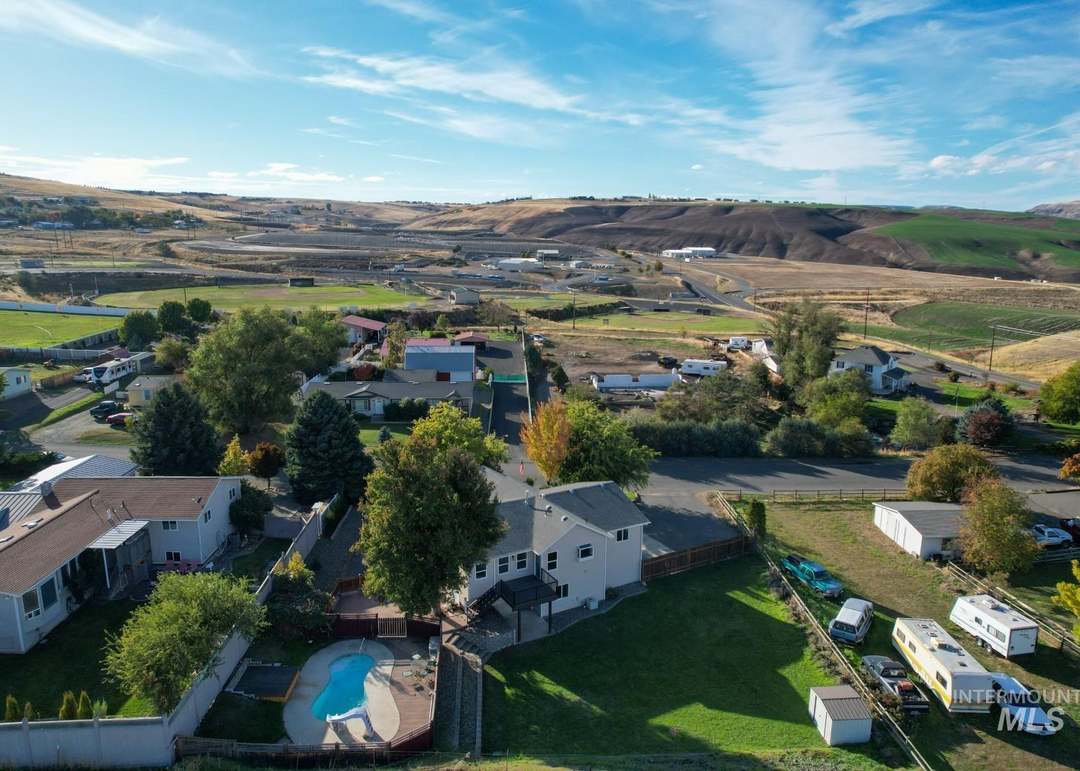
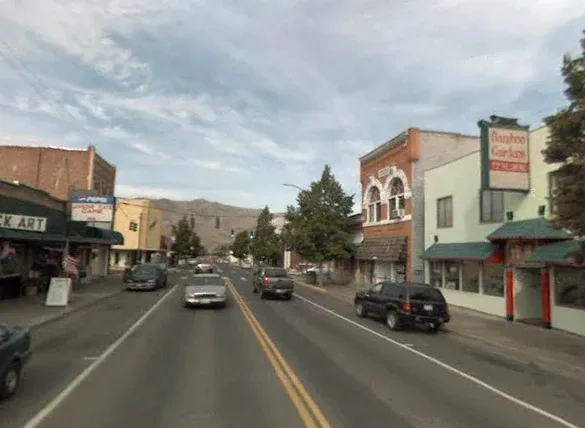
Much of the Clarkston and Asotin housing stock dates to the mid-twentieth century, with a strong concentration of homes built between the 1940s and 1970s. Newer construction sits mostly on the Heights and in outlying subdivisions.
What Older Local Homes Mean for Restoration
- Plaster and lath walls hold water differently than drywall and often need injection drying rather than removal
- Unsealed concrete basements and daylight basements wick moisture upward, feeding mold behind finished paneling
- Cast iron and clay sewer laterals crack and admit roots, raising the likelihood of category 3 backups
- Original single-pane or early aluminum windows allow wind-driven rain into wall assemblies
- Vented crawl spaces with limited vapor barrier trap humidity and support fungal growth under floors
- Balloon framing in the oldest homes lets smoke and water travel vertically between floors without obstruction
Asbestos Testing Before Demolition
Washington rules require suspect materials to be tested before demolition when cleanup involves removing building components - regardless of the home's age. That affects a large share of local restoration work, since floor tile, sheet vinyl backing, textured ceilings, pipe wrap, and joint compound in older Clarkston and Asotin homes commonly contain regulated material. The practical approach is to collect samples immediately, rush the lab turnaround, and prepare the structure - containment, stabilization, and initial drying - while results are pending, so removal can begin the moment clearance arrives.
Environmental Conditions & Damage Implications
The Lewis-Clark Valley climate is semi-arid, with annual precipitation well below the Washington average and summer temperatures that regularly exceed 95 degrees. Those conditions change how restoration is executed.
Climate and Drying
- Low outdoor humidity in summer allows aggressive ventilation-assisted drying and shortens equipment time
- Winter inversions trap cold, damp air in the valley, making dehumidification - not open windows - the only reliable method
- Rapid summer surface drying can mask trapped moisture in subfloor and wall cavities, which later becomes a mold problem
Soil, Water, and Terrain
- Loess and silt loam soils on the slopes shed water quickly during downpours, sending runoff toward foundations at the base of grades
- Basalt bedrock under shallow soil limits infiltration, so water travels laterally into daylight basements
- Hard, mineral-rich water scales water heaters and supply fittings, contributing to premature appliance failures
- River-adjacent parcels carry elevated groundwater tables that pressure below-grade slabs
Air Quality
Regional wildfire smoke and agricultural dust settle into HVAC systems and soft contents each summer. Homes with existing smoke damage see odor return sharply when outdoor particulate spikes, which is why duct cleaning, filtration upgrades, and thermal fogging are often paired with structural cleaning rather than treated as optional add-ons.
Handling Sewage Backups and Category 3 Water in Valley Homes
Sewage cleanup is the least forgiving category of restoration work, and Asotin County produces more of it than its population would suggest. Aging laterals in older Clarkston neighborhoods, rural septic systems on saturated ground, and basement fixtures installed below the main sewer line all converge on the same outcome - contaminated water in a finished living space.
Why Local Conditions Increase the Risk
- Daylight and full basements place bathrooms, laundry, and floor drains below street sewer grade
- Original clay and cast iron laterals crack under root pressure from mature valley shade trees
- Spring runoff raises groundwater and surcharges rural drainfields until effluent backs toward the house
- Ejector and drain pumps fail during outages, exactly when demand on them peaks
How the Work Proceeds
- Stop the source and isolate electrical circuits serving the affected area
- Establish containment with negative air machines and HEPA filtration to protect unaffected rooms
- Extract contaminated water and remove porous materials - carpet, pad, insulation, wicked drywall, and particleboard cabinetry
- Sample suspect materials for asbestos where demolition is required, and prepare the space while results are pending
- Clean and apply antimicrobial treatment to all remaining structural surfaces
- Dry the assembly with dehumidification and targeted airflow, documenting moisture readings daily
- Verify dryness and clearance before any reconstruction begins
The Benefit of Doing It This Way
Cutting corners on a sewage loss shows up months later as odor, mold growth behind new drywall, or a failed real estate inspection. A documented removal-and-drying sequence protects occupant health, supports the insurance claim with defensible readings, and lets rebuild work proceed once - not twice. For homes where the same backup keeps recurring, the drying phase also becomes the opportunity to identify the underlying lateral or pump defect so the next heavy rain does not repeat the whole event.