
Damage Restoration in Clarkston Heights-Vineland, WA
- Damage Restoration Services Overview
- Common Damage Restoration Issues in Clarkston Heights-Vineland, Washington
- Neighborhoods We Serve in Clarkston Heights-Vineland
- Seasonal Damage Patterns in Clarkston Heights-Vineland
- Housing Characteristics & Restoration Considerations
- Environmental Conditions & Damage Implications
- Crawl Space and Below-Grade Moisture Recovery on the Clarkston Bench
Damage Restoration Services Overview
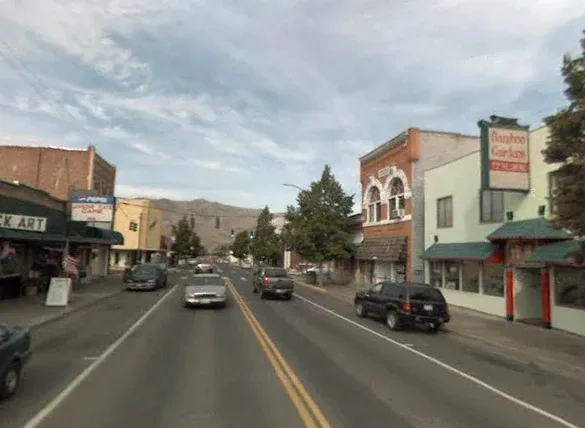
Clarkston Heights-Vineland sits on the benchland above the Snake and Clearwater river confluence, where dry summers, sudden downpours, and freeze-thaw winters combine to create moisture problems that surprise homeowners. Property here ranges from mid-century ranch homes on crawl spaces to newer builds on slab foundations along the bluff - each responding differently when water, smoke, or sewage enters the structure.
Restoration work in this community covers a full range of emergency and recovery needs:
- Water Damage Restoration - extraction, moisture mapping, structural drying, and dehumidification after supply line breaks, appliance failures, or storm intrusion
- Flooded Basement - pump-out, containment of saturated materials, and drying of below-grade walls and slabs
- Sewage Cleanup - removal of Category 3 contamination, disinfection, and safe disposal of porous materials
- Fire Damage Restoration - stabilization, debris removal, soot cleanup, and rebuilding of charred assemblies
- Smoke Damage Restoration - odor neutralization, HVAC cleaning, and content restoration after fire or regional wildfire smoke intrusion
- Mold Removal - containment, HEPA filtration, affected material removal, and moisture source correction
The benefit of acting fast is measurable: contained damage, fewer materials discarded, cleaner insurance documentation, and a household that returns to normal sooner.
Common Damage Restoration Issues in Clarkston Heights-Vineland, Washington
The Lewis-Clark Valley's low elevation and semi-arid climate mask real moisture risk. When water does arrive - from irrigation, plumbing, or a fast-moving thunderstorm - it moves quickly through soil and into structures.
Frequent Causes of Damage
- Frozen or burst supply lines in crawl spaces and unheated garages during January cold snaps
- Failed water heaters, dishwasher hoses, and washing machine supply lines
- Irrigation overspray and canal-fed landscape watering saturating foundation soil
- Roof and gutter overflow during short, intense summer thunderstorms
- Sewer line backups in older clay or cast iron laterals, often root-intruded
- Kitchen grease fires, wood stove and chimney issues, and electrical faults in aging panels
- Wildfire smoke drawn indoors through HVAC intakes and open windows in late summer
Warning Signs Worth Investigating
- Musty odor in crawl spaces, closets, or near the base of exterior walls
- Cupping hardwood, bubbling paint, or discolored drywall along baseboards
- Slow drains or gurgling toilets that signal a partial lateral blockage
- Soot film on window frames or a persistent smoke odor that returns in humid conditions
- Unexplained spikes in the water bill pointing to a hidden slab or crawl space leak
- Condensation on ductwork or rusting metal fasteners under the floor system
Early detection keeps a water event from becoming a mold remediation project. Materials that stay wet past the first 48 hours shift the scope of work considerably.
Neighborhoods We Serve in Clarkston Heights-Vineland
Response covers the full Clarkston Heights and Vineland benchland along with the surrounding valley communities.
- Clarkston Heights residential streets above Highway 12 and the Appleside corridor
- Vineland orchard-adjacent properties and rural acreage parcels
- Downtown Clarkston, Riverview, and neighborhoods near Chestnut Street
- Swallows Nest and Evans Road areas near the Snake River bluff
- Asotin and Anatone to the south
- Pomeroy, Colton, and Uniontown across the Whitman and Garfield County lines
- Lewiston, Lewiston Orchards, and North Lewiston across the Interstate Bridge
Crews work both tight in-town lots with limited equipment access and rural properties on well and septic systems, where sewage cleanup and water damage restoration require different containment planning. Emergency dispatch operates around the clock, including holidays and overnight hours when a burst pipe or backup cannot wait until morning.
Seasonal Damage Patterns in Clarkston Heights-Vineland
Winter (December - February)
- Frozen pipe ruptures in crawl spaces, exterior walls, and unheated outbuildings
- Ice dams and roof leaks after wet snow followed by a hard freeze
- Peak season for heating-related fire damage from space heaters, wood stoves, and chimneys
Spring (March - May)
- Snowmelt and rain-on-frozen-ground events causing flooded basements and crawl space water
- Sewer backups as saturated soil pressures aging laterals
- Mold growth accelerating in spaces that stayed damp through winter
Summer (June - August)
- Irrigation and sprinkler-driven foundation saturation
- Thunderstorm downbursts overwhelming gutters and window wells
- Regional wildfire smoke infiltration requiring smoke damage restoration and duct cleaning
- Appliance and air conditioning condensate line failures
Fall (September - November)
- First-use furnace and fireplace incidents creating soot and smoke damage
- Clogged gutters from leaf fall directing water against foundations
- Pre-freeze plumbing failures in hose bibs and irrigation backflow assemblies
Housing Characteristics & Restoration Considerations
Housing stock in Clarkston Heights-Vineland spans several eras, and each construction type changes how a loss is handled.
Common Construction Profiles
- 1950s - 1970s ranch homes - wood-frame on vented crawl spaces, often with original galvanized or early copper supply lines prone to pinhole leaks
- Split-level and daylight basement homes - below-grade living space on the bench slopes, vulnerable to hydrostatic seepage and flooded basement events
- 1980s - 2000s builds - slab-on-grade with PVC drain lines and finished garages that trap moisture
- Manufactured and modular homes - skirted underbellies where water pools inside vapor barriers and hides for months
- Rural farmhouses and outbuildings - balloon framing and knob-and-tube remnants that raise fire risk and complicate smoke cleanup
How Construction Shapes the Work
- Crawl space homes require vapor barrier replacement, sub-floor drying, and joist moisture verification rather than simple surface extraction.
- Older lath-and-plaster walls hold soot in porous texture, so smoke damage restoration involves solvent cleaning and sealing rather than wiping.
- Finished basements with framed walls over concrete need selective demolition to reach insulation cavities where mold begins.
- Homes on septic systems demand different sewage cleanup protocols, including tank and drain field evaluation before restoration begins.
- Blown-in attic insulation absorbs smoke odor and typically gets removed and replaced during fire recovery.
Environmental Conditions & Damage Implications
The Lewis-Clark Valley is one of the warmest, driest pockets in Washington, sitting well below the surrounding Palouse plateau. That climate profile creates a specific set of restoration variables.
Climate and Air
- Hot, dry summers speed evaporation but also drive rapid soot bonding after a fire, making prompt smoke cleanup important
- Low ambient humidity assists structural drying, though enclosed crawl spaces stay far damper than outdoor readings suggest
- Late-summer wildfire smoke from regional burns settles into HVAC systems, attic insulation, and soft contents
- Winter valley inversions trap particulates and slow natural ventilation during odor removal
Soil, Water, and Terrain
- Loess and silt-loam soils on the bench drain unevenly and can channel runoff toward foundations
- Slopes above the Snake River direct stormwater downhill into daylight basements and window wells
- Hard, mineral-rich water contributes to scale buildup and premature water heater and fixture failure
- Irrigation-fed landscaping keeps perimeter soil moist far longer than natural rainfall would
Practical Effects on Restoration
- Psychrometric monitoring is adjusted for low outdoor humidity so drying targets reflect actual material moisture, not room air
- Mold removal focuses on hidden cavities - crawl spaces, wall bases, and under-slab flooring - rather than visible surfaces
- Sewage cleanup includes soil evaluation where contaminated water reaches crawl space grade
Crawl Space and Below-Grade Moisture Recovery on the Clarkston Bench
The single most overlooked source of long-term damage in Clarkston Heights-Vineland homes is the crawl space. It stays out of sight, holds moisture through the cool months, and quietly feeds mold growth into the floor system above.
Why Crawl Spaces Fail Here
- Vented designs pull warm valley air into cool spaces, causing condensation on ducts and framing
- Torn or missing vapor barriers let ground moisture rise continuously
- Irrigation lines and hose bibs leak beneath the home without visible signs indoors
- Grading settles over time, sending roof runoff back toward the foundation
- Sewer laterals running under the crawl space can leak for extended periods before a backup appears
The Recovery Process
- Inspection and mapping - moisture meters, thermal imaging, and humidity readings identify the full extent, not just the wet spot.
- Source correction - the leak, backup, or drainage failure is stopped before drying equipment is placed.
- Extraction and removal - standing water is pumped out and contaminated insulation, vapor barrier, and porous material is bagged and removed.
- Containment for contamination - sewage or mold work is isolated with negative air and HEPA filtration so spores and bacteria do not migrate into living space.
- Structural drying - air movers and low-grain refrigerant dehumidifiers bring framing and subfloor back to documented dry standards.
- Antimicrobial treatment and rebuild - surfaces are cleaned and treated, then new vapor barrier, insulation, and any removed flooring are reinstalled.
Custom Solutions for Local Properties
- Regrading and downspout extensions to move irrigation and storm runoff away from foundations
- Sump and drainage recommendations for daylight basements on the bluff slope
- Encapsulation options for homes with chronic crawl space humidity
- Duct cleaning and odor treatment when smoke or sewage odor has entered the air handler
Documentation is provided throughout for insurance purposes, with moisture logs, photos, and scope details supporting the claim from first contact through final walkthrough.





