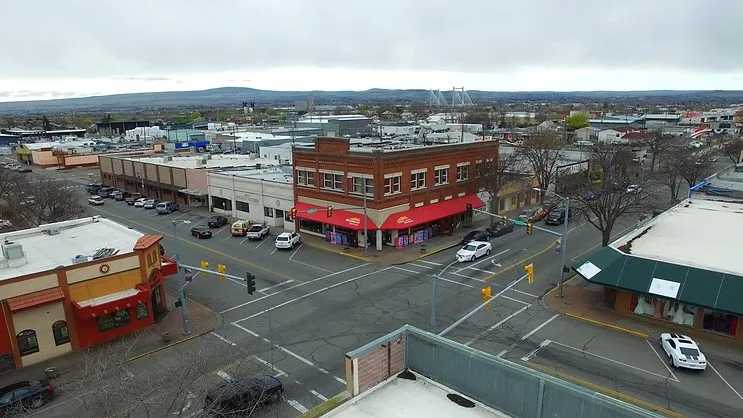
Damage Restoration in Franklin County, WA
- Damage Restoration Services Overview
- Common Damage Restoration Issues in Franklin County, Washington
- Neighborhoods We Serve in Franklin County
- Seasonal Damage Patterns in Franklin County
- Housing Characteristics & Restoration Considerations
- Environmental Conditions & Damage Implications
- Irrigation, River Proximity, and Groundwater Risk in Franklin County
Damage Restoration Services Overview

You come home from a weekend in the Blue Mountains, open the door, and hear water running where no water should be. A supply line behind the washer let go on Friday night, and now the hallway carpet squishes underfoot and the drywall has wicked moisture halfway up the baseboard. In a semi-arid county like Franklin, that much indoor moisture becomes a mold problem faster than most homeowners expect.
Property damage in Pasco, Connell, and the surrounding farm communities rarely arrives politely. Our restoration work covers the full range of emergencies Franklin County families and businesses face:
- Water damage restoration - burst supply lines, failed water heaters, irrigation backflow, roof and window leaks
- Flooded basement recovery - extraction, structural drying, and content handling for below-grade spaces
- Sewage cleanup - safe removal of Category 3 contamination from backups, septic failures, and lateral line breaks
- Fire damage restoration - structural cleaning, debris removal, and coordinated rebuild
- Smoke damage restoration - soot removal, odor neutralization, HVAC decontamination
- Mold removal - containment, controlled remediation, and correcting the moisture source
The benefit of a single team handling mitigation through reconstruction is simple: fewer handoffs, one moisture record, and a property that dries down completely rather than partially.
Common Damage Restoration Issues in Franklin County, Washington
Franklin County sits at the confluence of the Columbia and Snake Rivers, surrounded by irrigated cropland and shrub-steppe. That combination produces a distinctive damage profile.
Water and Flooding Causes
- Winter freeze-thaw swings that split unprotected hose bibbs, garage lines, and crawl space piping
- Spring runoff and rapid snowmelt raising groundwater near river-adjacent neighborhoods
- Irrigation line breaks and misaimed pivots saturating soil against foundations
- Sudden summer thunderstorm cells dropping heavy rain on hardpan soil that sheds rather than absorbs
- Failed sump pumps and clogged window wells in below-grade rooms
Sewage and Sanitary Problems
- Root intrusion in older clay and cast iron laterals in central Pasco
- Septic drainfield saturation on rural acreage near Eltopia, Mesa, and Basin City
- Grease and wipe blockages in restaurant and multifamily lines
Fire, Smoke, and Mold Warning Signs
- Dry cheatgrass and stubble fields carrying wildland fire toward outbuildings and fence lines
- Wood stove and fireplace creosote buildup during cold snaps
- Yellowed ceiling halos, sticky residue on windows, or a persistent campfire odor after a small kitchen fire
- Musty smells in crawl spaces, warped flooring seams, or dark speckling behind toilets and under sinks
Any of these signs warrants moisture mapping before cosmetic repairs begin.
Neighborhoods We Serve in Franklin County
Our crews respond throughout the county and the wider Tri-Cities area, including:
- Pasco - Road 68 corridor, Riverview, Chapel Hill, Broadmoor, Columbia Place, Downtown and Kurtzman Park, Linda Loviisa, and the East Pasco industrial district
- Connell - residential blocks along Columbia Avenue and outlying farm homes
- Mesa, Basin City, Eltopia, and Kahlotus - rural properties, well-and-septic homes, and agricultural outbuildings
- Burbank and Sacajawea area - river-adjacent properties on the Walla Walla County line
- Neighboring Kennewick, Richland, and West Richland for cross-river calls
Response distances matter here. A property near Kahlotus needs a different staging plan than a Road 68 subdivision home, and we size equipment loads accordingly before dispatch.
Seasonal Damage Patterns in Franklin County
- December through February: Frozen and burst pipes dominate. Cold snaps hit unheated garages, crawl spaces, and vacant rentals. Wood stove, fireplace, and space heater fires spike, bringing smoke damage restoration calls along with them.
- March through May: Snowmelt, rising river levels, and spring rain push groundwater up. Flooded basements, crawl space saturation, and sump pump failures peak. Mold growth begins in structures that were never fully dried over winter.
- June through August: Irrigation season brings line breaks and over-watering against foundations. Dry lightning and field fires drive wildfire and structure fire response. Air conditioning condensate line clogs cause hidden ceiling and closet water damage.
- September through November: Harvest equipment and shop fires, first-use furnace puff-backs coating interiors in soot, and early freezes catching un-winterized outdoor plumbing. Sewage backups increase as roots seek moisture in aging laterals.
Mold removal requests follow water events by roughly two to six weeks, which is why documenting drying at the time of loss matters.
Housing Characteristics & Restoration Considerations
Franklin County housing splits into distinct eras, and each dries and restores differently.
- Pre-1960 homes in central and east Pasco: Often plaster over lath, board subfloor, minimal insulation, and original cast iron or clay drain lines. Plaster holds moisture stubbornly, and hidden cavities require injection drying rather than surface air movement. Older wiring and knob-and-tube remnants raise fire risk.
- 1970s-1990s ranch and split-level stock: Wood frame with vented crawl spaces, fiberglass batts, and vinyl or sheet flooring. Water migrates from living space into crawl spaces, where insulation becomes a mold reservoir if not removed promptly.
- Post-2000 subdivisions along Road 68, Broadmoor, and Chapel Hill: Slab-on-grade or shallow crawl construction, engineered joists, laminate and LVP flooring, and tight building envelopes. Tight homes trap humidity, so dehumidification capacity matters more than raw airflow.
- Manufactured and modular homes: Common on rural parcels near Mesa and Eltopia. Belly wrap holds water against the floor structure and must be opened and drained rather than dried from above.
- Agricultural outbuildings and shops: Metal-clad, uninsulated, and prone to condensation staining plus rapid fire spread once fuel loads ignite.
Multi-story homes with below-grade rooms need staged extraction so water is not pushed into lower levels. In every case, moisture meter readings - not appearance - determine when drying equipment comes out.
Environmental Conditions & Damage Implications
Franklin County averages well under ten inches of annual precipitation, with hot, dry summers and cold, occasionally foggy winters. That climate shapes restoration strategy in several ways.
- Low outdoor humidity helps drying in summer, but only where structures can be ventilated safely. Sealed modern homes still require commercial dehumidification.
- Winter valley inversions trap cold, damp air for days, slowing evaporation and extending drying timelines for crawl spaces and basements.
- Silt loam and loess soils drain unevenly and can hold water against foundation walls once irrigation or runoff saturates them, feeding chronic seepage.
- Caliche and hardpan layers in parts of the county block downward drainage, redirecting water laterally toward footings.
- Hard, mineral-rich water from local sources scales fixtures and water heaters, shortening appliance life and contributing to sudden failures.
- Seasonal dust, field burning, and regional wildfire smoke load HVAC systems with particulate. After a fire, that pre-existing residue complicates soot testing and cleaning verification.
Mold species common to the region thrive in the narrow band where a moisture source meets an unventilated cavity - beneath tubs, behind refrigerators, and along crawl space perimeters. Remediation here means containment, negative air, HEPA filtration, removal of unsalvageable porous materials, and correcting the drainage or plumbing defect that caused it. Sewage cleanup adds a further layer, since bacteria and endotoxins in Category 3 water require antimicrobial treatment and removal of contaminated porous materials rather than surface cleaning.
Irrigation, River Proximity, and Groundwater Risk in Franklin County
Few counties in Washington have their water table shaped as directly by agriculture. Decades of Columbia Basin Project irrigation have raised perched groundwater across parts of Franklin County, and homes built on those shallow tables see moisture problems that look nothing like a burst pipe.
How Groundwater Shows Up Indoors
- Damp or efflorescent basement walls that worsen through the irrigation season
- Standing water in crawl spaces during spring runoff even without rainfall
- Sump pumps running continuously from May through September
- Cupped hardwood or lifting vinyl over slabs with no vapor barrier
- Recurring mold on the lower eighteen inches of drywall after previous repairs
How We Approach These Properties
- Source identification first. We separate plumbing failures from hydrostatic intrusion using moisture mapping, thermal imaging, and inspection of grading, canals, laterals, and pivot patterns near the structure.
- Extraction and containment. Standing water comes out, contaminated materials are contained, and negative air keeps spores and odors from spreading through the home.
- Structural drying. Directional airflow paired with commercial dehumidification treats framing, subfloor, and insulation cavities - not just visible surfaces.
- Verification. Daily moisture readings against dry-standard benchmarks confirm the assembly is actually dry before equipment leaves.
- Repair and prevention. Rebuild work pairs with drainage corrections: regrading, vapor barriers, downspout extensions, window well drains, and sump redundancy.
What Property Owners Can Do
- Keep irrigation heads and drip lines aimed away from foundations
- Test sump pumps and backup power before spring runoff
- Insulate exposed plumbing in crawl spaces and detached shops each fall
- Photograph and document any water event, even a small one, for later reference
Whether the call involves a flooded basement in Pasco, a sewage backup on a Basin City septic system, or smoke damage after a field fire near Connell, the same principle applies - find the source, dry the structure completely, then rebuild.