
Damage Restoration in Pasco, WA
- Damage Restoration Services Overview
- Common Damage Restoration Issues in Pasco, Washington
- Neighborhoods We Serve in Pasco
- Seasonal Damage Patterns in Pasco
- Housing Characteristics & Restoration Considerations
- Environmental Conditions & Damage Implications
- Insurance Documentation and Restoration Standards in the Tri-Cities
Damage Restoration Services Overview
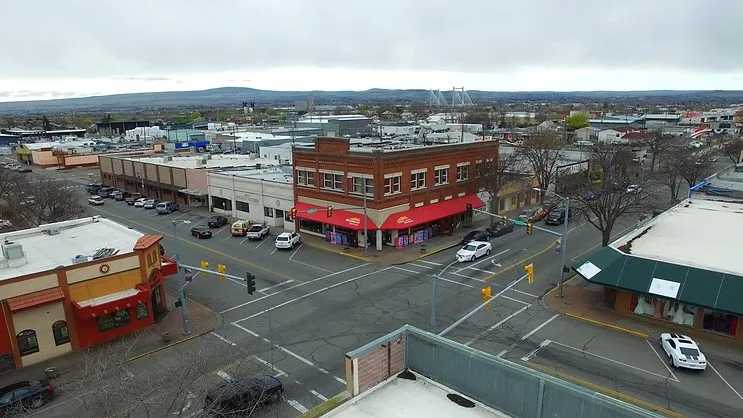
When water spreads across a floor or smoke settles into drywall, the clock starts running. Professional restoration in Pasco brings order to that first chaotic hour and a clear path back to a dry, clean, breathable property.
Local crews respond around the clock to homes and businesses across Franklin County, bringing extraction equipment, containment materials, and moisture meters on the first trip.
- Water Damage Restoration - extraction, structural drying, and moisture mapping after supply line breaks, appliance failures, and roof leaks.
- Flooded Basement - pump-out, saturated material removal, and dehumidification for below-grade spaces and daylight basements.
- Sewage Cleanup - Category 3 contamination protocols, safe disposal of porous materials, and antimicrobial treatment.
- Fire Damage Restoration - stabilization, board-up, soot removal, and reconstruction planning after kitchen, electrical, or exterior fires.
- Smoke Damage Restoration - odor neutralization, HVAC cleaning, and surface treatment for properties affected by nearby wildfire or in-structure smoke.
- Mold Removal - containment, HEPA filtration, and removal of colonized materials with clearance-focused documentation.
Benefits Pasco property owners see most often include lower repair costs from early drying, fewer indoor air quality complaints, documented moisture readings for insurance adjusters, and a single point of contact from emergency response through final repairs.
Common Damage Restoration Issues in Pasco, Washington
Pasco sits at the meeting of the Columbia, Snake, and Yakima rivers in a high-desert climate. That combination creates a specific mix of restoration calls.
Frequent Causes of Loss
- Frozen or burst supply lines during January cold snaps, especially in garages and unheated crawlspaces.
- Irrigation and landscape watering that saturates soil against foundations in newer west Pasco subdivisions.
- Sewer line backups in older east Pasco neighborhoods with aging clay or cast iron laterals.
- Water heater and washing machine hose failures, the most common single source of interior flooding.
- Kitchen grease fires and outdoor equipment fires during dry, windy stretches.
- Wildfire smoke drifting into the Columbia Basin, pulling odor and fine particulate through HVAC systems.
Warning Signs Worth Acting On
- Musty odors in a basement, laundry room, or closet that never fully clear.
- Bubbling paint, cupping laminate, or dark staining along baseboards.
- Slow drains in multiple fixtures at once - often the first hint of a main line backup.
- Gurgling toilets, sewer gas smell, or water appearing in floor drains.
- Yellow-brown soot film on window glass, light fixtures, or vent registers.
- Persistent allergy symptoms that improve when occupants leave the building.
Dry desert air can mask moisture problems. Surfaces feel dry while framing, subfloor, and insulation behind them stay wet - which is why meter readings matter more than touch tests.
Neighborhoods We Serve in Pasco
Response covers the full city footprint and the surrounding Tri-Cities region.
- West Pasco - Road 68 corridor, Broadmoor, Chapel Hill, Desert Plateau, and Island Estates.
- Central Pasco - Riverview, Sunset Estates, and neighborhoods surrounding Chiawana High School.
- East Pasco - Kurtzman Park, Longfellow, Whitehouse, and the historic downtown core near Lewis Street.
- North Pasco - the Sandifur Parkway area, Linda Loviisa, and newer developments near Burns Road.
- Riverfront and industrial areas - properties near the Port of Pasco, Osprey Pointe, and the Columbia River shoreline.
Service extends to Burbank, Eltopia, Basin City, Connell, and across the bridges into Kennewick, Richland, and West Richland. Crews familiar with local street layouts and building stock reach most Pasco addresses quickly, day or night.
Seasonal Damage Patterns in Pasco
Winter (December - February)
- Burst pipes in garages, exterior walls, and crawlspaces during subfreezing nights.
- Heating equipment and space heater fires, plus furnace puff-back soot.
- Ice dams and roof leaks after wet snow events.
Spring (March - May)
- Snowmelt and Columbia Basin runoff pushing groundwater toward basements.
- Sewage backups as saturated soils stress older laterals.
- Mold growth appearing from winter leaks that went undetected.
Summer (June - August)
- Irrigation overspray and broken sprinkler lines saturating foundations.
- Wildfire smoke intrusion and ash deposits on HVAC systems.
- Grass and equipment fires during triple-digit heat and low humidity.
- Condensation-related mold in over-cooled, poorly ventilated rooms.
Fall (September - November)
- First-use furnace smoke odors and dust burn-off.
- Gutter overflow from early rain driving water against foundations.
- Pre-freeze plumbing failures in vacant or seasonal properties.
Housing Characteristics & Restoration Considerations
Pasco has grown faster than most Washington cities, producing an unusually wide split between mid-century housing and recent construction. Each type restores differently.
Older East Pasco Homes
- Built largely between the 1940s and 1970s, often with wood siding, plaster or early drywall, and hardwood over plank subfloor.
- Cast iron and clay sewer laterals raise the odds of Category 3 backups requiring full sanitization.
- Knob-and-tube remnants and older panels increase electrical fire risk and require careful assessment before drying equipment is powered.
- Minimal wall insulation slows drying in cold months and hides moisture in stud cavities.
Newer West and North Pasco Construction
- Slab-on-grade foundations with engineered flooring that delaminates quickly when wet.
- Tight building envelopes that trap humidity and accelerate mold growth after a loss.
- Two-story layouts where upstairs laundry or bathroom leaks travel through ceilings into main-level living space.
- Attached garages with shared walls that carry smoke odor into living areas.
Multifamily and Manufactured Housing
- Apartments and townhomes require containment so drying in one unit does not disturb neighbors.
- Manufactured homes have belly wrap that holds water against the underfloor, needing targeted drainage and cavity drying.
Crews adjust drying plans, containment, and demolition scope to the construction type rather than applying a single approach to every address.
Environmental Conditions & Damage Implications
Pasco averages roughly seven to eight inches of precipitation a year with hot, dry summers and cold winters. Those conditions shape every phase of restoration work.
Climate Effects
- Low outdoor humidity helps structural drying but can dry surfaces faster than cavities, creating false confidence.
- Wide daily temperature swings drive condensation in crawlspaces and unconditioned attics.
- Winter temperatures below freezing make burst-pipe losses the leading cold-season call.
Air Quality
- Summer wildfire smoke from regional fires pushes fine particulate indoors, requiring HEPA filtration and duct cleaning.
- Agricultural dust and spring winds load HVAC filters, spreading soot and spores faster after a loss.
Soil and Water Conditions
- Sandy, silty Columbia Basin soils drain quickly but shift with heavy irrigation, opening foundation cracks.
- High water tables near the rivers push hydrostatic pressure against basement walls and floor joints.
- Hard, mineral-heavy water leaves scale that stresses water heaters, valves, and supply lines over time.
These conditions mean mold can establish in hidden pockets even in a desert climate, and that flooded basements near the river corridors often need drainage correction alongside drying to prevent repeat losses.
Insurance Documentation and Restoration Standards in the Tri-Cities
Most Pasco restoration projects involve an insurance claim, and the quality of documentation often determines how smoothly that claim moves. Professional crews build the file from the first site visit.
What Proper Documentation Includes
- Photo and video record of conditions before any equipment or demolition begins.
- Moisture maps identifying affected materials, readings, and drying goals.
- Daily atmospheric logs for temperature, relative humidity, and grain depression.
- Equipment counts and placement diagrams justifying the drying plan.
- Water category and class determinations that support the scope of removal.
- Itemized scope written in the estimating language adjusters use.
Industry Standards Applied
- IICRC S500 guides water damage assessment, classification, and structural drying.
- IICRC S520 governs mold remediation containment, negative air, and material removal.
- IICRC S700 shapes fire and smoke restoration, including soot chemistry and cleaning method selection.
- EPA guidance directs safe handling of sewage-contaminated materials and disposal.
How the Process Typically Runs
- Emergency call and dispatch, with safety hazards addressed first.
- Inspection, moisture mapping, and category or smoke-type determination.
- Water extraction, pump-out, or board-up and stabilization for fire losses.
- Controlled removal of unsalvageable materials under containment.
- Drying, HEPA filtration, antimicrobial application, and odor treatment.
- Verification readings, clearance testing where applicable, and reconstruction.
Technicians certified to these standards, working with Franklin County permitting requirements and local adjusters, keep Pasco projects moving without disputes over scope or unfinished drying.





