
Damage Restoration in Clarkston, WA
- Damage Restoration Services Overview
- Common Damage Restoration Issues in Clarkston, Washington
- Neighborhoods We Serve in Clarkston
- Seasonal Damage Patterns in Clarkston
- Housing Characteristics & Restoration Considerations
- Environmental Conditions & Damage Implications
- Emergency Response and the First 48 Hours After Damage in Clarkston
Damage Restoration Services Overview
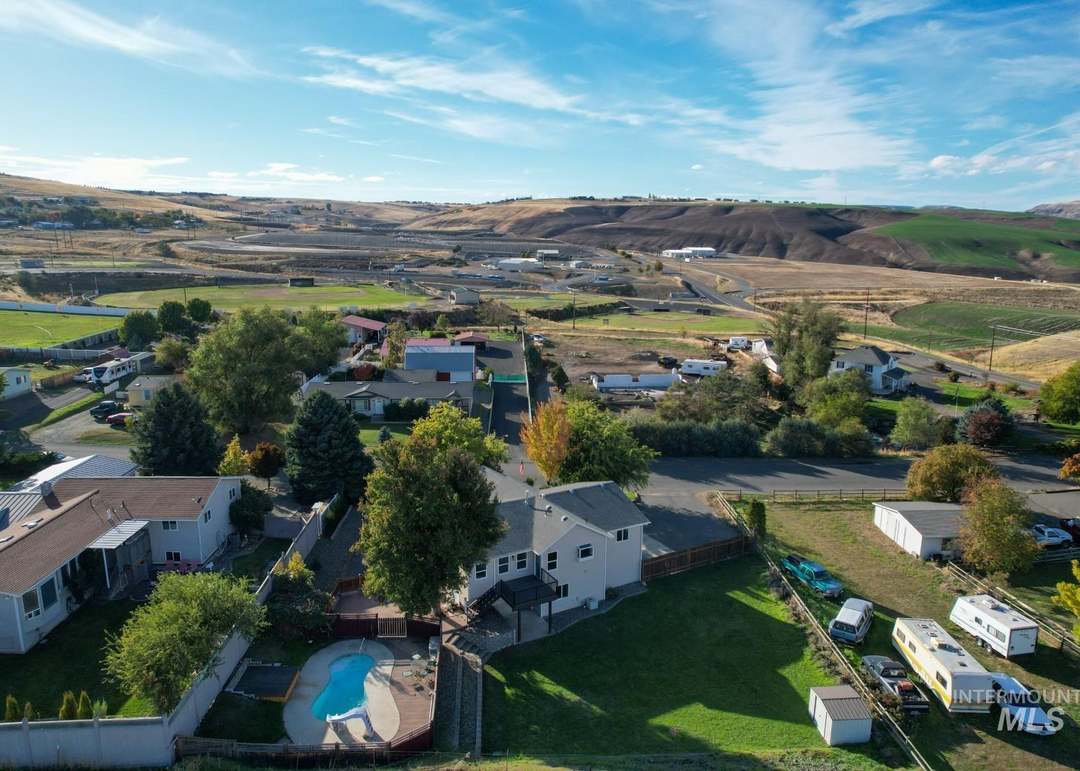
When water pours through a ceiling or smoke settles into every soft surface of a home, the first relief comes from knowing trained hands are on the way. Professional restoration in Clarkston combines emergency response, structural drying, and careful rebuilding so a property returns to a safe, livable condition rather than simply looking dry on the surface.
Homeowners and business operators across the Lewis-Clark Valley rely on a connected set of services:
- Water Damage Restoration - extraction, moisture mapping, and controlled drying after supply line breaks, appliance failures, and roof leaks
- Flooded Basement - pump-out, contents triage, and drying of below-grade rooms where groundwater and surface runoff collect
- Sewage Cleanup - removal of contaminated material, antimicrobial treatment, and disinfection after backups or septic failures
- Fire Damage Restoration - debris removal, structural cleaning, and coordinated reconstruction of damaged framing and finishes
- Smoke Damage Restoration - soot removal, odor neutralization, and HVAC cleaning after house fires or heavy wildfire smoke intrusion
- Mold Removal - containment, source correction, and removal of colonized materials
The benefit for Clarkston property owners is straightforward: faster stabilization limits secondary damage, protects indoor air quality, and keeps a manageable loss from becoming a full gut and rebuild.
Common Damage Restoration Issues in Clarkston, Washington
Clarkston sits at the confluence of the Snake and Clearwater rivers at the lowest elevation in Washington, and that valley setting shapes the losses restoration crews see most often.
Frequent Local Causes
- Freeze-thaw swings in January and February that split exposed pipes in crawl spaces, garages, and unheated additions
- Fast spring snowmelt from the surrounding Blue Mountain drainages raising groundwater around basement walls
- Cloudburst thunderstorms shedding water off dry loess slopes and into window wells and walkout doors
- Aging clay and cast-iron sewer laterals in older Clarkston blocks that root-intrude and back up
- Irrigation lines, evaporative coolers, and water heaters failing during long, hot valley summers
- Wildfire smoke drifting into the valley and settling into ductwork, attic insulation, and upholstery
Warning Signs Worth Acting On
- Musty odors in a basement or crawl space that intensify after watering the lawn or after rain
- Cupping hardwood, blistering paint, or tape seams lifting on drywall near the floor
- Slow floor drains, gurgling toilets, or backflow at the lowest fixture in the house
- Persistent smoke odor that returns on hot days even after surfaces were wiped down
- Dark speckling on baseboards, closet walls, or the underside of subfloor
- Unexplained jumps in the water bill pointing to a hidden slab or wall leak
Catching any of these early usually means drying and cleaning instead of demolition and reconstruction.
Neighborhoods We Serve in Clarkston
Response coverage extends across Asotin County and the wider valley, including:
- Downtown Clarkston and the Bridge Street and Diagonal Street corridors
- Clarkston Heights and Vineland, where larger lots and older wells are common
- West Clarkston and the riverfront neighborhoods near Granite Lake and the levee path
- Highland Avenue, Chestnut Street, and Elm Street residential blocks
- Asotin, Anatone, and the smaller communities along the Snake River south of town
- Swallows Nest, Hells Gate, and rural properties off Peola Road and Critchfield Road
- Neighboring Lewiston, Lewiston Orchards, and the North Lewiston flats across the blue bridge
Coverage also reaches Pomeroy, Uniontown, and Colton for water, fire, sewage, and mold work, along with commercial buildings serving the port district and Highway 12 business strip.
Seasonal Damage Patterns in Clarkston
Winter (December - February)
- Frozen and burst pipes during cold snaps, especially in vacant or seasonally occupied homes
- Ice dams on low-slope roofs pushing meltwater under shingles
- Heating equipment, wood stove, and chimney fires driving fire and smoke restoration calls
Spring (March - May)
- Snowmelt and rising river levels raising the water table and flooding basements
- Sewer surcharges when infiltration overwhelms older laterals and mains
- Mold growth beginning in materials that stayed damp through winter
Summer (June - August)
- Appliance and irrigation failures during peak heat and vacation absences
- Wildfire season smoke intrusion requiring soot cleaning and odor treatment
- Condensation issues where air conditioning meets humid crawl spaces
Fall (September - November)
- First heating-season fires from dusty furnaces and unswept flues
- Clogged gutters and downspouts channeling rain against foundations
- Hidden summer leaks discovered as musty odors return with closed windows
Housing Characteristics & Restoration Considerations
Clarkston's housing stock spans more than a century, and each era brings its own restoration challenges.
Pre-1950 Homes
- Stone, brick, or poured foundations with unsealed basements prone to seepage
- Balloon framing that lets water and smoke travel vertically inside wall cavities
- Plaster and lath that hold moisture longer than drywall and need specialized drying
- Potential asbestos-containing floor tile, mastic, and pipe wrap requiring testing before demolition
Mid-Century Ranches and Split-Levels
- Finished basements and daylight walkouts that turn small leaks into large losses
- Original galvanized supply lines and cast-iron drains nearing the end of service life
- Ducted forced-air systems that distribute soot and mold spores through the whole house
Modern Construction and Manufactured Homes
- Tight building envelopes that trap moisture when drying is incomplete
- Vented crawl spaces with vapor barriers that require inspection after any water event
- Engineered flooring and MDF trim that swell quickly and often need replacement
Restoration planning accounts for these differences from the start. A cast-iron sewage backup in a 1920s basement calls for different containment and material removal decisions than water intrusion in a newer Clarkston Heights build, and fire cleaning in plaster-walled rooms differs from soot removal on painted drywall.
Environmental Conditions & Damage Implications
Climate
- Semi-arid valley conditions with roughly a foot of annual precipitation concentrated in the cooler months
- Summer highs frequently in the 90s and low 100s, accelerating off-gassing of smoke odor from porous materials
- Low outdoor humidity that assists drying but hides moisture trapped behind finishes
Air Quality
- Regional wildfire smoke episodes that load attics, ductwork, and fabrics with fine particulate
- Winter inversions in the river valley that hold woodsmoke and combustion byproducts near ground level
- Post-fire cleaning that pairs surface soot removal with air scrubbing and filtration
Water and Soil
- Snake and Clearwater river influence keeping the water table high in low-lying neighborhoods
- Deep loess soils that erode readily and channel runoff toward foundations on sloped lots
- Basalt bedrock beneath the loess limiting infiltration and pushing water laterally along footings
- Hard mineral-rich water that scales water heaters and supply fittings, contributing to sudden failures
These conditions explain why mold problems in Clarkston are usually concentrated - inside wall cavities, under flooring, and in crawl spaces - rather than spread across open rooms. Dry indoor air can mask a saturated subfloor for weeks. Moisture meters, thermal imaging, and cavity readings confirm whether drying is genuinely complete before any wall gets closed up again.
Emergency Response and the First 48 Hours After Damage in Clarkston
What happens in the first two days determines whether a loss stays contained. Water migrates within minutes, microbial growth can begin within a day or two in the right conditions, and smoke residues become acidic and etch surfaces the longer they sit.
Steps to Take Immediately
- Protect people first - leave the building if there is structural damage, active fire, or sewage contamination in living areas
- Shut off the water at the main or the appliance valve, and cut power to affected circuits when it is safe to do so
- Photograph and video every affected room and item before anything is moved
- Call a restoration contractor for emergency response so extraction and drying equipment can be placed quickly
- Notify your insurance carrier and open a claim with the documentation already in hand
- Move undamaged contents, electronics, and documents to a dry area away from the affected zone
- Avoid running the HVAC system after a fire or mold discovery, which spreads soot and spores building-wide
What a Professional Response Includes
- Category and class assessment that separates clean water from gray water and sewage
- Containment barriers and negative air machines to isolate contaminated or moldy areas
- Truck-mounted extraction, air movers, and dehumidifiers sized to the actual moisture load
- Daily moisture readings logged for both drying verification and claim documentation
- Antimicrobial application, soot cleaning, and thermal or hydroxyl odor treatment as the loss requires
- Controlled demolition of unsalvageable materials followed by reconstruction of walls, flooring, and finishes
Because Clarkston shares its emergency and contractor network with Lewiston and the surrounding valley, coordinating early keeps crews, equipment, and adjusters working on the same timeline instead of against it.





