
Damage Restoration in Moses Lake, WA
- Damage Restoration Services Overview
- Common Damage Restoration Issues in Moses Lake, Washington
- Neighborhoods We Serve in Moses Lake
- Seasonal Damage Patterns in Moses Lake
- Housing Characteristics & Restoration Considerations
- Environmental Conditions & Damage Implications
- Preventing Basement and Crawlspace Water Damage in Moses Lake
Damage Restoration Services Overview
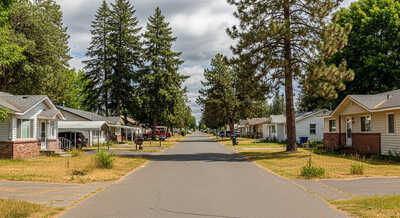
Property damage rarely gives warning. A pipe splits behind a wall overnight, a basement takes on groundwater during spring melt, or a kitchen fire leaves soot across every room - and suddenly a normal week turns into a scramble. Clean Image Services helps Moses Lake homeowners and business owners regain footing with certified restoration work backed by years of hands-on field experience.
Our restoration services in Moses Lake, WA cover the full spectrum of property loss:
- Water Damage Restoration - extraction, structural drying, moisture mapping, and documentation for insurance
- Flooded Basement Cleanup - pump-out, contents handling, subfloor and wall cavity drying
- Sewage Cleanup - containment, removal of contaminated materials, antimicrobial treatment, and sanitizing
- Fire Damage Restoration - emergency board-up, stabilization, structural repair, and full rebuild
- Smoke Damage Restoration - soot removal from surfaces, contents, and HVAC systems, plus advanced odor neutralization
- Mold Removal - containment, source correction, safe removal, and post-remediation verification
Key benefits for local property owners include 24/7 emergency response from nearby crews, coordinated insurance documentation, and a single point of contact from the first phone call through the final repair - so you are not juggling four different contractors during an already stressful stretch.
Common Damage Restoration Issues in Moses Lake, Washington
Moses Lake sits in the Columbia Basin, where the desert climate, irrigation infrastructure, and hard winters combine to create damage patterns that differ from those on the west side of the Cascades.
Frequent Causes of Loss
- Frozen and burst pipes - single-digit January nights split supply lines in crawlspaces, garages, and exterior walls
- Irrigation and canal-adjacent groundwater - seasonal water table rise pushes moisture through basement walls and slab joints
- Sump pump and sewer backups - aging laterals and heavy runoff overload lines, sending contaminated water into finished basements
- Appliance failures - water heaters, washing machine hoses, refrigerator lines, and dishwashers releasing water for hours unnoticed
- Wildfire smoke intrusion - regional smoke events push fine particulate into attics, ductwork, and soft furnishings
- Structure fires - wood stoves, space heaters, kitchen grease, and electrical faults in older wiring
Warning Signs Worth Acting On
- Musty odors that intensify when the HVAC system runs
- Cupping or darkening at the edges of laminate and hardwood flooring
- Efflorescence - white chalky residue - on basement concrete walls
- Bubbling paint, soft drywall at baseboards, or rust at the base of metal door frames
- Slow floor drains or gurgling fixtures, often the first hint of a sewer backup
- Yellow-brown staining above door frames after a fire, indicating soot migration
- Unexplained allergy symptoms that improve when occupants leave the building
Dry Moses Lake air can mask a leak by evaporating surface moisture while the wall cavity stays saturated - which is exactly how a small plumbing failure becomes a mold remediation project.
Neighborhoods We Serve in Moses Lake
Crews respond throughout the city and the surrounding Grant County communities, with additional locations in Ellensburg and Yakima supporting larger losses.
- Downtown Moses Lake and the Third Avenue corridor
- Cascade Valley and the lakefront neighborhoods along Cascade Park
- Knolls Vista and Lakeview Terrace
- Longview Tract and the Hillcrest area
- Peninsula and Pelican Horn shoreline properties
- Wheeler Road industrial and commercial district
- Larson and the Grant County International Airport area
- Neighborhoods served by the 98837 ZIP code and outlying rural addresses on the Road NE and Road NW grid
Beyond city limits, we serve Moses Lake North, Ephrata, Soap Lake, Warden, Othello, Royal City, Quincy, George, and the farm properties scattered across the irrigation districts. Rural response includes well-water considerations and septic-related sewage cleanup that city properties rarely face.
Seasonal Damage Patterns in Moses Lake
Winter (December - February)
- Frozen pipe breaks in crawlspaces, garages, and vacant properties
- Ice damming on low-slope roofs after wet snow followed by a freeze
- Heating-related fires from wood stoves, space heaters, and overloaded circuits
- Smoke damage from chimney and flue failures
Spring (March - May)
- Snowmelt and rising groundwater causing flooded basements
- Sump pump failures after months of idle sitting
- Sewer backups as lines take on infiltration
- Mold growth surfacing from winter leaks that went unnoticed
Summer (June - August)
- Irrigation line breaks and sprinkler overspray saturating foundations
- Wildfire and regional smoke intrusion requiring duct and contents cleaning
- Air conditioning condensate line clogs producing slow ceiling and wall leaks
- Outdoor cooking and burn-related structure fires
Fall (September - November)
- First heating cycle fires from dust ignition and neglected furnaces
- Roof and gutter leaks as autumn rain arrives
- Pre-freeze plumbing failures in unwinterized outbuildings
- Mold blooms in closed-up homes with reduced ventilation
Housing Characteristics & Restoration Considerations
Moses Lake housing spans mid-century post-war construction near the old Larson Air Force Base footprint, 1970s and 1980s ranch homes, and newer subdivisions built since 2000. Each era brings distinct restoration challenges.
Older Homes (Pre-1980)
- Plaster and lath walls that hold moisture far longer than modern drywall
- Galvanized supply lines and cast iron drains prone to failure and backups
- Asbestos-containing floor tile, mastic, and popcorn ceilings requiring testing before demolition
- Knob-and-tube or early aluminum wiring contributing to electrical fire risk
- Unsealed crawlspaces with exposed soil that drive humidity into the framing
1980s - 1990s Construction
- Polybutylene and early PEX fittings with a history of joint failure
- Finished basements with carpet directly over concrete - a mold-prone assembly
- Fiberglass batt insulation that mats down and stays wet after a loss
Newer Builds and Manufactured Homes
- Tight building envelopes that trap smoke odor and moisture without mechanical drying
- Engineered wood flooring and OSB subfloor that swell irreversibly once saturated
- Manufactured homes with belly wrap that holds standing water beneath the floor system
Many local properties are single-story on slab or over crawlspace rather than full basement, which shifts flooded basement work toward crawlspace water extraction, vapor barrier replacement, and structural drying beneath the floor - work that requires confined-space access and careful moisture verification.
Environmental Conditions & Damage Implications
The Columbia Basin climate shapes how damage behaves here. Roughly eight inches of annual precipitation, hot dry summers, and cold winters create conditions that both help and complicate restoration.
Climate Effects
- Low humidity speeds evaporative drying but hides interior moisture behind finished surfaces
- Wide temperature swings cause condensation on cold surfaces, feeding hidden mold in wall cavities and attics
- Winter freeze depth stresses shallow plumbing and foundation drainage
- Summer heat accelerates bacterial growth in sewage losses, shortening the safe response window
Soil and Water Conditions
- Sandy loam and glacial outwash soils drain quickly but shift, opening foundation cracks
- Caliche and hardpan layers perch water above the foundation footing during snowmelt
- Extensive irrigation raises the seasonal water table in lakefront and canal-adjacent neighborhoods
- Hard, mineral-rich water scales fixtures and water heaters, contributing to premature failures
Air Quality Considerations
- Regional wildfire smoke deposits fine particulate in attics, ducts, upholstery, and insulation
- Agricultural dust loads HVAC filters, reducing airflow and worsening post-fire odor circulation
- Alkaline dust interacts with soot residue, making surface cleaning more technical than a simple wipe-down
Because of these conditions, moisture readings and containment protocols matter more than surface appearance. A wall that feels dry in Moses Lake's arid air can still support mold growth two inches behind the paint.
Preventing Basement and Crawlspace Water Damage in Moses Lake
Preventing basement water damage here calls for a layered approach: drainage improvements, routine maintenance, and early detection. Most of the flooded basement and crawlspace calls we take could have been reduced in scope with a few inexpensive measures completed before the season turned.
Drainage and Grading Steps
- Regrade soil so it slopes away from the foundation for at least six feet on every side
- Extend downspouts well past the foundation line rather than dumping at the corner
- Keep landscape irrigation heads and drip lines aimed away from the house - a common source of chronic foundation saturation in local yards
- Clear window wells and install covers to keep snowmelt out of below-grade openings
- Inspect and clean footing drains and area drains before spring runoff begins
Interior Maintenance Checklist
- Test the sump pump each spring and fall, and add a battery backup for outage protection
- Replace rubber washing machine hoses with braided stainless steel
- Insulate exposed supply lines in crawlspaces, garages, and unheated utility rooms
- Install water leak sensors near the water heater, laundry, and under sinks
- Have sewer laterals scoped if the home predates 1980 or has mature trees near the line
- Confirm the crawlspace vapor barrier is intact and vents are managed seasonally
When Water Still Gets In
Speed determines cost. Water becomes a mold problem quickly, and any water that has contacted sewage requires professional handling with containment, protective equipment, and antimicrobial treatment.
- Shut off the water source and cut power to affected areas if it is safe to do so
- Photograph conditions before moving anything - insurers want that record
- Call for 24/7 emergency response so extraction and drying equipment can be set immediately
- Avoid running household fans across contaminated water, which spreads pathogens and spores
Clean Image Services responds throughout Moses Lake and Grant County with certified technicians, calibrated moisture meters, and documented drying plans - and stays with the project through structural repair and rebuild.





