
Damage Restoration in Camano, WA
- Damage Restoration Services Overview
- Common Damage Restoration Issues in Camano, Washington
- Neighborhoods We Serve in Camano
- Seasonal Damage Patterns in Camano
- Housing Characteristics & Restoration Considerations
- Environmental Conditions & Damage Implications
- Island Emergency Response and Insurance Documentation
Damage Restoration Services Overview
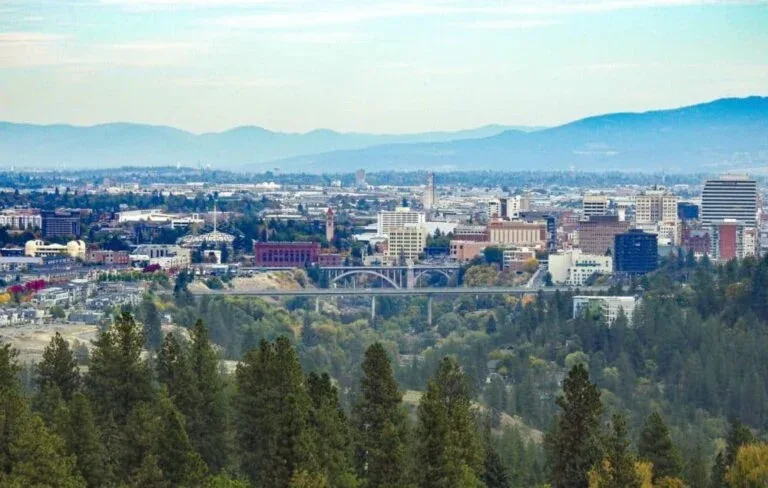
Camano Island sits between Saratoga Passage and Port Susan, where salt air, marine humidity, and heavy winter rainfall create restoration challenges that mainland crews rarely see. Homes here range from waterfront cabins on pilings to newer builds along the ridge, and each construction style responds differently to water intrusion, smoke, and microbial growth.
Island properties also face access considerations. Response teams reach Camano via the Mark Clark Bridge from Stanwood, so local familiarity with routes, utility layouts, and septic systems shortens the time between the first call and the first extraction hose.
- Water Damage Restoration - extraction, structural drying, and moisture mapping after pipe failures, appliance leaks, and storm intrusion
- Flooded Basement Recovery - pumping, dehumidification, and treatment of below-grade spaces and crawl spaces
- Sewage Cleanup - containment, removal of contaminated materials, and full sanitization after septic or drain backups
- Fire Damage Restoration - debris removal, structural cleaning, content recovery, and reconstruction
- Smoke Damage Restoration - soot removal from surfaces and HVAC systems plus odor neutralization
- Mold Removal - inspection, containment, remediation, and moisture-source correction
Benefits for Camano residents include limiting secondary damage, protecting indoor air quality, documenting losses for insurance carriers, and preserving the value of homes built in a demanding coastal climate.
Common Damage Restoration Issues in Camano, Washington
Most damage calls on the island trace back to a handful of predictable causes tied to weather, terrain, and older infrastructure.
Frequent Causes
- Atmospheric river storms that overwhelm gutters, downspouts, and hillside drainage
- Crawl space flooding on sloped lots where groundwater migrates downhill toward foundations
- Septic system failures and drain field saturation during prolonged wet stretches
- Frozen or burst supply lines in seasonal cabins and vacation homes left unheated
- Wood stove, chimney, and fireplace fires in rural properties that rely on supplemental heat
- Power outages leading to sump pump failure and standing water below grade
- Wind-driven rain forcing moisture past aging siding, skylights, and window flashing
Warning Signs Worth Acting On
- Musty odors that intensify near crawl space hatches, closets, or lower levels
- Cupping or darkening hardwood along exterior walls
- Condensation on ductwork, subfloor insulation sagging or falling
- Slow drains, gurgling fixtures, or wet ground near the drain field
- Yellow-brown staining on ceilings after a windstorm
- Lingering campfire or acrid odor weeks after a small kitchen or chimney fire
- Visible black, green, or white growth on framing, drywall paper, or stored belongings
Sewage backups deserve immediate attention because contaminated water carries pathogens that soak into porous materials. Smoke residues are equally deceptive - soot travels through wall cavities and settles far from the ignition point, so odor often returns after surface cleaning alone.
Neighborhoods We Serve in Camano
Coverage spans the full length of the island and the nearby mainland communities that share the same weather patterns and service corridors.
- Camano City and the central island corridor along East Camano Drive
- Utsalady and the northern shoreline neighborhoods
- Madrona Beach, Tillicum Beach, and Onamac Point
- Cama Beach and Camano Island State Park vicinity
- Country Club, Juniper Beach, and Driftwood Shores
- Mabana, Elger Bay, and the southern end of the island
- Sunrise Beach, Rocky Point, and Livingston Bay areas
- Stanwood, Warm Beach, and the Highway 532 approach
Waterfront and bluff-side homes often need different drying strategies than inland properties, and crews familiar with local road access, private drives, and shared water systems can stage equipment faster during storm surges when many households call at once.
Seasonal Damage Patterns in Camano
Fall - October through November
- Peak windstorm and heavy rain season; roof leaks and tree impact damage climb
- Clogged gutters push water against foundations and into crawl spaces
Winter - December through February
- Highest volume of flooded basements and saturated crawl spaces
- Cold snaps burst pipes in unheated cabins and outbuildings
- Heating season increases wood stove, chimney, and space heater fire calls
- Smoke damage jobs rise alongside furnace puff-backs
Spring - March through May
- Snowmelt from the Cascades plus rain keeps groundwater tables high
- Septic drain fields stay saturated, raising sewage backup risk
- Mold growth from winter moisture becomes visible as temperatures warm
Summer - June through September
- Best window for crawl space remediation, vapor barrier replacement, and reconstruction
- Dry grass and outdoor burning raise brush and structure fire exposure
- Regional wildfire smoke can infiltrate homes and settle in HVAC systems
- Vacation rental turnover exposes hidden leaks and slow plumbing failures
Housing Characteristics & Restoration Considerations
Camano's housing stock is a mix of mid-century recreational cabins, 1970s through 1990s ramblers, and newer custom homes built on view lots. That range shapes how every restoration project is scoped.
Common Construction Features
- Vented crawl spaces rather than full basements on much of the island
- Post-and-beam or pier foundations on waterfront and steep-slope properties
- Wood framing with cedar or T1-11 siding that absorbs wind-driven rain
- Septic systems and private or shared wells instead of municipal utilities
- Wood stoves and fireplaces as primary or backup heat sources
- Daylight basements and daylight lower levels cut into hillside lots
How This Affects Restoration Work
- Crawl space drying requires removing saturated insulation and vapor barrier before structural drying can succeed
- Older homes may contain asbestos-bearing flooring, textured ceilings, or vermiculite that require testing before demolition
- Knob-and-tube or aluminum wiring in older cabins demands careful evaluation after fire and water events
- Septic-connected sewage backups need both interior decontamination and system evaluation to stop repeat failures
- Open-beam ceilings and cedar interiors hold smoke odor and often need sealing after cleaning
- Seasonal homes benefit from monitoring equipment because occupants may not be present to spot recurring moisture
Environmental Conditions & Damage Implications
The island's marine climate keeps relative humidity elevated for much of the year, which changes how buildings dry and how quickly microbial growth takes hold.
Climate and Moisture
- Mild, wet winters with extended stretches of rain and limited natural drying
- Persistent outdoor humidity that reduces the effectiveness of ventilation-only drying
- Cool summers that slow evaporation compared with inland Washington
- Salt-laden air that accelerates corrosion of fasteners, ductwork, and appliances
Soil, Water, and Air
- Glacial till and clay layers that perch water above the water table and push it toward foundations
- Sandy bluff soils prone to erosion and slope movement during saturated periods
- Well water and septic systems that require sanitization and testing after contamination events
- Seasonal wildfire smoke that leaves fine particulate in attics, ducts, and soft goods
Restoration Implications
- Sealed containment with commercial dehumidification rather than open-window drying
- Moisture meter and thermal imaging verification before closing walls or floors
- Antimicrobial treatment on framing exposed to prolonged dampness
- HVAC and duct cleaning after fire, smoke, or wildfire particulate exposure
- Drainage corrections - grading, French drains, downspout extensions - to prevent repeat crawl space flooding
Island Emergency Response and Insurance Documentation
Living on Camano means planning for the gap between a loss and the arrival of help. Storm events can slow bridge traffic, knock out power across whole neighborhoods, and generate dozens of simultaneous calls. Preparation and clear documentation shorten the whole process.
What to Do Before Crews Arrive
- Shut off the water supply or affected circuit if it is safe to reach
- Leave a fire scene until the fire department clears the structure - soot and structural hazards are real
- Stay out of any area affected by sewage; contaminated water is a health hazard, not a mopping job
- Photograph and video every affected room, including contents, before moving anything
- Move undamaged belongings to a dry, elevated area if access is safe
- Contact your insurance carrier to open a claim and record the claim number
- Keep receipts for tarps, pumps, lodging, and temporary repairs
How Documentation Supports Your Claim
- Daily moisture readings show that drying progressed to industry standards
- Thermal images identify hidden saturation behind cabinets and inside wall cavities
- Photo logs of pre-existing conditions separate storm damage from long-term wear
- Air sampling and post-remediation verification confirm mold work was completed properly
- Itemized scopes written in standard estimating software align with adjuster expectations
Reducing Repeat Losses
- Install a battery-backup sump pump for below-grade spaces
- Add leak sensors near water heaters, washing machines, and under sinks
- Schedule annual chimney inspection and septic pumping
- Maintain crawl space vapor barriers and keep vents clear of debris
- Have vacation properties checked during freeze events and long absences
Working with IICRC-certified technicians who understand island logistics, septic systems, and marine-climate drying gives Camano homeowners a clearer path from emergency to finished reconstruction.





