
Damage Restoration in Oak Harbor, WA
- Damage Restoration Services Overview
- Common Damage Restoration Issues in Oak Harbor, Washington
- Neighborhoods We Serve in Oak Harbor
- Seasonal Damage Patterns in Oak Harbor
- Housing Characteristics & Restoration Considerations
- Environmental Conditions & Damage Implications
- Crawlspaces, Drain Fields, and Island Emergency Response
Damage Restoration Services Overview
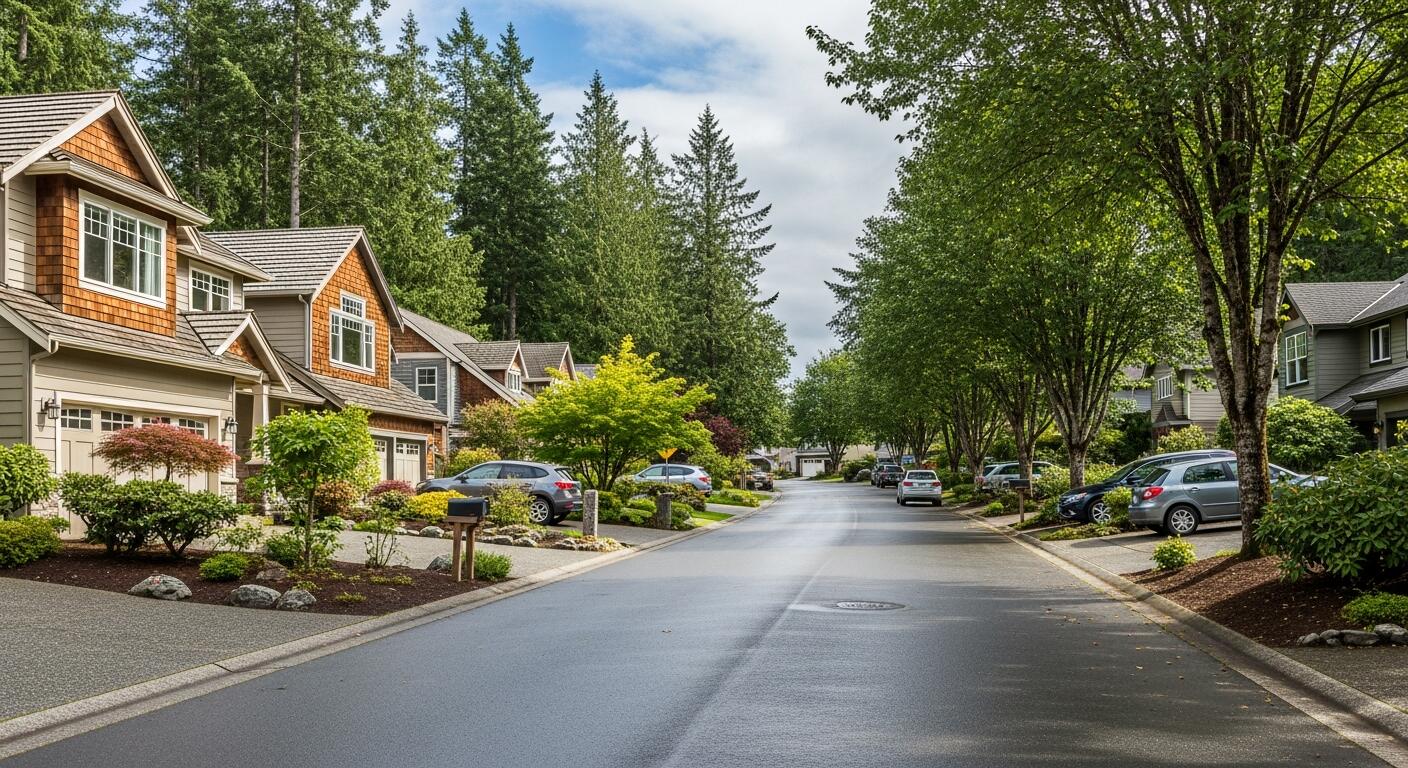
Water that sits for a weekend rarely stays a water problem. It becomes swollen subfloors, rusted fasteners, delaminated cabinetry, and colonies of mold behind drywall that no fan can reach. Smoke residues left on surfaces keep etching metal and glass, while sewage contamination drives bacteria deeper into porous materials with every passing hour.
Oak Harbor homes face a marine climate that slows natural drying to a crawl. That makes professional intervention less about convenience and more about limiting what has to be torn out and replaced.
Restoration services available across Whidbey Island cover the full damage spectrum:
- Water Damage Restoration - extraction, structural drying, and moisture mapping after pipe breaks, appliance failures, and roof leaks
- Flooded Basement - pump-out, crawlspace and below-grade drying, vapor barrier repair
- Sewage Cleanup - Category 3 removal, antimicrobial treatment, and safe disposal of contaminated materials
- Fire Damage Restoration - board-up, debris removal, structural cleaning, and content recovery
- Smoke Damage Restoration - soot removal, thermal fogging, HVAC decontamination, odor neutralization
- Mold Removal - containment, HEPA filtration, affected material removal, and moisture-source correction
Local providers including SERVPRO, Restoration 1 of Oak Harbor, Roots Water Restoration, Damage Control Remediation, Poseidon Restoration, and Sound Crawls respond around the clock. Call anytime: (360) 323-6894.
Common Damage Restoration Issues in Oak Harbor, Washington
Island living brings a specific set of pressures. Salt air, persistent humidity, and wind-driven rain off Puget Sound work on buildings year-round.
What Causes Damage Here
- Wind-driven rain forced past siding laps, window flashing, and roof penetrations during winter storms
- Crawlspace saturation from groundwater and poor drainage on Whidbey's glacial till soils
- Failed sump pumps during multi-day rain events and power outages
- Aging supply lines and water heaters in homes built during earlier base-housing expansions
- Sewer and septic backups when saturated drain fields cannot accept flow
- Woodstove, chimney, and kitchen fires during the cold, damp months when heating runs hardest
Warning Signs Worth Acting On
- Musty odor that gets stronger near closets, baseboards, or crawlspace hatches
- Cupping or crowning hardwood, or vinyl plank lifting at the seams
- Staining or "tide lines" on drywall bottoms and cabinet toe kicks
- Condensation on windows that lingers past mid-morning
- Gurgling drains or a slow toilet - often the first hint of a sewer line problem
- Soot ghosting on walls or a smoke smell that returns when the furnace kicks on
- Allergy symptoms that ease when you leave the house
Small leaks rarely announce themselves in this climate. They surface as odor and finish failure weeks later.
Neighborhoods We Serve in Oak Harbor
Coverage spans the city and reaches across North and Central Whidbey Island.
- Downtown Oak Harbor and Pioneer Way - older mixed-use and commercial structures
- Fort Nugent and Crosby areas - established single-family neighborhoods
- Rolling Hills and Scenic Heights - slope drainage and crawlspace concerns
- Penn Cove Park and Crescent Harbor - waterfront exposure and salt air
- NAS Whidbey Island housing areas - Maylor Point and surrounding base neighborhoods
- Silver Lake, Swantown, and West Beach corridor
- Surrounding communities - Coupeville, San de Fuca, Greenbank, Freeland, and Anacortes
Ferry schedules and island logistics mean a genuinely local crew matters. Response time to Crescent Harbor or Coupeville shouldn't depend on someone leaving the mainland.
Seasonal Damage Patterns in Oak Harbor
Damage types follow the calendar closely on Whidbey Island.
- November through February - peak storm season. Flooded basements, crawlspace water, roof leaks, and sump pump failures dominate. Highest volume for water damage restoration calls.
- December and January - fire and smoke damage climb with heavy woodstove, fireplace, and space heater use. Holiday cooking adds kitchen fire risk.
- Late January through March - saturated soils stress septic drain fields and municipal lines, driving sewage cleanup requests.
- March through May - mold becomes visible. Warming temperatures activate growth seeded by winter moisture. Mold removal inquiries spike.
- June through August - drier stretch. Best window for crawlspace remediation, vapor barrier replacement, and preventive drainage work.
- Late August through October - regional wildfire smoke can infiltrate homes, requiring HVAC cleaning and odor treatment. Early fall rains expose gutter and flashing failures.
The pattern repeats reliably enough to plan around. Summer is the season for prevention; winter is the season for response.
Housing Characteristics & Restoration Considerations
Oak Harbor's housing stock reflects decades of naval air station growth. Much of it dates from the 1950s through the 1990s, with newer subdivisions filling in since.
Construction Types and Their Restoration Impact
- Post-and-pier crawlspace foundations - extremely common. They trap ground moisture, and wet insulation or a torn vapor barrier feeds mold under the whole footprint.
- Mid-century wood-frame ranchers - original galvanized or early copper plumbing, minimal wall insulation, and drywall that wicks water fast
- 1970s-80s split-levels and daylight basements - below-grade living space vulnerable to hydrostatic pressure and drain failures
- Manufactured and modular homes - belly wrap holds water invisibly; specialized drying methods required
- Newer tight-envelope construction - excellent efficiency, but reduced air exchange means moisture and smoke odor linger indoors
Age-Related Factors
- Homes built before the late 1970s may contain asbestos in flooring, textured ceilings, or pipe wrap - testing precedes demolition
- Lead-based paint protocols apply to pre-1978 structures during fire and water repairs
- Original cast iron and clay sewer laterals crack and root-intrude, causing repeat backups
- Cedar and T1-11 siding common on older Whidbey homes hides sheathing rot behind intact-looking surfaces
Accurate scoping depends on knowing what's behind the finish. Moisture meters and thermal imaging identify the real boundary of damage before anyone opens a wall.
Environmental Conditions & Damage Implications
Oak Harbor sits in the Olympic rain shadow, so annual rainfall is lower than Seattle's. Humidity, however, stays high nearly year-round.
Climate Factors
- Mild temperatures rarely drop low enough to halt mold growth - it continues through winter indoors
- High relative humidity makes passive drying ineffective; mechanical dehumidification is required
- Marine salt air accelerates corrosion on fasteners, HVAC coils, and electrical components after water or fire events
- Persistent winter winds drive rain horizontally into wall assemblies that shed vertical rain fine
Soil and Water Conditions
- Glacial till and clay-heavy soils drain slowly, holding water against foundations and crawlspace perimeters
- Variable water tables near Penn Cove and low-lying areas raise seasonal seepage risk
- Septic systems throughout rural North Whidbey depend on drain field capacity that saturated soil eliminates
- Hard water shortens the life of water heaters and supply fittings, a frequent source of interior flooding
Air Quality Considerations
- Late-summer wildfire smoke from eastern Washington and British Columbia infiltrates through ventilation systems
- Smoke particulates settle in ductwork and attic insulation, releasing odor for months
- Tight modern homes concentrate mold spores and combustion byproducts without proper filtration
These conditions mean drying targets and clearance standards for Oak Harbor differ from drier climates. Equipment sizing and dry-down time have to account for ambient moisture.
Crawlspaces, Drain Fields, and Island Emergency Response
Two features define most Oak Harbor restoration jobs: what's under the house, and how far help has to travel.
The Crawlspace Problem
A large share of local water and mold work happens in spaces homeowners never enter. Water from a burst line upstairs ends in the crawlspace. So does groundwater, condensation, and drain leakage.
- Wet fiberglass insulation loses R-value and becomes a mold substrate within days
- Torn or missing vapor barriers let ground moisture rise into floor joists continuously
- Standing water under a home raises indoor humidity throughout the living space via the stack effect
- Rodent activity combined with moisture creates contamination requiring full remediation, not just drying
- Sound Crawls and similar local specialists focus specifically on this recurring island issue
Sewage and Septic Realities
Rural North Whidbey properties rely heavily on septic. When drain fields flood, backups reach interior fixtures fast.
- All sewage water is treated as Category 3 - contaminated and hazardous
- Porous materials touched by sewage are removed, not cleaned
- Antimicrobial application and HEPA air scrubbing follow removal
- Post-remediation verification confirms the space is safe before rebuild
What to Do Before Crews Arrive
- Shut off water at the main or kill power to the affected circuit if it's safe to reach
- Leave the structure entirely after a fire until it has been cleared
- Document everything - photos and video of standing water, soot lines, and damaged contents
- Avoid walking through sewage or running the HVAC after smoke exposure
- Move undamaged belongings to a dry area if you can do so safely
- Call for 24/7 response at (360) 323-6894
Highly rated local teams - Restoration 1 of Oak Harbor, SERVPRO, Roots Water Restoration, Damage Control Remediation, Poseidon Restoration, and Kings-Men Construction - work directly with insurers on documentation and scope. Getting the first call in early is what keeps a drying job from turning into a rebuild.





