
Damage Restoration in Ilion, NY
- Damage Restoration Services Overview
- Common Damage Restoration Issues in Ilion, New York
- Neighborhoods We Serve in Ilion
- Seasonal Damage Patterns in Ilion
- Housing Characteristics & Restoration Considerations
- Environmental Conditions & Damage Implications
- Storm Runoff, Creek Flooding, and Protecting Ilion Basements
Damage Restoration Services Overview
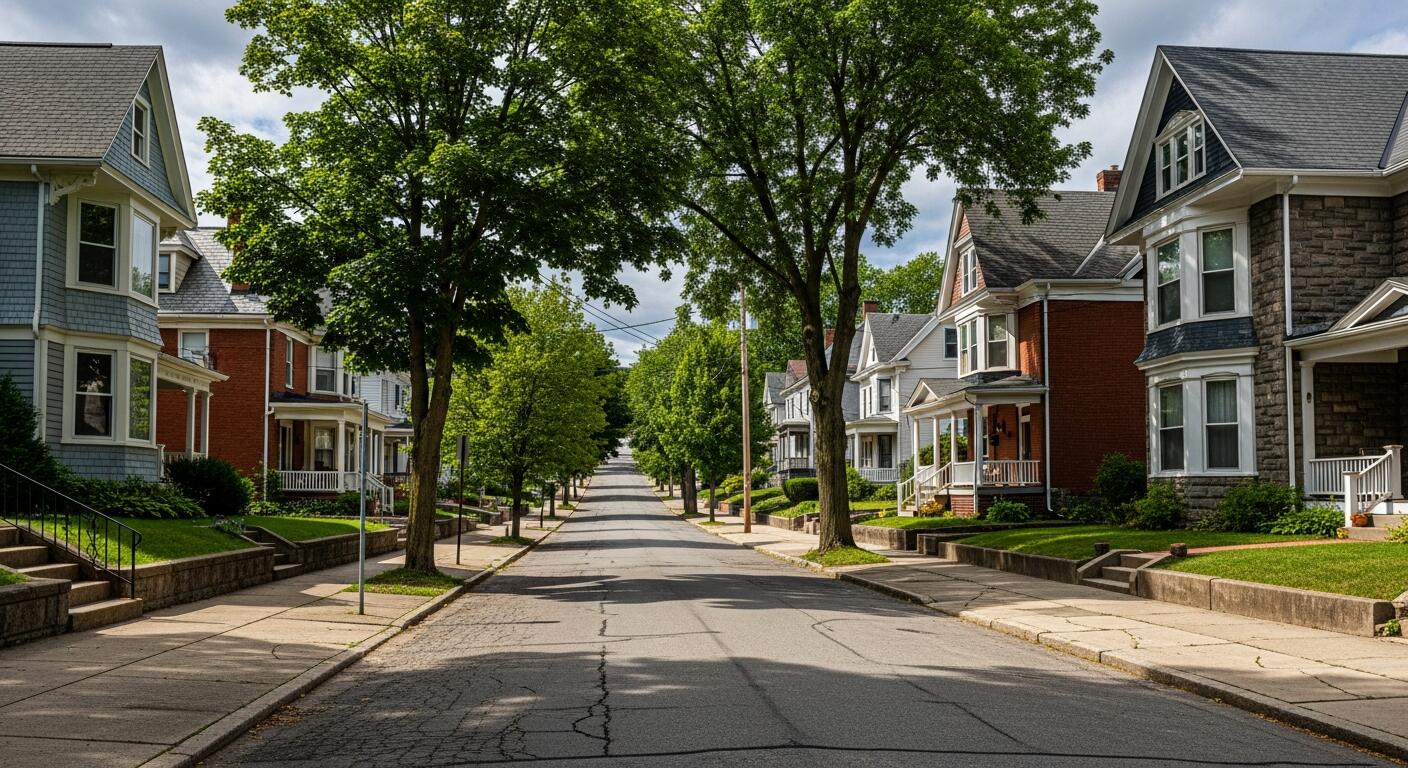
Ilion sits at the bottom of a natural drainage funnel - Steele Creek drops sharply from the hills south of the village before meeting the flats near the Mohawk River and Barge Canal. That elevation change is why a single fast-moving thunderstorm can push water into Ilion basements while streets a mile uphill stay bone dry.
Property owners here need a restoration partner who understands both the geography and the age of the housing stock. Procyon Restoration has served New York communities since 2014, arriving with the equipment, certifications, and insurance experience to handle emergencies of any size, 24 hours a day.
- Water Damage Restoration - extraction, structural drying, and moisture mapping after pipe breaks, appliance failures, and roof leaks
- Flooded Basement - pump-out, content removal, sanitizing, and dehumidification for below-grade spaces
- Sewage Cleanup - containment and disinfection after backups from village mains, floor drains, or failed traps
- Fire Damage Restoration - board-up, debris removal, structural cleaning, and rebuild coordination
- Smoke Damage Restoration - soot removal from walls, contents, and ductwork plus odor neutralization
- Mold Removal - source identification, containment, remediation, and air quality restoration
The benefit for Ilion residents is simple: one team documents the loss, works directly with your insurance carrier, and stays involved from the first extraction hose to the final coat of paint.
Common Damage Restoration Issues in Ilion, New York
Most emergency calls in the village trace back to three sources - creek and stormwater surges, aging plumbing behind old plaster, and heating systems working overtime through long Mohawk Valley winters.
Water and Basement Flooding
- Steele Creek overtopping its channel or culverts clogging with hillside debris during summer downpours
- Groundwater pushing through stone foundation walls and cracked concrete floors on the low-lying flats
- Sump pump failures during power outages, which are common in valley storm systems
- Frozen and burst supply lines in uninsulated crawl spaces and porch walls
Sewage Backups
- Combined stormwater loading that surcharges lines and pushes waste back through basement floor drains
- Root intrusion in clay lateral pipes serving homes built before modern PVC
- Backups after rapid snowmelt when the ground is still frozen and cannot absorb runoff
Fire, Smoke, and Mold
- Wood stoves, space heaters, and older furnaces running hard from November through March
- Knob-and-tube or early wiring hidden in original two-story frame homes
- Chimney and flue issues that push smoke and soot through the living space instead of outdoors
- Musty odors, cupping floors, and dark staining along baseboards - early warning signs of concealed mold
If you notice peeling paint above a basement waterline, a persistent earthy smell, or soot film reappearing after cleaning, the underlying problem is still active and needs professional attention.
Neighborhoods We Serve in Ilion
Crews respond throughout the village and across Herkimer County, adjusting equipment loads for narrow village streets and hillside driveways alike.
- Downtown Ilion and Central Avenue - mixed-use storefronts and apartments with shared basements
- The flats near Otsego Street and the Barge Canal - low-elevation homes most exposed to high water
- South Hill and Barringer Road areas - properties fielding hillside runoff and saturated slopes
- West Hill and the Third Avenue corridor - dense blocks of early twentieth-century frame housing
- Ilion Gorge and outlying rural parcels - homes on wells and private septic systems
Service also extends to Mohawk, Herkimer, Frankfort, Little Falls, Ilion's Town of German Flatts neighbors, and communities along the Route 5S and Thruway corridor.
Seasonal Damage Patterns in Ilion
Restoration demand in the Mohawk Valley follows a predictable rhythm, and knowing it helps homeowners prepare before the call becomes urgent.
- December through February - frozen and burst pipes, ice dam leaks along eaves, and the peak season for heating-related fire and smoke damage
- March and early April - snowmelt over frozen ground drives flooded basements, sump overload, and sewage backups
- May and June - spring rain saturates soils; groundwater seepage and first mold complaints of the year appear
- July and August - fast, intense thunderstorms overwhelm creek culverts and storm drains, causing flash flooding and sewer surcharge
- September and October - remnants of tropical systems track inland, bringing multi-day rainfall and river-adjacent flooding
- November - furnaces, wood stoves, and chimneys restart after months idle, producing puff-back soot and smoke incidents
Humidity stays elevated from June through September, so mold remediation requests continue all summer, often from water events that occurred months earlier and were never dried properly.
Housing Characteristics & Restoration Considerations
Ilion's building stock is dominated by homes constructed during the village's manufacturing boom - many predate 1940, and a substantial share go back to the late 1800s. That age shapes every phase of a restoration project.
What We Encounter in Ilion Homes
- Stone and rubble foundations - porous by design, they wick groundwater and complicate basement drying
- Balloon-framed walls - open cavities let water travel down and smoke travel up between floors
- Lath-and-plaster interiors - hold moisture far longer than drywall and hide mold growth behind intact surfaces
- Original hardwood over subfloor - requires controlled drying to avoid cupping and permanent loss
- Older mechanical systems - cast iron drains, galvanized supply lines, and aging ductwork that traps soot
- Potential asbestos and lead materials - common in pre-1980 pipe wrap, floor tile, and paint layers
How That Changes the Work
- Moisture meters and thermal imaging locate water inside wall cavities before demolition begins
- Containment barriers protect unaffected rooms in tightly built village homes with shared walls
- Hazardous material testing is completed before any aggressive removal in older structures
- Drying plans are tailored to plaster and solid wood rather than applying a standard drywall approach
- Duct and HVAC cleaning follows fire or smoke events so odor does not recirculate
Row-style multifamily buildings downtown add another layer, since a single unit's loss frequently affects neighbors above, below, and beside it.
Environmental Conditions & Damage Implications
Local geography and climate work against fast, easy drying, which is why unaddressed water in Ilion so reliably turns into mold.
Climate and Moisture
- Roughly 40 inches of annual precipitation, plus heavy lake-influenced snowfall in winter
- Freeze-thaw cycling that widens foundation cracks and stresses supply lines each season
- Summer dew points high enough that opening windows adds moisture rather than removing it
- Cold, damp shoulder seasons that slow natural evaporation in basements
Soil, Water, and Air
- Glacial valley deposits with clay and silt layers that drain slowly and hold water against foundations
- Shallow water table on the flats near the river and canal, producing chronic basement humidity
- Hillside runoff from the south that concentrates in yards and window wells before the storm system catches up
- Hard, mineral-heavy water that accelerates corrosion in older galvanized and copper plumbing
- Tight winter envelopes that trap smoke particulates and mold spores indoors for weeks
Practical Effects
- Structural drying needs dehumidification, not just fans, because outdoor air offers no relief much of the year
- Sewage cleanup requires full disinfection since saturated clay soils keep contaminated water in place longer
- Mold removal targets the moisture source first - grading, downspouts, or seepage - or growth simply returns
- Post-fire air scrubbing and HEPA filtration restore indoor air quality in homes that stay sealed all winter
Storm Runoff, Creek Flooding, and Protecting Ilion Basements
The single most useful thing an Ilion homeowner can do is treat the basement as the property's early warning system. Water that arrives there is telling you something about grading, drainage, or the sewer lateral - and reading that signal correctly prevents repeat losses.
What a Thorough Response Looks Like
- Safety and source control - power is evaluated, standing water is categorized as clean, gray, or contaminated, and the entry point is identified
- Extraction - truck-mounted and portable pumps clear volume quickly, even where access is limited by narrow bulkhead stairs
- Content triage - salvageable belongings are moved and dried; porous items soaked by sewage are documented and disposed of properly
- Selective removal - saturated insulation, paneling, and lower wall sections come out so cavities can dry
- Sanitizing - antimicrobial application across floors, walls, and framing after any category three water event
- Controlled drying - air movers and commercial dehumidifiers run with daily moisture readings until materials hit target levels
- Verification and restoration - documented dry standards, then repairs and rebuild coordination
Prevention Steps That Hold Up in the Mohawk Valley
- Install a battery backup sump pump - valley storms and outages arrive together
- Add a backwater valve on the sewer lateral if your home has experienced a backup
- Extend downspouts well past the foundation and keep window wells covered and clear
- Regrade soil away from stone foundations and reseal obvious cracks before spring melt
- Clear culverts and yard drains of leaf litter each fall, especially on hillside properties
- Insulate exposed pipes in crawl spaces and along exterior walls before December
Every loss is documented for your carrier, and Procyon Restoration communicates with the insurance company on your behalf so you can focus on your household instead of paperwork. Help is available around the clock, every day of the year.





