
Damage Restoration in Church Hill, TN
- Damage Restoration Services Overview
- Common Damage Restoration Issues in Church Hill, Tennessee
- Neighborhoods We Serve in Church Hill
- Seasonal Damage Patterns in Church Hill
- Housing Characteristics & Restoration Considerations
- Environmental Conditions & Damage Implications
- Preventing Repeat Basement Flooding and Foundation Moisture in Church Hill
Damage Restoration Services Overview
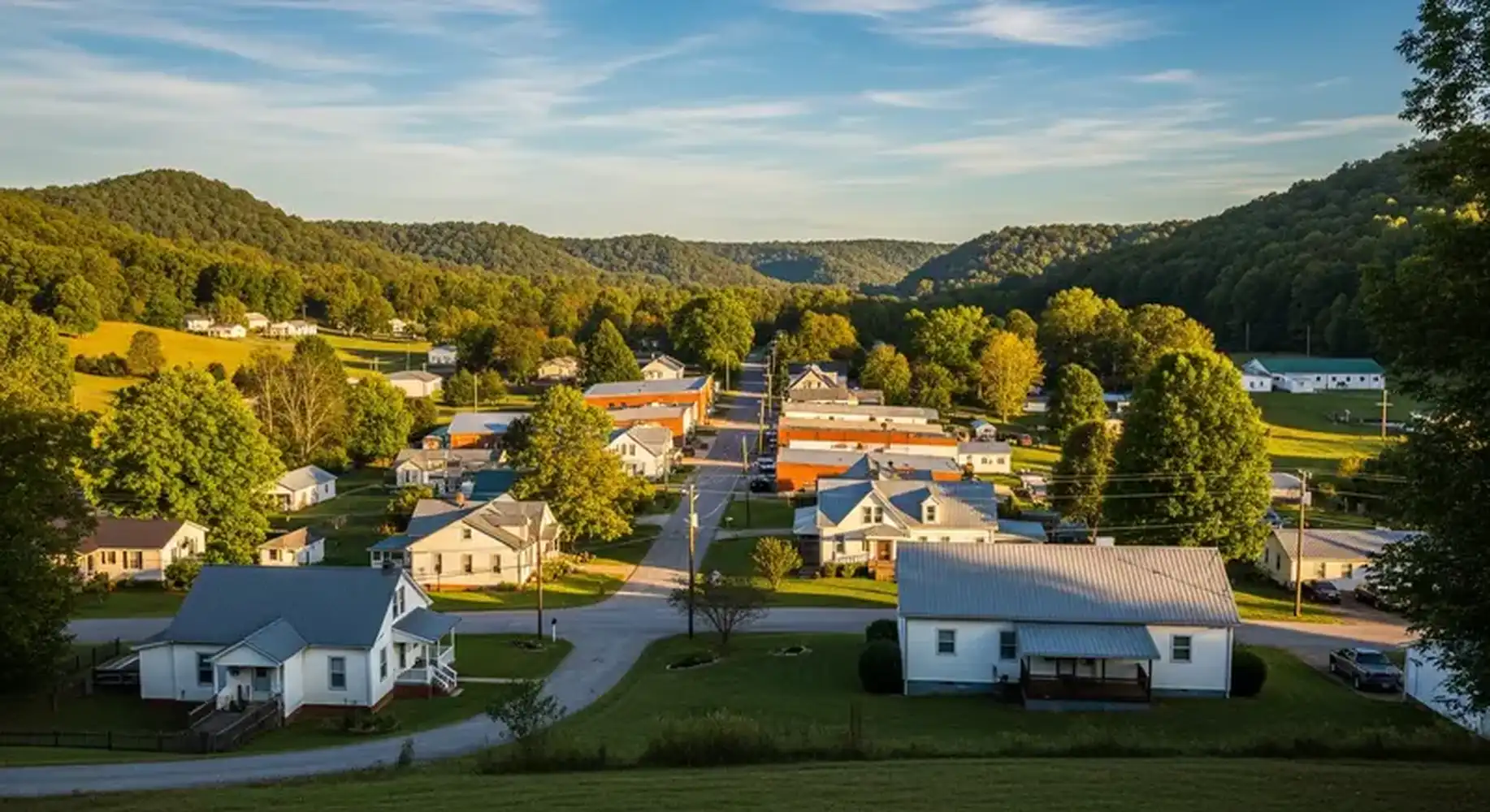
Water spreads through drywall, subfloor, and framing within hours - and mold colonies can begin forming shortly after. In Church Hill, where Holston River humidity meets older housing stock, fast response separates a manageable repair from a full reconstruction project.
CareFree Restoration handles damage caused by fire, smoke, water, mold, and storms for homeowners and business owners throughout Hawkins County.
- Water Damage Restoration - extraction, structural drying, moisture mapping, and monitoring until materials return to dry standard
- Flooded Basement Cleanup - pump-out, sump and drainage evaluation, wall and floor decontamination, dehumidification
- Sewage Cleanup - containment of Category 3 contamination, removal of porous materials, antimicrobial treatment, and safe disposal
- Fire Damage Restoration - board-up, debris removal, structural cleaning, and coordination with your insurance adjuster
- Smoke Damage Restoration - soot removal from surfaces and HVAC systems, thermal fogging, and odor neutralization
- Mold Removal - containment barriers, HEPA filtration, removal of affected materials, and correction of the moisture source
Key benefits for Church Hill residents include reduced secondary damage, preserved indoor air quality, thorough documentation for claims, and protection of foundations and framing that older Northeast Tennessee homes depend on.
Common Damage Restoration Issues in Church Hill, Tennessee
Church Hill sits in a valley setting between ridgelines, with clay-heavy soils that hold water against foundations rather than draining it away. That single factor drives a large share of local restoration calls.
Frequent Causes of Damage
- Heavy spring rain saturating yards and pushing groundwater through basement walls and cove joints
- Aging galvanized or polybutylene supply lines failing without warning in homes built before the 1990s
- Sewer backups when municipal or private lines are overwhelmed during sustained storm events
- Septic system saturation on rural properties along Highway 11-W corridors
- Frozen and burst pipes in crawl spaces and unheated garages during January cold snaps
- Chimney, wood stove, and space heater fires during long heating seasons
- Kitchen grease fires that spread soot and odor throughout an entire floor plan
Warning Signs Worth Acting On
- Musty or earthy odor in a basement, crawl space, or closet - often the first sign of hidden mold
- Efflorescence, white chalky residue, or dark staining on block foundation walls
- Buckling laminate, cupping hardwood, or soft spots near bathrooms and laundry areas
- Bubbling or peeling paint on baseboards and lower drywall
- Sewer gas odor near floor drains, indicating a blocked or backing line
- Yellow-brown staining on ceilings after a fire, showing soot migration through the structure
- Persistent smoke odor that returns on humid days even after surface cleaning
Stormwater concerns can also be reported locally - the regional stormwater manager can be reached at (423) 357-6161 for drainage and runoff issues affecting your property.
Neighborhoods We Serve in Church Hill
Service covers the full city footprint and the surrounding Hawkins County communities that share the same soil, weather, and housing conditions.
- Downtown Church Hill and the Main Street corridor
- Residential streets off Highway 11-W and Silver Lake Road
- Carters Valley and adjacent rural properties
- McPheeters Bend and Holston River-adjacent parcels
- Goshen Valley and Stanley Valley areas
- Mount Carmel and Colonial Heights to the west
- Surgoinsville and Rogersville to the east
- Kingsport, Bloomingdale, and greater Sullivan County
Homes closest to the Holston River and low-lying creek crossings see the highest volume of flooded basement and sewage backup calls. Hillside properties in Stanley Valley and Carters Valley more often deal with hydrostatic pressure, crawl space moisture, and mold growth behind finished walls.
Seasonal Damage Patterns in Church Hill
Restoration needs shift predictably through the year in Northeast Tennessee.
- January - February: Frozen pipe bursts in crawl spaces and exterior walls. Peak season for heating-related fire and smoke damage from furnaces, wood stoves, and chimneys.
- March - April: Snowmelt combines with spring rainfall. Flooded basements, sump pump failures, and groundwater intrusion dominate call volume.
- May - June: Severe thunderstorms bring wind-driven rain, roof leaks, and storm-related water damage. Sewage backups rise as lines are overwhelmed.
- July - August: High humidity and heat accelerate mold growth in basements, crawl spaces, and behind bathroom tile. Air conditioning condensate line clogs cause hidden ceiling and closet damage.
- September - October: Remnants of tropical systems occasionally reach the region, producing sudden flash flooding. A good window for preventive drainage work.
- November - December: Heating systems restart, raising fire risk. Holiday cooking and candles contribute to smoke damage claims. First hard freezes stress older plumbing.
Housing Characteristics & Restoration Considerations
Church Hill's housing stock spans mid-century brick ranches, 1970s and 1980s split-levels, farmhouses well over a century old, and newer subdivision construction. Each type responds differently to water, fire, and mold.
Common Construction Types and Their Challenges
- Block foundation basements: Hollow cores hold water invisibly. Drying requires wall cavity ventilation, not just surface dehumidification.
- Vented crawl spaces: Widespread locally and prone to standing water, wood rot, and mold on floor joists and subfloor.
- Brick veneer over wood frame: Traps moisture behind the veneer, delaying detection until sheathing has already deteriorated.
- Older farmhouses: Plaster walls, balloon framing, and knob-and-tube remnants. Balloon framing lets fire, smoke, and water travel vertically between floors with no firestop.
- Manufactured and modular homes: Belly wrap holds water beneath the floor and must be opened and dried rather than left to evaporate.
- Finished basements: Carpet, pad, and drywall installed directly against block. Nearly always require partial removal after flooding.
What This Means for Restoration
- Homes built before 1980 may contain asbestos in floor tile, mastic, or pipe insulation - testing precedes demolition
- Lead paint protocols apply to pre-1978 properties during fire and water repairs
- Older HVAC ductwork readily absorbs smoke odor and requires dedicated cleaning
- Sewage cleanup in crawl spaces demands vapor barrier replacement, not simple surface treatment
- Settling foundations and failing footings often reveal themselves only after a water event exposes the underlying issue
Environmental Conditions & Damage Implications
Church Hill's humid subtropical climate delivers roughly 45 inches of rain a year, distributed across every season rather than concentrated in one wet period. Sustained moisture is the defining local condition.
Climate and Moisture
- Summer relative humidity frequently exceeds 70 percent, keeping indoor moisture elevated without mechanical dehumidification
- Mold spores germinate on damp organic material in as little as 24 to 48 hours under these conditions
- Freeze-thaw cycling each winter widens cracks in block and poured foundations, creating new water entry points
Soil and Groundwater
- Clay-rich valley soils expand when wet and shrink when dry, stressing foundation walls and footings
- Poor percolation means rainwater pools against foundations instead of draining down through the profile
- Karst and limestone features in the region create unpredictable groundwater movement and occasional sinkhole activity
- High water tables near the Holston River and its tributaries push moisture up through basement slabs
Water and Air Quality Considerations
- Hard water leaves mineral deposits that shorten the life of supply lines, water heaters, and appliance hoses
- Rural septic systems saturate during wet stretches, increasing backup and contamination risk
- Valley topography can trap smoke and particulates, prolonging odor issues after a fire
- Pollen and organic debris feed mold growth in gutters, crawl spaces, and window wells
Preventing Repeat Basement Flooding and Foundation Moisture in Church Hill
Cleaning up a flooded basement without addressing why water entered means doing it again next spring. Recurring intrusion is the most common restoration issue reported by Northeast Tennessee homeowners, and it almost always traces back to a fixable drainage or grading problem.
Where Water Actually Gets In
- Cove joint - the seam where the basement floor meets the wall - under hydrostatic pressure
- Cracks in block mortar joints and poured concrete walls
- Window wells without drains or covers
- Failed or undersized sump pumps with no battery backup
- Downspouts discharging within a few feet of the foundation
- Negative grading that slopes the yard back toward the house
- Clogged or collapsed exterior footing drains, common in homes over 40 years old
A Practical Prevention Sequence
- Clear gutters and extend every downspout well away from the foundation.
- Regrade soil so the ground falls away from the house over the first several feet.
- Test the sump pump by filling the pit - confirm the check valve and discharge line work.
- Add a battery backup pump, since basements flood most often during storm-related power outages.
- Seal visible wall cracks and install covers over window wells.
- Install or replace the crawl space vapor barrier and consider encapsulation with a dedicated dehumidifier.
- Have interior drainage evaluated if water still enters after exterior corrections.
When Restoration Comes First
If water is already present, drying and decontamination precede any prevention work. Standing water that contacted a sewer line is treated as contaminated - porous materials come out, surfaces are sanitized, and the space is dried and verified with moisture meters before rebuilding.
Wet basements, failing foundations, moisture, mold, and structural damage are all connected problems. Addressing them together is what keeps the next storm from starting the cycle over.





