
Damage Restoration in Williamsville, NY
- Damage Restoration Services Overview
- Common Damage Restoration Issues in Williamsville, New York
- Neighborhoods We Serve in Williamsville
- Seasonal Damage Patterns in Williamsville
- Housing Characteristics & Restoration Considerations
- Environmental Conditions & Damage Implications
- Historic Williamsville Properties and Specialized Restoration Needs
Damage Restoration Services Overview
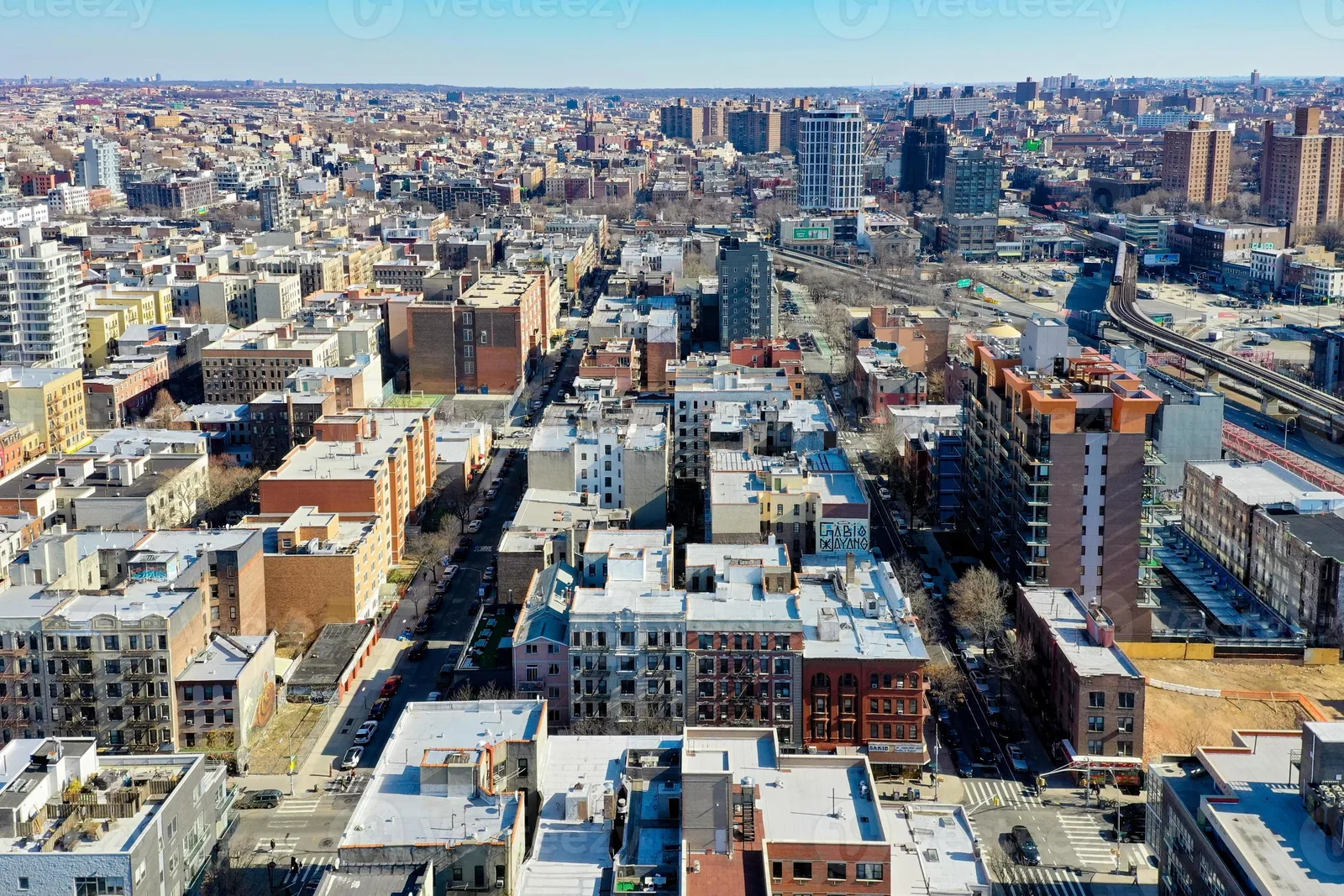
When disaster strikes your Williamsville property, immediate action can mean the difference between minor repairs and major reconstruction. Water damage spreads rapidly through building materials, while fire and smoke residue continue causing harm long after flames are extinguished.
Our comprehensive damage restoration services address every type of emergency:
- Water Damage Restoration - Rapid extraction and drying to prevent structural damage
- Flooded Basement - Complete basement water removal and moisture control
- Sewage Cleanup - Safe sanitization of contaminated areas
- Fire Damage Restoration - Structural repair and content restoration
- Smoke Damage Restoration - Odor elimination and surface cleaning
- Mold Removal - Professional remediation and prevention strategies
Williamsville residents benefit from 24/7 emergency response, advanced moisture detection equipment, and certified technicians who understand local building codes. Our restoration process follows industry standards while adapting to the unique challenges of Western New York's climate and housing stock.
Common Damage Restoration Issues in Williamsville, New York
Williamsville's location in Erie County creates specific restoration challenges throughout the year. The area's proximity to Lake Erie influences weather patterns that directly impact property damage risks.
Most frequent damage scenarios include:
- Basement flooding from spring snowmelt and heavy rainfall
- Frozen pipe bursts during harsh winter months
- Storm-related water intrusion through roofs and windows
- Sump pump failures during peak water table periods
- Ice dam formation causing interior water damage
Fire and smoke damage often results from:
- Heating system malfunctions during cold seasons
- Electrical issues in older homes
- Kitchen fires and fireplace incidents
- Lightning strikes during summer storms
Mold growth accelerates in Williamsville due to high humidity levels and temperature fluctuations. Warning signs include musty odors, visible growth on surfaces, and increased allergy symptoms among occupants. Sewage backups frequently occur when municipal systems become overwhelmed during heavy precipitation events.
Neighborhoods We Serve in Williamsville
Our damage restoration services cover all Williamsville neighborhoods and surrounding communities:
- Village of Williamsville - Historic downtown and residential areas
- Snyder - Established neighborhoods with mature trees
- Eggertsville - Mixed residential and commercial zones
- East Amherst - Newer developments and suburban homes
- Clarence - Rural properties and estate homes
- Amherst - University area and surrounding communities
We also serve adjacent areas including Tonawanda, Cheektowaga, and Lancaster. Our local presence allows rapid response times across all service areas, with teams familiar with neighborhood-specific challenges like older sewer systems in established areas and newer construction materials in recent developments.
Seasonal Damage Patterns in Williamsville
Damage restoration needs in Williamsville follow predictable seasonal patterns that help property owners prepare and respond effectively.
Winter (December - February)
- Frozen pipe emergencies peak during cold snaps
- Ice dam formation causes roof leaks
- Heating system fires increase
Spring (March - May)
- Snowmelt creates basement flooding risks
- Storm damage from severe weather
- Mold growth from winter moisture accumulation
Summer (June - August)
- Thunderstorm water damage
- Lightning-related fires
- High humidity mold problems
Fall (September - November)
- Leaf-clogged gutters cause water damage
- Early heating system issues
- Preparation for winter damage prevention
Understanding these patterns helps homeowners schedule preventive maintenance and recognize when professional restoration services become necessary.
Housing Characteristics & Restoration Considerations
Williamsville's diverse housing stock presents unique restoration challenges based on construction era and materials. The area features homes ranging from early 1900s craftsman styles to modern suburban developments.
Older Homes (Pre-1950)
- Plaster walls require specialized water damage techniques
- Knob-and-tube wiring increases fire risks
- Original hardwood floors need careful moisture management
- Basement stone foundations prone to water seepage
Mid-Century Homes (1950-1980)
- Drywall construction allows faster water damage spread
- Asbestos materials require certified removal procedures
- Original electrical systems may need updating after fire damage
- Concrete block basements common for flooding issues
Modern Construction (1980-Present)
- Engineered lumber responds differently to water exposure
- Modern insulation materials affect smoke damage patterns
- Improved vapor barriers help control mold growth
- Advanced HVAC systems require specialized cleaning after smoke damage
Each construction type demands specific restoration approaches, from material selection to drying techniques. Our technicians assess building characteristics to develop targeted restoration plans that preserve structural integrity while meeting current safety standards.
Environmental Conditions & Damage Implications
Williamsville's environmental conditions significantly influence damage restoration approaches and long-term property protection strategies. The region's continental climate creates distinct challenges for each service type.
Climate Factors
- Average humidity levels of 70-75% promote mold growth
- Temperature swings cause building material expansion and contraction
- Annual precipitation of 40+ inches increases water damage risks
- Lake-effect snow creates unique moisture challenges
Soil Conditions
- Clay-rich soils retain moisture near foundations
- Poor drainage in low-lying areas increases basement flooding
- Seasonal frost heave affects foundation stability
- High water table during spring months
Air Quality Considerations
- Industrial emissions can complicate smoke damage cleanup
- Seasonal pollen affects indoor air quality during restoration
- Lake Erie moisture influences drying times
- Urban pollution particles require specialized filtration
These environmental factors require restoration professionals to adjust techniques accordingly. Extended drying times may be necessary during humid periods, while cold weather affects equipment performance and material handling. Our teams monitor environmental conditions continuously to optimize restoration outcomes and prevent secondary damage.
Historic Williamsville Properties and Specialized Restoration Needs
Williamsville's rich architectural heritage presents unique restoration challenges that require specialized knowledge and techniques. The village's historic district contains numerous properties dating to the 1800s, each with distinctive features that demand careful preservation during damage restoration.
Historic Building Materials
- Original horsehair plaster walls require gentle water extraction methods
- Hand-hewn timber framing needs specialized fire damage assessment
- Historic brick and mortar demand compatible restoration materials
- Original hardwood floors often require custom matching and refinishing
- Lead paint considerations during smoke damage cleanup
Preservation Standards
- National Register properties must meet federal preservation guidelines
- Local historic commission approval required for visible alterations
- Documentation requirements for insurance and preservation records
- Specialized contractors certified in historic restoration techniques
Common Historic Property Challenges
- Basement flooding in properties without modern drainage systems
- Mold growth in areas with limited ventilation
- Fire damage to irreplaceable architectural details
- Sewage backup issues in homes connected to aging municipal systems
Our restoration teams work closely with preservation specialists and local historic commissions to maintain architectural integrity while addressing damage effectively. We understand the balance between modern restoration techniques and historic preservation requirements, ensuring that Williamsville's architectural legacy remains protected for future generations.





