
Damage Restoration in Fredonia, NY
- Damage Restoration Services Overview
- Common Damage Restoration Issues in Fredonia, New York
- Neighborhoods We Serve in Fredonia
- Seasonal Damage Patterns in Fredonia
- Housing Characteristics & Restoration Considerations
- Environmental Conditions & Damage Implications
- Emergency Response Timelines for Fredonia Water and Fire Losses
Damage Restoration Services Overview
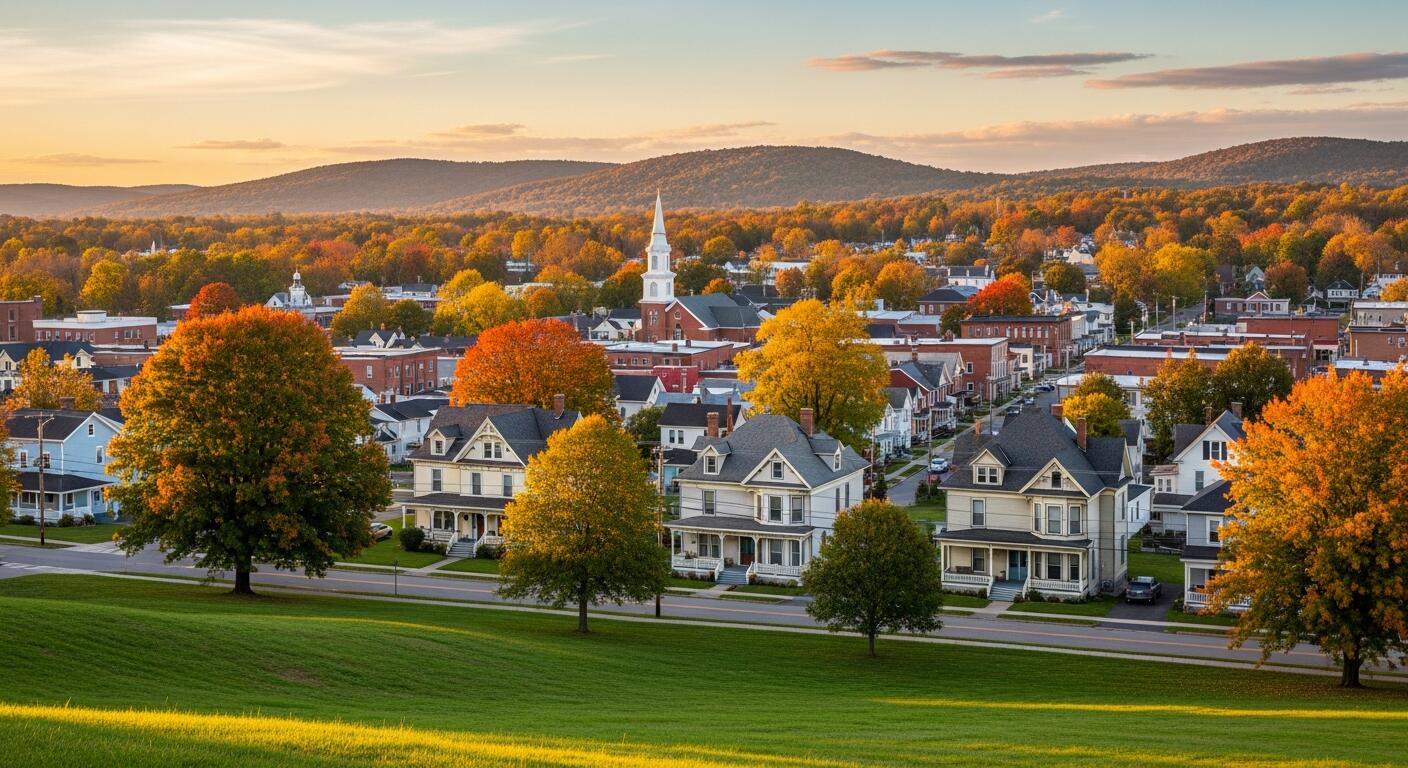
Few things rattle a homeowner like walking downstairs to standing water, or opening a door to the acrid smell of smoke. Property damage in Fredonia rarely announces itself in advance, and the hours that follow shape how much of your home and belongings can be saved.
Restoration work in this part of Chautauqua County covers a connected set of services, each addressing a different form of loss:
- Water Damage Restoration - extraction, structural drying, and moisture mapping after burst pipes, appliance failures, roof leaks, or storm intrusion
- Flooded Basement - pump-out, content removal, and drying of below-grade spaces where groundwater and sump failures cause repeat problems
- Sewage Cleanup - removal of contaminated water, disinfection of affected surfaces, and safe disposal of porous materials
- Fire Damage Restoration - debris removal, structural stabilization, and rebuilding of charred framing, drywall, and finishes
- Smoke Damage Restoration - soot removal from walls and HVAC systems, odor neutralization, and content cleaning
- Mold Removal - containment, affected material removal, air scrubbing, and correction of the moisture source feeding growth
The benefit to Fredonia residents is straightforward: faster stabilization limits secondary damage, protects indoor air quality, and keeps a manageable loss from becoming a full gut-and-rebuild project.
Common Damage Restoration Issues in Fredonia, New York
Fredonia sits in the Lake Erie snowbelt, and that single geographic fact drives most of the restoration calls in the village and surrounding town. Heavy lake-effect snowfall, rapid thaws, and clay-heavy soils combine to push water toward foundations several times each year.
Frequent Local Triggers
- Frozen and burst supply lines in uninsulated crawl spaces, exterior walls, and older stone-walled basements
- Snowmelt and spring rain overwhelming sump pumps, footing drains, and window wells
- Ice dams along eaves forcing meltwater under shingles and into ceilings and attic insulation
- Sanitary line backups when saturated ground and heavy runoff pressure aging laterals
- Heating equipment, wood stoves, and chimney issues sparking fire and smoke losses during long heating seasons
- Persistent basement humidity feeding mold on framing, stored cardboard, and finished lower-level walls
Warning Signs Worth Acting On
- Musty odor that intensifies when the furnace or dehumidifier cycles
- Efflorescence, chalky white staining, or flaking paint on foundation walls
- Buckled baseboards, cupping hardwood, or soft spots in subfloor near exterior walls
- Gurgling floor drains or slow fixtures - often the first hint of a sewage backup
- Yellowed ceiling stains or a lingering campfire smell weeks after a small fire
- Unexplained allergy symptoms that ease when family members leave the house
Homes near Canadaway Creek and low-lying streets face added seasonal risk when the channel runs high.
Neighborhoods We Serve in Fredonia
Coverage extends across the village, the surrounding town, and neighboring Chautauqua County communities.
- Village center and Barker Common - historic homes, older plumbing, and multi-unit rentals near campus
- SUNY Fredonia area - student housing and converted single-family properties with heavy fixture use
- Central Avenue and Temple Street corridors - established residential blocks with mature trees and clay-tile laterals
- Canadaway Creek and Water Street areas - properties most affected by high-water events
- Route 20 and Route 60 corridors - mixed residential and commercial buildings
- Outlying rural Town of Pomfret - vineyard-country homes on private wells and septic systems
Nearby service also reaches Dunkirk, Brocton, Cassadaga, Forestville, Laona, Sheridan, Portland, and Westfield - all sharing similar snowbelt weather and soil conditions.
Seasonal Damage Patterns in Fredonia
Restoration demand in Fredonia follows a predictable annual rhythm shaped by lake-effect weather.
- December through February - peak season for frozen and burst pipes, ice dam leaks, and furnace or wood-stove fires. Smoke damage calls rise alongside heating use.
- March and April - snowmelt over frozen ground drives flooded basements, sump pump failures, and sanitary sewer backups.
- May and June - spring storms bring roof and window intrusion; mold growth accelerates in basements that never fully dried from the thaw.
- July and August - humidity peaks, making mold removal the most common request. Air conditioning condensate lines and failed water heaters add to water losses.
- September and October - grilling, fire pits, and the first furnace startups create smoke and fire incidents; leaf-clogged gutters push water toward foundations.
- November - early lake-effect events and freeze-thaw cycles reopen foundation cracks before winter sets in.
Scheduling gutter cleaning, sump pump testing, and dryer vent inspection ahead of each transition point reduces the odds of an emergency call.
Housing Characteristics & Restoration Considerations
Fredonia's housing stock skews older than the national average, with a strong concentration of pre-1940 construction near the village core alongside mid-century ranches and newer builds on the outskirts. Building age directly shapes how restoration proceeds.
Common Construction Types and Their Impact
- Stone and rubble foundations - porous, irregular surfaces that hold moisture and complicate drying after a flooded basement
- Balloon framing in Victorian-era homes - open wall cavities that let water, smoke, and odor travel between floors quickly
- Plaster and lath walls - slower to dry than drywall and prone to hidden mold behind intact surfaces
- Knob-and-tube or early wiring - requires careful evaluation before equipment is powered in wet areas
- Finished basements added in later decades - carpet, paneling, and framed walls that trap water against masonry
- Cast iron and clay sewer laterals - root intrusion and joint separation raise sewage backup risk
Practical Planning Factors
- Room configuration and airflow patterns, which determine drying equipment placement
- Accessibility to plumbing runs and structural cavities behind finished surfaces
- Material types present - hardwood, plaster, insulation, and stored contents each dry differently
- Duration of moisture exposure, the single strongest predictor of whether materials can be saved
- Presence of asbestos-containing or lead-painted materials in older homes, which changes demolition methods
Rental and student-occupied properties often need coordination between landlord, tenant, and insurer before work begins.
Environmental Conditions & Damage Implications
Fredonia's location a few miles from Lake Erie creates a humid, freeze-thaw-heavy environment that works against building materials year-round.
Climate and Moisture Load
- Annual snowfall well above national norms, with lake-effect bands dropping heavy accumulation in short windows
- Summer relative humidity frequently high enough to sustain mold growth without any plumbing failure
- Dozens of freeze-thaw cycles each year that widen foundation cracks and mortar joints
- Roughly 40 inches of annual precipitation spread across all seasons
Soil and Groundwater
- Silty clay and lakeplain soils that drain slowly and hold water against foundation walls
- Elevated hydrostatic pressure during thaw, forcing seepage through cove joints and slab cracks
- Shallow water tables in low-lying areas near Canadaway Creek
- Rural properties on septic systems where saturated leach fields can back up into basements
Air Quality Consequences
- Tight winter envelopes concentrate mold spores, soot particles, and combustion byproducts indoors
- Smoke residue migrates through forced-air ducts, requiring HVAC cleaning as part of any fire loss
- Agricultural dust and pollen from surrounding vineyards and farmland add to filtration demands during recovery
Addressing the moisture source - grading, downspout extensions, sump discharge routing - keeps mold remediation from repeating the following season.
Emergency Response Timelines for Fredonia Water and Fire Losses
Speed determines outcome. Water spreads through porous materials within minutes, mold colonies can establish in a day or two under Fredonia's humidity, and soot becomes acidic and permanently etches surfaces the longer it sits.
What Happens in the First Hours
- Contact and triage - the situation is assessed by phone, and safety instructions are given regarding power, gas, and contaminated water
- Site arrival and hazard check - electrical safety, structural stability, and category of water are evaluated before entry
- Source control - water is shut off, a broken line is capped, or a sump discharge is rerouted
- Extraction and pump-out - truck-mounted or portable equipment removes standing water from basements and living space
- Content protection - furniture is blocked or relocated, and salvageable items are moved to dry staging
- Moisture mapping - meters and thermal imaging identify water behind walls, under flooring, and in insulation
- Drying setup - air movers and dehumidifiers are placed based on room layout and airflow patterns
- Daily monitoring - readings are logged until materials return to established dry standards
Why Winter Response Matters Locally
- Lake-effect storms can produce simultaneous losses across the village, making early contact important
- Freezing conditions cause water to migrate and refreeze in wall cavities if drying is delayed
- Sewage backups during thaw require containment and disinfection before any drying can safely begin
- Fire losses need board-up and roof tarping the same day to keep snow and rain out of the structure
What Homeowners Can Do Immediately
- Shut off water at the main if a supply line has failed
- Avoid contact with sewage-contaminated water and keep children and pets away
- Photograph conditions before anything is moved, for insurance documentation
- Do not run a household vacuum on soot or attempt to wipe smoke residue - improper cleaning drives particles deeper
- Keep a list of damaged contents as items are removed
Verified local restoration professionals serving Fredonia list their services and contact details so you can reach qualified help without losing time searching.





