
Damage Restoration in Dunkirk, NY
- Damage Restoration Services Overview
- Common Damage Restoration Issues in Dunkirk, New York
- Neighborhoods We Serve in Dunkirk
- Seasonal Damage Patterns in Dunkirk
- Housing Characteristics & Restoration Considerations
- Environmental Conditions & Damage Implications
- Storm Response and Basement Flood Recovery Along the Chautauqua Lakeshore
Damage Restoration Services Overview
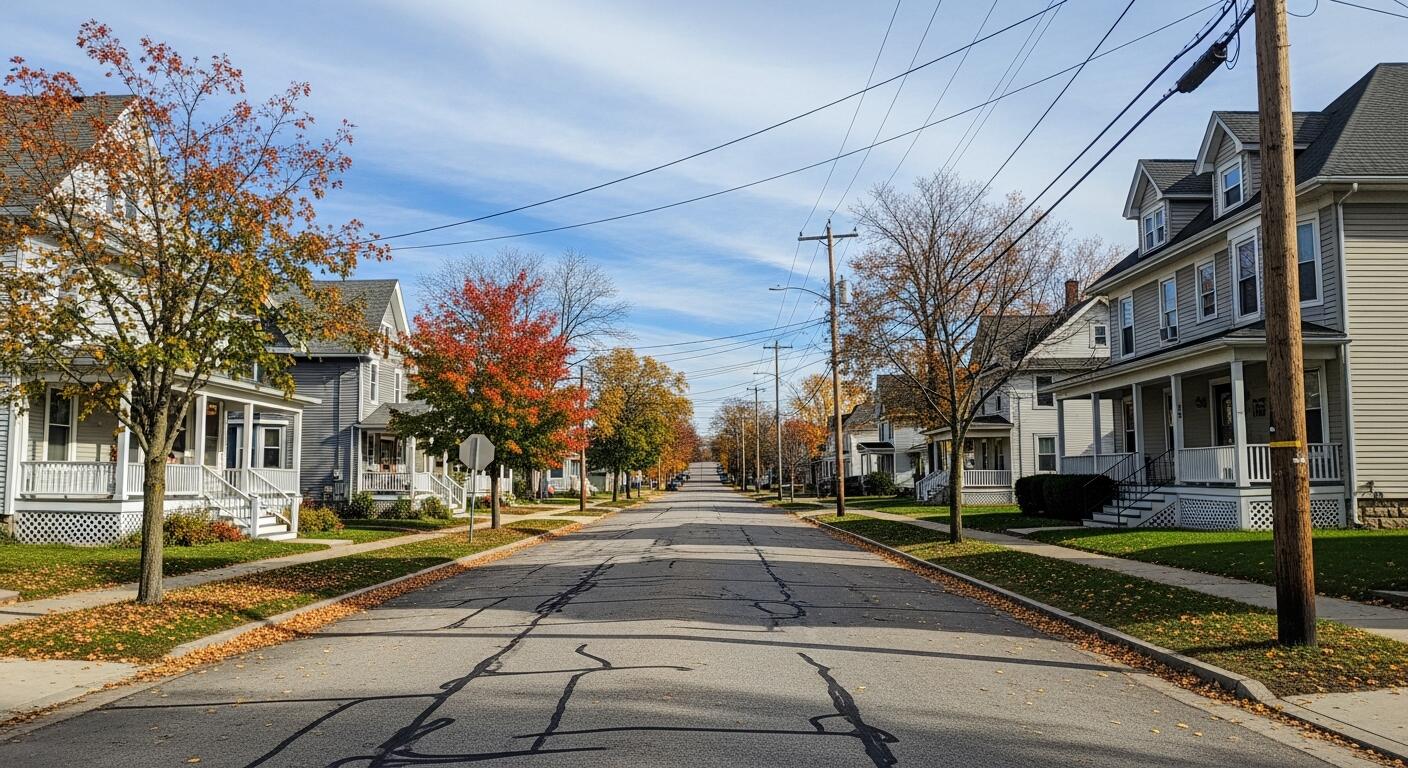
Dunkirk sits directly in one of the most active lake-effect snow corridors in the eastern United States, where a single winter can drop well over 100 inches of snow along the Lake Erie shoreline. When that snowpack melts fast - or when a summer squall pushes water inland - basements across the city fill quickly.
Property damage here rarely arrives in one form. A storm that floods a crawlspace can also back up a sewer line, and a furnace strained by a cold snap can spark a fire that leaves smoke residue in every room.
- Water Damage Restoration - truck-mounted extraction, moisture mapping with infrared cameras, and controlled structural drying.
- Flooded Basement Cleanup - submersible pumps, content removal, and antimicrobial treatment of slab and block walls.
- Sewage Cleanup - safe removal of contaminated material, high-temperature sanitizing, and pathogen control.
- Fire Damage Restoration - debris clearing, structural stabilization, and salvage of contents.
- Smoke Damage Restoration - soot removal from surfaces, HVAC cleaning, and odor neutralization.
- Mold Removal - containment, source correction, and remediation to IICRC standards.
Crews dispatch around the clock across Chautauqua County, because damage in a lakeside community does not wait for business hours.
Common Damage Restoration Issues in Dunkirk, New York
Proximity to Lake Erie shapes nearly every restoration call in the area. High humidity, heavy snow loads, and a shoreline water table combine to stress older housing stock.
Local Causes of Damage
- Lake-effect snowmelt saturating soil around foundations in late winter and early spring.
- Ice dams forming on shallow-pitch roofs, forcing meltwater under shingles and into ceilings.
- Combined and aging municipal sewer segments backing up during intense rainfall.
- Sump pump failure during power outages caused by shoreline wind events.
- Frozen and burst supply lines in uninsulated basements and rental units.
- Chimney, wood stove, and space heater fires during extended cold stretches.
Warning Signs Worth Acting On
- Musty odor in a basement or first-floor closet that never fully clears.
- White chalky efflorescence or dark staining on block foundation walls.
- Bubbling paint, cupped hardwood, or soft drywall near baseboards.
- Gurgling floor drains or slow tubs after heavy rain - often an early sewage backup signal.
- Yellow-brown soot film on window glass or above outlets after a small kitchen fire.
- Smoke odor returning on humid days, which usually means residue remains in ductwork or insulation.
Acting on any of these within the first 24 to 48 hours dramatically limits how far damage spreads through framing, insulation, and contents.
Neighborhoods We Serve in Dunkirk
Mobile trucks reach the entire city and the surrounding lakeshore communities.
- Downtown Dunkirk and Central Avenue corridor - mixed commercial storefronts and upper-floor apartments.
- Point Gratiot and the harbor district - waterfront homes exposed to wind-driven rain and lake spray.
- Lake Shore Drive East and West - shoreline properties with high water tables.
- Brigham Road and the south-side residential streets - established single-family neighborhoods.
- Fredonia - including student rentals and historic village homes near the campus.
Service also extends throughout Chautauqua County to Westfield, Silver Creek, Sheridan, Brocton, Stockton, Van Buren Point, Forestville, and the surrounding rural townships. Commercial accounts include restaurants, churches, warehouses, apartment buildings, and municipal facilities.
Seasonal Damage Patterns in Dunkirk
Winter (December - February)
- Burst pipes in exterior walls and unheated basements during deep cold.
- Ice dams pushing water into attics and second-floor ceilings.
- Peak season for heating-related fire and smoke damage.
Spring (March - May)
- Rapid snowmelt plus rain equals the busiest stretch for flooded basements.
- Sewer backups rise as saturated ground overwhelms drainage systems.
- Mold growth begins in basements that stayed damp all winter.
Summer (June - August)
- Thunderstorms and lake squalls drive wind and water intrusion.
- Humidity above 60 percent accelerates mold in crawlspaces and closets.
- Air conditioning condensate lines overflow and damage ceilings below.
Fall (September - November)
- Clogged gutters from leaf fall redirect water toward foundations.
- First furnace and fireplace startups reveal flue problems and puff-back soot.
- Ideal window for sump pump testing and foundation sealing before snow arrives.
Housing Characteristics & Restoration Considerations
Much of Dunkirk's housing stock dates to the late 1800s through the mid-1900s, built during the city's industrial and harbor boom. That age influences every stage of a restoration project.
Common Construction Features
- Stone, brick, and hollow-block foundations that wick moisture through porous masonry.
- Balloon-framed walls in Victorian-era homes, which allow smoke and fire to travel vertically between floors.
- Plaster over wood lath, which holds water far longer than modern drywall.
- Cast iron and clay sewer laterals prone to cracking and root intrusion.
- Knob-and-tube or early wiring in unrenovated properties, a recurring ignition source.
- Wood-frame double homes and converted multi-family units where damage spreads between tenants.
How Age Shapes the Restoration Approach
- Confirm the presence of asbestos-containing floor tile, pipe wrap, or plaster before demolition begins.
- Use extended drying schedules for plaster, dimensional lumber, and masonry rather than quick surface drying.
- Open wall cavities selectively so original trim, hardwood, and moldings can be preserved.
- Seal chases and stairwells during smoke cleaning to keep soot from recontaminating cleaned rooms.
- Verify sump and backflow protection during sewage work, since many older homes lack a check valve.
Newer construction on the outskirts brings its own challenges - tight building envelopes trap moisture, so mechanical dehumidification matters more than ventilation alone.
Environmental Conditions & Damage Implications
Dunkirk's climate is defined by the lake. Cool, moist air moves inland year round, keeping relative humidity elevated well beyond what inland counties experience.
Climate and Moisture
- Annual snowfall regularly exceeds 90 inches, concentrated in lake-effect bands.
- Freeze-thaw cycling opens hairline cracks in foundations and driveways each winter.
- Summer dew points near the shoreline sustain the moisture levels mold colonies need.
Soil and Groundwater
- Clay-heavy lake plain soils drain slowly and hold water against foundation walls.
- Shallow water tables near the harbor and Point Gratiot push hydrostatic pressure through block joints.
- Vineyard and agricultural runoff south of the city adds sediment and organic load to floodwater.
What This Means for Restoration
- Drying plans account for outdoor humidity - open windows often make conditions worse, so sealed dehumidification is used instead.
- Floodwater entering through soil is treated as contaminated, requiring antimicrobial application rather than simple extraction.
- Sewage cleanup includes hot-water extraction at high temperatures to sanitize salvageable fibers and hard surfaces.
- Post-fire air quality work includes HEPA filtration and duct cleaning, since soot particles bind to humid indoor air and settle repeatedly.
- Mold clearance focuses on correcting the moisture source - grading, downspouts, sump discharge - not just removing visible growth.
Storm Response and Basement Flood Recovery Along the Chautauqua Lakeshore
Shoreline storms in Chautauqua County tend to arrive with little warning and knock out power across whole neighborhoods. When the power goes, sump pumps stop, and basements begin filling within the hour.
What Happens on a Storm Call
- Extract standing water - high-volume truck-mounted extraction wands and submersible pumps remove water first, since every hour of standing water expands the affected area.
- Map hidden moisture - infrared thermal cameras and penetrating moisture meters locate water behind walls, under flooring, and inside insulation cavities.
- Stabilize the structure - board-up, tarping, and debris removal protect the property from further weather intrusion.
- Dry and sanitize - commercial dehumidifiers, high-velocity air movers, and antimicrobial washes bring materials back to dry standard and prevent mold from taking hold.
- Document for insurance - daily moisture readings, photos, and material inventories support the claim process.
Why Speed Matters Here
- Mold can begin colonizing damp organic material within a day or two under lakeshore humidity.
- Groundwater flooding in older block foundations is treated as contaminated from the start.
- Delayed drying turns a basement-only loss into a subfloor, joist, and first-floor problem.
- Storm events often affect entire streets, so early calls get crews on site sooner.
Preparing Before the Next Storm
- Test the sump pump and install a battery or water-powered backup.
- Add a backflow prevention valve on the sewer lateral.
- Extend downspouts at least six feet from the foundation.
- Store valuables and documents off basement floors on shelving.
- Photograph finished basement spaces annually for claim documentation.
Crews serving Dunkirk, Fredonia, Westfield, Silver Creek, Sheridan, Brocton, Stockton, and Van Buren Point operate 24/7, with equipment staged for multi-property storm events across the county.





