
Damage Restoration in Binghamton, NY
- Damage Restoration Services Overview
- Common Damage Restoration Issues in Binghamton, New York
- Neighborhoods We Serve in Binghamton
- Seasonal Damage Patterns in Binghamton
- Housing Characteristics & Restoration Considerations
- Environmental Conditions & Damage Implications
- Historic District Restoration Challenges in Binghamton
Damage Restoration Services Overview
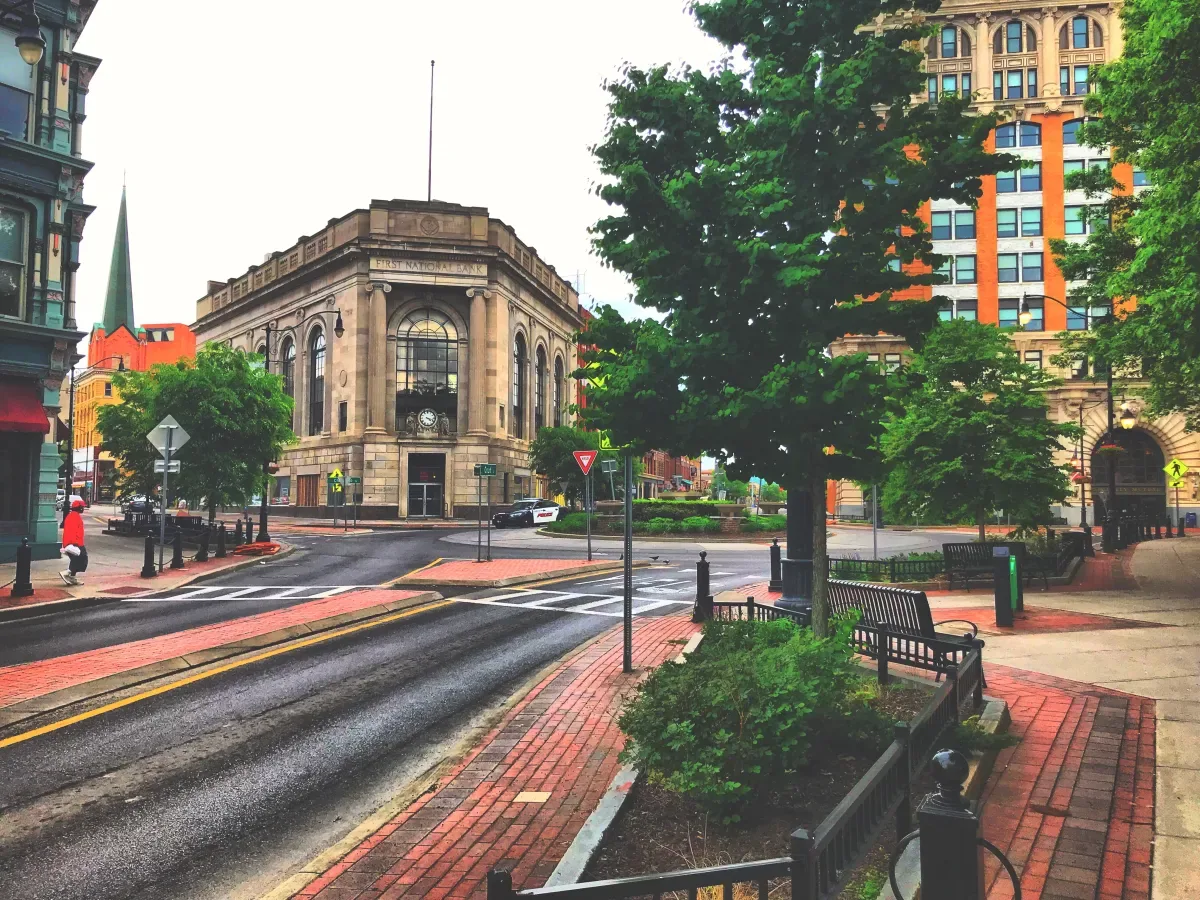
Binghamton's location in the Southern Tier of New York creates unique restoration challenges that require specialized expertise and rapid response capabilities. The area's aging infrastructure, variable weather patterns, and proximity to the Susquehanna and Chenango Rivers make properties particularly vulnerable to multiple types of damage throughout the year.
Professional restoration services address six critical damage types that frequently affect Binghamton properties:
- Water Damage Restoration - Emergency extraction, drying, and structural repair from burst pipes, roof leaks, and flooding
- Flooded Basement - Comprehensive basement water removal, moisture control, and foundation protection
- Sewage Cleanup - Safe removal and sanitization of contaminated water and materials
- Fire Damage Restoration - Structural repair, debris removal, and complete property rehabilitation
- Smoke Damage Restoration - Odor elimination, soot cleaning, and air quality restoration
- Mold Removal - Professional remediation, prevention, and indoor air quality improvement
The key benefit of professional restoration lies in the 24-48 hour window for preventing secondary damage. Quick response prevents mold growth, reduces structural deterioration, and minimizes health risks. Certified technicians use advanced equipment and proven techniques to restore properties efficiently while ensuring safety standards are met throughout the process.
Common Damage Restoration Issues in Binghamton, New York
Binghamton's geographic location and infrastructure create specific vulnerability patterns that property owners must understand. The confluence of two major rivers and the area's topography contribute to frequent water-related incidents, while older building stock increases fire and structural risks.
Most common damage scenarios include:
- Basement flooding from spring snowmelt and heavy rainfall overwhelming drainage systems
- Pipe bursts during winter freeze-thaw cycles affecting older plumbing systems
- Roof leaks from ice dams and aging materials in historic neighborhoods
- Sewer backups during heavy precipitation events when municipal systems reach capacity
- Electrical fires in older homes with outdated wiring systems
- Mold growth in basements and crawl spaces due to high humidity levels
Warning signs require immediate attention to prevent escalation:
- Water stains or discoloration on walls and ceilings
- Musty odors indicating hidden moisture or mold presence
- Warped flooring or bubbling paint suggesting water intrusion
- Smoke odors lingering after fires or heating system issues
- Visible mold growth in damp areas
- Sewage odors from backup situations
Early intervention prevents minor issues from becoming major restoration projects. Professional assessment within hours of damage discovery helps minimize repair costs and health risks.
Neighborhoods We Serve in Binghamton
Restoration services cover all Binghamton neighborhoods and surrounding communities throughout Broome County. Each area presents unique challenges based on housing age, elevation, and proximity to water sources.
Primary service areas include:
- Downtown Binghamton - Historic commercial and residential properties requiring specialized restoration techniques
- West Side - Diverse housing stock with varying restoration needs
- East Side - Established neighborhoods with mature trees and older infrastructure
- Southside - Mixed residential areas with flood-prone locations near the rivers
- First Ward - Dense urban housing requiring rapid response capabilities
- Johnson City - Adjacent community with similar restoration challenges
- Endicott - Historic village areas with unique architectural considerations
- Vestal - Newer developments and established neighborhoods
Service extends throughout the Greater Binghamton area, ensuring all residents have access to professional restoration expertise regardless of location. Response times remain consistent across all service areas.
Seasonal Damage Patterns in Binghamton
Binghamton's four-season climate creates predictable damage patterns that property owners can anticipate. Understanding seasonal risks helps with prevention and preparedness planning.
Winter (December-February):
- Frozen pipe bursts peak during extreme cold snaps
- Ice dam formation causes roof leaks and water damage
- Heating system fires increase with heavy furnace usage
- Carbon monoxide risks from improper ventilation
Spring (March-May):
- Snowmelt flooding affects basements and crawl spaces
- Storm-related water damage from heavy spring rains
- Mold growth accelerates with increased humidity
- Sewer backup incidents rise with system overload
Summer (June-August):
- Severe thunderstorm damage including flooding and fires
- High humidity promotes mold growth in poorly ventilated areas
- Electrical storms increase fire risks
- Air conditioning failures lead to moisture problems
Fall (September-November):
- Chimney and fireplace preparation reveals fire hazards
- Leaf accumulation blocks drainage systems
- Early freeze events cause unexpected pipe damage
- Storm preparation activities uncover existing damage
Housing Characteristics & Restoration Considerations
Binghamton's housing stock reflects over a century of construction, with significant implications for restoration approaches. The majority of properties date from the early-to-mid 20th century, requiring specialized knowledge of older building materials and construction methods.
Key housing characteristics affecting restoration include:
- Age distribution: 60% of homes built before 1950, requiring lead-safe work practices
- Construction types: Predominantly wood frame with brick veneer or clapboard siding
- Foundation styles: Stone and concrete block basements prone to water intrusion
- Roof materials: Mix of asphalt shingle and slate requiring different repair approaches
- Plumbing systems: Combination of original galvanized steel and newer copper or PVC
- Electrical systems: Many homes retain knob-and-tube or early breaker panels
Restoration considerations for older properties:
- Lead paint protocols required for pre-1978 construction
- Asbestos testing needed for insulation and tile materials
- Structural assessments for balloon frame construction
- Specialized techniques for plaster wall repair
- Historic preservation requirements in designated districts
- Updated code compliance during restoration work
Modern restoration techniques adapt to preserve historic character while improving safety and efficiency. Professional teams understand local building codes and preservation requirements that affect restoration timelines and methods.
Environmental Conditions & Damage Implications
Binghamton's environmental conditions significantly influence damage patterns and restoration requirements. The humid continental climate, combined with local topography and soil conditions, creates specific challenges that restoration professionals must address.
Climate factors affecting restoration needs:
- Average humidity: 70-80% during summer months promotes mold growth
- Annual precipitation: 38 inches with peak flooding risks in spring
- Temperature extremes: -10°F to 85°F range stresses building materials
- Freeze-thaw cycles: 40-50 annual cycles damage foundations and pipes
- Wind patterns: Prevailing westerly winds drive storm damage patterns
Soil and water conditions impact restoration approaches:
- Clay-rich soils retain moisture and shift with seasonal changes
- High water table in river-adjacent areas increases basement flooding risk
- Seasonal groundwater fluctuations affect foundation stability
- Municipal water quality influences cleanup and restoration material selection
Air quality considerations during restoration:
- Seasonal pollen levels affect indoor air quality during restoration
- Industrial history requires testing for environmental contaminants
- Humidity control prevents secondary mold growth during drying
- Ventilation requirements vary with seasonal outdoor air quality
Professional restoration teams monitor environmental conditions throughout the restoration process, adjusting techniques and timelines to account for local climate patterns and seasonal variations.
Historic District Restoration Challenges in Binghamton
Binghamton's numerous historic districts and architecturally significant properties present unique restoration challenges that require specialized expertise and careful planning. The city's rich industrial heritage has left a legacy of distinctive buildings that demand preservation-minded restoration approaches while meeting modern safety standards.
Historic restoration considerations include:
- Preservation Commission requirements for exterior work in designated historic districts
- Original material matching for brick, stone, and millwork replacement
- Period-appropriate techniques for plaster repair and window restoration
- Specialized contractors experienced in historic building materials
- Documentation requirements for insurance and preservation compliance
Common historic building challenges affecting restoration:
- Balloon frame construction complicates fire damage repair
- Horsehair plaster requires specialized water damage restoration techniques
- Original slate roofing demands expert fire and storm damage repair
- Cast iron plumbing systems need careful sewage cleanup procedures
- Knob-and-tube electrical systems require complete replacement after fire damage
- Original hardwood floors need specialized water damage restoration
The restoration process balances historic preservation with modern safety requirements. Professional teams work closely with preservation specialists to maintain architectural integrity while addressing damage from water, fire, smoke, sewage, and mold. This collaborative approach ensures restored properties meet contemporary building codes while preserving Binghamton's architectural heritage for future generations.
Local expertise proves invaluable when navigating the complex requirements of historic property restoration, ensuring projects proceed smoothly while respecting both preservation standards and insurance requirements.





