
Damage Restoration in North Manchester, IN
- Damage Restoration Services Overview
- Common Damage Restoration Issues in North Manchester, Indiana
- Neighborhoods We Serve in North Manchester
- Seasonal Damage Patterns in North Manchester
- Housing Characteristics & Restoration Considerations
- Environmental Conditions & Damage Implications
- Emergency Response Standards and What to Do First in North Manchester
Damage Restoration Services Overview
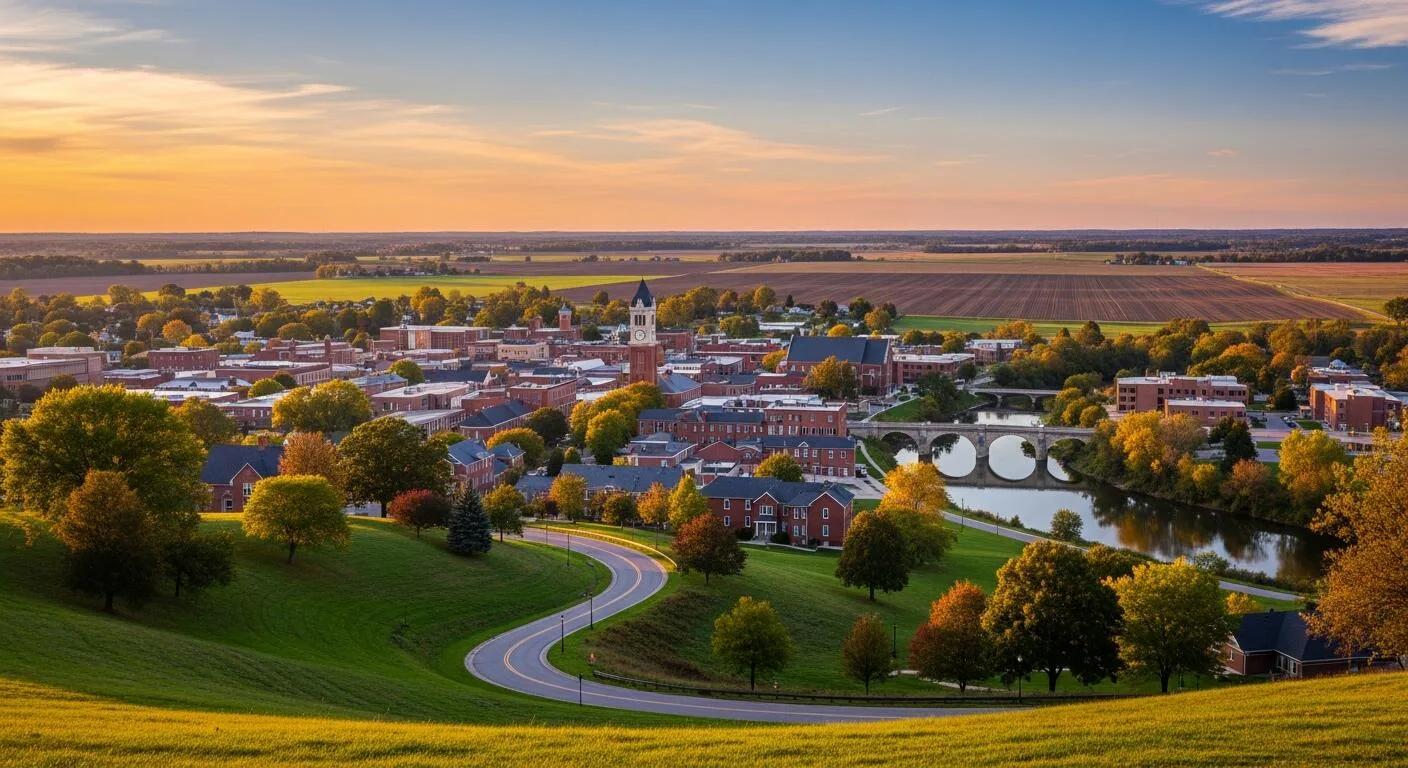
When water pours into a basement on College Avenue or smoke settles into every room of a farmhouse outside town, the fastest path back to normal is a certified restoration crew with the right equipment. Professional response protects your structure, your belongings, and your family's health.
North Manchester property owners have access to a full range of restoration services, each handled by trained technicians who follow recognized industry standards:
- Water Damage Restoration - extraction, structural drying, moisture mapping, and monitoring after burst pipes, appliance failures, and roof leaks
- Flooded Basement Cleanup - sump pump failures, foundation seepage, and snowmelt intrusion in older below-grade spaces
- Sewage Cleanup - safe removal of Category 3 contaminated water, disinfection, and disposal of affected porous materials
- Fire Damage Restoration - board-up, debris removal, soot cleaning, and structural rebuilding
- Smoke Damage Restoration - odor neutralization, HVAC cleaning, and treatment of walls, textiles, and contents
- Mold Removal - containment, HEPA filtration, antimicrobial treatment, and moisture source correction
Benefits for local homeowners and business owners include:
- Reduced secondary damage through rapid mitigation
- Documentation and photos that support insurance claims
- Clear project timelines communicated up front
- One team handling cleanup through final repairs - drywall, flooring, framing, and paint
Common Damage Restoration Issues in North Manchester, Indiana
North Manchester sits along the Eel River in Wabash County, where flat farmland, clay soil, and heavy seasonal rainfall combine to push water toward foundations. Add a housing stock that includes many pre-1950 homes and the result is a predictable set of restoration calls.
Frequent Causes of Damage
- Spring rain and rapid snowmelt overwhelming sump pumps and window wells
- Eel River backwater and saturated ground raising hydrostatic pressure on block foundations
- Frozen and burst supply lines in uninsulated crawl spaces during January cold snaps
- Aging cast iron and clay sewer laterals cracking or backing up during storm surges
- Ice dams forcing meltwater under shingles and into attic insulation
- Space heaters, wood stoves, and older knob-and-tube or aluminum wiring contributing to winter fires
- Kitchen grease fires that spread smoke and soot through open floor plans and duct systems
Warning Signs Worth Acting On
- Musty or earthy odors in basements, closets, or behind furniture
- Efflorescence - white chalky residue - on block or poured foundation walls
- Bubbling paint, cupped hardwood, or soft spots in subfloor near tubs and dishwashers
- Slow floor drains or gurgling toilets that signal a sewer line problem
- Yellow staining on ceilings and a persistent smoky smell weeks after a small fire
- Recurring allergy symptoms that ease when you leave the house
Small warning signs rarely stay small. Moisture behind drywall can support visible mold growth within days, and untreated soot becomes acidic and permanently etches metal, glass, and finishes.
Neighborhoods We Serve in North Manchester
Service extends across town limits and into the surrounding rural stretches of Wabash County.
- Downtown North Manchester - historic Main Street storefronts, upper-floor apartments, and commercial basements
- Manchester University area - College Avenue, Wayne Street, and nearby student rentals and faculty homes
- Eel River corridor - riverside properties and low-lying lots prone to seepage
- Warvel Park and Beckley Street neighborhoods - established mid-century residential blocks
- Singer Road and Ninth Street corridors - newer subdivisions and light commercial buildings
- Rural Chester and Pleasant Townships - farmhouses, outbuildings, and well-and-septic properties
Nearby communities also served include Laketon, Liberty Mills, Urbana, Roann, Silver Lake, Servia, Sidney, South Whitley, Akron, and the greater Wabash and Warsaw areas.
Seasonal Damage Patterns in North Manchester
Winter (December - February)
- Burst pipes in crawl spaces, garages, and exterior walls
- Ice dams driving water into attics and second-floor ceilings
- Peak season for heating-related fire and smoke damage
- Furnace puff-backs spreading soot through ductwork
Spring (March - May)
- Highest volume of flooded basement calls as frost leaves the ground
- Sump pump failures during multi-day rain events
- Sewer backups when storm runoff overloads lines
- Mold growth accelerating in basements that stayed damp all winter
Summer (June - August)
- Severe thunderstorms and wind-driven rain through damaged roofing
- Humidity above 60 percent feeding mold in crawl spaces and closets
- Air conditioning condensate line clogs causing hidden ceiling leaks
- Lightning strikes and electrical fires
Fall (September - November)
- Clogged gutters and downspouts redirecting water to foundations
- First furnace startup revealing smoke and odor problems
- Fireplace and chimney fires as wood heat returns
- Ideal window for waterproofing and mold remediation before freeze
Housing Characteristics & Restoration Considerations
North Manchester's housing mix leans older than the Indiana average, with a large share of homes built before 1960 and a notable cluster of late-1800s and early-1900s residences near downtown and the university.
Common Construction Types
- Victorian and American Foursquare homes with plaster-on-lath walls and balloon framing
- Mid-century ranches on poured concrete or block foundations with finished basements
- Post-1990 subdivisions with engineered lumber, OSB sheathing, and slab or full basements
- Rural farmhouses with stone foundations, dirt crawl spaces, and additions from multiple eras
How Age and Construction Shape Restoration
- Plaster and lath hold moisture far longer than drywall, requiring extended drying and injection drying systems rather than simple air movement.
- Balloon framing creates open wall cavities that let fire, smoke, and water travel between floors - technicians open and inspect these chases before declaring an area dry.
- Stone and block foundations are porous, making basement seepage and mold growth recurring issues that need drainage correction alongside cleanup.
- Pre-1980 materials may contain asbestos in floor tile, pipe wrap, and joint compound, plus lead paint - testing precedes demolition.
- Finished basements with carpet, paneling, and framed walls trap water behind surfaces; flood cuts and material removal are often necessary.
- Cast iron and clay sewer laterals in older neighborhoods raise the odds of Category 3 backups requiring full disinfection.
Newer construction dries faster but is tightly sealed, which means smoke odor and humidity linger without proper ventilation and HVAC cleaning.
Environmental Conditions & Damage Implications
Local climate and ground conditions drive nearly every restoration decision made in Wabash County.
Climate Factors
- Roughly 38 - 40 inches of annual precipitation, with peak rainfall from April through June
- Summer relative humidity frequently exceeding 70 percent - well above the 60 percent threshold where mold thrives
- Winter temperatures dropping into the single digits, creating repeated freeze-thaw cycles
- Average annual snowfall that produces significant meltwater runoff in late February and March
Soil and Groundwater
- Glacial till and Miami-series silt loam over dense clay subsoil that drains slowly
- High seasonal water tables near the Eel River and its tributaries
- Clay expansion and contraction that opens foundation cracks and cove joints
- Flat topography that pools surface water against foundations after heavy rain
What This Means for Restoration Work
- Drying plans must account for high ambient humidity - dehumidification is often more important than air movement alone
- Basement flooding is frequently recurrent, so moisture source correction is part of any lasting mold remediation
- Rural properties on septic systems face higher sewage backup risk when saturated soil prevents drainfield absorption
- Well water systems require testing after any sewage or flood event
- Smoke odor lingers longer in humid conditions, making thermal fogging and hydroxyl or ozone treatment more important
- Winter fires often mean water damage from suppression efforts freezing inside walls
Emergency Response Standards and What to Do First in North Manchester
After a fire, flood, or storm, every minute matters. The choices made in the first hour often determine whether a repair takes days or weeks.
Your Immediate Steps
- Confirm everyone is safe and away from harm, including pets.
- Contact emergency services if there is fire, structural collapse risk, or gas odor.
- Avoid re-entering the property until it has been cleared for safety.
- Shut off water at the main or kill power at the panel only if you can do so safely.
- Document visible damage with photos and video, then notify your insurance provider.
- Call a professional restoration team to begin mitigation immediately.
The Professional Process
- Inspection and assessment - moisture meters, thermal imaging, and air sampling establish the true scope of damage, including hidden moisture behind plaster and inside wall cavities.
- Emergency stabilization - board-up for broken windows, tarping for exposed roof sections, and immediate water extraction to stop damage from spreading.
- Cleanup and remediation - containment barriers, HEPA air scrubbers, antimicrobial application, soot removal with appropriate dry and wet cleaning methods, and controlled demolition of unsalvageable materials.
- Structural drying - commercial dehumidifiers and air movers run with daily moisture readings until materials return to documented dry standards.
- Restoration and repairs - drywall, flooring, framing, trim, and paint until the property feels like home again.
Standards That Guide the Work
- IICRC S500 protocols for water damage categories and drying verification
- IICRC S520 guidance for mold containment and clearance
- IICRC S700 practices for fire and smoke odor control
- Written moisture logs and photo documentation for insurance adjusters
Timelines vary by damage type and severity. Minor water damage may be resolved in a few days, while fire or mold restoration could take a few weeks - a clear project timeline is provided up front, with updates at every stage.





